
.jpg) 1 hour ago
2
1 hour ago
2

For more than a decade, Danica Patrick has carried expectations that few drivers, male or female, have ever faced in American motorsport. And she did it knowing that every race, every finish, and every mistake would be scrutinized harder than anyone else on the grid.
Patrick changed the motorsports landscape in the US. She became the first woman to win in IndyCar. She led laps at the Indianapolis 500. She crossed into NASCAR and sat on the pole for the Daytona 500. She finished eighth in that race, becoming the highest-finishing woman in its history. Her Cup career delivered seven top-10s and moments that still get replayed.
But success did not protect her from criticism. If anything, it made it louder. Few modern athletes have received as much abuse online as Patrick. The nicknames, the mockery, the dismissals, all of it became a constant background noise. At some point, it stopped being about performance and became about perception.
Yet her real legacy might not be about “firsts.” It might be in the girls and young drivers who saw her on the grid and realized the opportunity existed at all. That is where Patrick’s story is generational.
How Danica Patrick shaped the path for women entering NASCAR
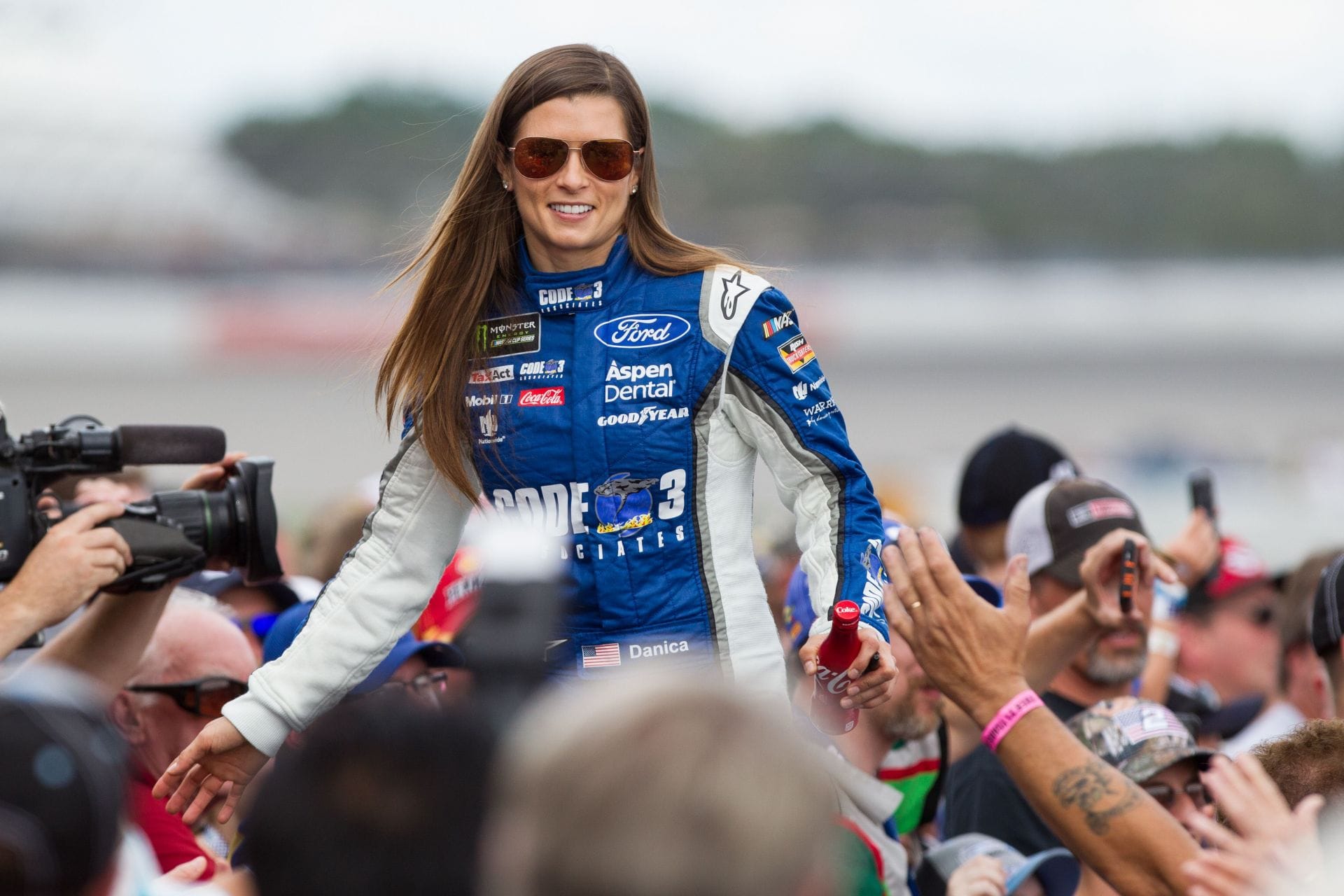 Danica Patrick (10), before the 2017 NASCAR Cup Series Pure Michigan 400. Source: Getty
Danica Patrick began racing in a world that had shaped her from the start - open-wheel, single-seaters. Winning the Indy Japan 300 in 2008 cemented her as a legitimate contender. Moving to NASCAR was a deliberate pivot. It meant starting again with heavier cars and on new tracks, in a male-dominated culture.
For five years, from 2013 to 2017, she was the only full-time female driver at the Cup level with no comparison point. Her impact becomes clearer when we listen to the women who came after. Truck Series driver Toni Breidinger spoke about what Patrick meant to her when she was a child, long before her career started:
“I definitely think when I was younger, Danica Patrick was obviously a really, still is, very big name as a female driver. So, I think I definitely looked at her and at the time she was racing IndyCar. And I do think that helped me think that I could do it, because I saw another female doing it. I very much think that, seeing is believing... as I got older and she retired, I really didn't have, anyone to really look up to,” she told in the Spake Up Podcast.That visibility matters. Richard Childress saw it, too. In 2015, he described the ripple effect he saw at tracks and in the stands.
“There’s going to be another Danica Patrick and I think she has been great for the sport. What she does for the sport is great. We’re just looking to find the next one,” Childress told USA Today.One of the young prospects placed in that conversation was Ahnna Parkhurst. Signed into Richard Childress Racing’s development path, she added:
“Danica's great. I want to be like her, but I want to be my own person and set my own goals... I like her and stuff. She's really sweet.”Earlier trailblazers, such as Sara Christian and Janet Guthrie, broke the barriers. But Danica Patrick stepped into an era dominated by TV, social media, and nonstop commentary. And she kept driving under pressure. That is what makes her rare.
Danica Patrick refused to let others dictate her career
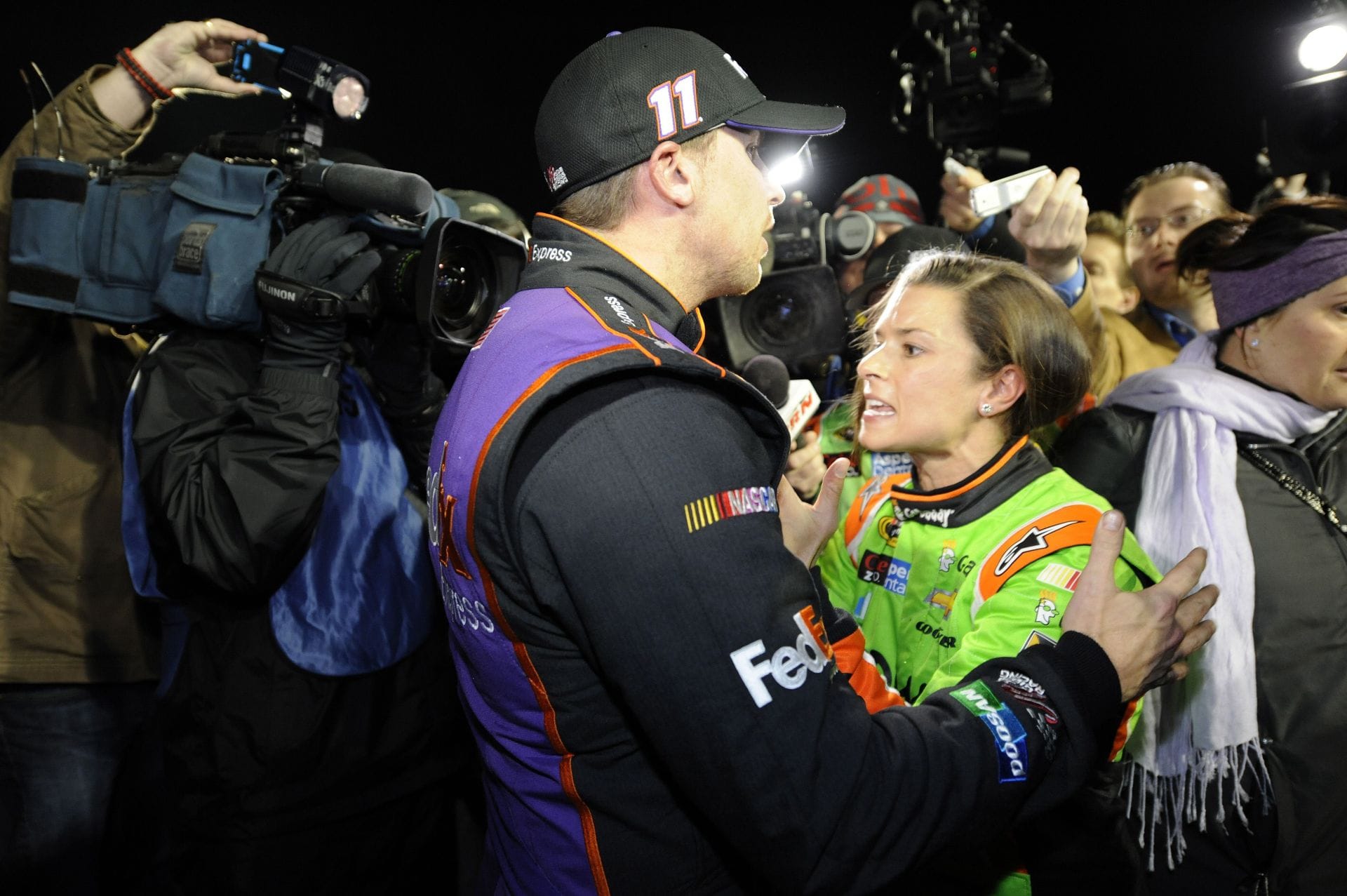 Danica Patrick and Denny Hamlin after the NASCAR Cup Series Daytona Duel 2. Source: Getty
Women in motorsport face more scrutiny. Canadian racer Amber Balcaen has spoken openly about the unfair standards, the constant questioning of legitimacy, and how sponsorship comes with different expectations when the driver is female. Danica Patrick has raced through that before social platforms amplified the noise.
Patrick moved to NASCAR not because it was easy, but because it was harder. And the criticism followed. Richard Petty famously claimed Patrick would only win “if everyone else stayed home.” He later framed her attention as marketing, not merit.
Patrick stood her ground:
“Everybody is entitled to their own opinion. People are going to judge. I like people who have opinions, it creates conversation.”Danica Patrick closed her career with seven Cup Series top-10s, a Daytona 500 pole, an IndyCar race win, and multiple laps led in the Indy 500. She ended her racing career on her own terms and has now moved into broadcasting with Sky Sports.
Meanwhile, the environment around her showed just how thin the opportunities were and still are. NASCAR saw only two female drivers in 2025. Katherine Legge ran part-time in Cup and Xfinity, and Breidinger is still without a seat going into 2026, struggling to find sponsorship.
Why did you not like this content?
- Clickbait / Misleading
- Factually Incorrect
- Hateful or Abusive
- Baseless Opinion
- Too Many Ads
- Other
Was this article helpful?
Thank You for feedback
Get the latest NASCAR All-Star race news, Xfinity Series updates, breaking news, rumors, and today’s top stories with the latest news on NASCAR.
Edited by Hitesh Nigam
 English (US)