
.jpg) 2 hours ago
3
2 hours ago
3
Synopsis
U.S. stocks declined Tuesday as concerns over the Middle East conflict's duration and its impact on inflation intensified, pushing oil prices higher. Despite broad-based selling and a rise in the volatility index, indexes recovered significantly from early lows. Investors are anxious about the conflict's effect on energy prices and central bank policy.
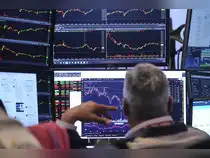 APU.S. stocks declined on Tuesday as concerns grew over the duration of the Middle East conflict and its potential impact on inflation, particularly through rising oil prices.
U.S. stocks fell on Tuesday as investors worried about how long the Middle East conflict may persist, but indexes ended well off the day's lows. Selling was broad-based, with materials down the most among the major S&P 500 sectors, and the Cboe Volatility index rose. Investors are concerned about the effect of the conflict, now in its fourth day, on inflation as oil prices extended sharp gains. Israeli and U.S. forces hit targets across Iran, prompting Iranian retaliatory strikes around the Gulf as the conflict spread to Lebanon.
"While not much has changed fundamentally since yesterday, investors are growing anxious about the duration of the war and its impact on energy prices," said Joseph Tanious, chief investment strategist at Northern Trust Asset Management in San Diego.
Still, stocks came back from losses of more than 2% early in the day. On Monday, the S&P 500 ended flat after clawing back from sharp early losses.
Jed Ellerbroek, portfolio manager at Argent Capital Management, said the "reaction so far is very tame," which suggests investors' tolerance for risk remains somewhat intact.
According to preliminary data, the S&P 500 lost 65.03 points, or 0.94%, to end at 6,816.59 points, while the Nasdaq Composite lost 227.62 points, or 1.00%, to 22,521.24. The Dow Jones Industrial Average fell 399.57 points, or 0.82%, to 48,505.21.
In a potentially bearish signal, the S&P 500 closed below its 100-day moving average for the first time since November 20.
Shares of Blackstone were down after its flagship credit fund, BCRED, saw a surge in redemption requests.
Tehran's threat to attack any vessel attempting to transit the Strait of Hormuz, combined with production halts by several Middle Eastern oil and gas producers, has driven up global shipping rates and prices of crude and natural gas. The strait, a critical chokepoint, carries roughly one-fifth of the world's total oil consumption.
Investors worry that the higher oil prices could fuel inflation and complicate central bank policy decisions already strained by tariff-driven price increases.
The U.S. 10-year Treasury yield earlier touched a one-week high and investors pushed back expectations for a 25-basis-point interest rate cut by the Federal Reserve to September from July, according to LSEG-compiled data.
(What's moving Sensex and Nifty Track latest market news, stock tips, Budget 2025, Share Market on Budget 2025 and expert advice, on ETMarkets. Also, ETMarkets.com is now on Telegram. For fastest news alerts on financial markets, investment strategies and stocks alerts, subscribe to our Telegram feeds .)
Subscribe to ET Prime and read the Economic Times ePaper Online.and Sensex Today.
Top Trending Stocks: SBI Share Price, Axis Bank Share Price, HDFC Bank Share Price, Infosys Share Price, Wipro Share Price, NTPC Share Price
...moreless
(You can now subscribe to our ETMarkets WhatsApp channel)
(What's moving Sensex and Nifty Track latest market news, stock tips, Budget 2025, Share Market on Budget 2025 and expert advice, on ETMarkets. Also, ETMarkets.com is now on Telegram. For fastest news alerts on financial markets, investment strategies and stocks alerts, subscribe to our Telegram feeds .)
Subscribe to ET Prime and read the Economic Times ePaper Online.and Sensex Today.
Top Trending Stocks: SBI Share Price, Axis Bank Share Price, HDFC Bank Share Price, Infosys Share Price, Wipro Share Price, NTPC Share Price
...moreless
 English (US)