
.jpg) 1 hour ago
2
1 hour ago
2
As the formal fashion offerings becomes more homogenised, Kuala Lumpur’s local labels preserve cultural identity with their own take on occasionwear.
The dress code for formal occasions in Malaysia is not limited to black tie or Western formalwear. Traditional attire — when elevated — stands shoulder to shoulder with tuxedos and evening gowns. Occasionwear here lives at that intersection — between formality and tradition. As fashion becomes increasingly homogenous, local designers rooted in Kuala Lumpur challenge this as they bring personal narratives and cultural specificity to occasionwear that global brands cannot replicate. If Malaysian occasionwear reflects personal identity and cultural heritage, then Kuala Lumpur’s bespoke makers and local labels are uniquely positioned to deliver it. LUXUO explores 8 Kuala Lumpur-based brands and designers that cater to this niche, each having amassed a loyal, high-profile clientele.
Read More: Kuala Lumpur’s Business Power Players and Rising Stars
Sbahar Bespoke
Shahrin Bahar founded his eponymous atelier as an appointment-only destination, offering a private, one-on-one consultation environment. This ensures each client receives the designer’s full attention during the technical assessment of their lifestyle, posture and personal preferences. As a leading name in Kuala Lumpur bespoke tailoring, Sbahar is renowned for sharp construction and personalised consultation. Whether commissioning a classic evening suit or a modern cut with subtle stylistic flourishes, the house emphasises silhouette, fit and fabric selection. Every detail — from hand-stitched canvases to perfectly proportioned shoulders — underscores why Sbahar is a favourite for weddings, formal events and business occasions.
Each garment begins with a unique paper pattern drafted for the individual wearer. Unlike standard “made-to-measure” services, which modify pre-existing templates, this bespoke process builds the suit from scratch, accounting for posture nuances such as shoulder slope or spinal curvature. A technical hallmark of the house is the use of a hand-stitched internal canvas crafted from natural horsehair or wool. This full canvas structure acts as a skeleton between the outer fabric and lining, allowing the jacket to drape naturally and gradually conform to the wearer’s body over time. In contrast, mass-produced suits often use glued or fused interlinings, which can be stiff and prone to bubbling after dry cleaning.
Clients experience a “basted fitting,” where the suit is temporarily stitched with visible white cotton thread. This stage, conducted before linings or pockets are added, allows the tailor to fine-tune the shell directly on the body to perfect balance and proportion. Sbahar maintains close relationships with heritage European mills, sourcing premium wool and linens from Italy’s Drago and Albini, globally recognised for their high-twist, breathable and durable fabrics. The signature house cut features sharp, balanced proportions with a soft-shouldered construction, an Italian-influenced style that reduces padding while remaining comfortable in warmer climates. Each commission takes approximately 8 to 12 weeks to complete, reflecting over 50 hours of meticulous handwork per suit. While specialising in modern suiting, Sbahar also applies traditional bespoke techniques to custom-made Baju Melayu, offering a hand-finished take on Malaysian traditional attire.
Click here to find out more about the label.
Rizman Ruzaini
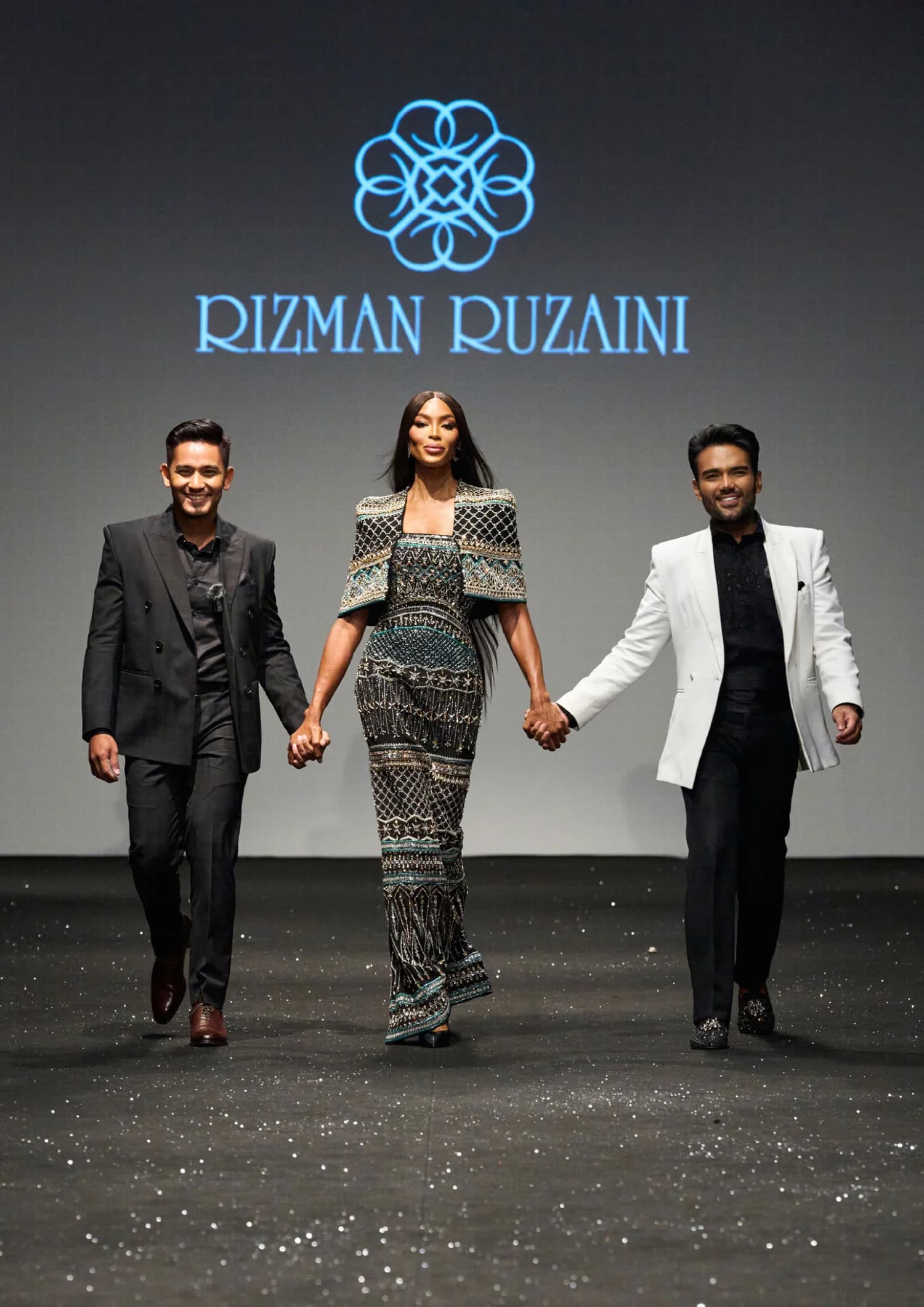
Rizman Ruzaini was established in 2005 by the duo Rizman Nordin and Ruzaini Jamil. Over nearly two decades, the label has evolved from a local boutique to an internationally recognised fashion house, notably debuting at Dubai Fashion Week in 2023. Supermodel Naomi Campbell famously closed the label’s Spring/Summer 2024 show in Dubai wearing a custom monochrome gown with a matching floor-length cape. This gown was later selected for the Victoria & Albert Museum’s 2024 exhibition dedicated to Campbell, marking the first time a Malaysian designer’s work has been archived by the institution.
The Spring/Summer 2024 collection — featuring Campbell — took inspiration from the Nusantara folk legend of the Naga Seri Gumum, a dragon said to inhabit Lake Chini, Pahang. This theme was reflected in a palette of burnt orange, rose gold and turquoise, mimicking the water’s shifting reflections. The “Mustika” Spring/Summer 2025 collection draws inspiration from the 1998 Malaysian film Perempuan Melayu Terakhir, reimagining the Kebaya — a traditional Southeast Asian blouse-dress — with 1940s-era floral and geometric motifs through modern structured tailoring and contemporary fabrics, including elevated denim.
Couture pieces from Rizman Ruzaini are defined by high-intensity manual labour, with complex garments requiring over 600 hours to complete. Their Tambour beading technique — using a specialised hook to apply beads and sequins to fabric stretched on a frame — produces intricate and durable patterns far beyond what standard machine embroidery can achieve. The house operates three distinct service tiers: Ready-to-Wear (RTW) under the sub-brand “RR” for accessible luxury; Made-to-Measure (MTM), which adjusts existing designs to a client’s body measurements; and Bespoke/Couture, featuring entirely original designs with multiple fittings to achieve a perfect fit. While the label is known for ready-to-wear collections, bespoke and made-to-measure services remain a cornerstone for clients seeking personalised pieces.
Click here to find out more about the label.
Nurita Harith
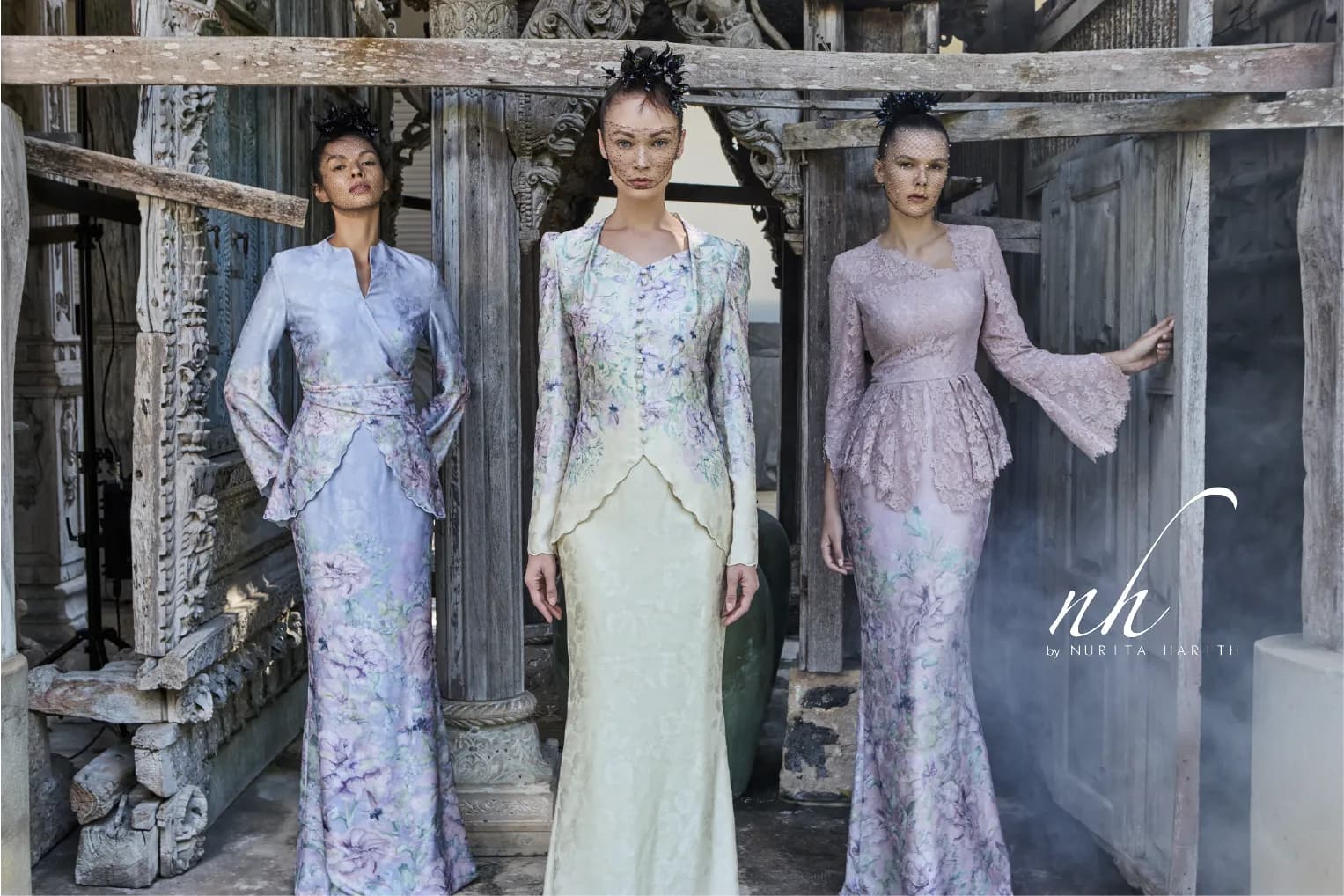
Nurita Harith is a fine arts and sculpture graduate from the Surrey Institute of Art in London, a foundation that informs her reputation as the “Queen of Draping.” She approaches garment construction as a three-dimensional art form, prioritising fluidity and sculptural shape over traditional flat-pattern making. The brand’s signature technique involves manipulating fabric directly on a mannequin, allowing the material to dictate the final silhouette. This free-form method produces fluid, billowy layers, carefully pinned and sewn to maintain a delicate balance between a structured bodice and a moving skirt.
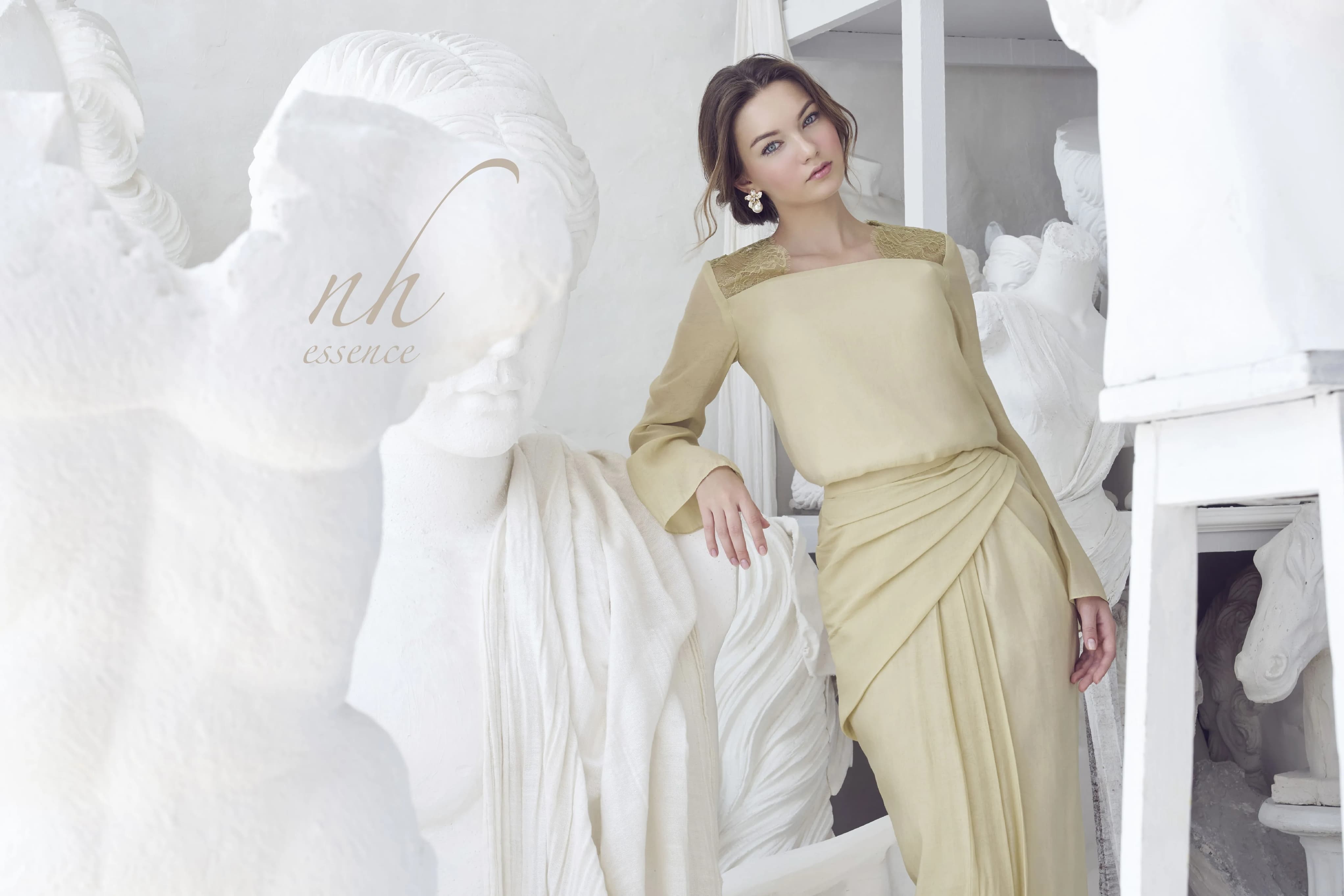
A distinct hallmark of her Lebaran Luxe and bespoke collections is the piped neckline, where a thin cord encased in fabric is inserted into the collar or neckline seam. This technique creates a sharp, sculptural edge for traditional garments like the Kebaya, preventing soft fabrics from losing shape around the neck. Nurita Harith’s design DNA leans heavily on a muted pastel palette, with signature shades including Sage Green, Lilac Snow, Rose Bisque and Dusty Pistachio. These serene tones complement intricate tonal beadwork without overpowering the garment’s structural folds.
She is particularly noted for modernising the Kebaya and Kurung, integrating contemporary elements such as capes, keyhole necklines and organza silk. These updates allow Southeast Asian heritage wear to function as high-fashion occasionwear suitable for formal galas and black-tie cultural events. The house operates two main labels: Nurita Harith (Bespoke), which handles one-of-a-kind bridal and evening commissions and NH by Nurita Harith (Ready-to-Wear), offering accessible “modern kurungs” in standard sizing while retaining the signature draping and muted palette.
Her designs appeal to clients seeking sophisticated occasionwear that honours Southeast Asian heritage while remaining contemporary. Be it for a formal gala, upscale wedding reception or cultural celebration, her gowns and dresses feature delicate piped necklines, layered skirts, tonal beadwork and sculptural folds — transforming traditional sensibilities into refined eveningwear.
Click here to find out more about the label.
Mimpi Kita
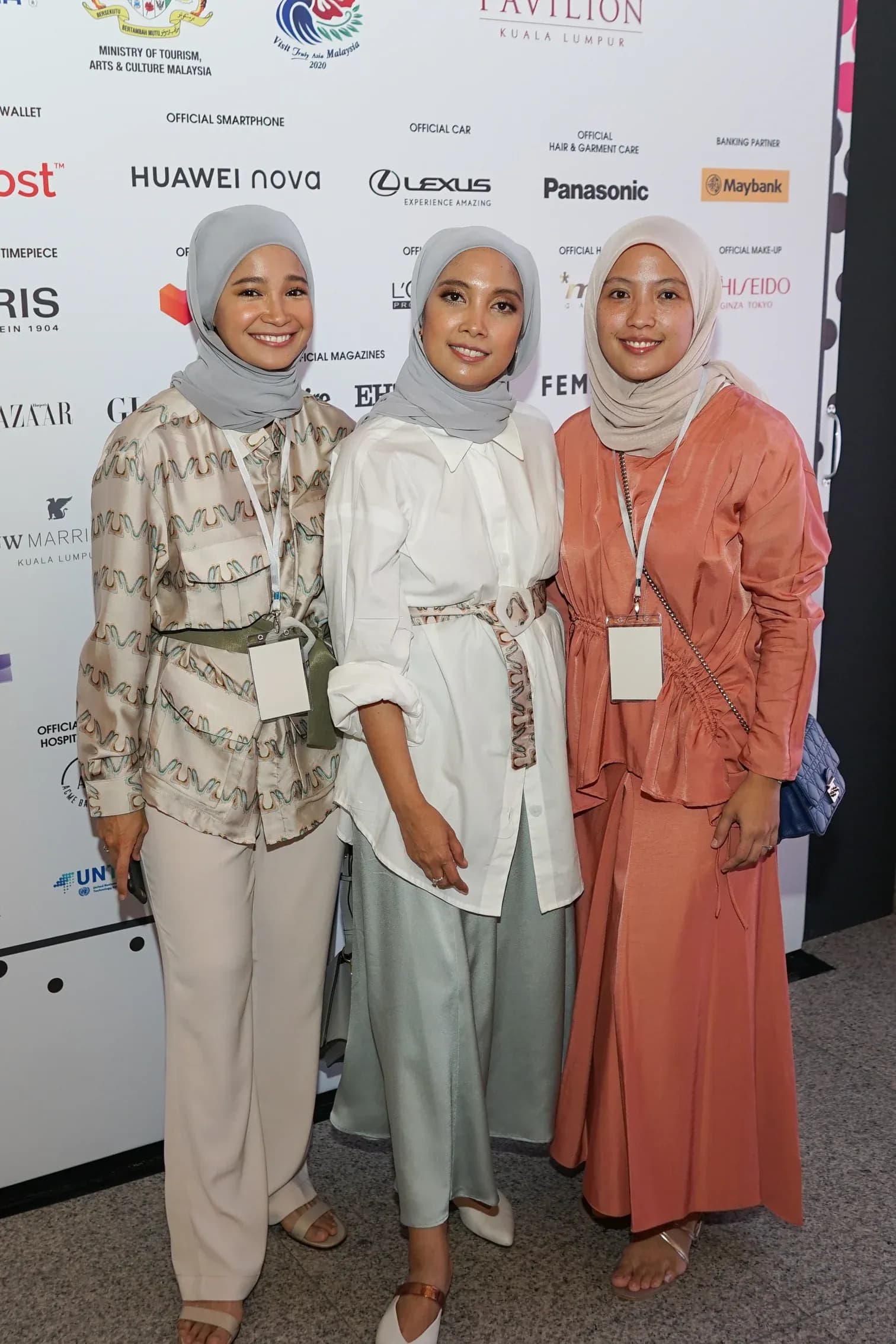
Mimpi Kita was founded in 2008 by sisters Nurul, Amirah and Syahira Zulkifi, beginning as a digital-first blogshop before evolving into a global representative of modern modest fashion. The label’s name — which translates from Bahasa Malaysia as “Our Dreams” — reflects the founders’ collaborative entrepreneurial journey. The brand designs for the Kita Girl — a diverse community of women who value both contemporary style and modest silhouettes. This philosophy emphasises inclusivity across different body types, lifestyles and cultural backgrounds.
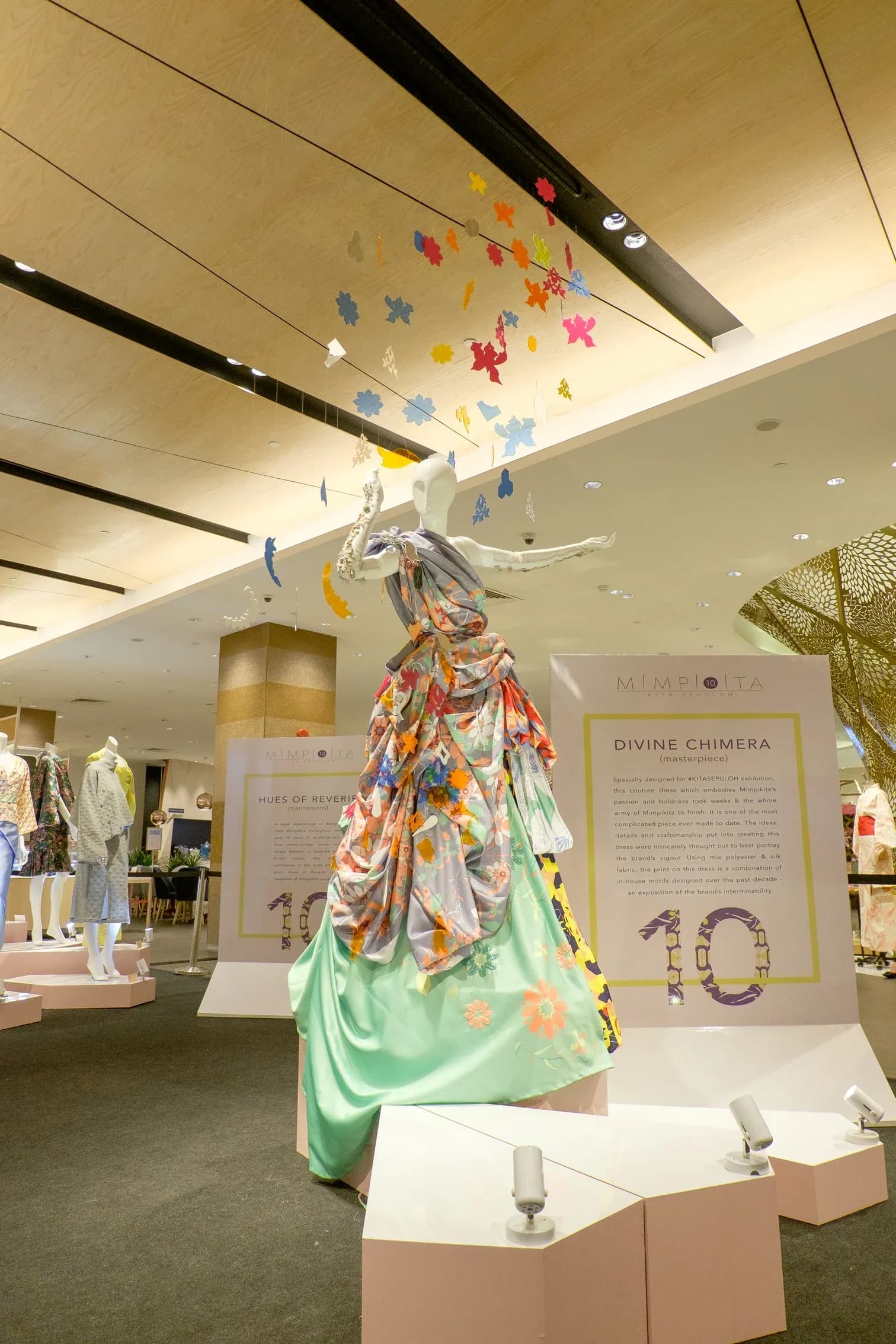
Technically, Mimpi Kita is distinguished by its deconstruction of classic Malay forms, particularly the Baju Kurung. Traditional elements are reimagined using innovative tailoring techniques, including asymmetrical hemlines and layered tunics worn over structured trousers, producing architectural silhouettes that feel modern yet rooted in Malaysian heritage.
The label achieved international recognition after debuting at London Fashion Week (Fashion Scout) in September 2015, establishing Mimpi Kita as a key player in the global Islamic fashion scene and demonstrating that modest wear can meet high-fashion standards. The brand operates through three service tiers: Ready-to-Wear (RTW) for immediate purchase, Mimpikita Bridal for bespoke wedding attire and Mimpikita Bespoke, a private service offering one-of-a-kind designs tailored to each client’s measurements. Mimpi Kita’s modern reinterpretations of the Baju Kurung and Kebaya — with asymmetrical hemlines, layered tunics over sculpted trousers and innovative cutwork — elevate traditional silhouettes with contemporary structure and architectural play.
Click here to find out more about the label.
Read More: Celebrating Merdeka: The Malaysian Designers Shaping a Modern Nation
FIZIWOO
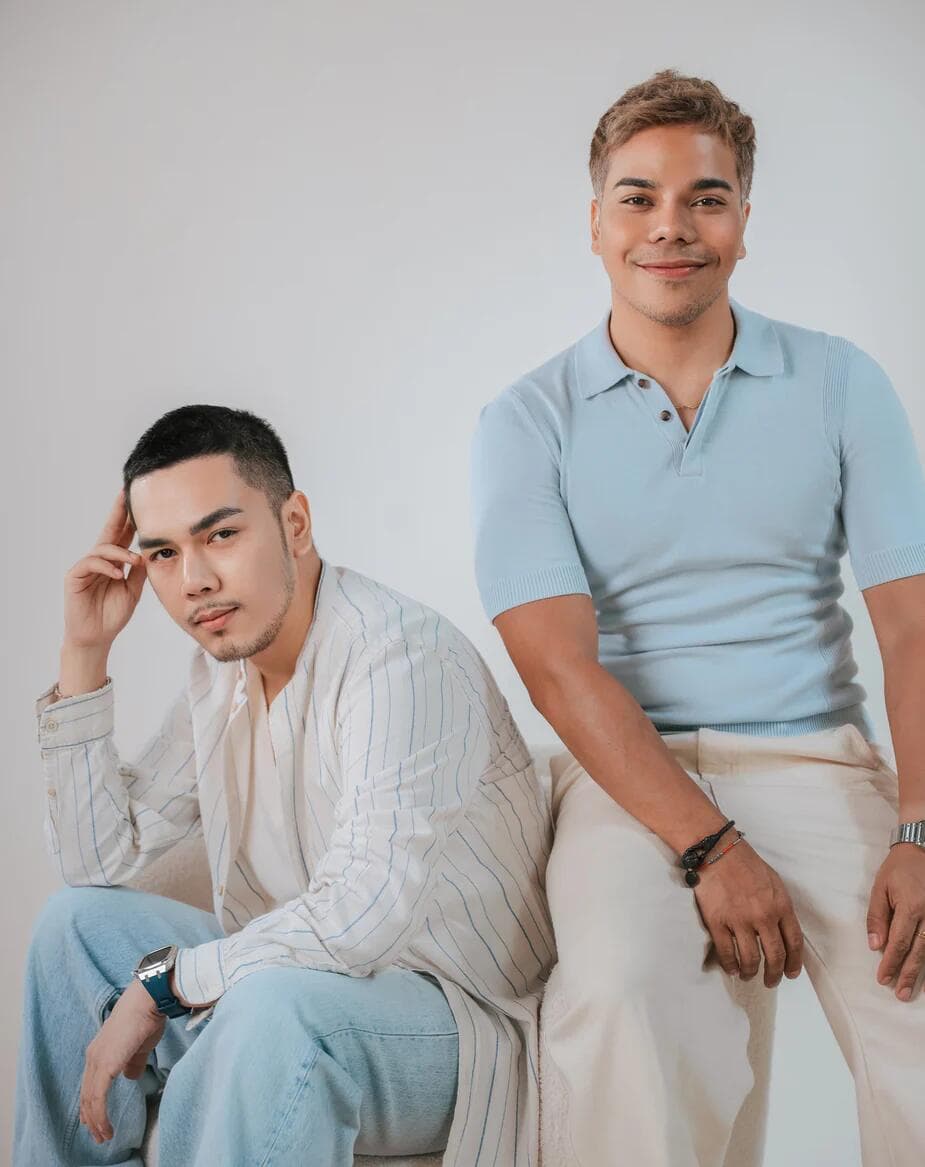
FIZIWOO was founded in 2009 by Hafizi Radzi Woo and later joined by Izree Kai Haffiz. The duo is known for a collaborative design approach that merges architectural structure with high-fashion fluidity. The label specialises in elevating Songket — a traditional Malay hand-woven fabric with intricate gold or silver threads — to the level of global luxury textiles. By treating Songket with the same technical care as European silks, FIZIWOO has reimagined this heritage fabric for modern red-carpet and black-tie occasions.
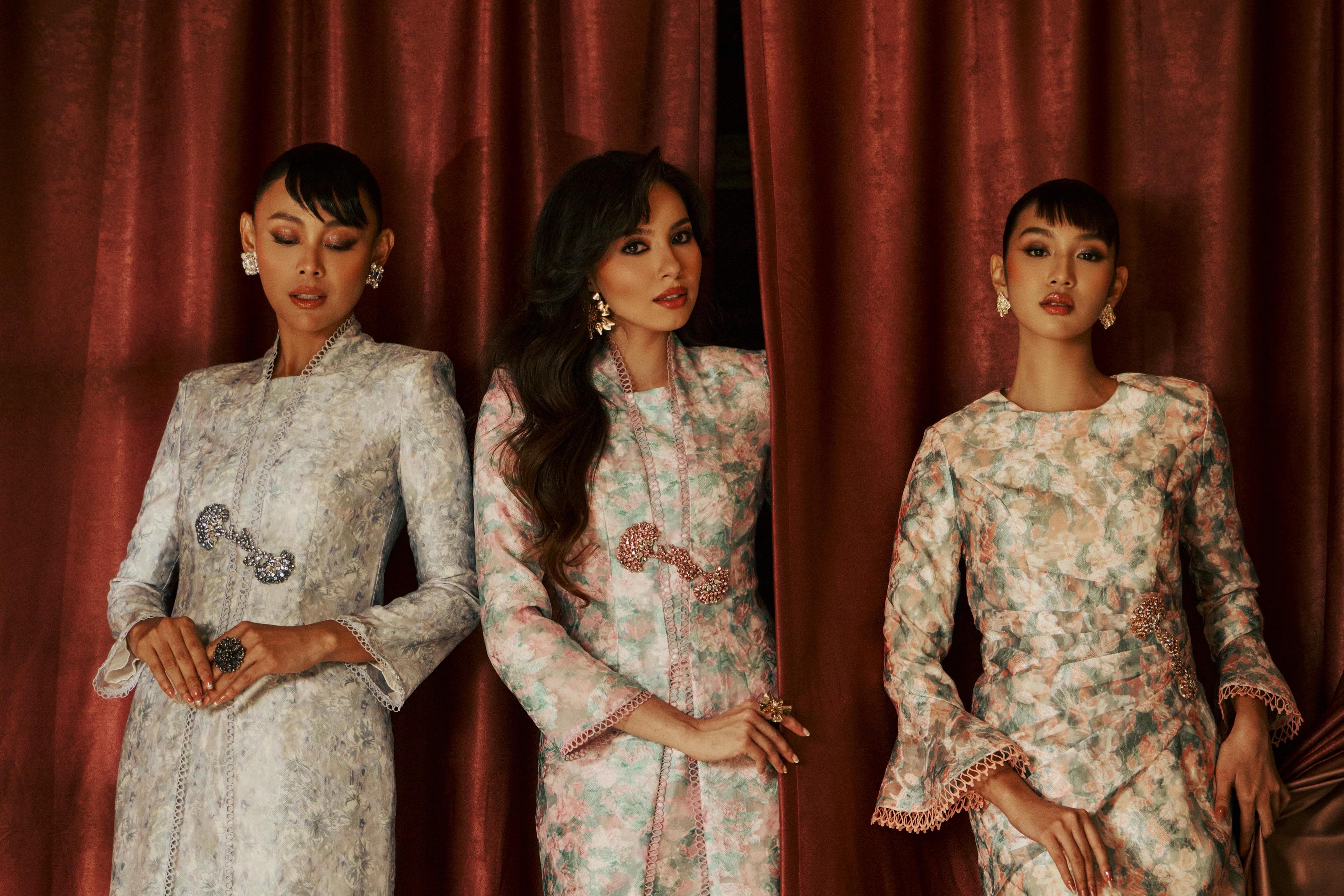
A hallmark of the house is the use of kerawang ayak, a detailed form of hand-embroidered cutwork. Sections of the base fabric are removed and replaced with decorative needlework, creating a lace-like effect that adds visual lightness while maintaining structural integrity. Strategic light-catching elements, including metallic threadwork and fine beadwork, accentuate movement and silhouette under evening lighting. The “FIZIWOO Look” is defined by sculptural volume, featuring dramatic peplums, tiered ruffles or oversized bows.
The brand has built a strong regional presence, with evening and bridal pieces regularly worn by celebrities and fashion figures across Southeast Asia at major cultural galas and international events. Fizi Woo’s work sits at the intersection of sculptural structure and refined fluidity, making it a compelling choice for red-carpet appearances, fashion week attendees and formal occasions where statement-making designs are essential.
While based in Kuala Lumpur, the label’s influence extends beyond local borders, cementing its relevance in both cultural and cosmopolitan contexts. Signature details such as delicate beadwork, metallic threadwork and strategically placed sequins catch light subtly, distinguishing FIZIWOO’s occasionwear at formal events and high-profile nightlife gatherings.
Click here to find out more about the label.
Hatta Dolmat
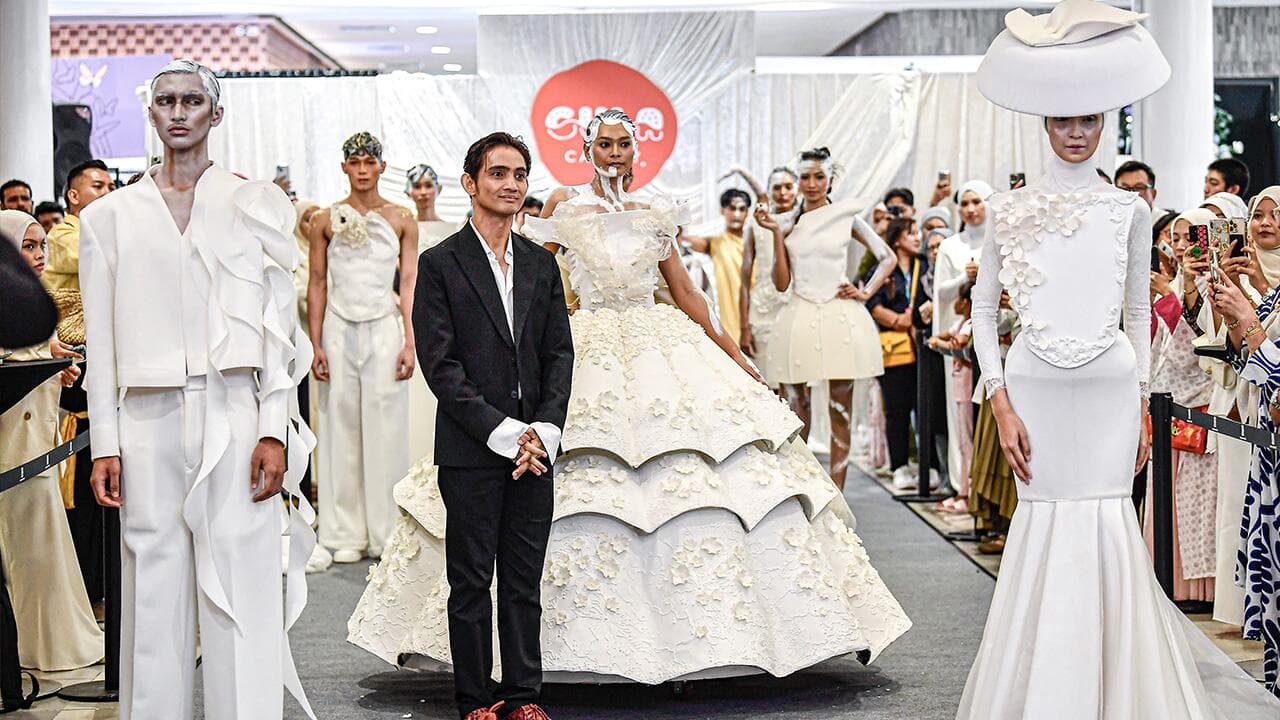
Hatta Dolmat is the first Malaysian designer recognised by the Malaysia Book of Records for a sustainable fashion collection. In 2021, he introduced a high-end occasionwear collection crafted entirely from recycled plastic bottles (rPET). The fabric blend — comprising 60 percent recycled plastic and 40 percent cotton — was engineered to retain the structure and hand-feel required for formal tailoring while significantly reducing environmental impact. This initiative demonstrated that circular fashion can meet the technical and aesthetic standards of high-end occasionwear.
Beyond sustainability, the atelier’s technical identity is defined by delicate pintuck stitching and a mastery of pleating. Fine, narrow folds are sewn into the fabric to create linear texture and controlled volume, often paired with complex pleating techniques that add architectural dimension to otherwise fluid silhouettes. The house signature leans towards loose, fluid cuts and a neutral palette of nudes, off-whites and earth tones. This understated approach is intentionally cross-gender, moving away from rigid masculine or feminine codes to create versatile garments suited to a contemporary, diverse audience.
Hatta Dolmat’s work spans both traditional and modern forms, offering tailored suits and evening gowns alongside kurta-style shirts and formal batik pieces. This breadth allows for a cohesive occasionwear wardrobe that transitions seamlessly between cultural celebrations, weddings and international events. A versatile force in Malaysian fashion, Hatta Dolmat’s designs across menswear and womenswear — from structured suits to elegant gowns — reflect a thoughtful balance of sustainability and craftsmanship making them particularly relevant for clients seeking occasionwear with both cultural grounding and contemporary appeal.
Click here to find out more about the label.
Wardrobe Privato
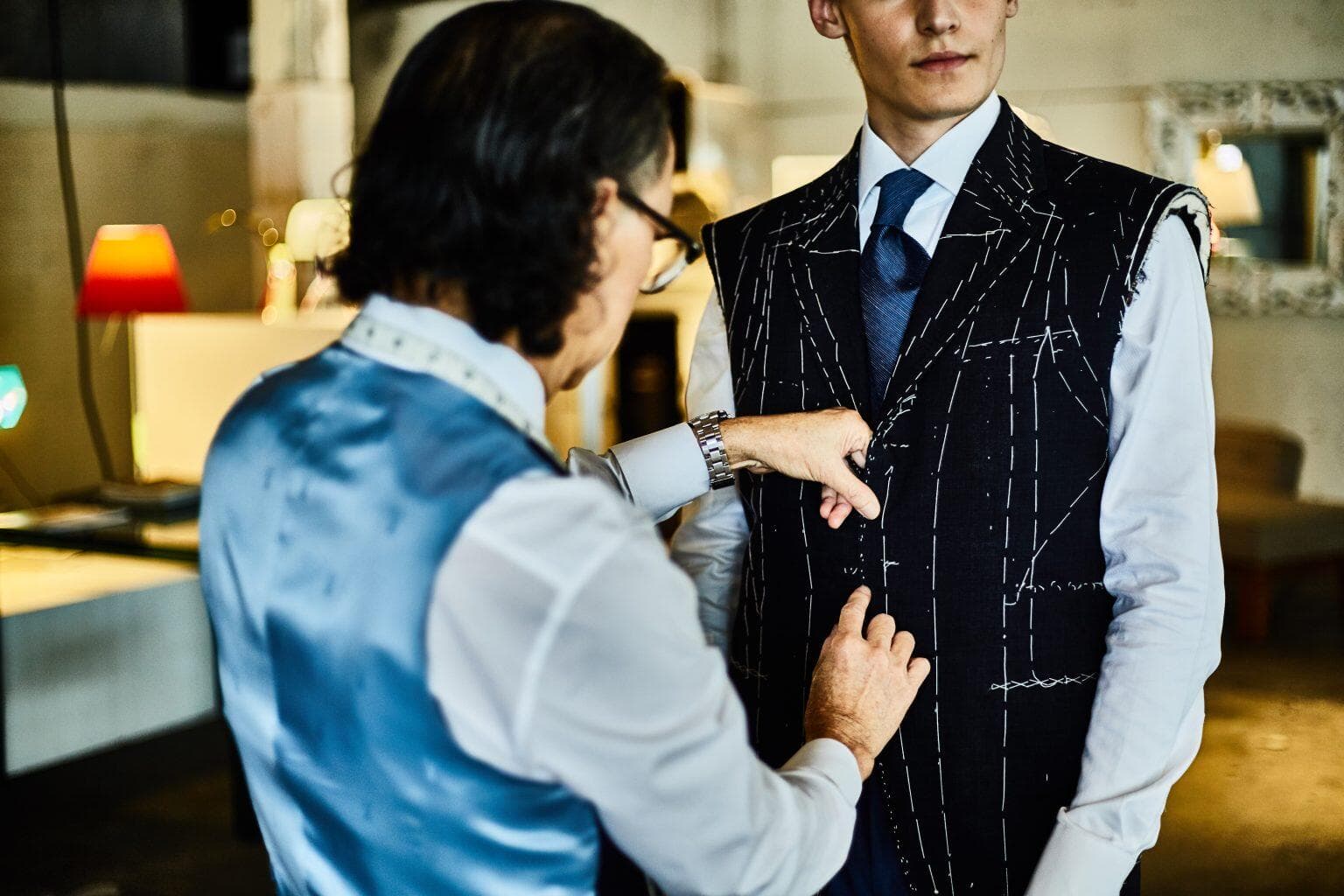
Wardrobe was established in 1991 and remains one of Malaysia’s premier tailoring houses, known for its technical precision in bespoke and made-to-measure suiting. Based in Bangsar, Kuala Lumpur, the brand has built a reputation for combining traditional craftsmanship with a modern, lifestyle-oriented approach to luxury menswear. Central to the experience is Wardrobe Privato, an appointment-only service offering a private consultation environment. Here, garments are informed by a detailed technical assessment of the client’s lifestyle.
A defining signature of the house is its use of a hand-stitched internal canvas made from natural horsehair or wool. This internal structure allows the jacket to drape naturally and gradually mould to the wearer’s body, offering superior longevity compared to mass-produced fused interlinings. Wardrobe maintains direct relationships with leading European mills, sourcing premium wool, silk and linen fabrics from Ermenegildo Zegna, Loro Piana and Vitale Barberis Canonico — all globally recognised for their textile quality and performance.
The Wardrobe Privato signature cut is characterised by sharp, balanced proportions, often leaning towards an Italian-influenced soft-shouldered construction. By minimising heavy padding, the silhouette remains refined while ensuring comfort and breathability in Southeast Asia’s climate. Each bespoke commission requires approximately 50 to 80 hours of manual labour and involves multiple basted fittings, where the suit is temporarily assembled with white thread. This stage allows the tailor to refine balance and fit directly on the body before final construction.
Click here to find out more about the label.
Read More: 8 Noteworthy Malaysian Fashion Designers
For more on the latest in luxury fashion and style reads, click here.
 English (US)