
.jpg) 2 hours ago
3
2 hours ago
3
Kuala Lumpur’s rise as a regional economic hub is being driven by a multi-pillar growth model — where diversified sectors combine to create a more resilient and investment-ready economy.
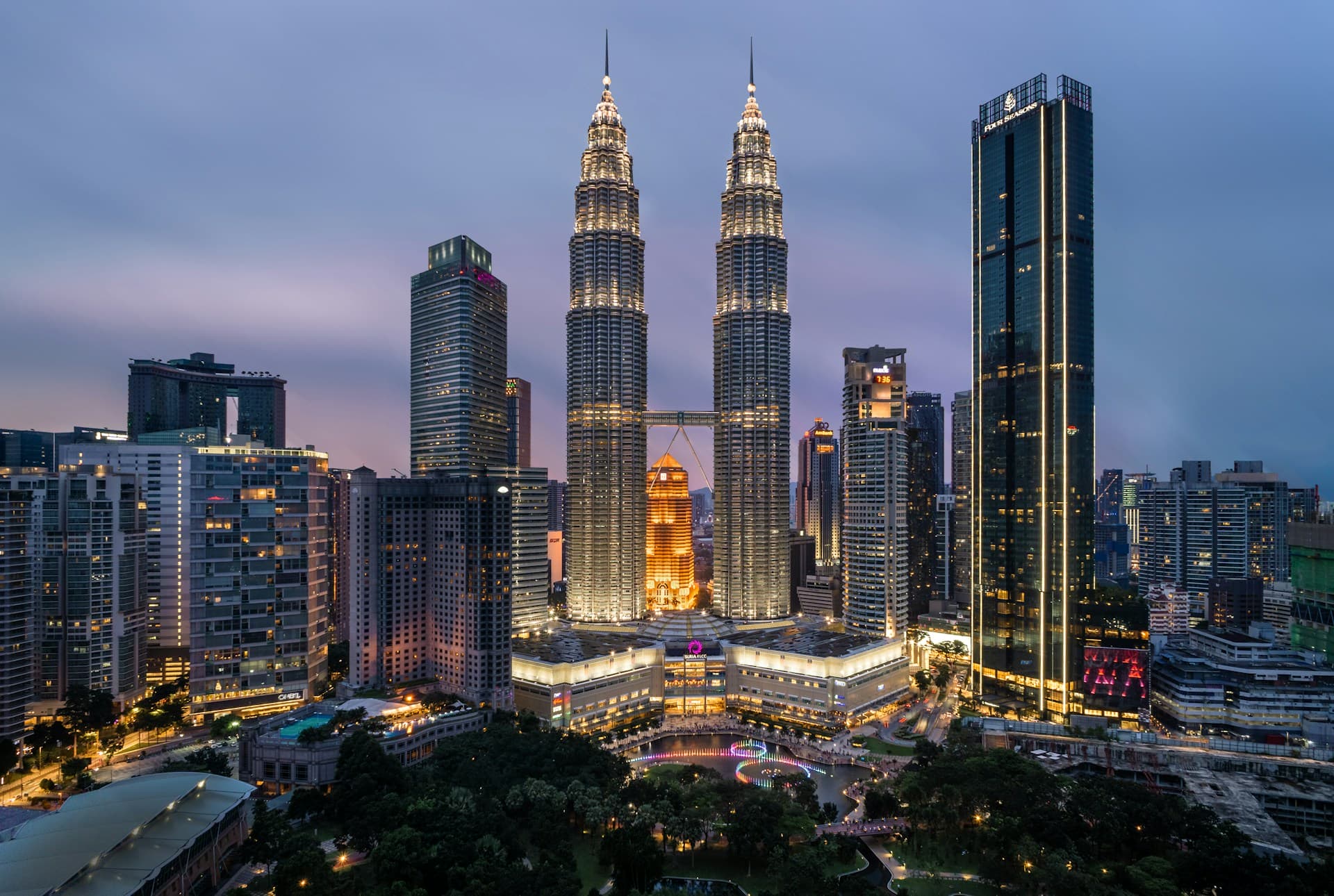
With a stronger Ringgit, Malaysia is emerging as one of Southeast Asia’s most compelling economic growth engines — underpinned by a powerful mix of tourism resurgence, industrial capability and resource strength. As a gateway city, Kuala Lumpur has seen a strong rebound in hospitality and travel, with international arrivals, hotel occupancy and premium developments gaining momentum as regional mobility normalises. Beyond tourism, Malaysia has cemented itself as a global pioneer in halal food production, leveraging established certification systems led by JAKIM to position its exports as trusted benchmarks across Muslim-majority markets worldwide. At the same time, the country’s deep reserves of natural resources — from oil and gas to palm oil — continue to provide a stable economic backbone, anchored by national champions like Petronas. Together, these pillars are shaping a diversified and increasingly resilient economy, reinforcing Kuala Lumpur’s rise as a dynamic hub for investment, trade and regional growth.
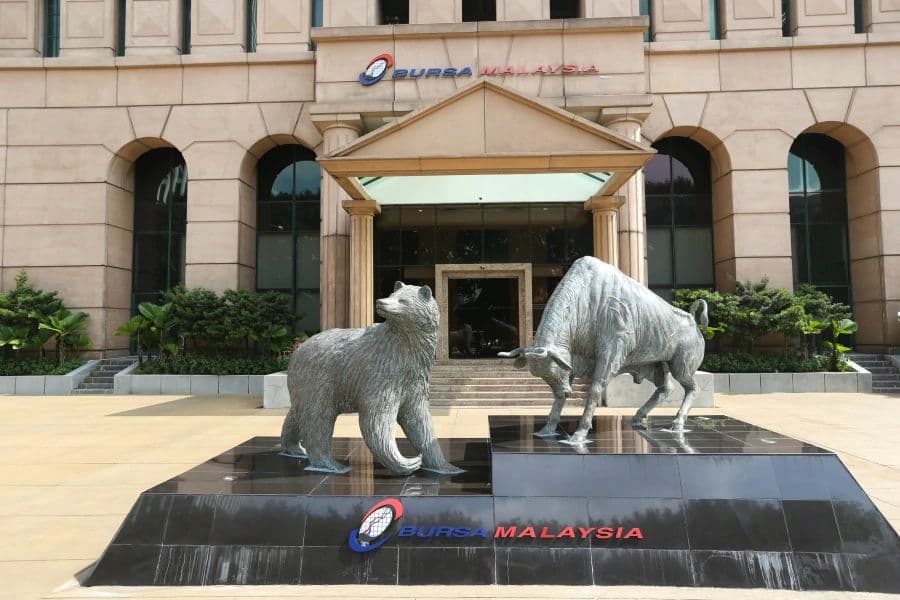
While regional markets continue to navigate volatility, Bursa Malaysia has emerged as a key barometer of the country’s underlying economic resilience. Headquartered in Kuala Lumpur, Bursa Malaysia is the main stock exchange of Malaysia and is home to thousands of publicly traded companies, spanning sectors such as finance, consumer goods, industrials, utilities and commodities. The exchange’s flagship benchmark index is the FTSE Bursa Malaysia KLCI (FBM KLCI), which tracks the performance of the 30 largest companies by market capitalisation — underscoring the depth of its corporate landscape, while improving trading activity and earnings recovery signal renewed participation. Supported by a macroeconomic expansion of approximately 4.9 percent in 2025 and sustained domestic demand, Bursa Malaysia is increasingly being positioned by institutional and regional investors as a strategic entry point into Southeast Asia’s evolving growth story. LUXUO highlights key Malaysian markets and industries driving this momentum.
Cost Competitiveness & Investment Appeal
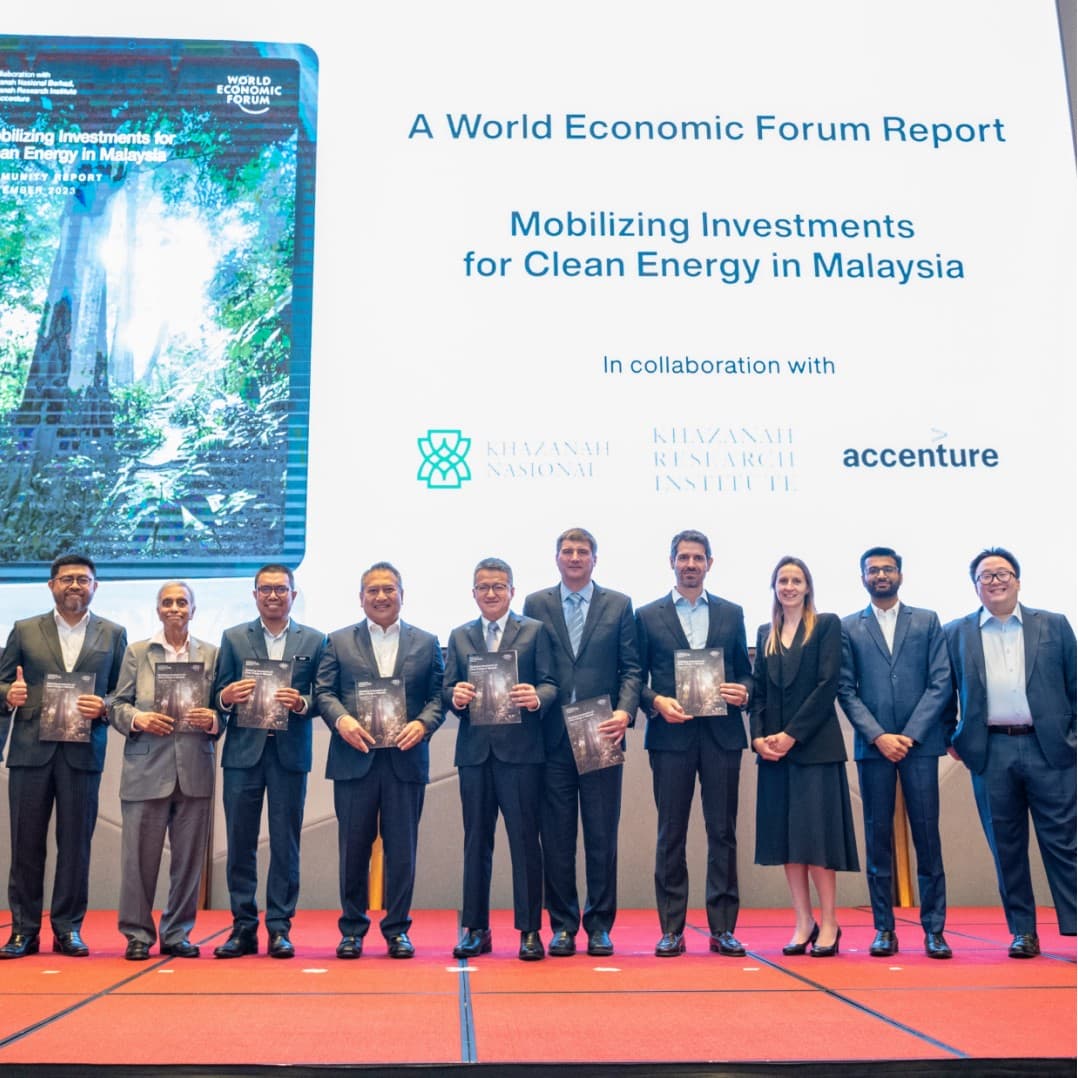
Investor interest in Bursa Malaysia is reinforced by a broad mix of capital inflows across institutional, private and retail segments. Sovereign wealth fund Khazanah Nasional continues to deploy capital into strategic domestic assets — particularly in infrastructure, utilities and technology transformation — while Singapore-based investors such as GIC and Temasek Holdings are increasing exposure to Malaysian mid-cap equities to capture ASEAN growth. At the same time, family offices from Hong Kong, Singapore and the Middle East are selectively allocating into sectors including technology services, consumer goods and integrated utilities, complemented by rising participation from ESG-focused funds targeting financial institutions and energy players with credible transition frameworks. This momentum is further supported by growing retail inflows from markets such as Singapore, Australia and Europe, facilitated by digital brokerage platforms providing access to Malaysian equities and ETFs.
Kuala Lumpur’s emergence as an investment destination is further supported by its underlying economic fundamentals. Malaysia benefits from a well-capitalised financial system and a deep domestic institutional investor base, both of which contribute to overall market stability and investor confidence. These structural strengths are increasingly relevant as businesses and investors seek resilient markets within Southeast Asia. At the same time, the country’s growth trajectory continues to be supported by domestic demand and trade activity. Malaysia’s GDP expanded in the 4 to 5 percent range in 2025, with projections indicating continued growth of between 4 and 5 percent in 2026. This steady expansion, combined with strong household spending and export performance, reinforces Kuala Lumpur’s appeal as a cost-effective yet capable base for regional operations.
Tourism & Hospitality
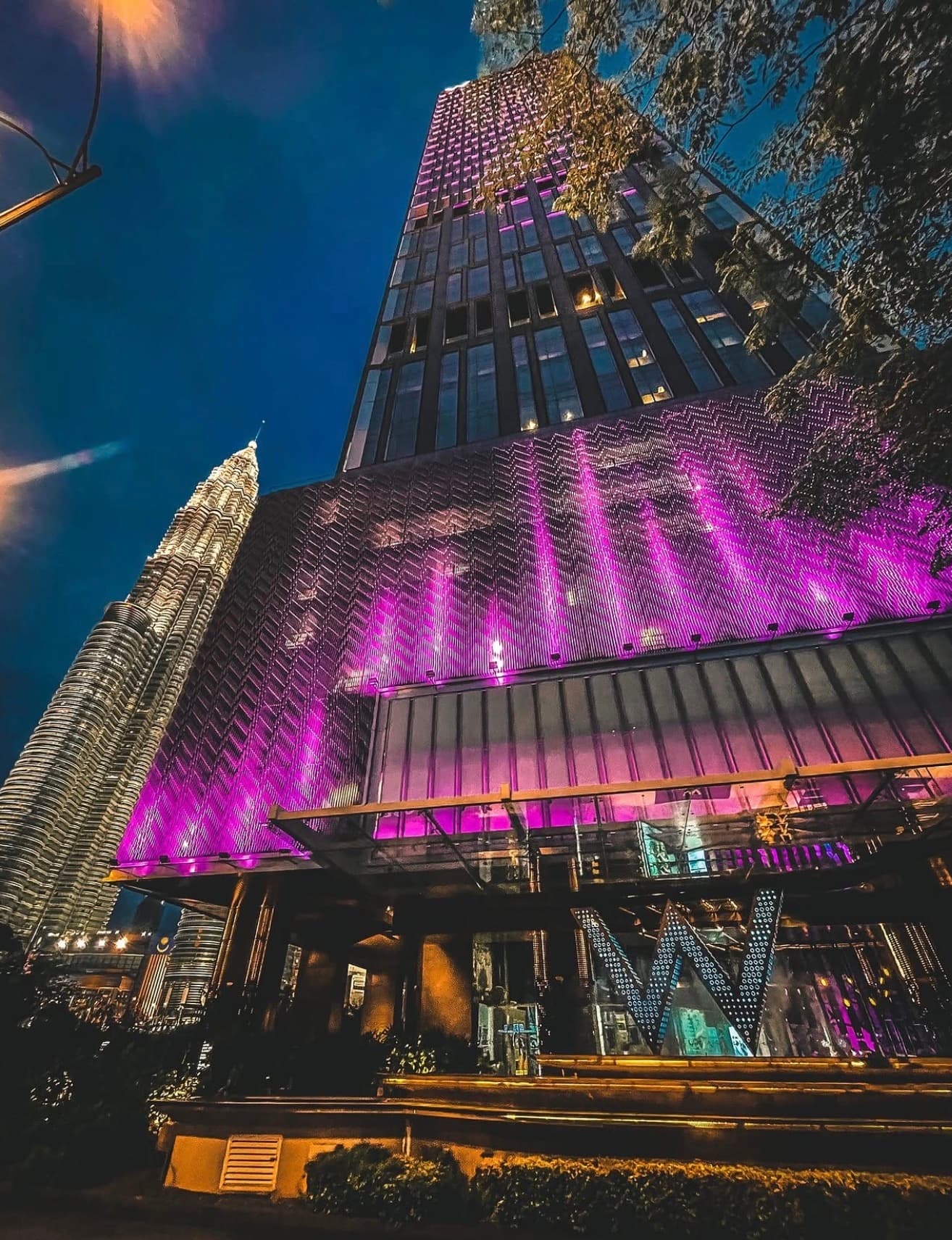
Kuala Lumpur’s tourism and hospitality sector is experiencing a sustained resurgence. The city’s hotel sector — from luxury brands to boutique operators — is benefiting from rising occupancy rates and higher spending tourists. Integrated developments, retail-tourism hubs and convention activity are further reinforcing Kuala Lumpur’s position as a key urban destination in Southeast Asia. Malaysia recorded approximately 38 million international visitors in 2024, marking a 31.1 percent year-on-year increase — with momentum continuing into 2025 as arrivals reached 24.5 million between January and July alone, up 16.8 percent compared to the same period the previous year. This recovery is translating directly into economic value, with tourism receipts reaching RM161.9 billion in 2025 year-to-date.
The sector’s contribution to the broader economy remains significant. Tourism accounted for 15.1 percent of Malaysia’s GDP, equivalent to RM291.9 billion and was projected to contribute RM332 billion — or 11.3 percent of GDP — in 2025. The industry is also a major employment generator, with an estimated 3.5 million jobs supported across the travel and tourism ecosystem. This combination of rising visitor volumes, increased spending and strong GDP contribution is underpinning continued investment into Kuala Lumpur’s hospitality landscape, particularly across premium and integrated developments.
Read More: 8 Luxury Hotels Set to Open in Malaysia’s Klang Valley
A Global Leader in the Halal Economy

Malaysia has established itself as a pioneer in the global halal ecosystem, with Kuala Lumpur serving as its commercial and regulatory nucleus. Standards set by JAKIM are widely recognised as among the most stringent globally, giving Malaysian halal exports a strong competitive edge. Beyond food production, the halal economy now spans pharmaceuticals, cosmetics and logistics — positioning Malaysia as a key supplier to the fast-growing global Muslim consumer market. According to Bernama, the country’s halal exports reached RM61.8 billion in 2024, reflecting a 15 percent year-on-year increase and underscoring growing international demand for certified products. Beyond exports, the sector plays a substantial role in the domestic economy, contributing RM149 billion to Malaysia’s GDP in 2025.
This growth is supported by clear national targets, including ambitions to reach RM80 billion in halal exports and to increase the sector’s contribution to 11 percent of GDP. Malaysia’s leadership position is further reinforced by its consistent ranking as one of the world’s top halal economies for ten consecutive years. This sustained dominance reflects not only scale but also the global credibility of its certification systems, which continue to serve as a benchmark for halal standards across international markets.
Read More: How Ramly Burger Built a Malaysian Food Empire
Natural Resources as an Economic Backbone
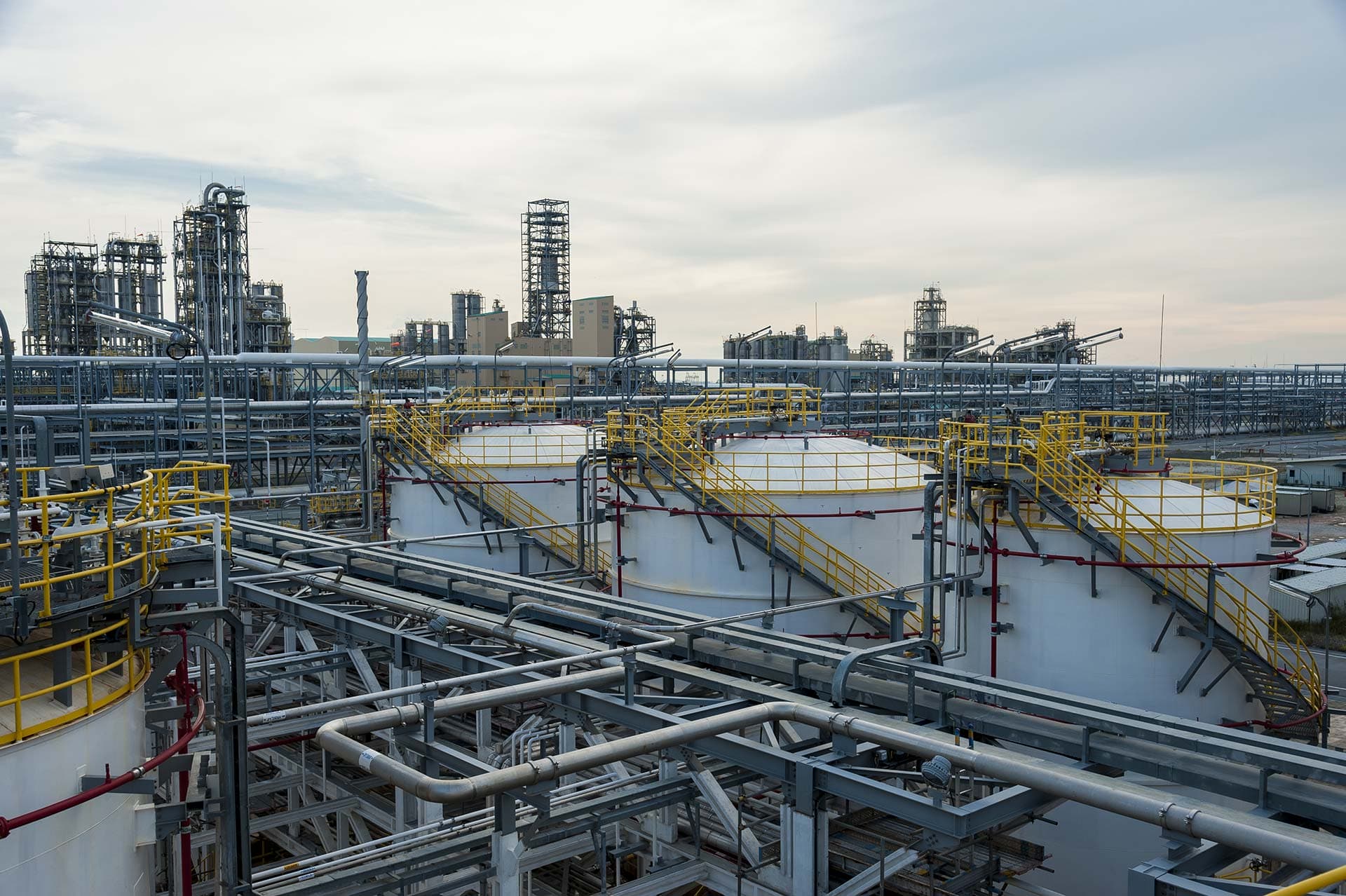
Energy-linked firms such as Petronas Chemicals Group have faced earnings pressure amid volatility in the oil and gas cycle, while conglomerates like YTL Corporation and YTL Power International reflect mixed performance as segments recalibrate post-cycle peaks. In contrast, financial institutions such as Public Bank Berhad continue to act as bellwethers for domestic consumption and credit conditions.
Despite the country’s ongoing diversification into services and high-value sectors, Malaysia’s natural resource base remains a critical pillar of economic stability. As a net energy exporter, the country is structurally positioned to buffer external shocks, particularly during periods of global volatility. Revenues generated from oil and gas exports continue to support fiscal stability while reinforcing Malaysia’s position within global energy markets.
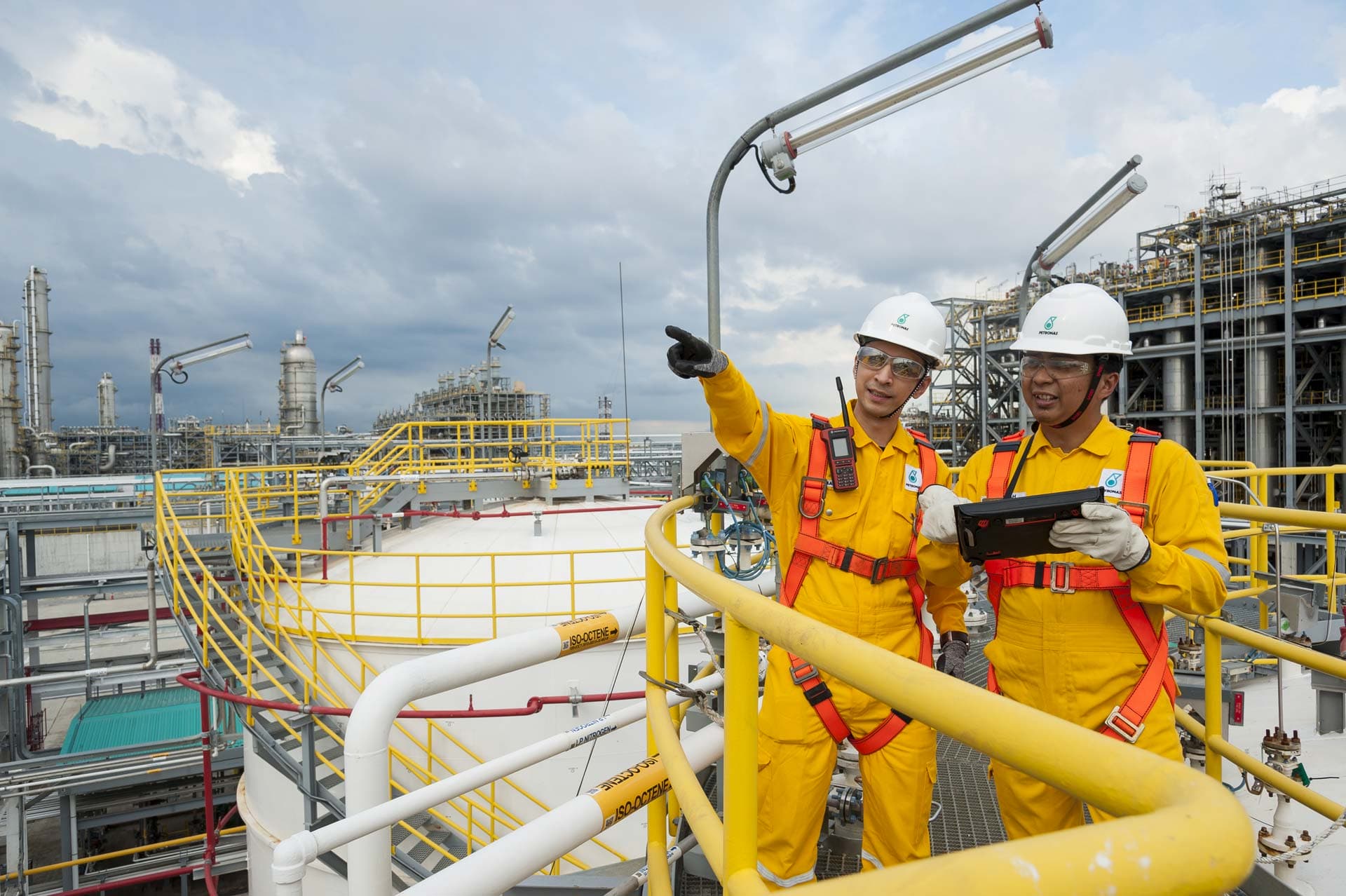
This resource strength provides a foundational layer to the broader economy, enabling sustained investment and long-term development. It also complements the country’s growth in other sectors, ensuring that while Kuala Lumpur evolves into a services and investment hub, it remains supported by tangible, export-driven industries.
Read More: Malaysia’s Economy: Pockets of Growth in a Volatile Landscape
Diplomatic Relationships & Domestic Consumption
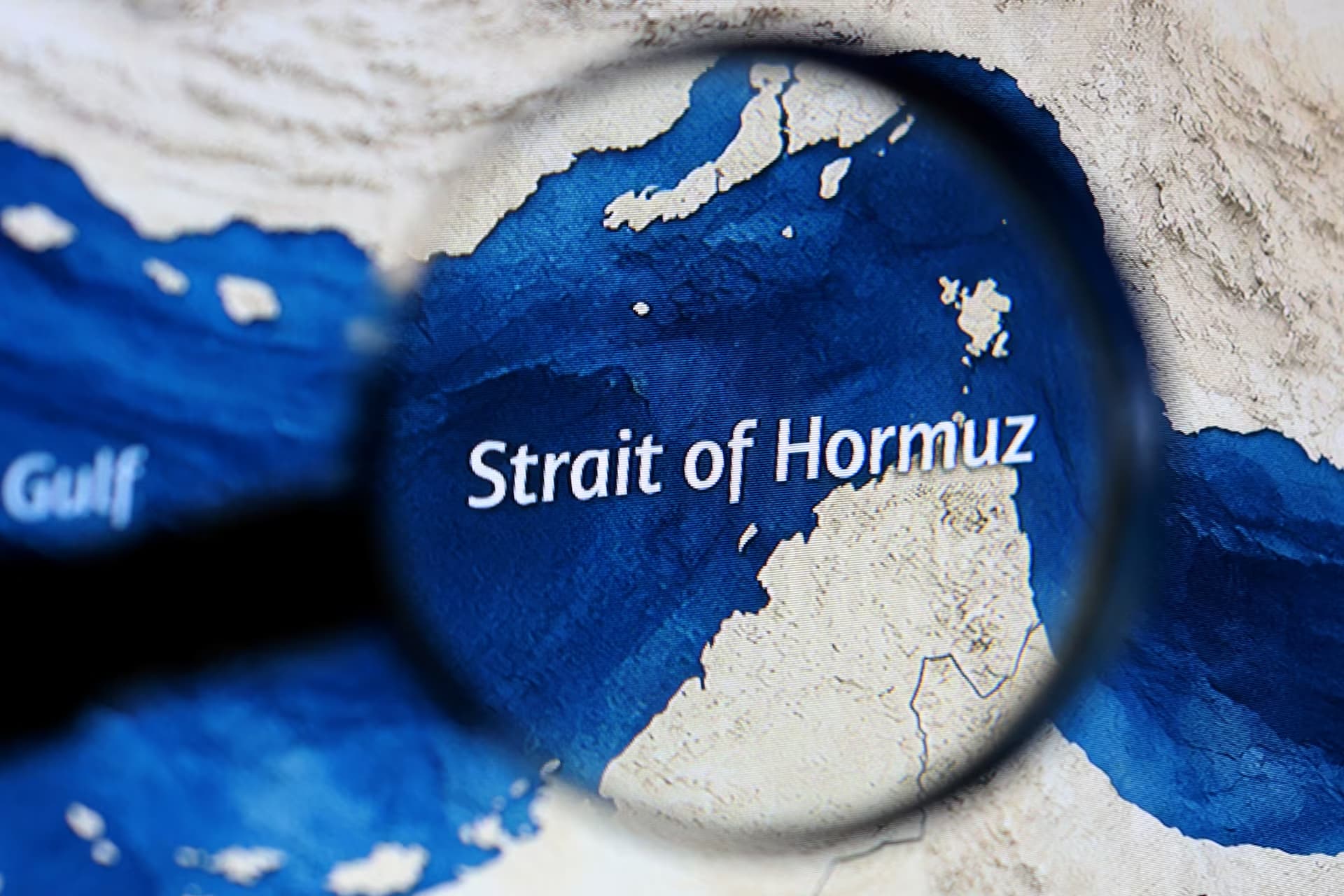
By maintaining diplomatic ties with Iran while upholding its non-aligned foreign policy stance, Malaysia has secured critical maritime access where other countries face restrictions, maintaining its domestic price stability more effectively. Malaysia’s Prime Minister Anwar Ibrahim announced that Iran has granted Malaysian ships early clearance to pass through the Strait of Hormuz, which has been effectively restricted amid the ongoing conflict involving the United States and Israel and tensions with Tehran.
Read More: Opinion: Why Students from China Are Picking Malaysia Over Traditional Destinations

The strait — a critical global energy route handling roughly one-fifth of the world’s oil and LNG — has faced disruptions, though Malaysia has managed some relief through diplomatic engagement. Prime Minister Anwar Ibrahim stated that efforts are ongoing to secure the release of Malaysian oil tankers and crew, though details remain unclear. Despite being a net energy exporter through Petronas, Malaysia still imports about 70 percent of its crude oil from the Gulf, leaving it exposed to supply shocks. In response, the government is introducing fuel conservation measures, including reduced petrol subsidies and increased work-from-home arrangements for civil servants. Anwar warned that the disruption will impact food, fertiliser and energy prices, contributing to broader inflationary pressures. While Malaysia is relatively better positioned than some countries, it is not immune to the global energy crisis.
Domestic consumption remains a key pillar of Malaysia’s economic resilience, with household spending identified as one of the primary drivers of GDP growth. This consistent internal demand provides a stabilising force alongside external sectors such as exports and tourism, helping to sustain economic momentum even amid global uncertainty. As Kuala Lumpur continues to develop as an urban and commercial centre, this balance between domestic consumption and international inflows is shaping a more diversified and resilient economic model, supporting its broader positioning as a regional hub for investment and growth.
For more on the latest in global economic and business reads, click here.
 English (US)