
.jpg) 3 hours ago
3
3 hours ago
3
Apr 04, 2026, 12:29:12 PM IST

Commodity-based ETFs have slipped up to 15% in March, with silver leading the losses. There were 43 commodity-based ETFs that delivered negative returns in March. Here are the top five losers (Source: ACE MF).
ThinkStock Photos

The downturn began with the widespread unwinding of leveraged positions as investors booked profits. The subsequent escalation in the US-Iran conflict pushed oil prices sharply higher, stoking inflation concerns. This, in turn, led to tighter global liquidity conditions and a stronger US dollar, while a falling surplus in parts of the Middle East further weighed on gold prices, according to a report by Axis Mutual Fund.
ETMarkets.com
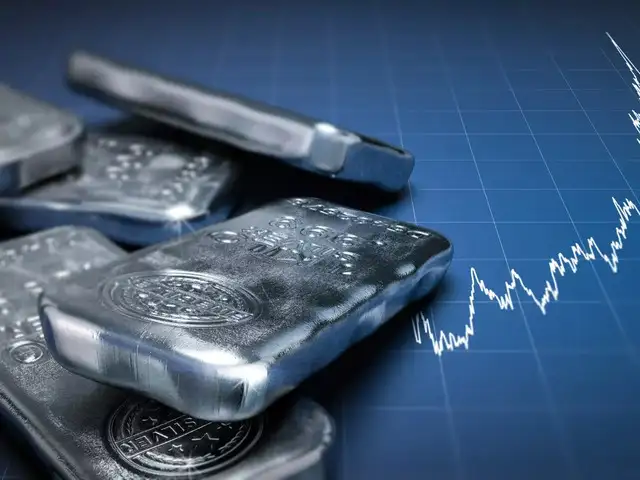
UTI Silver ETF posted the steepest decline in March, delivering a negative return of around 14.72%.
iStock

4/8
Next four with 13% decline
Four silver ETFs, DSP Silver ETF, Aditya Birla SL Silver ETF, Zerodha Silver ETF and HDFC Silver ETF, delivered negative returns of 13.96%, 13.85%, 13.81% and 13.81% respectively in March.
ET Online

The other 13 silver ETFs delivered negative returns ranging between 11% and 13.80% in March.
ETMarkets.com
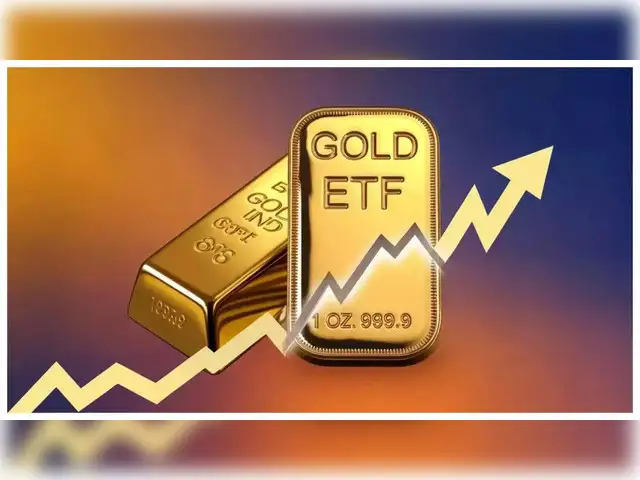
There were 25 gold ETFs that delivered negative returns ranging between 7.17% and 9.54% in March.
ETMarkets.com

7/8
What happened in mid-March
In mid-March, Fed Chair Jerome Powell signalled that the oil shock was an “energy-driven inflation tax” requiring interest rates to stay higher for longer. Signs of tightening dollar funding appeared, reinforcing the view that cash dollars were in high demand, which removed the liquidity tailwinds that had buoyed gold and instead created headwinds from a strengthened dollar and a resolutely hawkish policy outlook, the report by Axis Mutual Fund said.
The result was a crash in precious metals by mid-March. Gold dropped over 10% in a week, its steepest weekly fall since 1983, and silver plunged more than 15% in the same week. At the same time, a previously supportive trend began to reverse. After two years of accumulation, central banks slowed their gold purchases in early 2026, and gold-backed ETFs saw net outflows for several consecutive weeks.
TIL Creatives
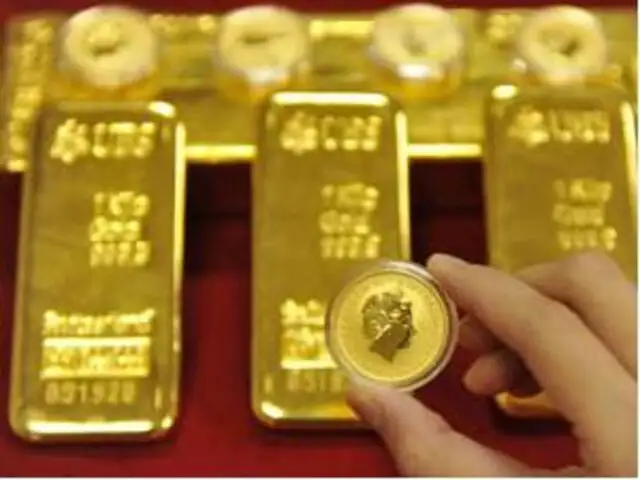
As of 24 March 2026, gold trades around the mid-$4,000s per ounce, having erased its gains for the year. There are early signs of bargain-hunting. Speculative positions have started to build again, anticipating a comeback. However, the outlook will depend on how the global macro environment evolves. In the near term, much hinges on liquidity, inflation and central banks, the report said.
ETMarkets.com
 English (US)