
.jpg) 2 hours ago
3
2 hours ago
3
Sighting a “psychological contagion”, US Federal Reserve Governor Michael Barr has warned that rising risks in the private credit market could spill into broader financial instability if investor sentiment shifts.
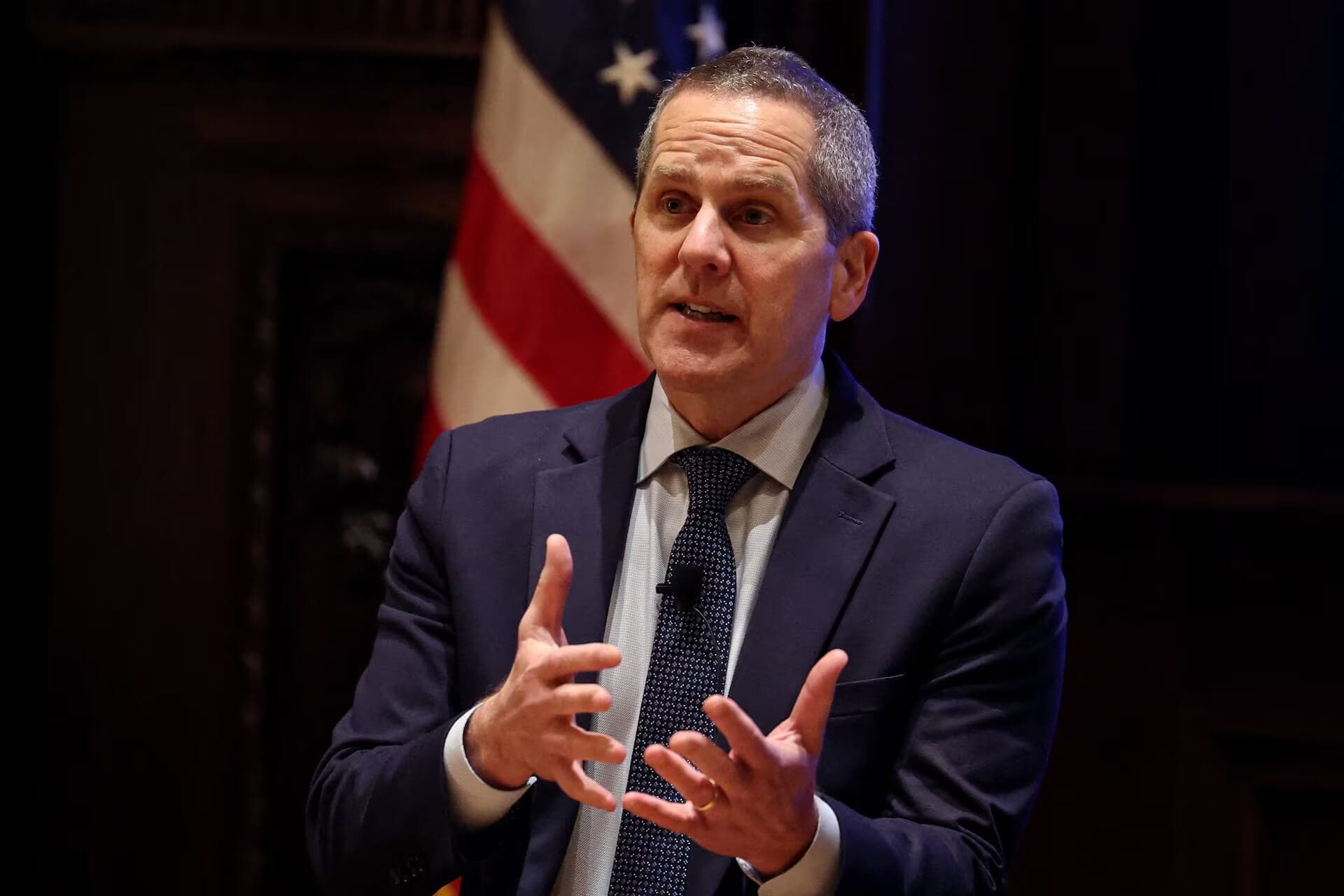
US Federal Reserve Governor Michael Barr has cautioned that vulnerabilities in the fast-growing private credit market could — under certain conditions — trigger broader instability across the financial system, particularly if investor sentiment begins to shift. In an interview with Bloomberg News, Barr stressed that while current direct linkages between banks and private credit funds do not yet appear significantly concerning, the greater risk may lie in how market participants interpret signs of stress in isolation. His comments come amid a broader regulatory debate in Washington over the size of the Federal Reserve’s balance sheet and the resilience of post-crisis liquidity rules, with Barr arguing that weakening such safeguards could heighten systemic risk rather than reduce it.
He warned that financial shocks in one corner of the credit ecosystem could be misread as evidence of wider systemic weakness, potentially amplifying pressure across other lending channels. According to Barr, the risk is not only structural but psychological in nature. Investors — he suggested — may struggle to distinguish between isolated weaknesses and systemic deterioration, which could lead to what he described as a form of “psychological contagion” across credit markets. In such a scenario, stress in private credit could spill over into corporate bond markets and broader lending conditions, potentially triggering a pullback in credit availability.

He also pointed to areas of growing interconnectedness between private credit and other parts of the financial system — including insurance-linked exposure — as emerging points of attention for regulators.
Barr has been among the more vocal Federal Reserve officials in warning about the risks building within private credit, a market that has expanded rapidly in recent years alongside increasing participation from institutional investors and major Wall Street lenders. While supporters argue the sector improves capital access for corporate borrowers, regulators have expressed concern about opacity, leverage and liquidity mismatches in parts of the market.

One specific area of concern, Barr noted, is the use of payment-in-kind structures, where interest obligations are effectively deferred and added to principal rather than paid in cash. He warned that such mechanisms can obscure underlying credit stress, making it more difficult for investors and regulators to accurately assess loan performance.
Broader concerns raised by Barr also extend to calls for easing bank liquidity requirements in the United States. He has described such proposals as short-sighted, arguing that regulatory buffers introduced after the global financial crisis were designed to prevent precisely the kind of systemic strain that can emerge during periods of market stress.
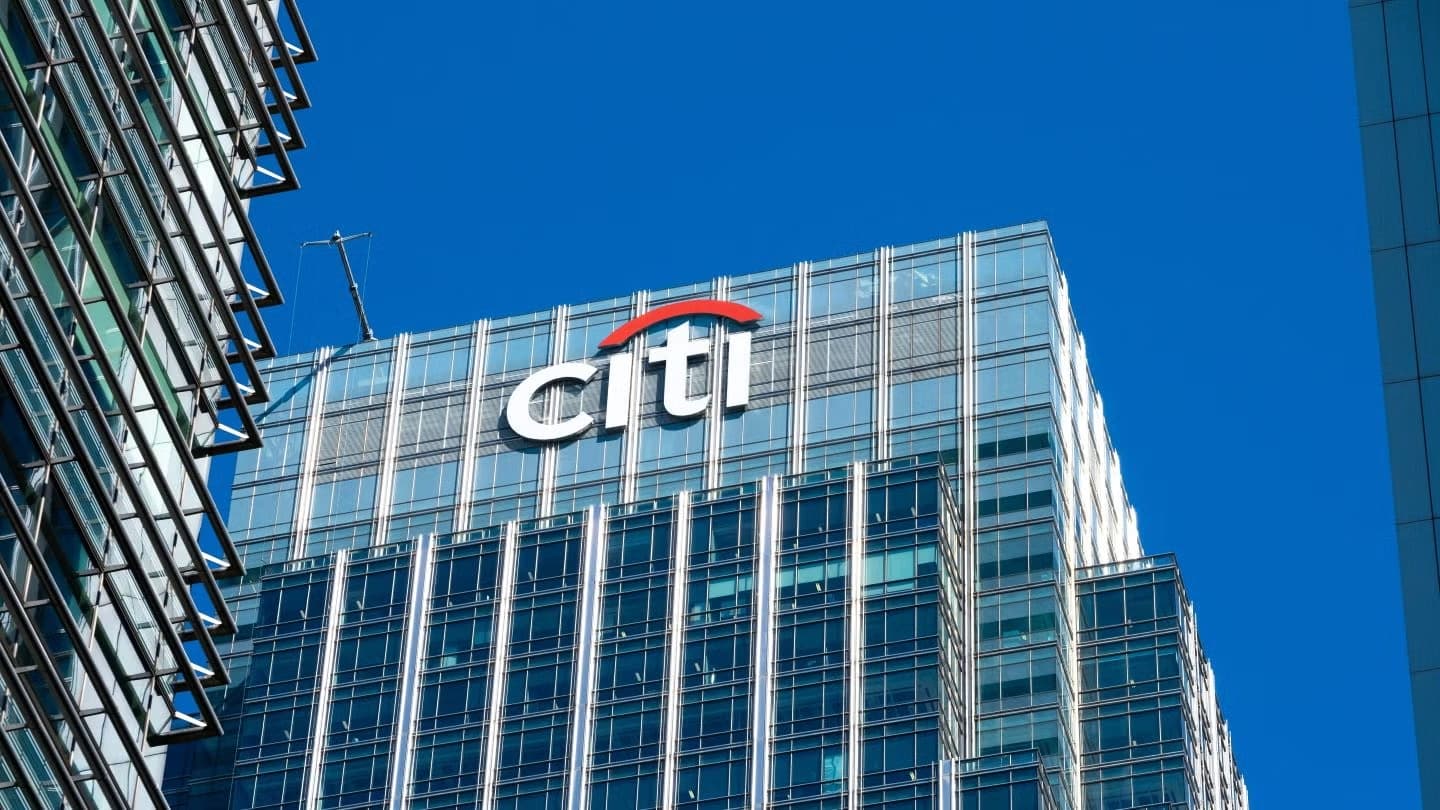
His remarks come at a time when traditional financial institutions are increasingly engaging with private credit markets. For example, Citigroup has recently partnered with BlackRock-backed HPS Investment Partners on a multi-billion-dollar private credit programme targeting corporate borrowers across Europe, the UK and parts of the Middle East. The move reflects growing demand from institutional clients for tailored financing solutions outside traditional bond and syndicated loan markets even as regulators warn that deeper bank-fund interlinkages could complicate the transmission of financial stress across asset classes.
Despite this expansion, Barr has warned that the rapid growth of private credit warrants careful monitoring, particularly as market participants continue to debate its transparency and resilience through economic cycles.
While he acknowledged that the US banking system remains broadly sound, Barr cautioned that the gradual erosion of safeguards could create longer-term vulnerabilities. He suggested that the consequences of loosening oversight may not be immediate, but could become more apparent over time if financial conditions tighten.
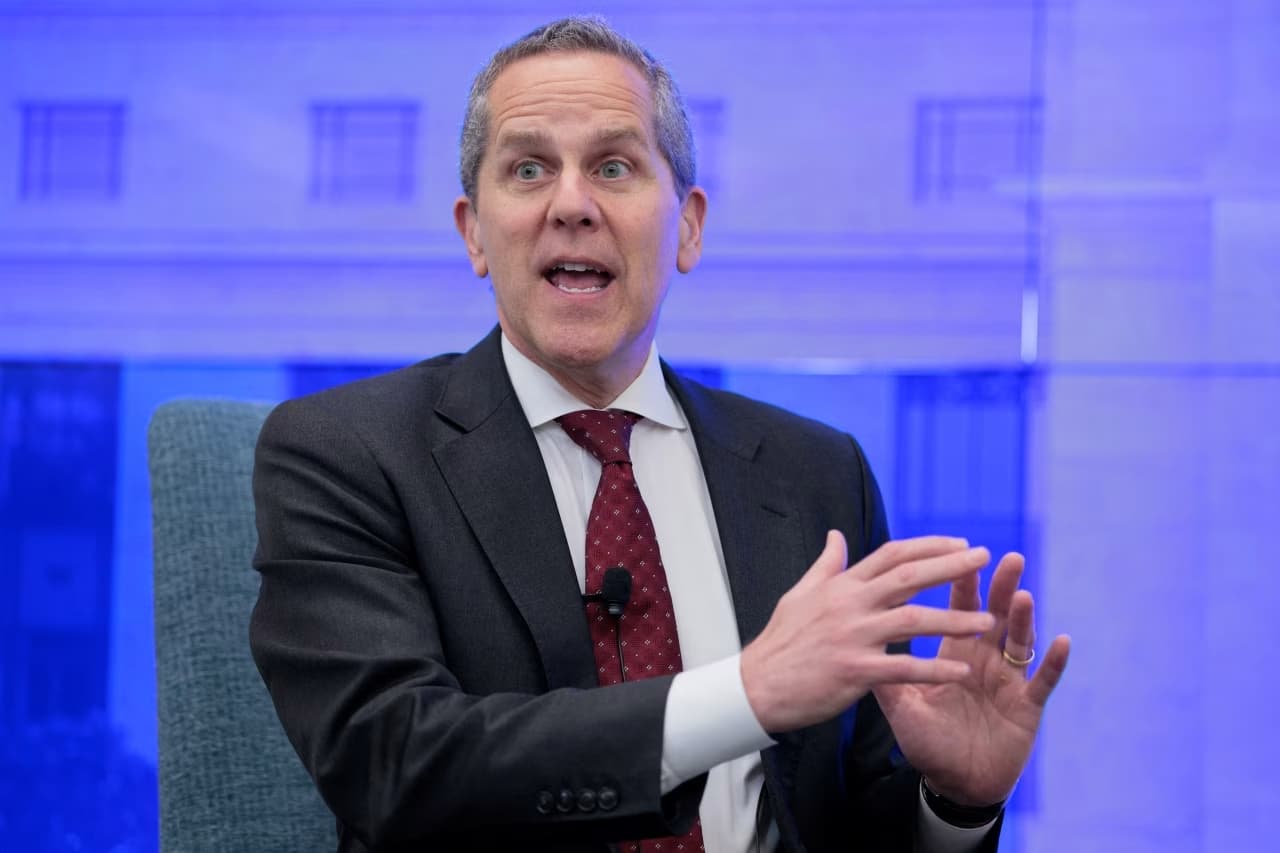
Barr has also recently pushed back against proposals to ease bank liquidity requirements in order to shrink the Federal Reserve’s balance sheet, arguing that such measures could undermine financial stability and force banks to rely more heavily on central bank support during periods of stress. He has described the current post-crisis regulatory framework as broadly effective, warning that attempts to reduce the Fed’s “footprint” in financial markets risk weakening the very buffers designed to absorb shocks during episodes of economic volatility.
For more on the latest in business and luxury reads, click here.
 English (US)