
.jpg) 1 hour ago
1
1 hour ago
1
Environmental pollution is linked to several mental health disorders in Europe, the European Environment Agency (EEA) warned Tuesday, arguing that enforcing legislation would result in Europeans being both less depressed and less anxious.
Air, noise, and chemical pollution are to blame in particular, according to the EU agency.
"Studies consistently indicate that air pollution, for example, in the form of fine particulate matter (PM2.5) and nitrogen dioxide (NO2), is associated with depression and depressive symptoms," the agency noted in a report.
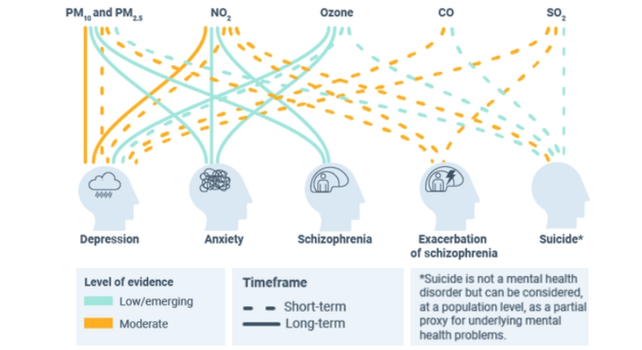 Notes: abbreviations: PM2.5 = particulate matter with a diameter under 2.5 micrometres; PM10 = particulate matter with a diameter under 10 micrometres; NO2 = nitrogen dioxide; SO2 = sulphur dioxide; CO = carbon monoxide. Source: comprehensive review of the literature, with a particular focus on systematic reviews and meta-analyses carried out by the European Topic Centre on Human Health and the Environment (ETC HE, 2026).
Exposure to lead, endocrine disruptors, and other chemical substances, especially in "developmental life phases, may increase the risk of mental health issues later in life," it added.
Furthermore, noise pollution, from air and road traffic, may be linked to an increased risk of depression and anxiety, particularly for vulnerable people.
"Progress towards zero pollution targets can deliver co-benefits for mental health and well-being," the EEA said.

Moreover, nature-based solutions offer scientifically proven benefits for people suffering from mental disorders, by reducing stress, anxiety, and depression, and by improving overall well-being through contact with nature, it said.
Related: The Link Between Air Pollution And Alzheimer's Is Now Clearer Than Ever
According to the EEA, mental health disorders accounted for the sixth "largest burden" of disease in the European Union in 2023 and were the eighth leading cause of death.
 English (US)