
.jpg) 1 hour ago
2
1 hour ago
2
From the Winter Olympics to the FIFA World Cup, luxury fashion’s participation in sporting events affirms its cultural relevance and expands its commercial scale.
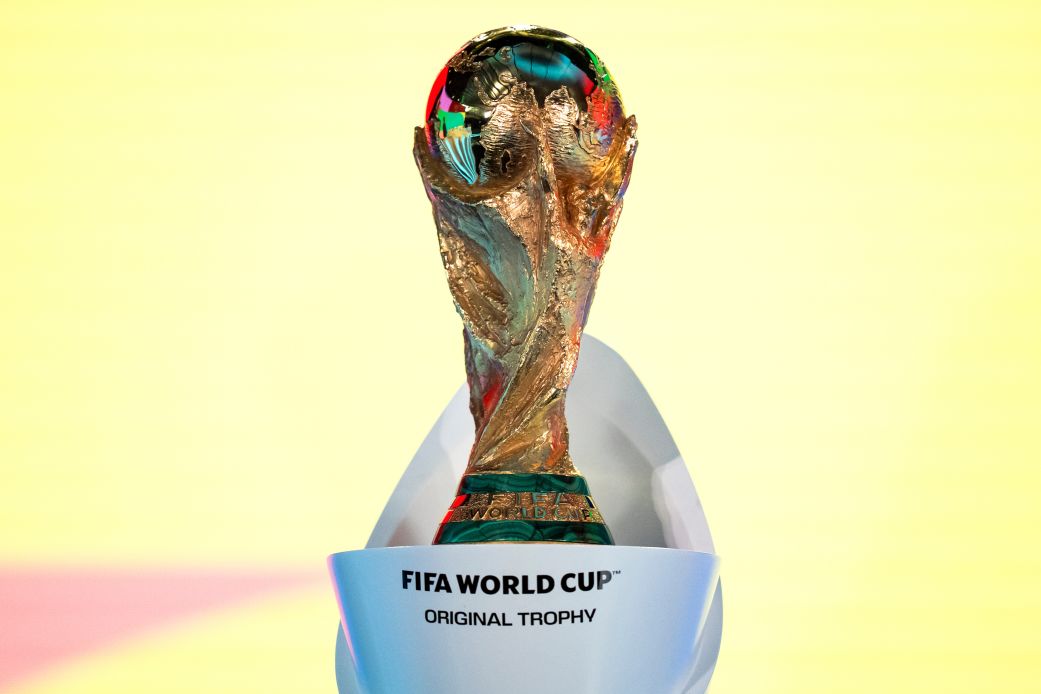
Luxury’s relationship with sport is becoming increasingly strategic. Rather than engaging with grassroots athletics, houses are concentrating on high-profile global competitions. The 2026 FIFA World Cup and the Milan–Cortina Winter Olympics provide sustained visibility and international attention that traditional fashion platforms cannot replicate. These tournaments generate months of cultural focus across continents and demographics.
For luxury brands, the opportunity lies in association rather than outfitting performance gear. Trophy presentations, medal ceremonies, hospitality suites and limited-edition capsules allow Maisons to embed themselves within moments of achievement without competiting technical sportswear brands on the market. This approach reframes sport as a holistic branding ecosystem rather than catering to a single product category like performance apparel or technical sportswear. Going beyond the supply of functional kit — 2026 will see how luxury engages with elite athletes, global tournaments and high-profile sponsorships to reinforce visibility and engage consumers with their lifestyle offerings.
Athletes as Luxury’s New Cultural Ambassadors
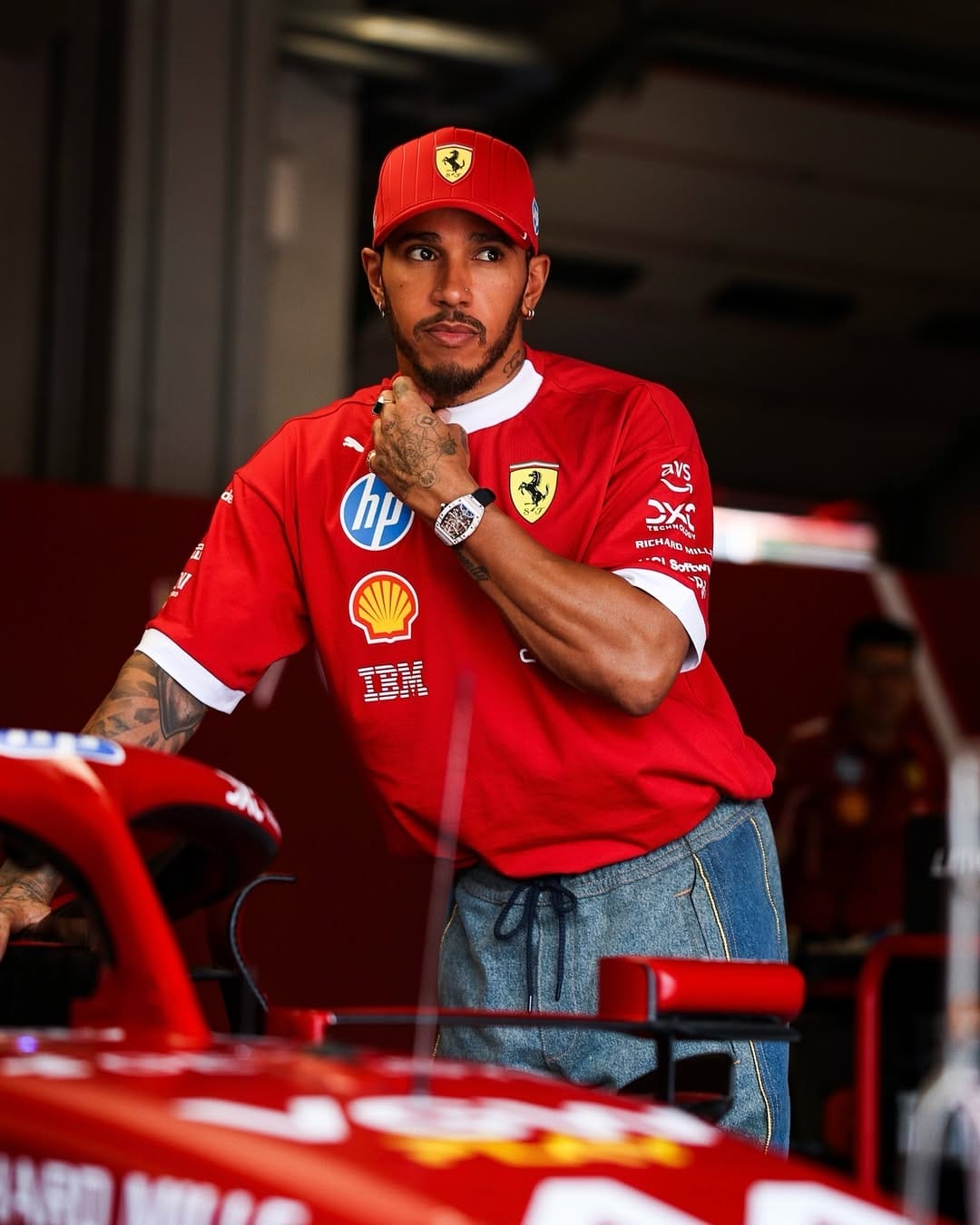
Athletes now occupy a central position in luxury marketing. The partnership between the luxury industry and athletes play into an athlete’s off the pitch charisma and global appeal over their medal count. Kylian Mbappé’s alignment with Dior and Lewis Hamilton’s partnerships with Louis Vuitton and Dior illustrate how houses prioritise individuals with global recognition while tennis elites aligned with luxury watches and tailoring embody a modern ideal of discipline and aspiration. Pre-match arrivals, tournament press appearances and off-duty dressing have become high-impact exposure points. The stadium “tunnel walk” now carries comparable weight to a red carpet.
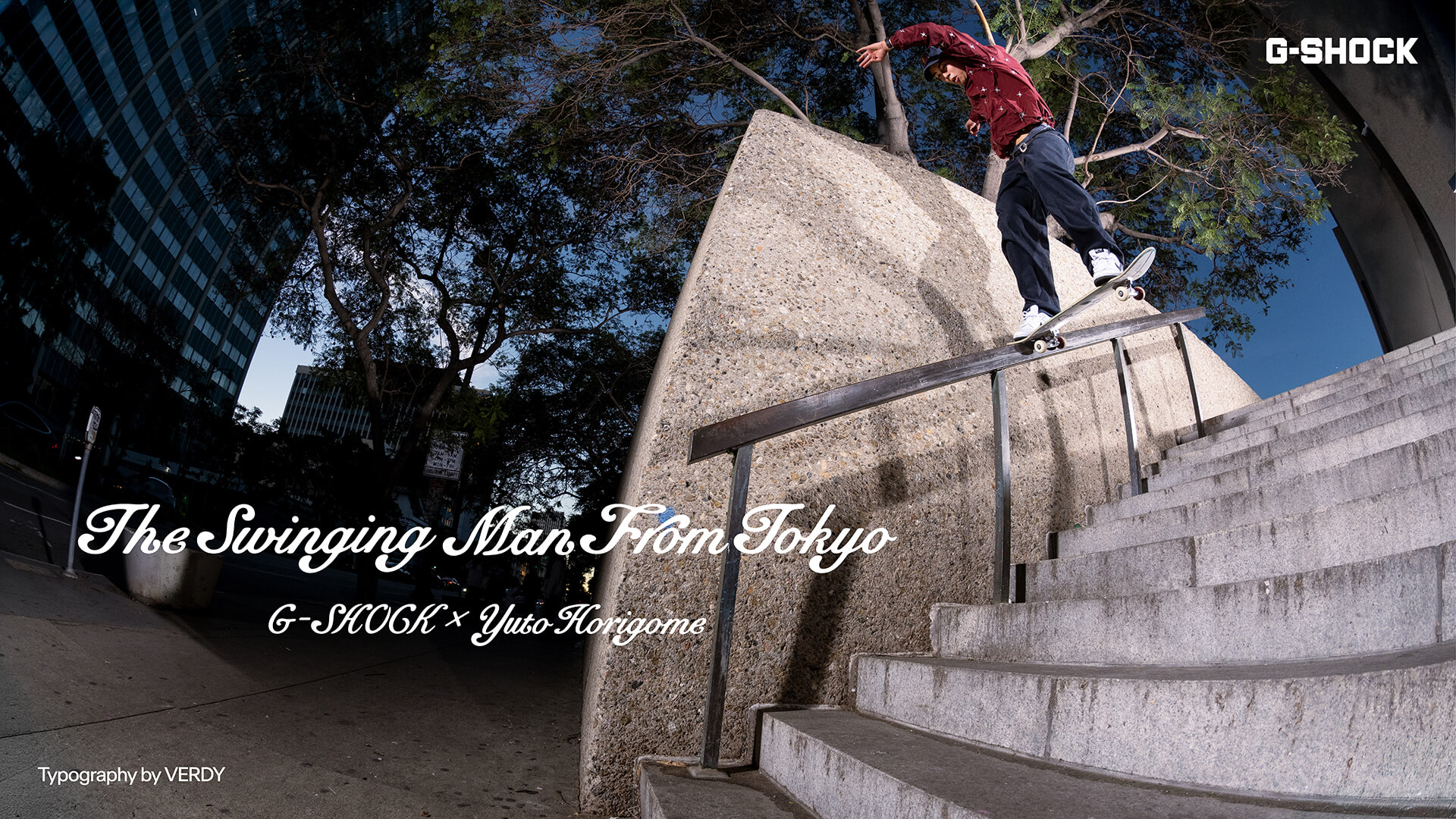
Japanese skateboarder and two-time Olympic champion Yuto Horigome joins G-SHOCK as a global ambassador, bringing his resilience, creativity, and forward-driving energy to a brand built on performance and style. “The partnership fuses sport, street culture, and design, connecting with a worldwide community of enthusiasts,” notes G-SHOCK.
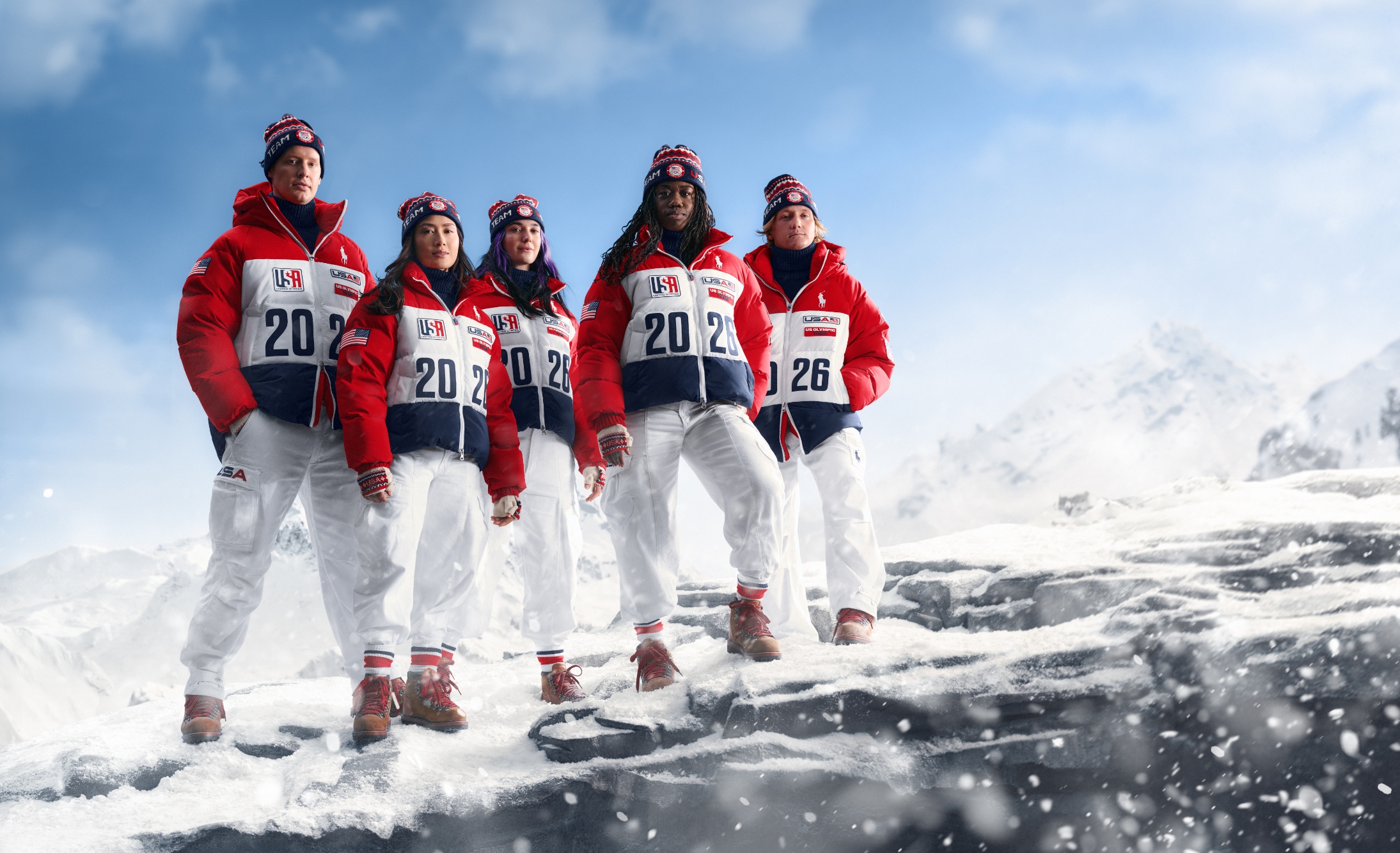 Ralph Lauren Team USA Closing Ceremony Uniform Milano Cortina 2026
Athletes also reinforce luxury’s messaging around meritocracy and earned status. As Esquire Singapore’s style director Asri Jasman notes, “athletes are often regarded as more grounded individuals than the glossy veneer of Hollywood and entertainment in general. There is also this more rugged sensibility due to the more physical nature of their craft. Not everyone can be as creative as an actor or a musician, but just about anyone can learn to pick up a sport”.
Case in point, Ralph Lauren marked its 10th consecutive Games outfitting Team USA which was unveiled at the Milano Cortina 2026 Opening and Closing Ceremony uniforms. The Opening look features a winter-white wool coat with heritage toggles and an American flag intarsia sweater, while the Closing outfit draws on vintage ski racing kits with a color-blocked puffer and patriotic accessories. Each piece is made in the U.S., reflecting Ralph Lauren’s commitment to craftsmanship while the broader Team USA collection extends the spirit of the Games into ready-to-wear apparel and accessories.
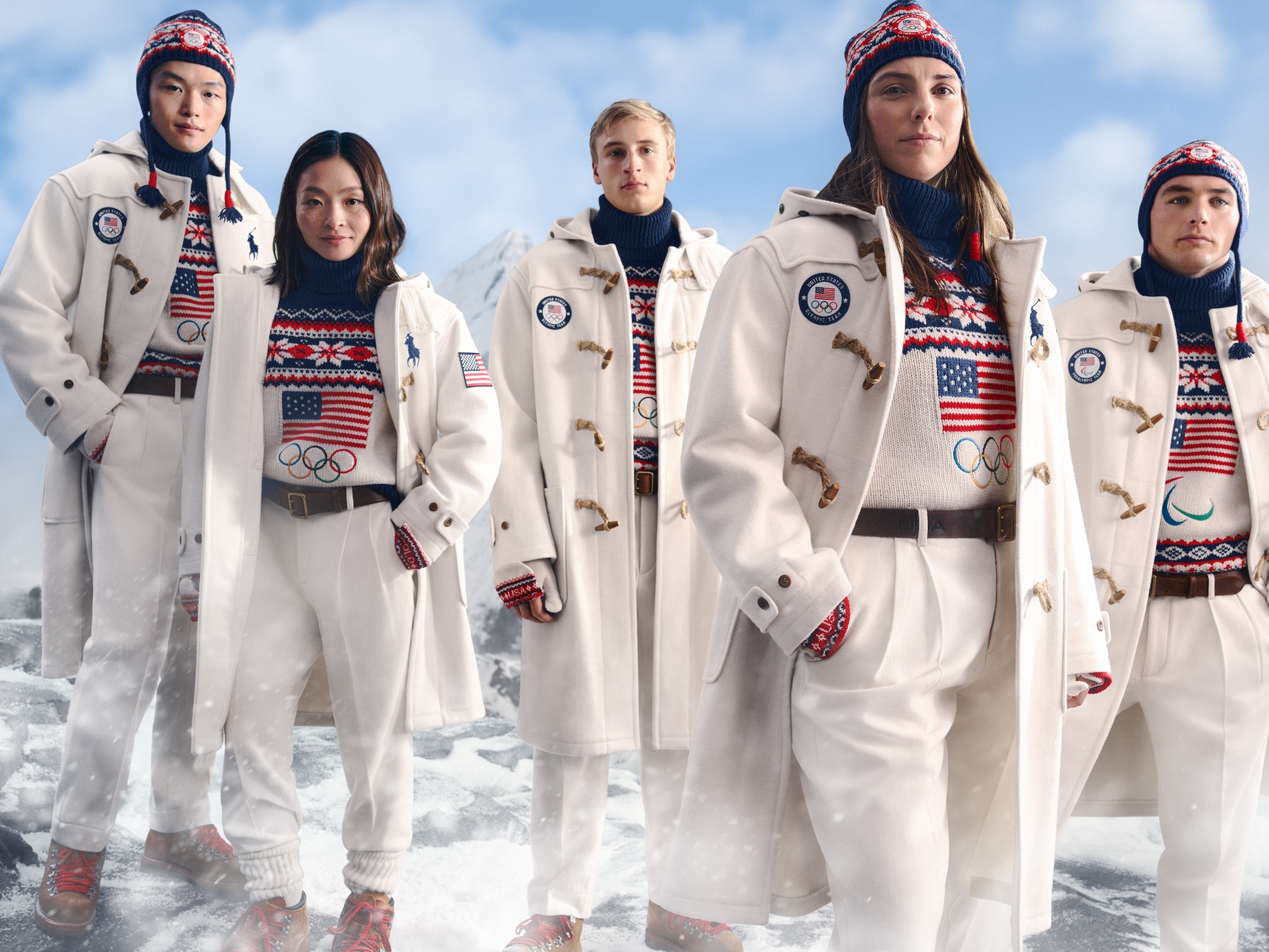 Ralph Lauren Team USA Opening Ceremony Uniform Milano Cortina 2026
 There is also something to be said by how consumers are increasingly disillusioned by over-curated influencer marketing and scripted celebrity endorsements. Athletes are seen today as more authentic “KOLs” (key opinion leaders) as they remove the element of staged messaging. Particularly in luxury watchmaking, the notion of “peak performance” messaging is often mirrored by an athlete’s own rhythms and rituals — how a diver times their breath, a sprinter measures split seconds, or a mountaineer tracks summit hours — embedding the watch in lived performance rather than abstract ideals.
Luxury Through Performance-Driven Design
Sports-inspired garments are now wardrobe staples. Pieces such as joggers, jersey-inspired streetwear, and technical fabrics blend seamlessly with casual and formal wear. This convergence between sports and fashion should not be confused with a return to athleisure. The shift is structural and product-led within luxury houses as they integrate functional performance into tailoring and outerwear without overtly adopting sportswear aesthetics. Luxury showcases how these pieces can be worn every day and use their own maison codes to highlight the utilitarian nature of pieces. Zegna’s technical fabrics, Loro Piana’s weather-resistant materials and Loewe’s ergonomic construction demonstrate how innovation can sit within formal silhouettes.
The emphasis is on garments that travel well, adapt to movement and retain structure. Sneakers, hybrid footwear and elasticated tailoring reflect sport’s influence but are framed through material innovation rather than logos or a function-first design approach as performance becomes embedded within craftsmanship. As Jasman suggests, where technical expertise is required, partnership remains essential. Function must be credible before it becomes aspirational. He states, “I think there is a need for luxury brands to realise that they inherently have zero expertise in any sporting arenas that they’re not familiar with. The answer then is to partner with sporting brands that have built their entire existence on catering to the needs of athletes and sports enthusiasts. The function has to come first before style (the luxury brand’s expertise) comes into play”.
As Grazia Singapore editor-in-chief Pakkee Tan observes, “What we’re seeing now feels less like another athleisure cycle and more like a structural shift in how luxury defines modern living. Sport is no longer positioned as separate from fashion — it is part of a broader lifestyle narrative that includes wellness and travel. The brands that succeed will be those that treat sport not as a trend to borrow from, but as a language that can evolve their identity”.
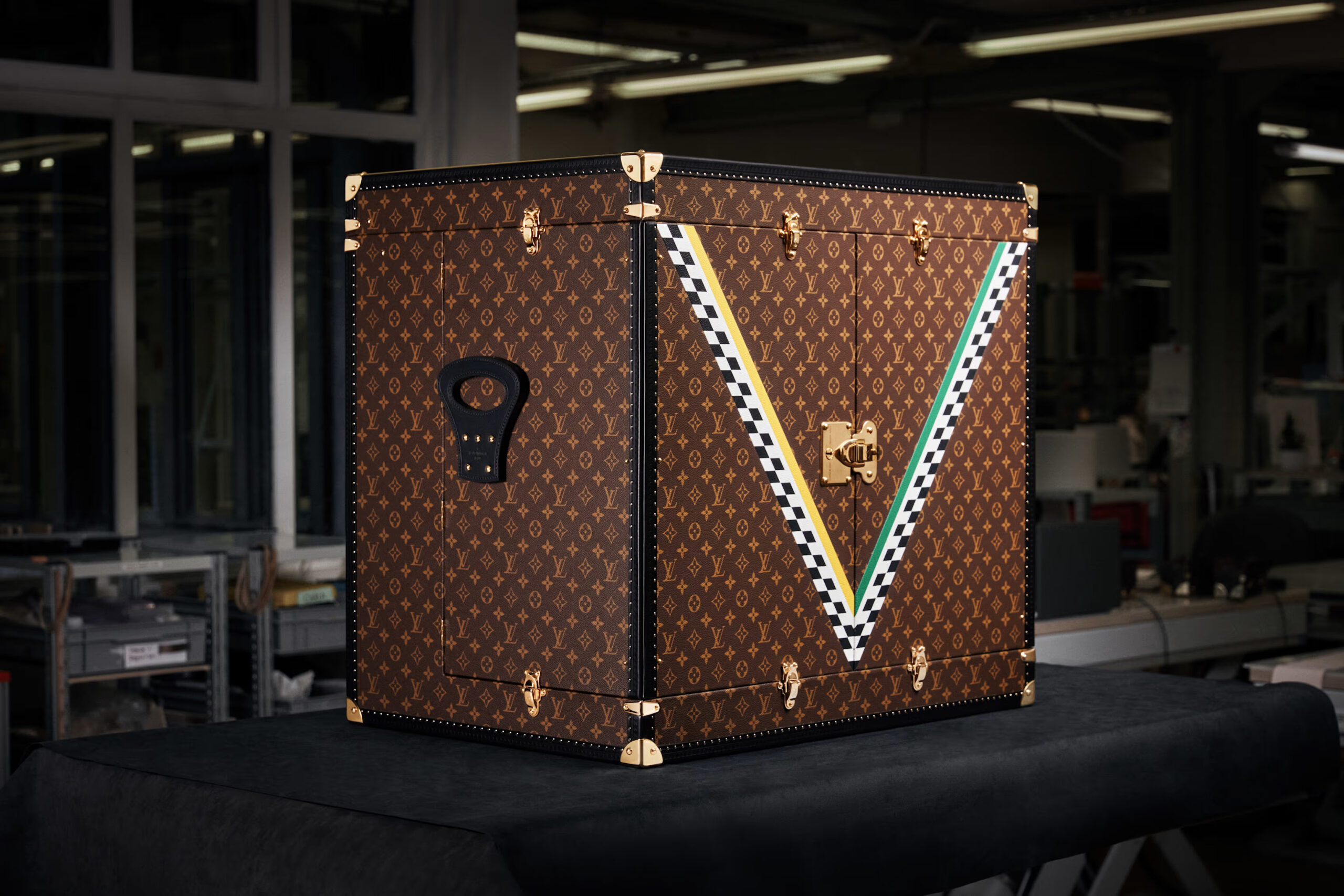
Strategic Collaborations & Focus on Brand Positioning
It is worth noting that luxury houses are not attempting to compete directly with Nike or Adidas or try to infringe on their market monopoly of the sporting sector. Instead, they are attaching their codes to sports by sponsoring elite competitions making them visible during ritualised moments of victory. Luxury houses are also increasingly leveraging the spectacle and global audience of competitions to position their brands beyond traditional advertising or seasonal collections.
Pakkee Tan notes, “global sporting events now function almost like cultural fashion weeks — they create moments of collective attention that luxury brands can’t ignore. The Olympics or World Cup aren’t just about performance; they’re about spectacle and storytelling. Houses are increasingly designing capsules, forging partnerships or creating ambassador moments that live far beyond the event itself, translating athletic prestige into long-term brand equity”.
There is also a growing recognition of female athletes as key cultural touchpoints. Tennis and golf remain primary entry points due to their long-standing associations with heritage and elite leisure. Tennis stars like Emma Raducanu (Dior) and Naomi Osaka (Louis Vuitton) provide aspirational yet relatable narratives, while Formula 1’s expanding female visibility — including drivers and grid presenters such as Naomi Schiff — offers culturally relevant moments for luxury brands to amplify visibility and storytelling. Luxury’s engagement with women’s sports reflects an intentional expansion into an underrepresented yet highly aspirational sector, offering authentic cultural alignment.
Pakkee Tan comments on this, stating, “athletes bring a credibility that’s difficult to manufacture — their narratives are grounded in discipline, resilience and tangible achievement. These values resonate strongly with fashion brands, and watchmaking in particular, where precision and endurance are core to the brand DNA. When the right athlete is styled thoughtfully, they don’t just wear luxury; they embody performance meeting aspiration”.
The Consumer-Driven Shift of Sports
In 2026, the relationship between fashion and sport is less about trend adoption and more about strategic alignment. Sport is no longer positioned outside luxury’s domain. It has become part of a wider lifestyle narrative. The houses that succeed will be those that treat sport as a platform for positioning and product evolution rather than a temporary marketing gimmick. Luxury consumers now demand versatility — clothing that performs athletically, adapts to movement, and maintains aspirational appeal in daily life. Luxury’s engagement in sports is therefore part messaging, part craftsmanship and entirely strategic: it leverages high-profile competitions, athlete ambassadorships and technical collaborations to communicate performance and cultural capital simultaneously.
For more on the latest in luxury business and lifestyle stories, click here.
 English (US)