
.jpg) 2 hours ago
3
2 hours ago
3
The 2026 World Cup’s social-first and wellness-driven trends are redefining the decade’s ultimate luxury marketing and travel frontier.
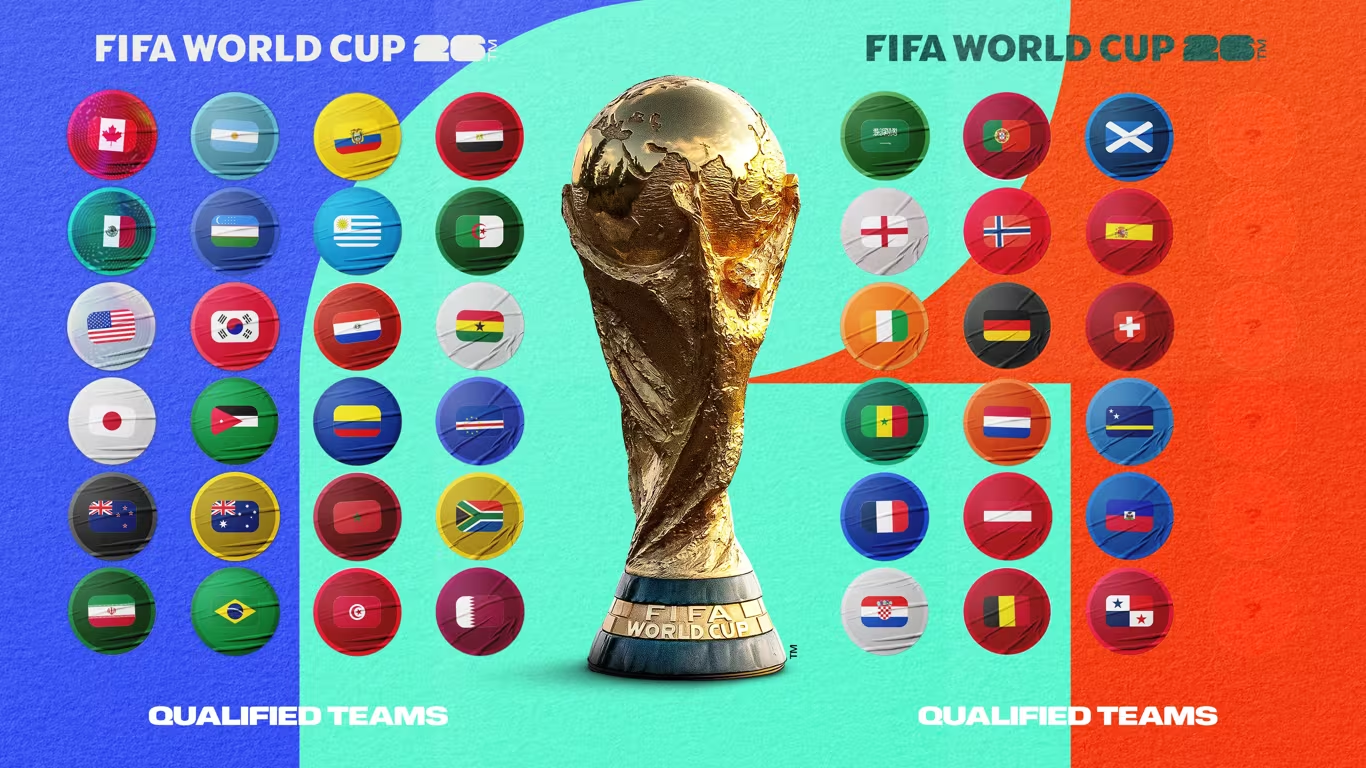 FIFA World Cup 2026™
48 teams, three host nations, 16 cities and billions of fans tuning in from every corner of the globe. In the summer of 2026, the world’s attention will narrow into one unifying rhythm: the whistle, the roar of the crowd and the stories that unfold on and off the pitch.
The World Cup is more than a tournament — it’s the sun at the centre of a cultural solar system, with commerce, community and creativity in its orbit. From bars to living rooms, from Mexico City to Vancouver, fans will gather in ways that transcend sport, pulled by the gravitational force of football’s biggest stage.
For brands, the choice is stark: join this orbit, or drift in space. This is the biggest marketing opportunity of the decade. Here, we unpack the defining trends circling the 2026 World Cup, and what they mean for brands ready to seize the moment.
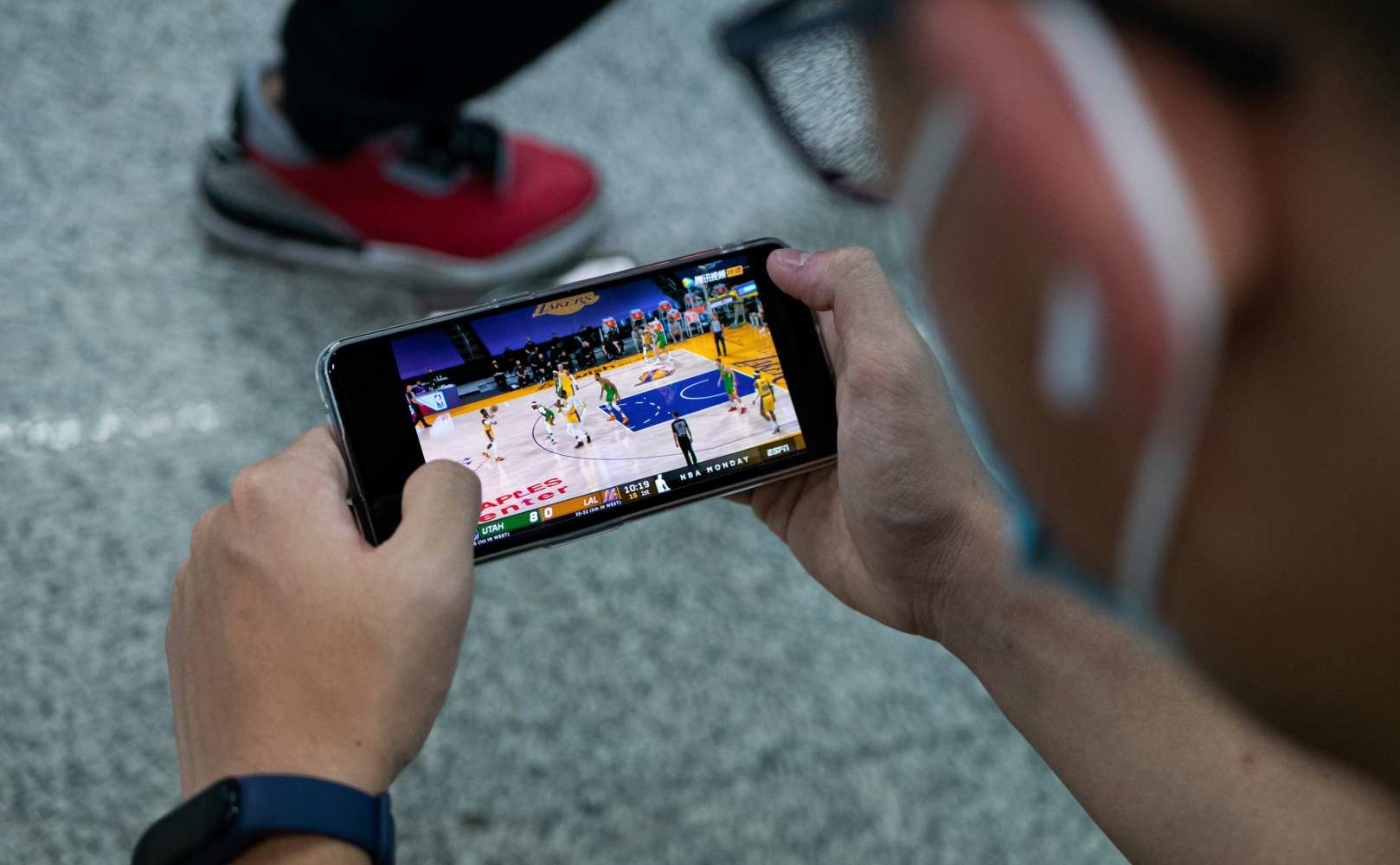
Sports fandom has never been more social (or more fragmented). The ritual of sitting down for an entire match is giving way to a continuous cycle of clips, memes, reactions and commentary. Today, 74 percent of sports fans use social media to follow or watch sports, making them over 2 times more likely than the average person to do so. Among Gen Z, 72 percent use social for sports, and many hop across five or more platforms daily.
This shift from long-form to highlight culture is redefining what “watching” means. 61 percent of sports fans now consume highlights and clips; 35 percent watched them on mobile in the past week. The result: a generation that’s as likely to experience the World Cup through their phones as on TV, with a kind of fluidity that involves reacting to goals on their feed while they’re on the way home to watch the match.
For brands, this evolution reframes presence. The “stadium” is becoming more algorithmic. Campaigns rooted in placement must evolve into campaigns rooted in participation. To stay visible, brands must speak the language of shareability: short edits, fan reactions and authentic athlete moments that move at the speed of culture. In 2026, the most influential commentary may not emerge from pundits — but from fans stitching their own reaction seconds after the final whistle.
The proof is in the pop culture:
In the 2024 Olympics, TikTok became the unofficial commentary box. Athletes like Noah Lyles and Suni Lee shared behind-the-scenes content that reached millions ahead of formal broadcasts. The EURO 2024 TikTok hub also proved that fan reaction edits, duets and explainers often outperformed official clips. And as a testament to the blurring of the big screen and the small screen, Heineken’s Social Screen activation allowed fans in South Africa to synchronise their phones to form one giant collective screen during a UEFA Champions League event.
The Experience Economy Meets Sports Tourism
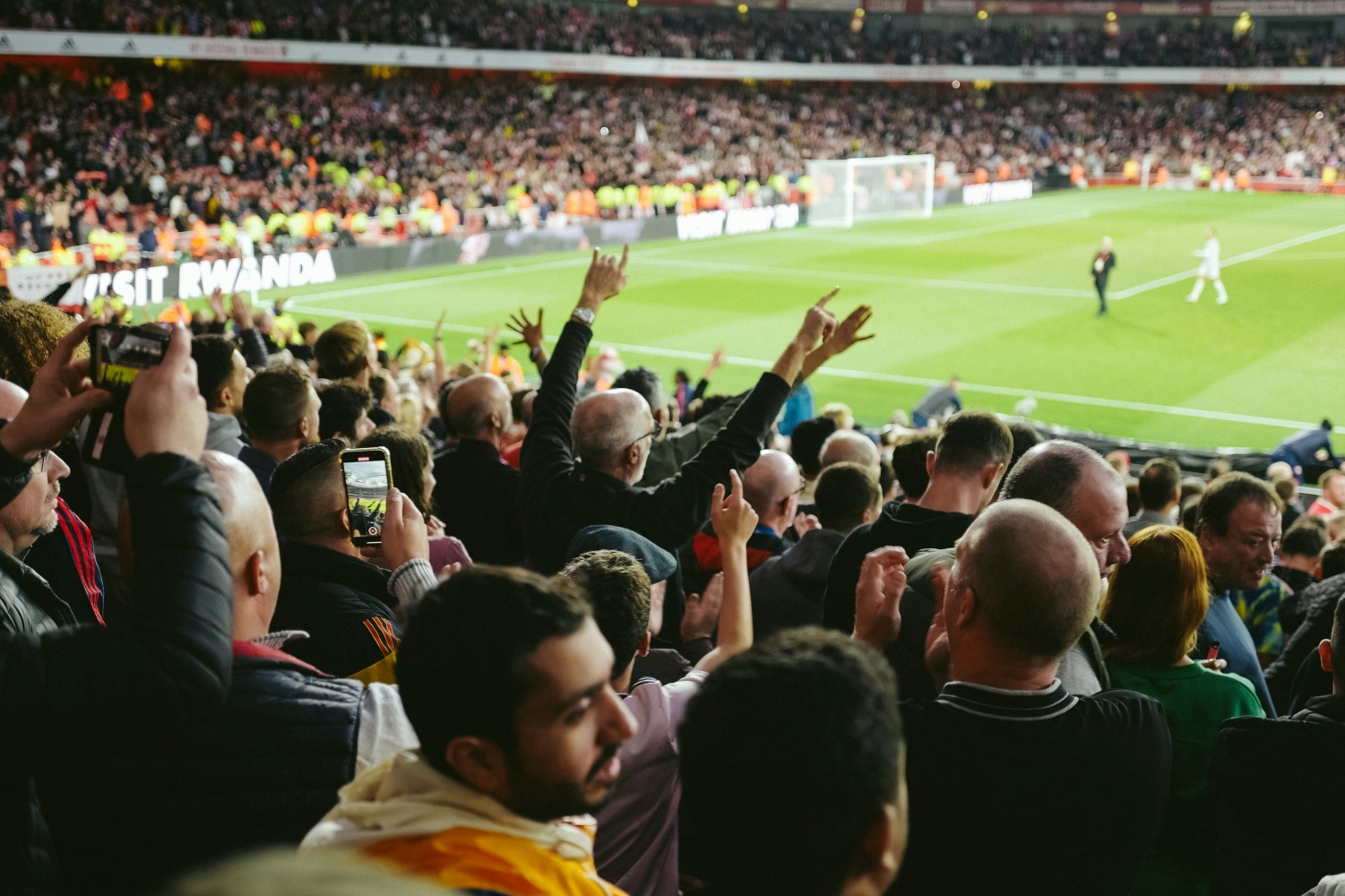
When fans plan their World Cup journeys, they’re not just buying tickets, they’re building memories. Across our data, 53 percent of sports fans prioritise experiences over possessions. In the last 12 months, 31 percent took one or two vacations abroad, and sports fans are 41 percent more likely than average to be interested in travel.
The tri-nation format of 2026 (US, Canada, Mexico) invites that wanderlust. Fans won’t simply show up for a match — they’ll weave in beach weekends, city breaks and cultural side-stopovers. Adventure travel resonates strongly: 51 percent of sports fans prefer action or adventure vacations, and 65 percent enjoy resort getaways.
So the fan journey becomes a pilgrimage. For brands in travel, hospitality, and retail, the boundaries between categories blur. A ticket purchase becomes an entry point into a lifestyle ecosystem — from airlines offering kit-themed miles, to hotels curating immersive local food experiences. Fans’ motivations also run deeper: 45 percent say contributing to community matters, and 35 percent prioritise environmental impact. The 2026 tournament is a chance to frame travel as both experiential and ethical.
The proof is in the pop culture:
F1’s global boom, fuelled by Netflix’s Drive to Survive, has turned race weekends into destination events. We’ve also seen the Super Bowl “festival” effect in full swing as host cities welcome fans and welcome local economic impacts to the tune of USD 1 billion. Even Taylor Swift’s Eras Tour showed how fan-driven travel economies can transform entire towns. 2026’s tri-nation setup will operate similarly: one part sport, one part pilgrimage, and one part cultural festival.
The Health-Conscious Celebration
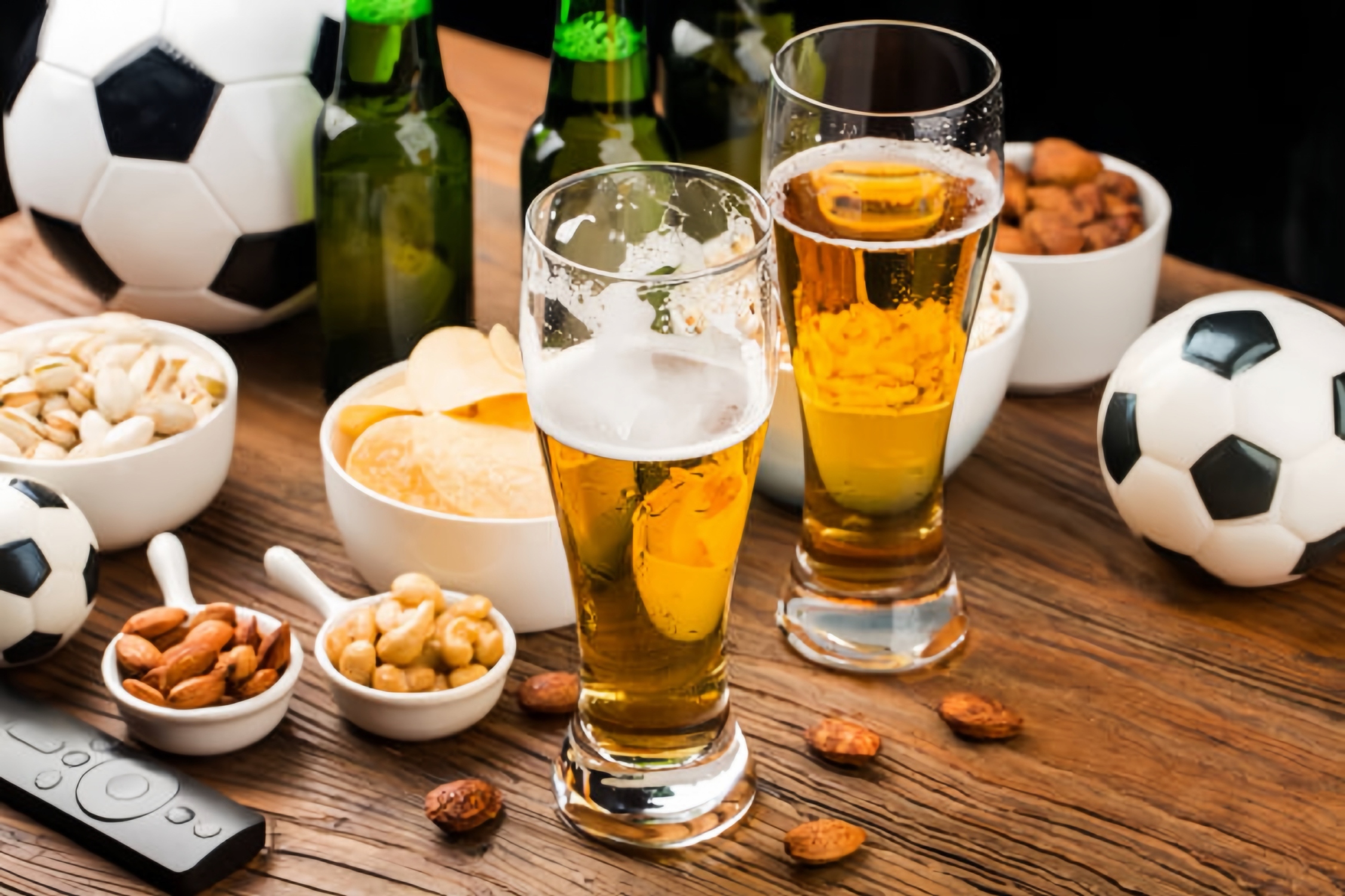
The modern sports fan is redefining indulgence. While chips and beer remain top choices, they now share the table with kombucha, protein snacks and alcohol-free alternatives. 52 percent of sports fans now describe themselves as health-conscious, yet 82 percent still buy snack foods monthly. Surprise surprise, wellness and celebration can coexist.
What’s changed is intention. 17 percent of sports fans drink non-alcoholic beer at least monthly (31 percent above the average), 67 percent buy health foods and 51 percent purchase organic produce. Among Gen Z sports fans, 82 percent identify as health, fitness and beauty enthusiasts; they’re also 25 percent more open to discussing mental health than older generations.
This duality opens a space for innovation. The next wave of game-day experiences won’t centre on abstinence — they’ll centre on optimisation. We could see watch parties with functional beverages, plant-based menus, or gyms hosting match screenings. It’s also likely fans will use pre-fuel and re-fuel health hacks to bookend boozy matches, like prepping with Korean pear juice to prevent hangovers, then recharging with electrolytes for a smooth recovery.
As this mindset takes hold, “health” shifts from category to context. Brands that integrate wellness into fandom, as something shared, social and celebratory, will win.
The proof is in the pop culture:
McDonald’s teamed up with WNBA star Angel Reese for its first-ever national meal collaboration with a female athlete — a moment that merged dining, fandom and empowerment in one. At the Super Bowl, Michelob ULTRA Zero took a prime-time slot to celebrate mindful drinking, signalling that moderation has gone mainstream. And at Wimbledon, mocktails and 0.0 percent beer options joined the line-up, reflecting fans’ growing appetite for healthier indulgence.
The Athlete Becomes the Ad
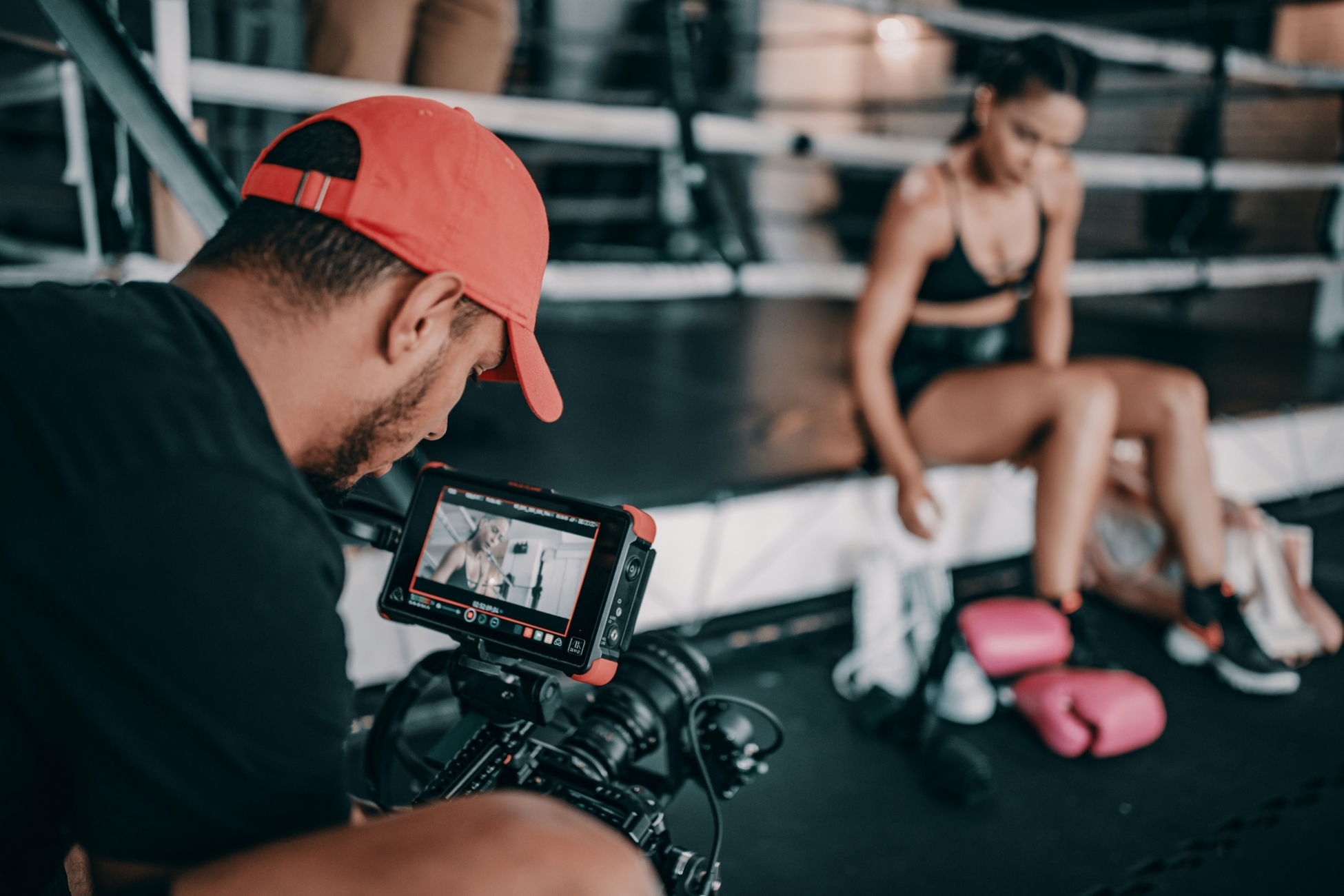
If traditional media narrates the match, influencers and athletes help shape the experience. Today, 70 percent of sports fans follow athletes or teams on social media and 24 percent discover brands via influencer endorsements — making them 52 percent more likely than average to buy and use those products.
But fans also demand credibility. 48 percent expect authenticity; 54 percent expect social responsibility. Partnerships that feel forced or opportunistic won’t survive the comment section. When the connection is real, the rewards are vast. Sports fans are 42 percent more likely to buy something with positive social proof — creating a feedback loop where authenticity fuels engagement, and engagement drives conversion.
For brands, this means collaborating rather than commissioning. It’s about letting athletes and creators tell their own stories — not fitting them into rigid scripts. In 2026, standout brand moments may not come from ad breaks — they’ll come via athletes’ own feeds.
The proof is in the pop culture:
Two words: Ilona Maher. The US rugby sevens player turned her Olympics TikTok content into a mainstream platform. She gave fans a behind-the-scenes series whilst in the Olympic Village, looking for love. She also smashes stereotypes by wearing lipstick through sports games (the Maybelline Super Stay Matte Ink Liquid Lipstick). Time and time again, her social content isn’t centred around sports — it’s a running commentary on what it means to be a woman today.
The Convenience Food Economy
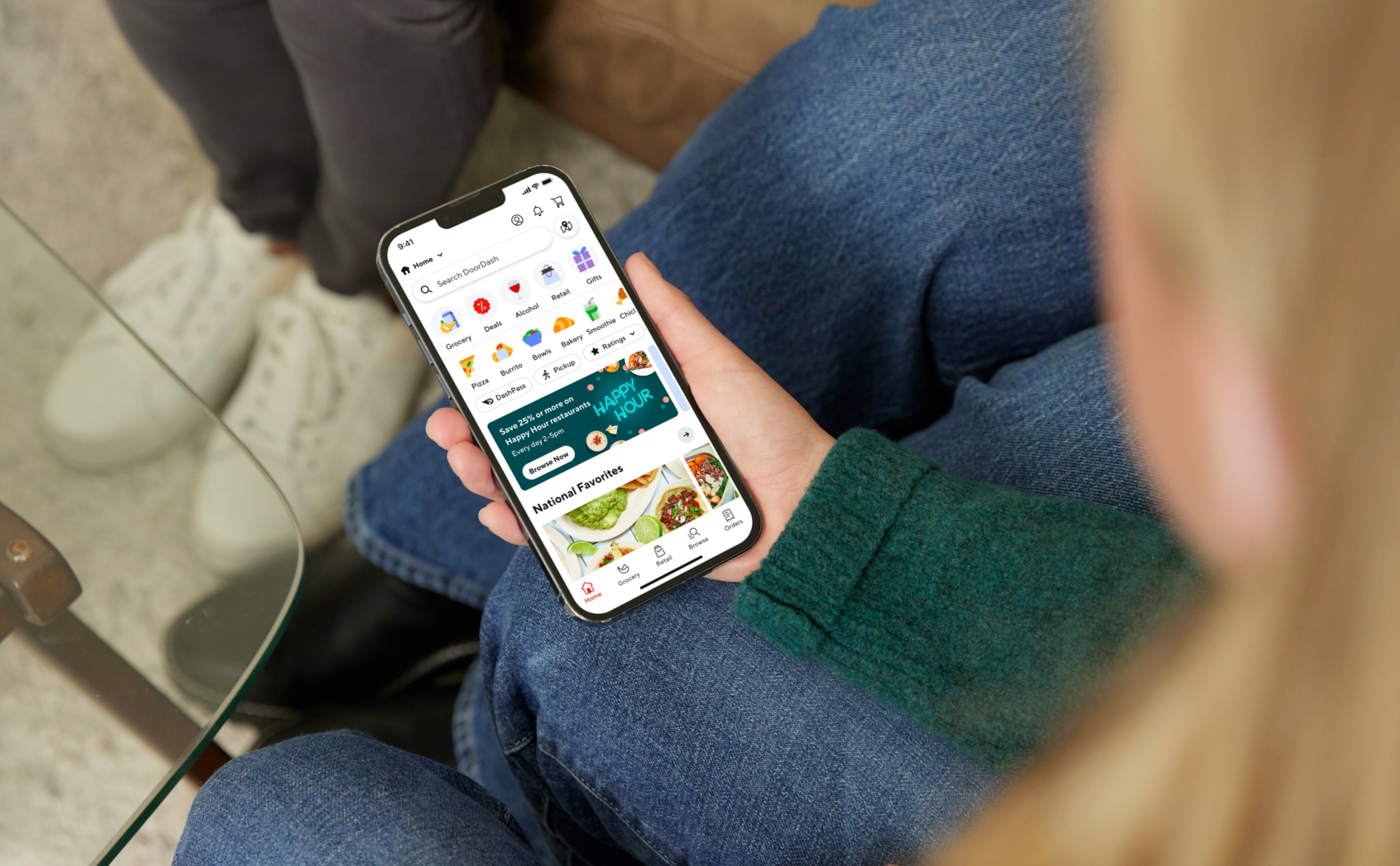
As viewing becomes more mobile, so does consumption. The same device that delivers a match highlight may deliver your dinner. 76 percent of sports fans are more likely to order food delivery via mobile, while 82 percent purchase snacks monthly and 41 percent eat fast food regularly. Watching, ordering, reacting and sharing often happen in the same scroll.
This convergence transforms the fan experience into a real-time ritual. A last-minute goal can trigger an impulse order as fast as it sparks a post. For food and beverage brands, this isn’t just logistics — it’s a storytelling opportunity. The “match moment” is no longer fixed; it’s an ecosystem of digital anticipation and instant gratification. Brands that weave offerings into that experience – by timing offers, enabling themed menus, or activating influencer-led tastings — can own emotional high points of every game.
The proof is in the pop culture:
In the UK, Domino’s has long leaned on reactive discounting and mobile offers during match events, with timed promo codes that play into football night rhythms. Meanwhile, in the US, DoorDash’s 2024 “All the Ads” Super Bowl campaign treated the game itself like a trigger: 76 ads into the game, its commercial aired with a promo code that viewers had to punch into the DoorDash site to win.
The Travel-Commerce Connection
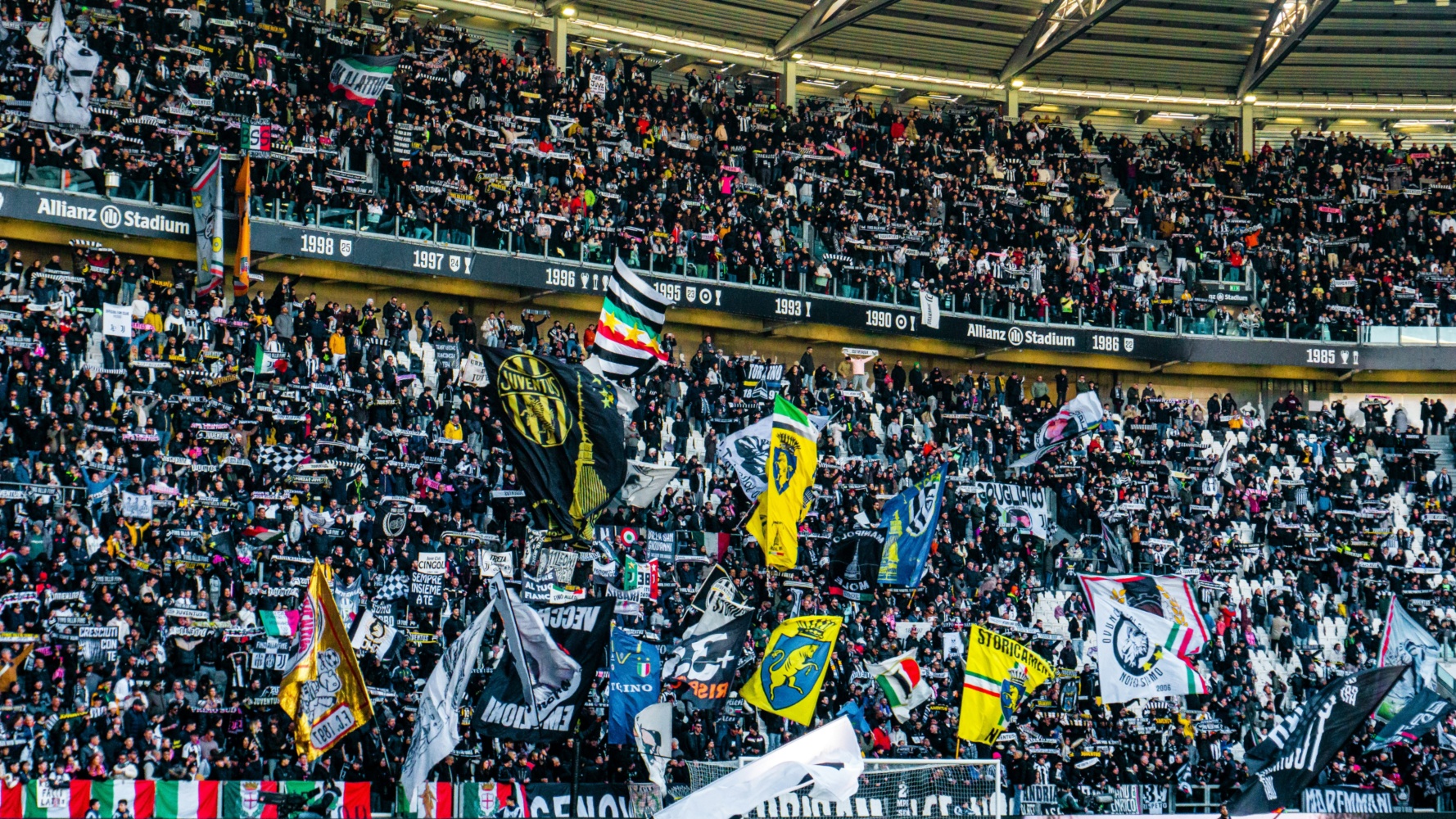
The World Cup’s multi-city, multi-nation structure redefines fandom. Fans will move, not just spectate. Sports fans are 41 percent more likely to express interest in travel compared to the average consumer, and they’re acting on it. In the past 12 months, 31 percent of sports fans took 1 to 2 vacations in a foreign country, with sports fans 37 percent more likely than average consumers to have purchased an experience, such as a spa trip or day out, in the last 3 to 6 months. On the buying side of things, they’re 145 percent more likely to purchase sports merchandise online — crafting a blended ecosystem of travel, fandom and commerce.
One fan may book flights via a sponsor airline, buy a retro jersey on their phone and post about both on social media all before kickoff. The journey itself becomes performance, and every touchpoint offers a chance for brand participation.
In 2026, expect travel brands to partner with apparel and tech firms to fuel fan itineraries. Airlines might bundle exclusive merchandise or convert miles into kits. Hotels could create sponsor-partnered viewing lounges. We’ll see travel and commerce blur into culture.
The proof is in the pop culture:
The 2022 FIFA World Cup in Qatar showed how global tournaments can become full-scale cultural experiences. Visitors didn’t just attend matches — they immersed themselves in Fan Festivals hat blended live screenings, concerts and local cuisine, while tourism campaigns like Live It All in Qatar encouraged fans to explore beyond the stadiums. Airlines have also seized the moment: Emirates increased connectivity to Paris ahead of the 2024 Olympics, and Delta, as Team USA’s official airline, launched campaigns celebrating athletes’ journeys to the Games.
Cooling Down
Fandom is evolving. The brands that thrive will evolve with it — not chasing conversation, but fuelling it. Winning hearts will matter as much as winning matches.
This article was first seen on gwi.com.
For more on the latest in culture and events, click here.
 English (US)