
.jpg) 1 hour ago
2
1 hour ago
2
Among mere mortals, a select few have an incredible gift for longevity – it's something we only see in about 0.01 percent of the world's population.
They're called centenarians – people who live to 100 years of age – and they've been the source of much scientific study.
We are slowly learning the secrets of their exceptional lifespans.
But there's still a lot we don't fully understand.
One unknown is what becomes of their children. Does the next generation inherit the same superpower?
In a new study, published in JAMA Network Open, scientists set out to answer that question.
"We wanted to know whether they pass their good health and longevity down to their children," says geneticist Sofiya Milman from the Albert Einstein College of Medicine in the Bronx, New York.
"And, if so, whether those advantages can be explained by healthy habits or whether something more fundamental, like genetics, is at work."
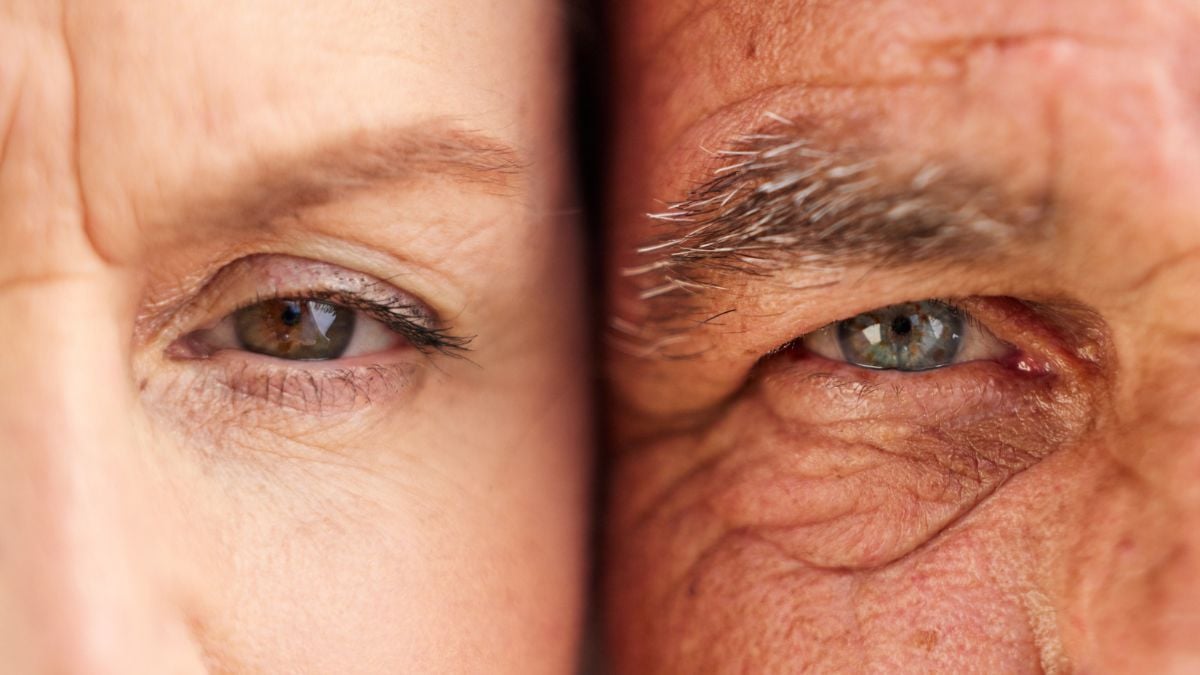 Exceptional longevity runs in families, the findings suggest. (PeopleImages/iStock/Getty Images Plus)
In their study, Milman and fellow researchers analyzed data from three separate longitudinal studies involving more than 2,300 individuals who were the offspring of centenarians, along with more than 1,700 participants whose parents were not so long-lived, representing a control group.
"To our knowledge, this is the most comprehensive study to date" to examine the links between parental longevity and children's health, the researchers write in their paper.
Their analysis showed that across all three study cohorts, centenarian offspring experienced a lower risk of death compared to controls, and also a lower risk of cardiovascular disease and hypertension. Two of the cohorts showed a reduced risk of stroke as well.
The risk reductions were considerable. Children of centenarians had a 32 percent lower risk of hypertension at any given age, a 33 percent lower risk of cardiovascular disease, and a 42 percent lower risk of death.
What's more, when centenarian offspring did develop poor health, they tended to do so at older ages than their control peers, with hypertension onset showing a delay of about five years, and deaths delayed by an estimated three years compared with controls.
"The overall consistency of these findings across these quite different studies was especially noteworthy and reinforces the idea that exceptional longevity runs in families," says aging researcher and first author Eric Reed from the Albert Einstein College of Medicine.
Interestingly, the results did not indicate that cancer risk was significantly reduced among the children of centenarians.
The researchers say it's possible that centenarian offspring may have better resistance to cancer, benefiting from reduced cancer mortality, even if they don't see a reduction in cancer incidence.

It's also possible that the better health of centenarian offspring is partially linked to increased cancer screening, which might pick up low-risk kinds of cancers that don't affect their mortality.
The researchers note that while environmental and behavioral factors such as diet, education level, socioeconomic status, and tobacco use are known to be linked with the risk of age-related diseases, their own analysis showed that centenarian offspring remained protected from disease when controls were matched on these factors.
This could mean that environmental factors have less of a health impact on people genetically linked to centenarians, but it's worth noting that logic only goes so far.
Related: Scientists Spent 55 Years Studying Centenarians to Reveal The Secret to Living to 100
"This is not to say that lifestyle doesn't count – healthy behaviors remain important for everyone," Reed says.
"But some people from families with exceptional longevity appear to enjoy biological advantages that help them remain healthy despite the environmental and behavioral factors that affect us all."
The findings are reported in JAMA Network Open.
This article was fact-checked by Clare Watson and edited by Clare Watson. While we pride ourselves on our process, we are only human. If you spot a mistake, please let us know.
 English (US)