 Image via Focus Features
Published Oct 7, 2026, 5:29 PM EDT
Michael Block is a 14 time GLAM Award nominated writer, producer, and host of the podcast Block Talk. Throughout his time in the entertainment industry, he has worked on and off Broadway as a stage manager, written several produced plays, critiqued hundreds of theatrical performances, drag and cabaret shows, and has produced events randing from drag competitoons to variety concerts!
On Block Talk, he interviews nightlife personalities, covers the wide world of entertainment through features, ranking episodes, and recaps ALL of Drag Race, as well as Dragula and Survivor. He has interviewed hundreds of RuGirls that span the globe at DragCon NYC, DragCon LA, and DragCon UK.
In his free time, he makes one-of-a-kind jewelry and gift baskets with his mom. He is a proud member of the LGBTQ+ community.
Sign in to your Collider account
There is no doubt that the Western is one of cinema's most beloved genres. Originally set in the American West during the 19th-century frontier, the genre often tells stories of cowboys, law and order, and journeys across vast deserts, dusty towns, and sweeping plains. Over time, the genre has evolved, introducing stories of morality, frontier myths, and eventually using the genre's ideals in neo-Westerns where horses are traded for trucks.
Hundreds of iconic films in Western history exist, but only a handful truly influenced the genre. We're here to celebrate ten movies that changed Westerns forever. From legendary director-actor collaborations to narratives that subverted what a cowboy can be, these films have gone down in history for their impact. Though there are certainly other titles that can fit the bill, these ten are crucial. We will go through the films chronologically to track the evolution of the Western.
'Stagecoach' (1939)
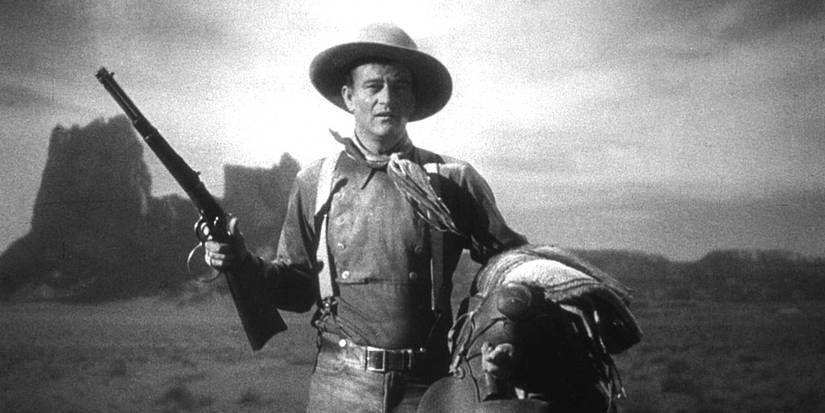 Image via United Artists
Though John Ford and John Wayne have many brilliant films together, the most influential is Stagecoach. The 1939 film follows a mismatched group of nine strangers traveling by stagecoach through dangerous Apache territory. On board are Dallas (Claire Trevor), a prostitute driven out of town, Doc Boone (Thomas Mitchell), a drunken doctor, and the Ringo Kid (Wayne), an escaped outlaw looking to avenge his family. On their journey, they are attacked by Geronimo (Chief White Horse) and his Apache warriors, and it’s up to Ringo to save the day.
Stagecoach forever changed the genre as Ford elevated Westerns to a respected artistic formula. The drama works because of a bevy of fascinating characters who go beyond the typical good-versus-evil. Instead, they were flawed, multidimensional archetypes that fit together like a perfect puzzle. With a pressure-cooker-type atmosphere, the film had high stakes, and the hierarchy flips as the bourgeois characters rely on the societal outcasts. With a majestic setting, sensational storytelling, and a star-defining performance, Stagecoach remains a classic.
'The Searchers' (1956)
 Image via Warner Bros.
Once artistic credibility was established, the next era of Westerns opened up the door for the golden age. Another classic Ford-Wayne collaboration, The Searchers, set after the Civil War, chronicles Ethan Edwards (Wayne) as he embarks on a multi-year quest alongside his adopted quarter-Cherokee nephew, Martin Pawley (Jeffrey Hunter), to rescue his abducted niece Debbie.
A story about racial tension and prejudice, The Searchers took the traditional frontier story and turned it into a painful study of obsession and hate. Rather than letting Wayne play a typical frontier hero, the film challenges him to embody the psychological turmoil of a genuine antihero. The righteous cowboy is swapped out for a dark individual who must come face to face with the hate he projects, realizing that his ideals are flawed. The movie questions the wholesome myth of westward expansion by showing the cruel, ugly human costs of frontier life.
'The Good, the Bad, and the Ugly' (1966)
 Image via Produzioni Europee Associati
And now we enter the Spaghetti Westerns. One of the subgenre's most prominent directors is Sergio Leone, whose most popular project is the Dollars trilogy—a series of three thematically connected films. The most infamous of the three is The Good, the Bad and the Ugly. The epic drama follows three ruthless gunslingers—Blondie, or the Man with No Name (Clint Eastwood), Angel Eyes (Lee Van Cleef), and Tuco (Eli Wallach)—racing to find a hidden fortune in buried Confederate gold amid the chaos of the American Civil War.
Setting the tone for Spaghetti Westerns, The Good, the Bad and the Ugly replaced clean-cut storytelling with a morally ambiguous tale told through revolutionary filmmaking. Leone juxtaposed vast, sun-baked landscape tracking shots with intense, extreme close-ups of sweating faces, shifting eyes, and hands hovering over gun holsters; the close-up of Eastwood remains a defining image of Western movies. Add in Ennio Morricone’s score, and The Good, the Bad and the Ugly cements itself as a beautiful, brutal picture.
'Butch Cassidy and the Sundance Kid' (1969)
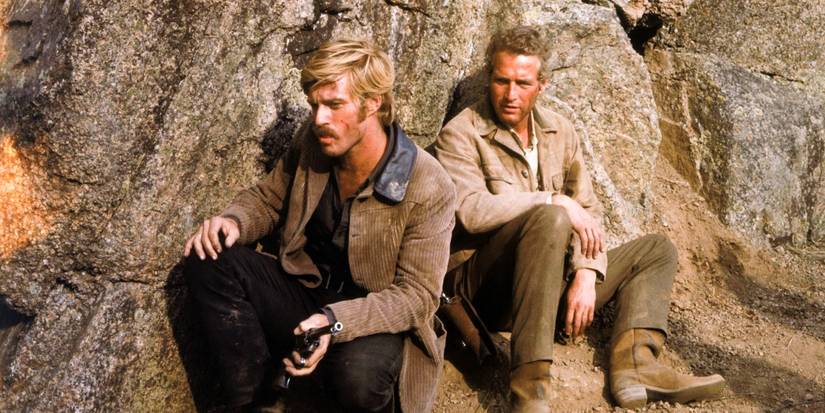 Image via 20th Century Studios
Rarely was humor and fun infused in Westerns, but Butch Cassidy and the Sundance Kid changed things. Directed by George Roy Hill and written by William Goldman, the story is loosely inspired by real-life outlaws Butch Cassidy (Paul Newman) and the Sundance Kid (Robert Redford). The charming duo is on the run from a relentless law enforcement posse, forcing them to flee all the way down to Bolivia alongside Sundance's lover, Etta Place (Katharine Ross).
Depicting the eclipse of Old West narratives, Butch Cassidy and the Sundance Kid shows two traditional outlaws realizing their way of life is fading. Even though Newman and Redford were real-life heroes, they played historic antiheroes with charm and wit. By moving away from Wayne-style characters, it let audiences see vulnerable, flawed individuals navigate the Wild Wild West. They’re vulnerable, couldn't swim, got nervous, and joked to mask their fear. They were relatable! The ultimate buddy Western, the focus centers on a humorous, witty, and loyal friendship led by two of Hollywood’s finest.
'The Wild Bunch' (1969)
 Image via Warner Bros.
Westerns had grit, but violence was often watered down—then came The Wild Bunch. Directed by Sam Peckinpah, the story centers on an aging gang of outlaws, led by Pike Bishop (William Holden), trying to survive on the Texas-Mexico border in 1913 as the traditional Wild West comes to an end. The gang attempts to pull off one last railroad payroll robbery, only for it to be a trap set by bounty hunters led by Deke Thornton (Robert Ryan), Pike’s former partner.
Another influential Western that depicts the changing frontier, The Wild Bunch was infamous for stripping away the romanticized West in favor of graphic violence. With full-frontal violence and morally bankrupt antiheroes, it removed the Hollywood myth about Westerns for an entirely fresh experience. The characters are unlike the young, heroic individuals that led the past era; this gang was composed of greedy, cynical, and desperate men who lacked nobility, and the lawmen and bounty hunters are just as ruthless and cruel as the gang they chase. The Wild Bunch was wildly unrestrained, just as it needed to be.
'Young Guns' (1988)
 Image via 20th Century Studios
With a big jump into the late ‘80s, the Western was revived again after a dry spell with Young Guns. Mixing the genre with the MTV era, it brought a factionalized version of Billy the Kid (Emilio Estevez) and the Regulators to the big screen. Hired by British rancher John Tunstall (Terence Stamp) to protect his property from a rival faction led by Lawrence Murphy (Jack Palance), the Regulators must bring Murphy and his men to justice after killing Tunstall.
With an all-star ensemble also featuring Kiefer Sutherland, Lou Diamond Phillips, Charlie Sheen, and more, Young Guns made Westerns cool again, boosting the genre into a trendy, youth-centric, action-packed thrill ride that treated cowboys like the rock stars of the era. With rising stars at the center of the story, the film had an appeal that targeted a new, necessary demographic. After nearly a decade of Western flops, Young Guns became a shock box office hit thanks to its cool swagger.
'Unforgiven' (1992)
 Image via Warner Bros. Pictures
It took one of the pioneers of Westerns to return and deconstruct the frontier mythology once again. Directed and starring Eastwood, Unforgiven, set in 1880 Big Whiskey, Wyoming, tells the tale of William Munny (Eastwood), a retired and repentant killer who takes on one last bounty to kill the individuals responsible for disfiguring a prostitute. Joined by old friend Ned Logan (Morgan Freeman) and the Schofield Kid (Jaimz Woolvett), Munny confronts the corrupt sheriff, "Little Bill" Daggett (Gene Hackman), as he faces the brutality of murder once again.
A truly unforgiving film, Unforgiven recalls the psychologically damaging truth of Western life. With Eastwood going full circle, Unforgiven lets audiences witness the dismantling of the heroic gunslinger. Munny is not an invincible hero any longer, viewing shooting an adversary as messy and agonizing. When it comes to the Schofield Kid's first kill, he breaks down, realizing that the feeling is not as glorious as once perceived. The film rejects the idea that revenge can bring moral clarity. Unforgiven closed an important chapter for Westerns, allowing modern, revisionist storytelling that integrated historical truths to take over.
'Tombstone' (1993)
 Image via Walt Disney Studios Motion Pictures
Moving away from the gritty realism of Unforgiven came the fast-paced, larger-than-life action Western Tombstone. The ensemble thriller recontextualizes the story of some of the West's greatest legends as retired lawman Wyatt Earp (Kurt Russell), his brothers Virgil and Morgan (Sam Elliott and Bill Paxton), and his friend Doc Holliday (Val Kilmer) head to Tombstone, Arizona, seeking a quiet life, only to be drawn back into a violent feud.
Tombstone changed the game by infusing classic tropes with a modern mindset and style, creating a stylized future for the genre. Director George P. Cosmatos took a classic story and brought it to the present, moving away from a slow-burning narrative from yore. By leaning into the decade's pulpy fun, the quotable lines and iconic moments let the film appeal to a broader audience beyond Western lovers. Though it would take a new century for the genre to pick up again, Tombstone proved that blockbusters would be the new frontier.
'Brokeback Mountain' (2005)
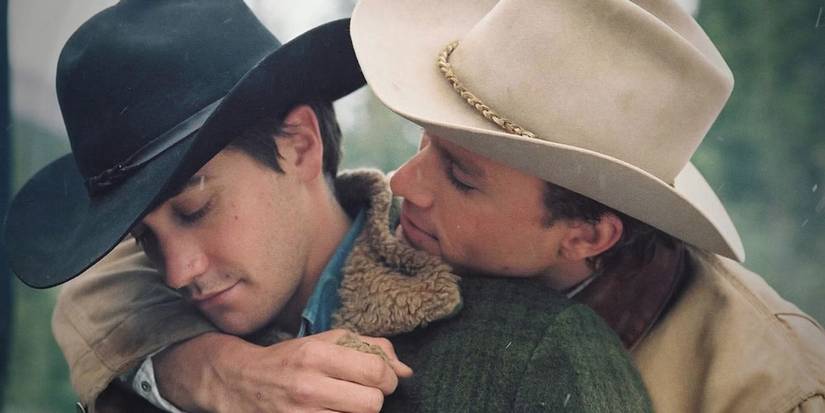 Image via Focus Features
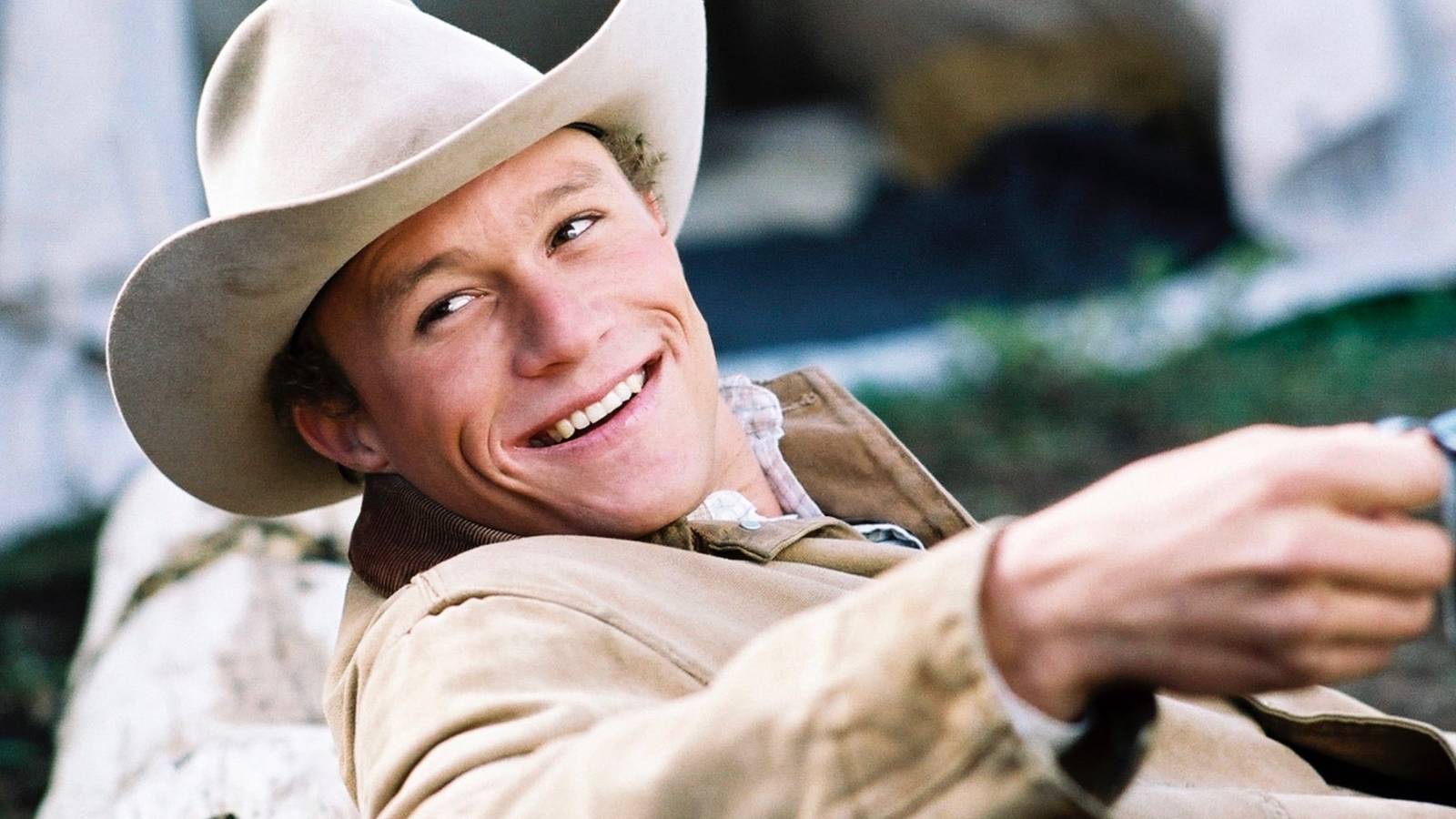
Traditionalists look away because Brokeback Mountain shattered every ideal of the cowboy forever, rightly so. Directed by Ang Lee, this devastatingly beautiful story follows Ennis Del Mar (Heath Ledger) and Jack Twist (Jake Gyllenhaal), two cowboys who embark on a complex, decades-long secret love affair. Facing a society that pushes back on their taboo romance, Brokeback Mountain explores the extraordinary toll of societal repression, homophobia, and the struggle to balance authenticity and identity with the traditional rules of the West.
The film uses the vast backdrop of the frontier not as a manifest destiny but as an escape for queer intimacy and true freedom. A bittersweet masterpiece, it broke away from the traditional ideals and myths of the hypermasculine, exclusively heterosexual American cowboy to tell a story of tenderness and vulnerability on the frontier. Brokeback Mountain became a cultural landmark, opening the door for less traditional stories and giving voice to underrepresented narratives in the West.
'No Country for Old Men' (2007)
 Image via Miramax Films
Written and directed by Joel and Ethan Coen, the adaptation of the Cormac McCarthy novel No Country for Old Men became a complete game-changer. The gritty thriller follows the cross-country pursuit that all started with a suitcase full of drug money. After Llewelyn Moss (Josh Brolin) stumbles upon the money, he is hunted down by the cold, methodical hitman Anton Chigurh (Javier Bardem), who, in turn, is being tracked by Sheriff Ed Tom Bell (Tommy Lee Jones).
A bleak, nihilistic narrative where law and order are out the window, No Country for Old Men proves that gunfights don't make a Western. It redefined the traditional good-versus-evil story. The Coens master the neo-Western atmosphere, using underscoring sparingly and relying on pure authenticity to tell an unsettling tale. This story has no happy ending; instead, No Country for Old Men represents how exhausting the West can be, no matter the time.