It's hard to imagine now, but a little over 20 years ago the gaming world was absolutely scandalized by Hot Coffee, a mod to activate abandoned code in Grand Theft Auto: San Andreas that enabled CJ to have interactive sex with his girlfriend.
The game was re-rated as "Adults Only" by the ESRB in 2005, forcing it off retail shelves—this was a time when retail shelf space mattered—and it was banned outright in Australia. Even the US Federal Trade Commission got involved, complaining that Rockstar and Take-Two Interactive "did not tell consumers that the game discs contained potentially viewable nude female characters and a potentially playable sex mini-game."
22 years later, with Grand Theft Auto 6 on the verge of console release, it all seems rather quaint. From the ESRB's newly posted rating, here's what we've got to look forward to in GTA 6:
- Blood and Gore
- Intense Violence
- Mature Humor
- Nudity
- Strong Language
- Strong Sexual Content
- Use of Drugs and Alcohol
All of which adds up to an M rating—that is, "generally suitable for ages 17 and up." PEGI, the European game rating agency, came down a little harder, rating it 18+ in a since-deleted listing that also noted the presence of "detailed decapitation" and "frequent and prominent" drug use.
How did we get from there to here? Well, we grew up—literally. The Entertainment Software Association said in 2025 that the average gamer in the US is 36 years old and has been playing for 18 years: That's police, politicians, and parents who all came up playing games (including GTA) and view them as no more remarkable than a spicy episode of Miami Vice.
The societal collapse that some alarmists anticipated, meanwhile, failed to materialize—well, it failed to materialize as a result of games, anyway. But a sudden uptick in violent crime and killings, sparked by "murder trainers" like GTA, Call of Duty, and Halo? It never happened. If anything, we've seen the opposite: As gaming has become increasingly mainstream, and the number of gamers has gone up, violent crime has seen a decline over the last two decades.
You could argue, I suppose, that the mainstreaming of Grand Theft Auto represents social desensitization—a loosening of the standards and decorum that made certain kinds of mature content much more taboo. But after years spent bearing witness to the moralizing hand-wringing that gave us the Satanic Panic, the Parents Music Resource Center, the bloody-minded determination to keep the Comics Code Authority alive despite its complete irrelevance, and of course the creation of the ESRB, I'm more inclined to think that what we're really doing is slowly figuring out what actually matters, and acting accordingly.
Plus ça change...
An infamous voice of criticism from this distant generation has not softened his position, however. With GTA now a mass-market entertainment franchise, no more frightening than a typical Marvel movie, I reached out to former attorney Jack Thompson; 20 years ago he was notorious among gamers for his determined, often theatrical efforts to link violent videogames to real-world violence and have them stringently regulated as a result, and I was curious how he felt about Florida's embrace of the GTA marketing machine, and the changed world we live in.
THE GAMECHANGERS Trailer (2015) Daniel Radcliffe BBC Grand Theft Auto Movie - YouTube
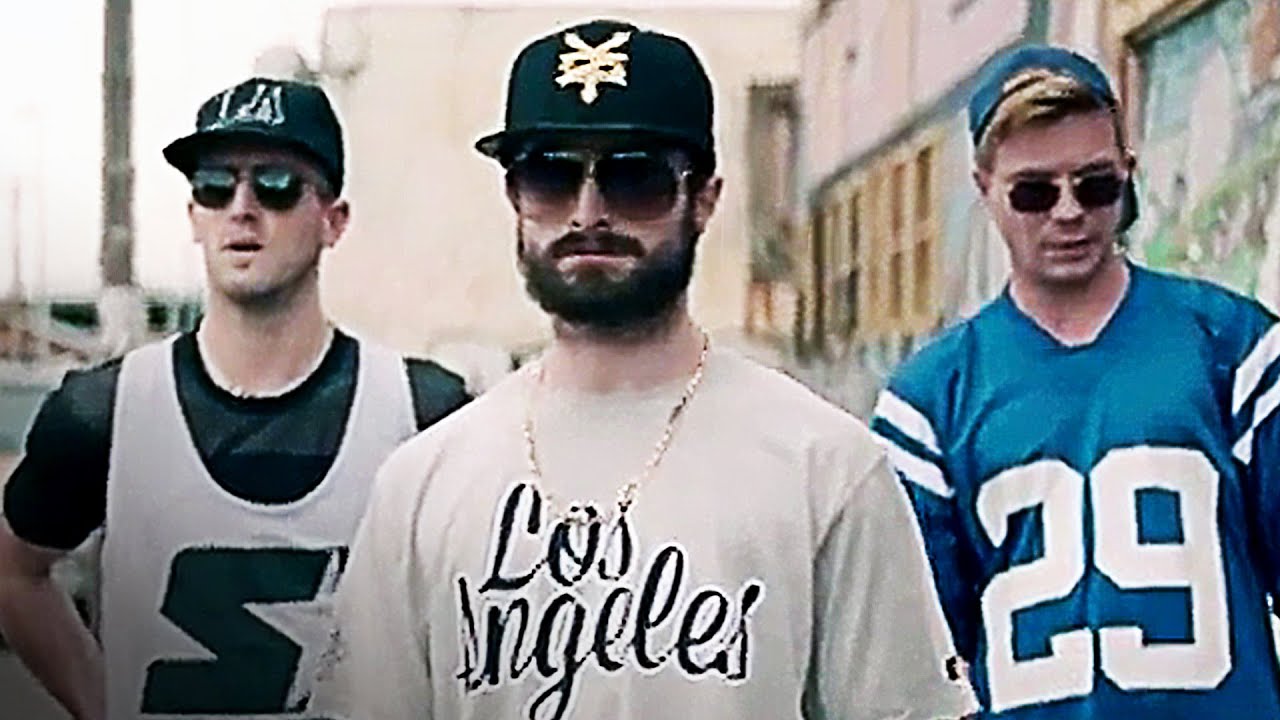
Thompson was such a high-profile presence on the videogame scene of the late 1990s and early 2000s that he was portrayed by Bill Paxton in The Gamechangers, a BBC Two docudrama about his long-running feud with Rockstar co-founder Sam Houser.
Thompson, who lives in Florida, is clearly unhappy with various GTA 6 promotional partnerships being enacted across the state. "If you don't understand that government promotion of commercial interests is fascism then we have very little to talk about," Thompson told me. "Ask the County Sheriff what she thinks about this unholy corporatist alliance."
I had in fact asked the sheriff, and the sheriff's department told me that it is not concerned by "promotional decisions [made] by private businesses or organizations." I relayed this to Thompson, who accused me of drinking the "fascist Kool-Aid," likened me to Joseph Goebbels, and told me to stop bothering him. He elaborated on that, very slightly, in a subsequent email: "The problem is your work proves you are not an honest journalist."
I feel a bit bad about that. I thought that with nearly 20 years of water under the bridge, Thompson may have softened, or at least reached a place where he could reflect soberly on the way the world has changed. That clearly hasn't happened.
Maybe that's understandable, because—and this isn't meant to be triumphal, I'm not spiking the ball, it's simple fact—after a life and career spent warring against it, Grand Theft Auto won. Netflix airs its special, the NBA wears its uniform, Walmart sells it, middle-aged cops and politicos buy it, and the state of Florida wraps itself in it. And here we are—we're fine. To me, that's a good outcome, but to someone who bet everything on the irresistibly corrosive impact of GTA? The absence of chaos and catastrophe—that everything is fine, at least in the sense that violent videogames didn't herald the end times—might just be a little disappointing.