
.jpg) 1 hour ago
3
1 hour ago
3
This Week in Science: A non-surgical intervention for knee pain, a superconductor temperature record, an immune system 'reset', and much more!
First up: We may soon have a new treatment for arthritic knees. It involves injecting microscopic gel beads into the knee, which block blood flow to the new nerves and blood vessels that form with osteoarthritis.
Importantly, it doesn't block blood flow to the knee itself, and the beads dissolve soon after.
Also this week:
- A new temperature record for superconductors
- Stem cell treatment puts patients with a severe autoimmune disease into remission
- A strange signature found on two very different worlds
- A 'black hole' in the lab backs up a long-standing theory
- A diet to fight gum disease inflammation
Read on, and make sure you check out our TWIS video below!
Non-Surgical Procedure Halves Knee Pain Over 12-Month Trial
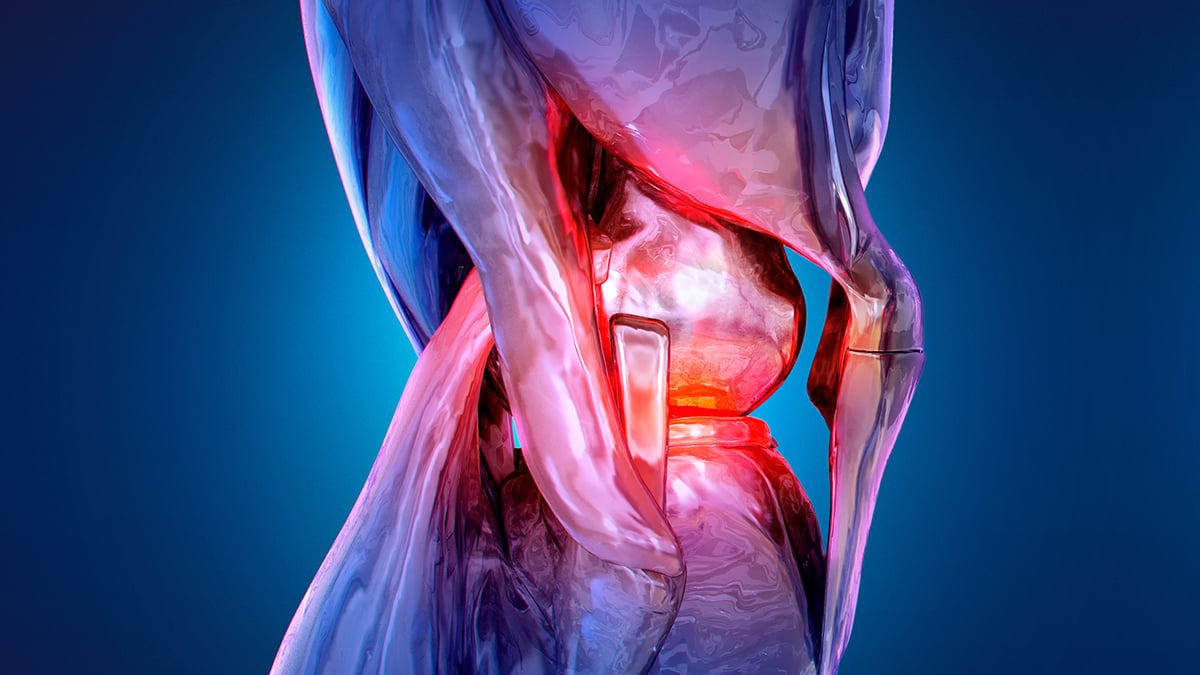 (Quantic69/iStock/Getty Images Plus)
Osteoarthritis in the knees can be very painful and very hard to treat.
As the most common form of arthritis, it brings discomfort to hundreds of millions of people worldwide.
Now, in a bid to tackle that health crisis, researchers led by a team from the Charité - Universitätsmedizin Berlin in Germany have developed a new treatment approach that's minimally invasive, safe, and impressively effective.
Read the full story here.
Physicists Just Set A Major New World Record For Superconductors
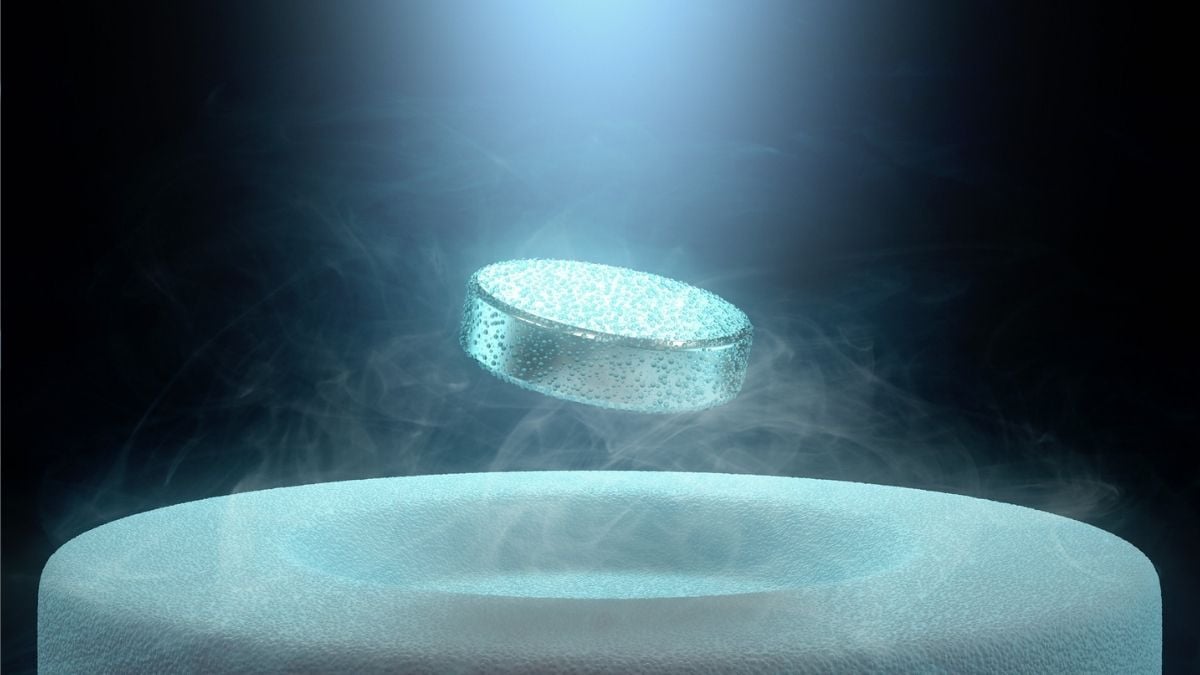 (US Dept. of Energy/Flickr)
Superconductive materials could revolutionize electronics – if only they weren't so fussy.
Coaxing materials into this state, where electrical currents flow freely with no resistance at all, requires either extremely low temperatures or extremely high pressures, or both.
That means that any advantages you could get in the real world – such as electric vehicles that recharge instantaneously – would be offset by needing to pack a cryogenic freezer or a diamond anvil cell in your back seat.
But now, scientists are one step closer to making superconductive materials that operate near everyday temperatures and pressures.
A team led by physicists at the University of Houston has just set a new world record for superconductivity, achieving the highest temperature under ambient pressure.
Read the full story here.
Two People With Severe Autoimmune Disease in Remission After Immune 'Reset'
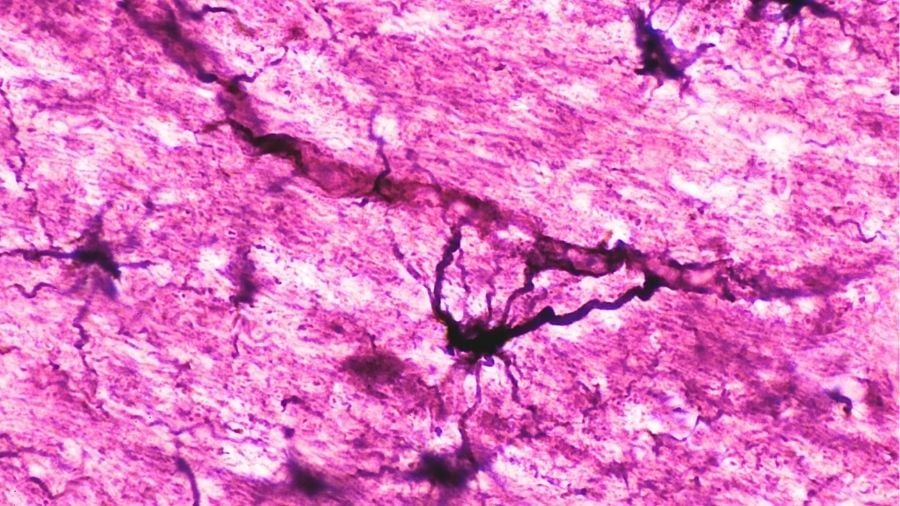 The disease attacks astrocytes, which are support cells in the brain and spinal cord. (Juan Gaertner/Science Photo Library)/Getty Images)
The severe and aggressive autoimmune disease known as neuromyelitis optica (NMO) just met a new match.
Without treatment, NMO can lead to serious disability, as rogue antibodies (AQP4-IgG) destroy the astrocyte support cells in the brain and spinal cord.
Therapies do exist to manage the condition, but they're expensive, not always effective, and come with risks of their own – and relapses are common.

Enter the allogeneic hematopoietic cell transplantation (alloHCT), which has led to extremely positive results after the treatment of two individuals, as reported by researchers from the IRCCS San Raffaele Scientific Institute in Italy.
It works by using donor stem cells from another person, which are then deployed to reboot the patient's immune system and reprogram it to stop fighting against itself.
Read the full story here.
The Same Unknown Chemical Signature Has Been Detected on Pluto And Titan
 Pluto's frozen landscapes and hazy atmosphere captured by the New Horizons mission in 2015. (NASA/Johns Hopkins University Applied Physics Laboratory/Southwest Research Institute)
Two worlds at almost opposite ends of the Solar System have just given us a mystery we didn't even know existed.
Around the gas giant Saturn orbits Titan, a moon with a crust of water ice, lakes of liquid methane and ethane, and a hazy atmosphere.
In the farthest reaches of the planetary plane, at an average distance from the Sun four times that of Saturn, lurks Pluto – a frozen, glittering landscape sculpted by volcanoes of ice.
Both worlds are rich in nitrogen and hydrocarbons; both are wrapped in an atmosphere where chemistry triggered by the Sun's rays generates a haze.
And now, on both worlds, JWST has detected a chemical signature unlike any we've seen before.
Read the full story here.
Physicists Simulated a Black Hole in a Lab. Then It Started to 'Evaporate'.
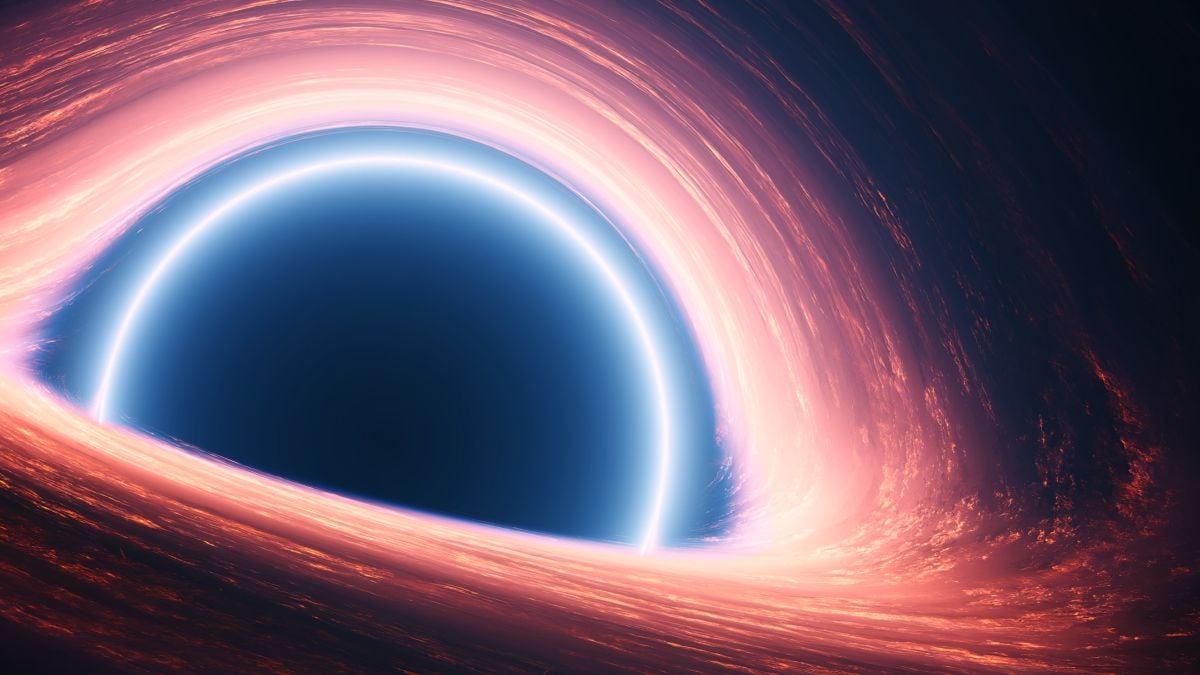 (remotevfx/iStock/Getty Images Plus)
The one thing we all 'know' about black holes is that nothing escapes their ineluctable grasp.
That is mostly true – but since the 1970s, physicists have predicted that black holes could slowly lose energy in the form of thermal radiation.
This is Hawking radiation, and while it has been recreated in laboratory analogs, the mechanism whereby it siphons energy from a black hole, known as backreaction, has remained elusive.
Now, in a black hole analog made of – ironically – light, a team of physicists led by Lorenzo Procopio of Paderborn University in Germany has observed an analog of Hawking radiation backreaction.
Read the full story here.
One Specific Diet Reduces Gum Disease Inflammation in 6-Month Trial
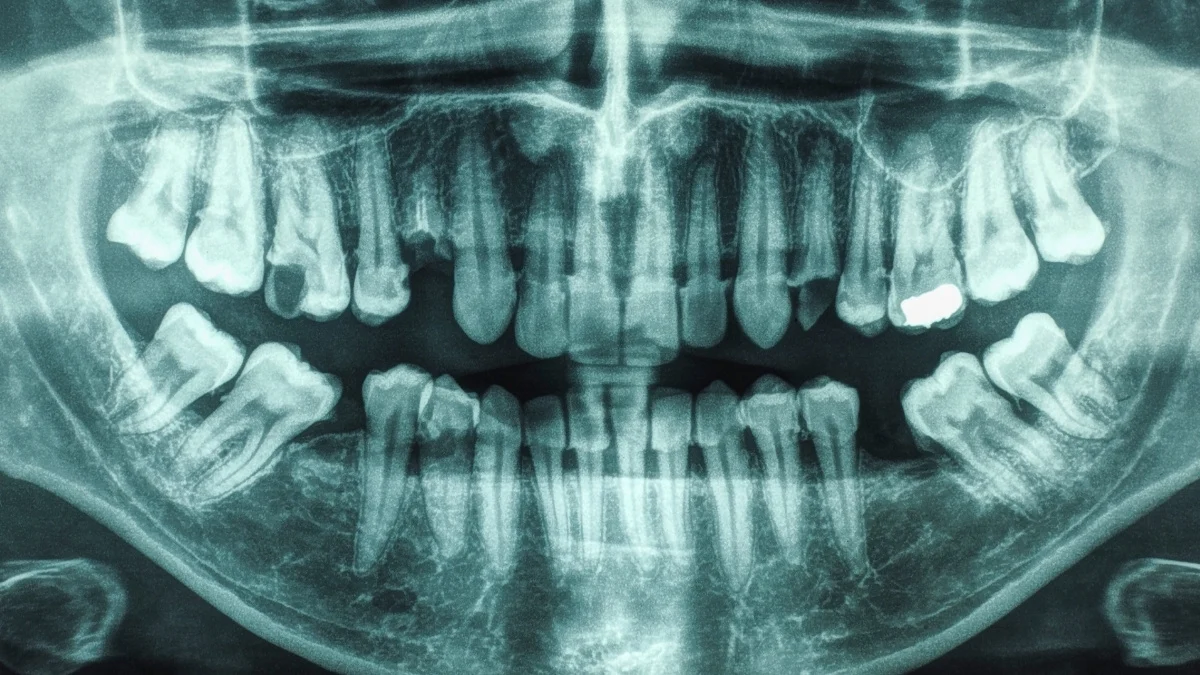 (grubermichael1/500px/Getty Images)
Factors in our blood signal a systemic response to the foods we eat, which might, in a roundabout way, influence the health of our gums and teeth.
Researchers looking for ways to treat serious gum disease (periodontitis) are now taking that wider view, exploring dietary approaches that affect the body as a whole, not just the mouth.
Their latest focus, in new research published in the Journal of Clinical Periodontology, is the fast-mimicking diet (FMD), which puts tight restrictions on calorie intake for several days.
The link is inflammation, where the body's immune system reacts too intensely for too long. Diets like the FMD can reduce inflammation in the body, and periodontitis is an inflammatory disease.
So, might this be one way to treat gum disease?
Read the full story here.
Watch the video below for a recap of the top stories from this week!

 English (US)