The automaker said it could start switching on Unsupervised Full Self-Driving on some vehicles by the second quarter of 2027.
Tesla
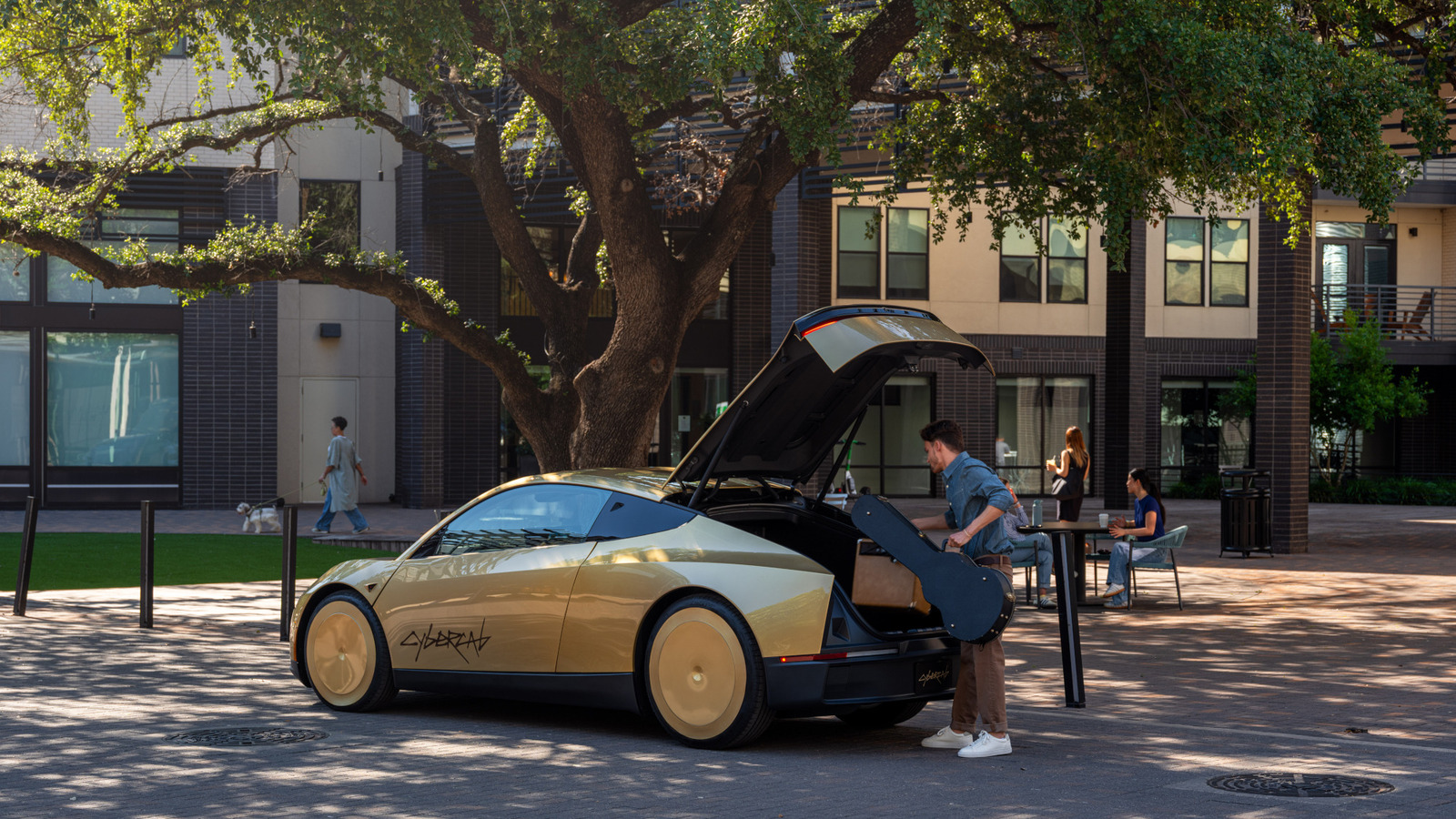
Tesla is aiming to start selling Cybercabs to customers before the year ends. Lars Moravy, VP of engineering at the company, said that the automaker is "trying to get Cybercabs to customers by the end of this year, 2026," during its third quarter earnings calls.
Moravy added that Tesla is already manufacturing Cybercabs at its Gigafactory in Texas, but those are meant for its internal robotaxi fleet. If the company does succeed in getting the vehicles to customers this year, it will start small. As it learns about "ownership and fleet management of autonomous vehicles in customer hands," Moravy said, Tesla will scale up Cybercab's sales. Elon Musk admitted during the call, however, that "the vast majority" Cybercabs will be "essentially Tesla-owned" and will be under its ride service operations.
The company first unveiled the Cybercab back in 2024, but it wasn't until September this year that it started offering rides on it through its Robotaxi app in Austin, Texas. Tesla has also just started taking inquiries for those interested in buying units. Specifically, it's looking for entities who can help "build its robotaxi network," indicating that it'll initially sell them to companies that can purchase whole fleets.
Cybercabs, unlike Tesla's other vehicles, don't come with steering wheels and brake pedals. It cannot be driven by a human driver and relies on the company's Full Self-Driving software. Since the Unsupervised version of Tesla's Full Self-Driving suite isn't available to consumers yet, the first Cybercabs sold to customers can't be added to the Tesla's ride-hailing fleet yet. At the moment, Tesla owners can only get the Supervised version of the suite, which still requires a human driver behind the wheel. Ashok Elluswamy, Director of AI at Tesla, said during the call that the company believes it can start switching on Unsupervised Full Self-Driving on "some of the first customer vehicles to be part of the Robotaxi fleet" around the second quarter of 2027.
It's worth noting that shortly after Tesla started offering Cybercab rides in Austin, the National Highway Traffic Safety Administration (NHTSA) launched a probe into the vehicles. The agency said that the company self-certified that the vehicles are compliant with all relevant Federal Motor Vehicle Safety Standards (FMVSS). It plans to look into the process and data the automaker used to self-certify to determine whether the vehicles do indeed adhere to those standards.