
.jpg) 2 hours ago
4
2 hours ago
4
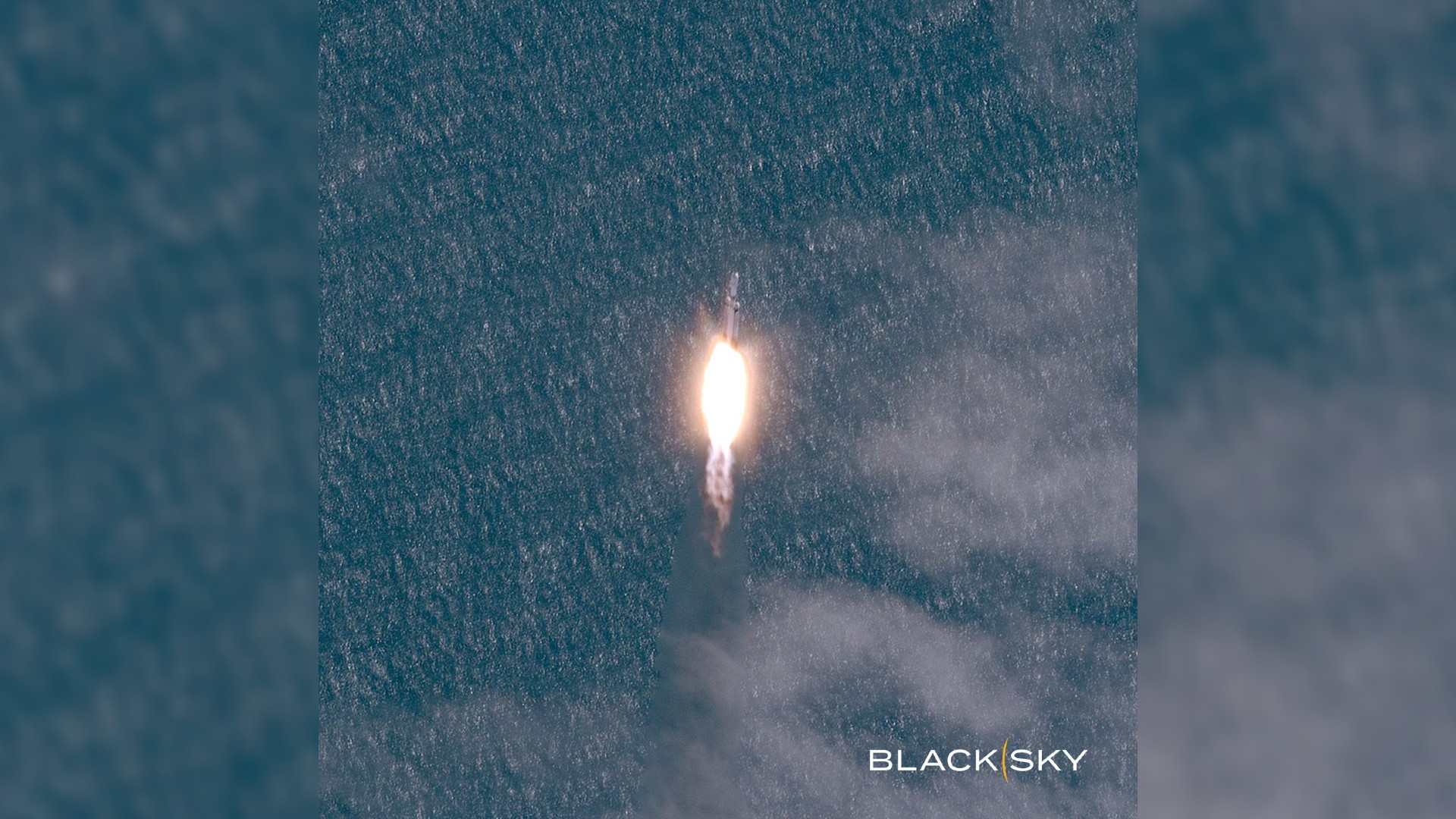
SpaceX's powerful Falcon Heavy rocket flew for the first time in 18 months on Wednesday (April 29), and a sharp-eyed satellite was watching.
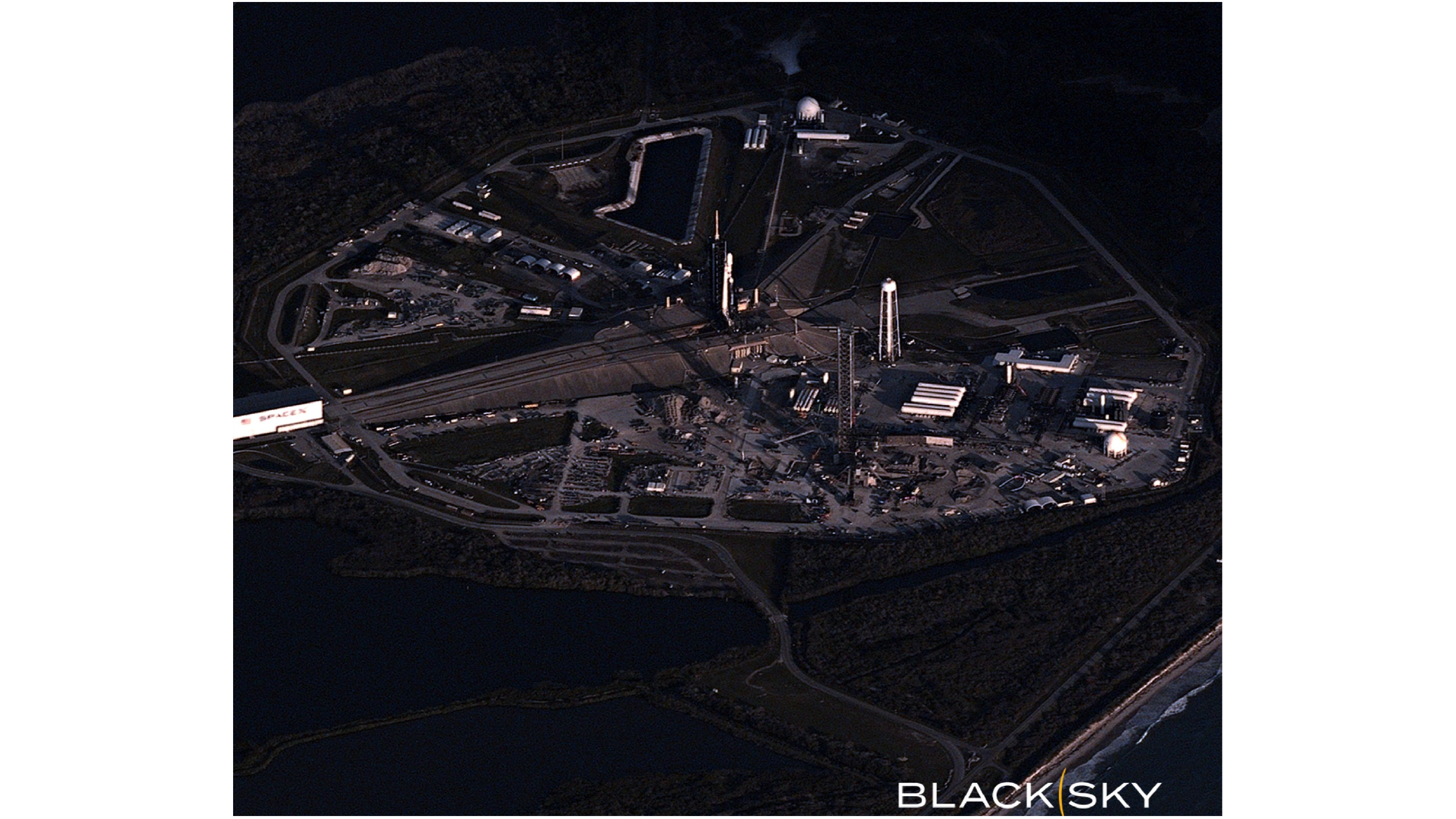
"At 07:29 local time, Gen-3 captured an extreme off-nadir twilight shot of a SpaceX Falcon Heavy rocket on the pad before again catching the vehicle in flight at 10:13, 38 seconds after launch, as it was traveling more than 400 miles per hour," BlackSky wrote in a Wednesday X post that shared the images. "With time-diverse imaging capabilities and flexible imaging modes, Gen-3 sees relevant activity at all hours of the day."
BlackSky is building out its Gen-3 constellation in low Earth orbit, having launched four of the spacecraft to date. The satellites are capable of resolving features as small as 13.8 inches (35 centimeters) on the ground below, according to BlackSky.
The Falcon Heavy is the second-most-powerful launcher in operation today, trailing only NASA's Space Launch System moon rocket. (SpaceX's Starship is far more powerful than either of them, but it's still in the development stage.)
Falcon Heavy debuted in February 2018 and now has 12 flights under its belt, all of them successful. Wednesday's launch was the first for the rocket since October 2024, when it sent NASA's Europa Clipper spacecraft to the Jupiter system.
 English (US)