
Published Oct 28, 2026, 9:00 PM EDT
Aimee Hart is an Entertainment and Gaming staff writer here at Polygon. After watching the original trilogy at five, she decided to make Star Wars her entire personality and hasn't let go of the franchise since. Aimee also has a great love for Dungeons & Dragons and everything Critical Role. She has been a games, entertainment, tech, and culture reporter and critic for 10 years, with bylines at Inverse, Fanbyte, Rolling Stone, and many more.
Charting a 16-year path of fairy-tale parody
 Image: Dreamworks
Sign in to your Polygon.com account
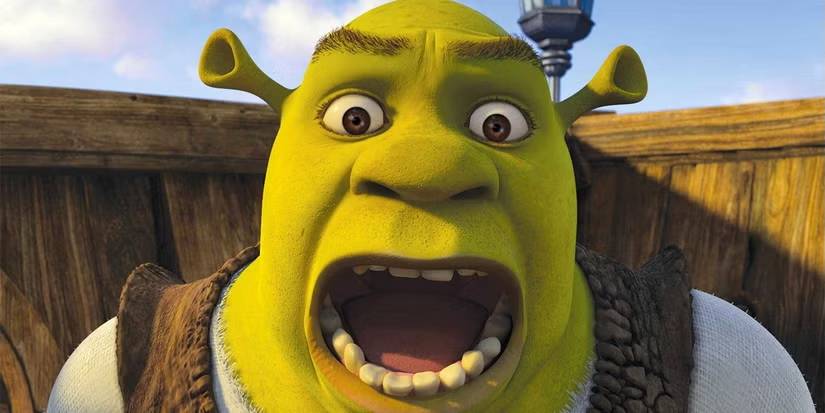
Though DreamWorks treated it like a green-skinned black sheep throughout its decade-long development — so much so that animators considered working on it a punishment — the Shrek franchise quickly became beloved by families everywhere when the first movie debuted in 2001.
While Disney filled people’s heads with fairy-tale definitions of love and hope in movies like Cinderella and Sleeping Beauty, Shrek was easily seen as the edgier adult fairy-tale cousin. It featured profanity and fart jokes, and instead of the graceful animal companion typical of Disney films, it had an annoying talking donkey voiced by Eddie Murphy. A totally different vibe, which quickly made Shrek a pop culture icon that felt cooler to talk — and meme — about. Hell, it even got a Broadway adaptation, which, if you ask us, is the epitome of cool.
Shrek became a household name by parodying Disney’s whimsical stories and exploring themes such as friendship and family. Now, 26 years later, the idea that it may have become the very thing it swore to mock has Shrekiciandos worried that Shrek 5 could be nothing more than a soulless cash grab.
We can see why. From the very beginning, Shrek has always had something to say. Later on in the run…
Shrek (2001)
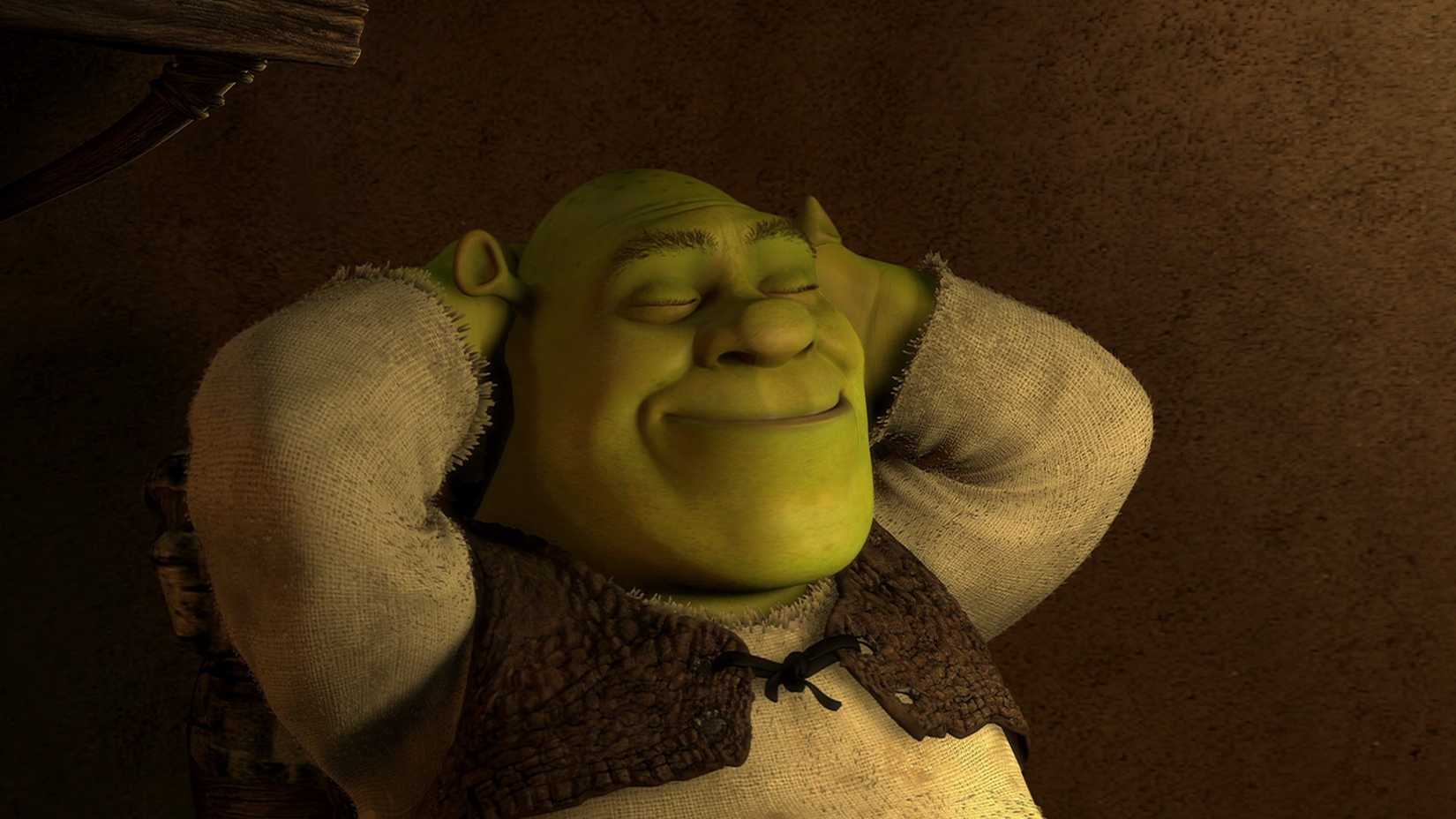 Image: DreamWorks
Who could forget the original Shrek’s iconic, backhanded opening? A storybook flips open, revealing a fairy-tale as choral music swells in the background. It’s a picture-perfect opening for your average Disney movie. That is, until seconds later, a gigantic hand rips the page out, and we hear a toilet flush as Shrek, in all his green glory, appears from the outhouse outside his home.
Throughout most of Disney’s earlier movies, true love was simple: A woman meets a man, she's in extreme distress because she’s oh so hopeless, and he inevitably rescues her. They fall in love, and there’s marriage and kids for everyone. The man and woman were almost always thin, able-bodied, and ethereally beautiful. If you were fat, had a big nose, or just weren’t conventionally attractive, then your only hope was to be maternal enough to be the fairy grandmother. The only other option? You’re evil, and you have to like it.
Shrek, however, dared to get creative, asking several controversial questions throughout the film: What if ugly people fell in love? Would it be the end of the world if a woman saved herself without a guy's help in a Matrix-like sequence that remains one of the coolest animated scenes? What if Disneyla— we mean, Duloc — was actually a sterile place where the guy in charge was only interested in making a lot of money?
The answer was that Shrek resonated with audiences who saw plenty to mock in Disney’s fairy-tale stories. It struck such a powerful chord that this wouldn't be the last time Shrek’s creators would bare their fangs at the House of Mouse and the surrounding culture — not by a long shot.
Shrek 2 (2004)
Sequels rarely surpass the original, but Shrek 2 proved an exception. It introduced even more iconic characters, including Puss in Boots, perfectly played by Antonio Banderas. Better yet, directors Andrew Adamson and Vicky Jenson turned familiar fairy-tale conventions on their heads with even greater enthusiasm than the original Shrek, if you can believe it.
The best way to do that? By drawing strikingly apt comparisons between fairy-tale characters and Hollywood's vapid world of celebrity culture. It gets no blunter than the scene where Shrek and Fiona are invited to Far, Far Away to meet Fiona’s parents. One of the first things audiences notice is that the Far, Far Away sign is practically a carbon copy of the Hollywood sign in Los Angeles. If that blatant resemblance escapes you, the paparazzi flocking to Far Far Away celebrities — like the vain Prince Charming and the not-so-good-after-all Fairy Godmother — will feel familiar to the celebrity stories that hit the tabloid every day.
 Photo: DreamWorks Animation
The comparison between fairy-tales and stardom is far from superficial. Though the film is lighthearted, Adamson and Jenson don’t shy away from showing how celebrities are portrayed as ultra-perfect in body and mind, holding up a mirror to the societal pressure on everyday people to look exactly like the celebrities they see on TV. Even our heroes, Shrek and Fiona, aren't immune. Much of the movie follows them as they transform into attractive humans like the other fairy-tale characters around them and discover how much better they’re treated as a result.
Shrek 2 was already timely in examining these pressures, but in today’s TikTok era, where Ozempic and extreme body-modification surgery are peddled as ways to look like your favorite celebrities, Adamson and Jenson’s sequel feels almost prophetic. Thankfully, both directors ended the sequel with Shrek and Fiona rejecting those pressures, because as the great RuPaul once said, “If you can’t love yourself, how in the hell you gonna love somebody else? Can I get an amen?”
Shrek the Third (2007)
By 2007, Shrek, in our humble opinion, was looking worse for wear. DreamWorks had given Shrek fans two great movies about rejecting society's shallow constraints and fairy-tale norms. What more could it offer? Under new director Chris Miller, the answer was a pivot to Arthurian mythology, with Shrek, Donkey, and Puss in Boots heading to ye olde England to recruit Arthur as the new king of Far, Far, Away.
 Image: DreamWorks Animation
This time around, however, Miller was less interested in unpacking fairy-tales and mythology with the same thoughtfulness as in the previous two films, and more focused on a little something called ‘fatherhood.’ Against a fairy-tale backdrop, fathers range from wise guides (the king in “The Frog Prince”) to deadbeats or absent figures. Shrek’s fear of becoming the latter drives much of Shrek the Third, which feels like the first film in the franchise to look inward at Shrek and Fiona’s life as a family.
(Not entirely, though: a B-plot has fairy-tale villains reform and become good guys—a fun idea, but probably the least interesting way Miller could have subverted fairy-tale conventions.)
The result is what we’d personally call acceptable. A handful of scenes are criminally good, like the fairy-tale princesses Snow White and Sleeping Beauty teaming up with Fiona and the Ugly Stepsister to break out of prison. Ultimately, though, Shrek the Third marks the franchise’s heel turn toward focusing more on its own world and reflecting the outside world’s troubles—whether that's being a high school outcast or grappling with the idea of fatherhood.
Shrek Forever After (2010)
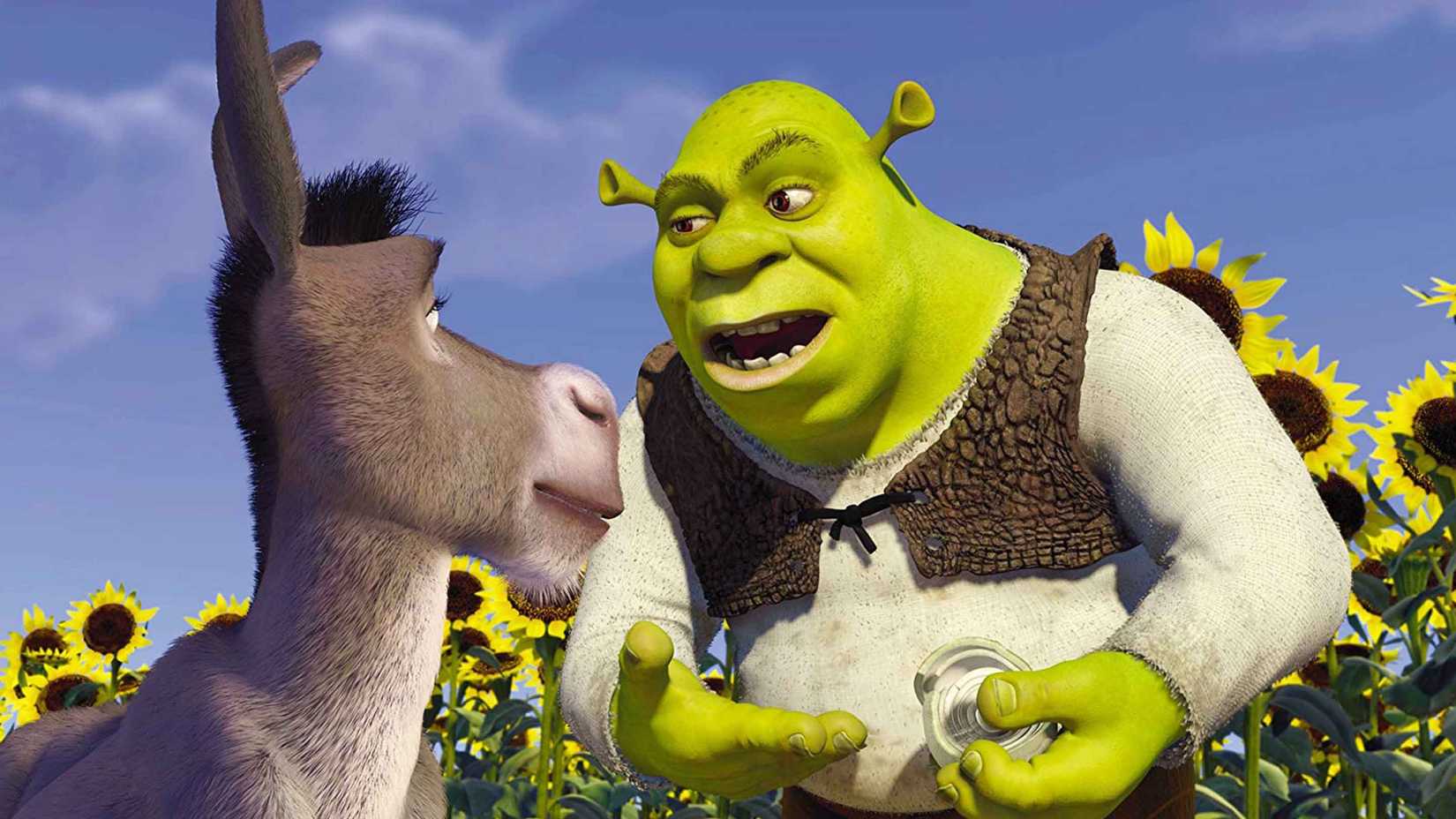 Image: Dreamworks
If Shrek looked out of sorts in Shrek the Third, Shrek Forever After signaled the franchise’s stagnation with a resounding bang. Although it introduced Rumpelstiltskin and his sketchy wish-granting abilities, the fairy-tale premise had become a backdrop for Shrek’s world rather than an essential driver of its narrative. Once more, new director Mike Mitchell looked elsewhere, having Shrek go through a midlife crisis.
Desperate to reclaim his old life and be seen as a “real ogre” (which feels like a direct shoutout to not being the toxic example of a “real man”), Shrek makes a deal with Rumpelstiltskin that transports him to a world where he never existed. It’s very It’s A Wonderful Life —right down to most people’s lives being worse in Shrek’s absence.
In many ways, Shrek’s moral decline can be seen as a drop in quality. By the end of Shrek the Third, Shrek is established not just as a good person willing to sacrifice himself for others, but as a good father. So when Shrek Forever After proves Shrek’s fears about being a deadbeat right, it feels like a gut punch. And while you could see it as a misunderstanding of Shrek’s character, the fairy-tale setting feels like a poignant reminder that, in this franchise at least, you can only believe the happy ever after if you stop telling the tale right after. That’s life, and life isn’t a fairy-tale.
Shrek 5 (2027)
Seventeen years after Shrek Forever After was presented as the final Shrek story, a new tale is on the way. When the film was first announced, rumors claimed the story would shift its focus from Shrek to his teenage daughter, Felicia. Other rumors claimed Lord Farquaad would return after escaping into the real world, where he had opened a Shrek-themed amusement park.
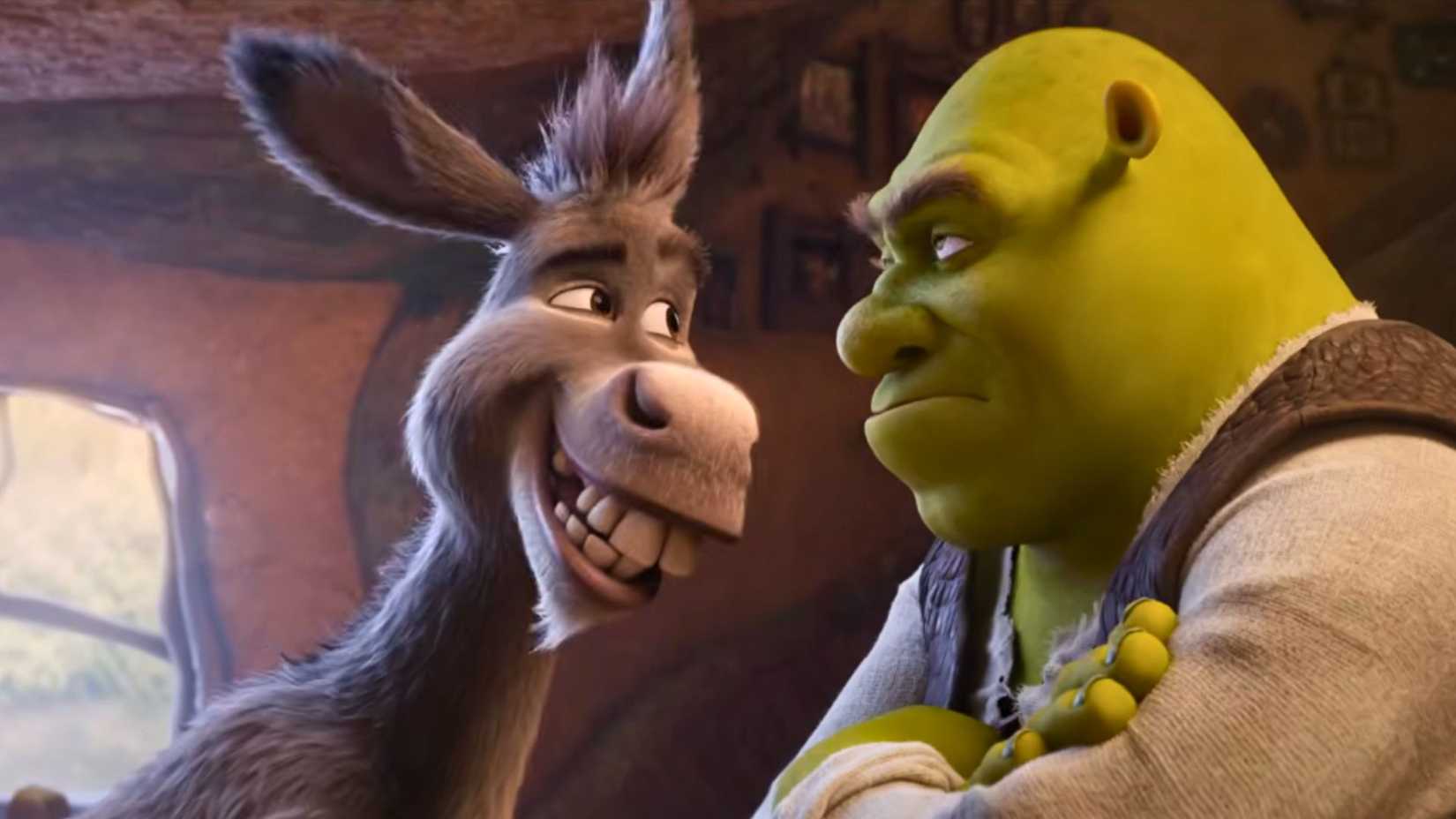 Image: DreamWorks/Universal Pictures
Those rumors remain unconfirmed, but the teaser trailer gives us so little beyond a few jokes at Disney’s Frozen that we’re still uncertain what it’s about. What we can tell, though, is that the fifth film seems more interested in rehashing iconic moments from previous films, like the prison break in Shrek the Third and the kaiju Gingerbread Man moment in Shrek 2.
As much as people may have rolled their eyes at Shrek Forever After, it at least let its fairy-tale setting affect the narrative, even if it wasn’t the main focus. As of now, it’s hard to tell whether Shrek 5 has a plan beyond trying to appeal to TikTok teenagers, or whether it's finally become the very thing its existence has sworn to destroy: shallow franchise content that sniffs its own farts. We’re rooting for you, Shrek.