
.jpg) 11 hours ago
2
11 hours ago
2
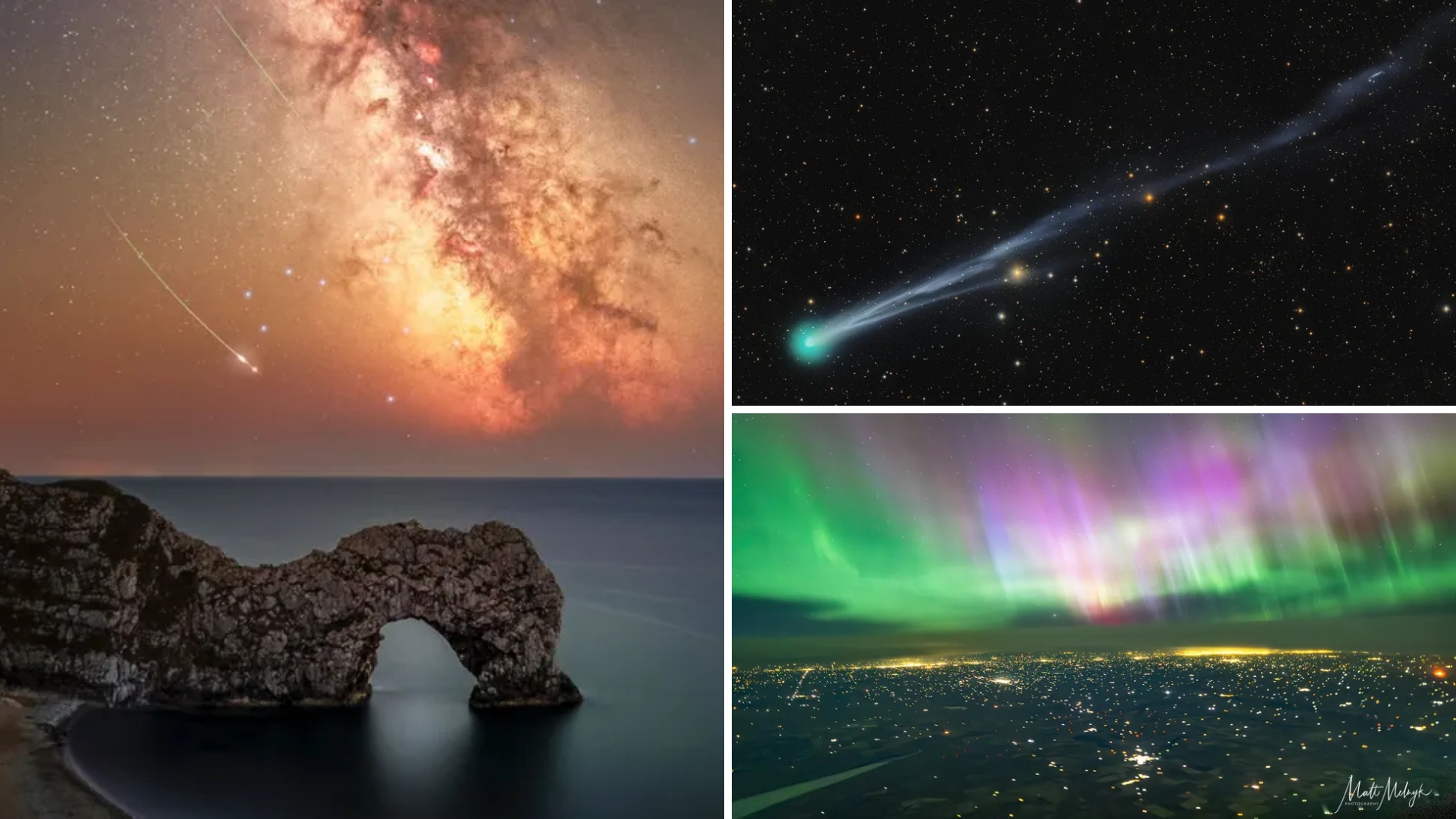
The sky served up no shortage of spectacle in 2025 —from lunar liaisons, solar prominences and fleeting meteor showers, to aurora and nebula scenes that unfold on a scale almost too massive for the human mind to comprehend.
And while we experience the cosmos first through the human eye, our vision has limits. We can't zoom in on distant nebulas, see the faintest glows, or safely take in the brightest targets — and much of the electromagnetic spectrum is invisible to us entirely.
10 Incredible astrophotography highlights of 2025
1. Plasma twists above the solar surface
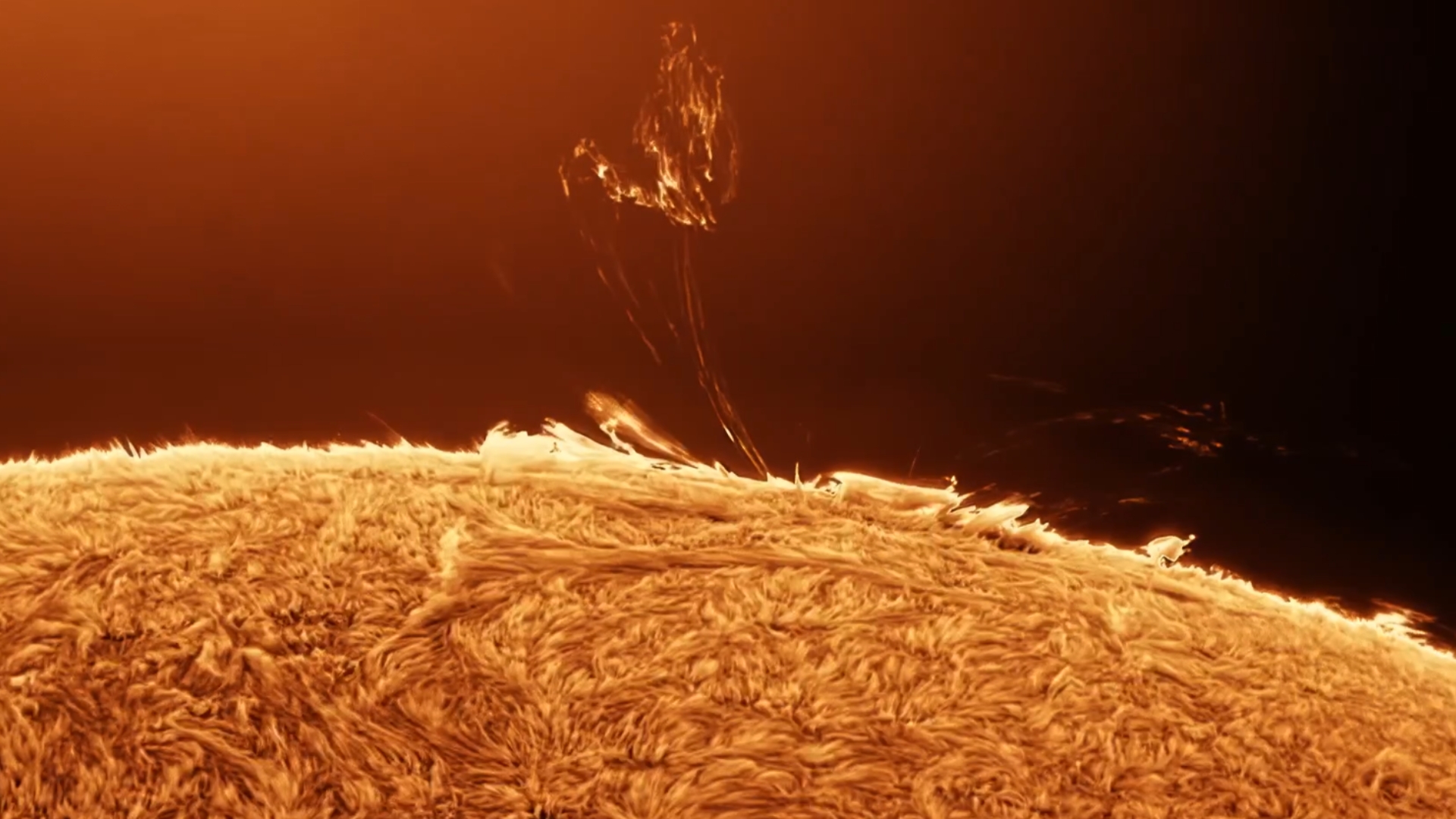
Astrophotographer Mark Johnston captured a jaw-droppingly detailed view of hydrogen plasma suspended in the powerful magnetic field above the sun on Oct. 20 from Willow Springs, Arizona, using a TEC160FL refractor telescope fitted with specialized filters.
2. A nebula shark is spied hunting through the depths of space
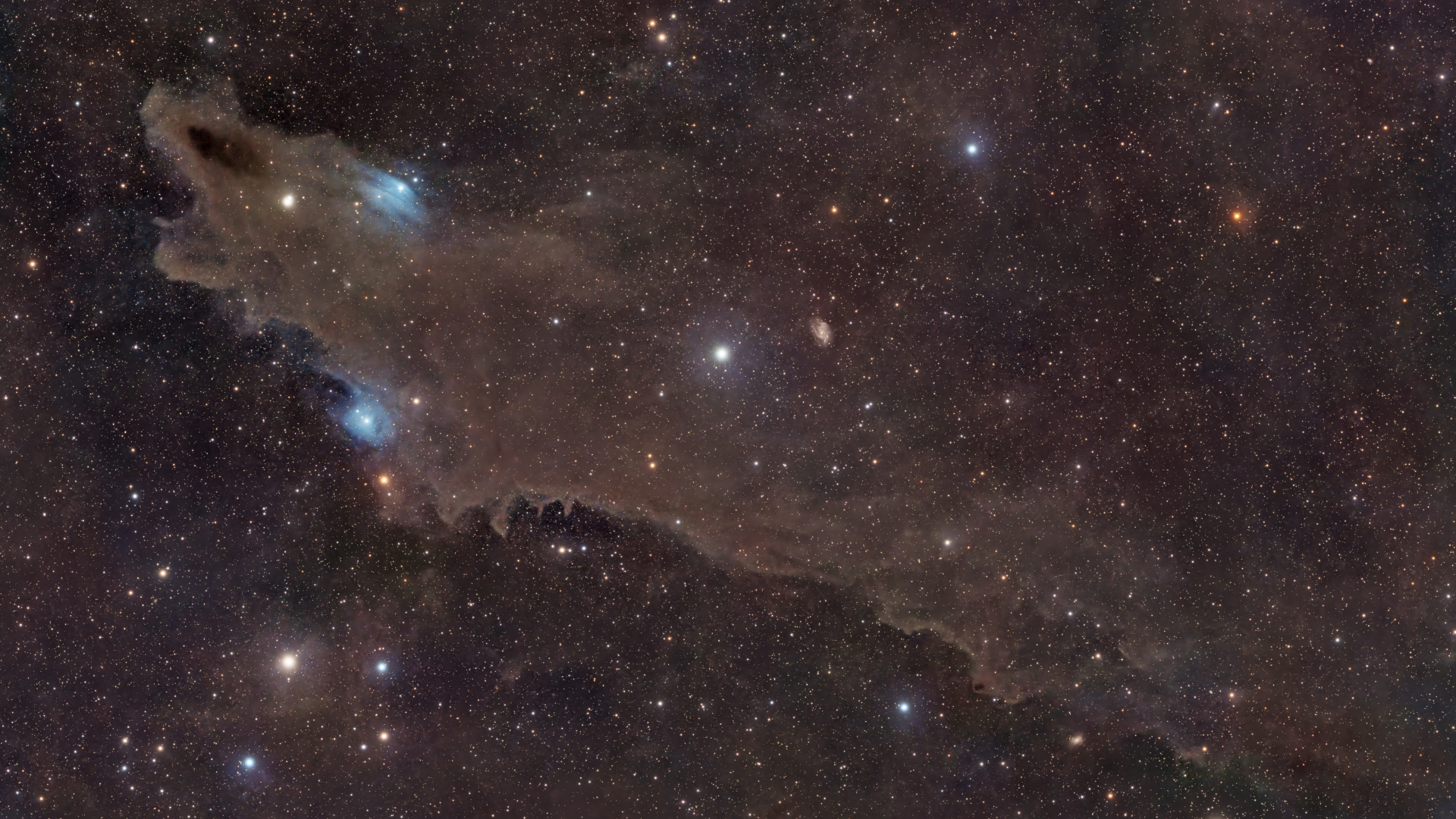
Ronald Brecher, meanwhile, set his sights further afield, targeting a spectacular deep-space nebula vista in the constellation Cepheus, some 650 light-years from Earth, which happens to resemble a vast cosmic shark swimming through deep space.
3. The moon and sun meet over Stonehenge
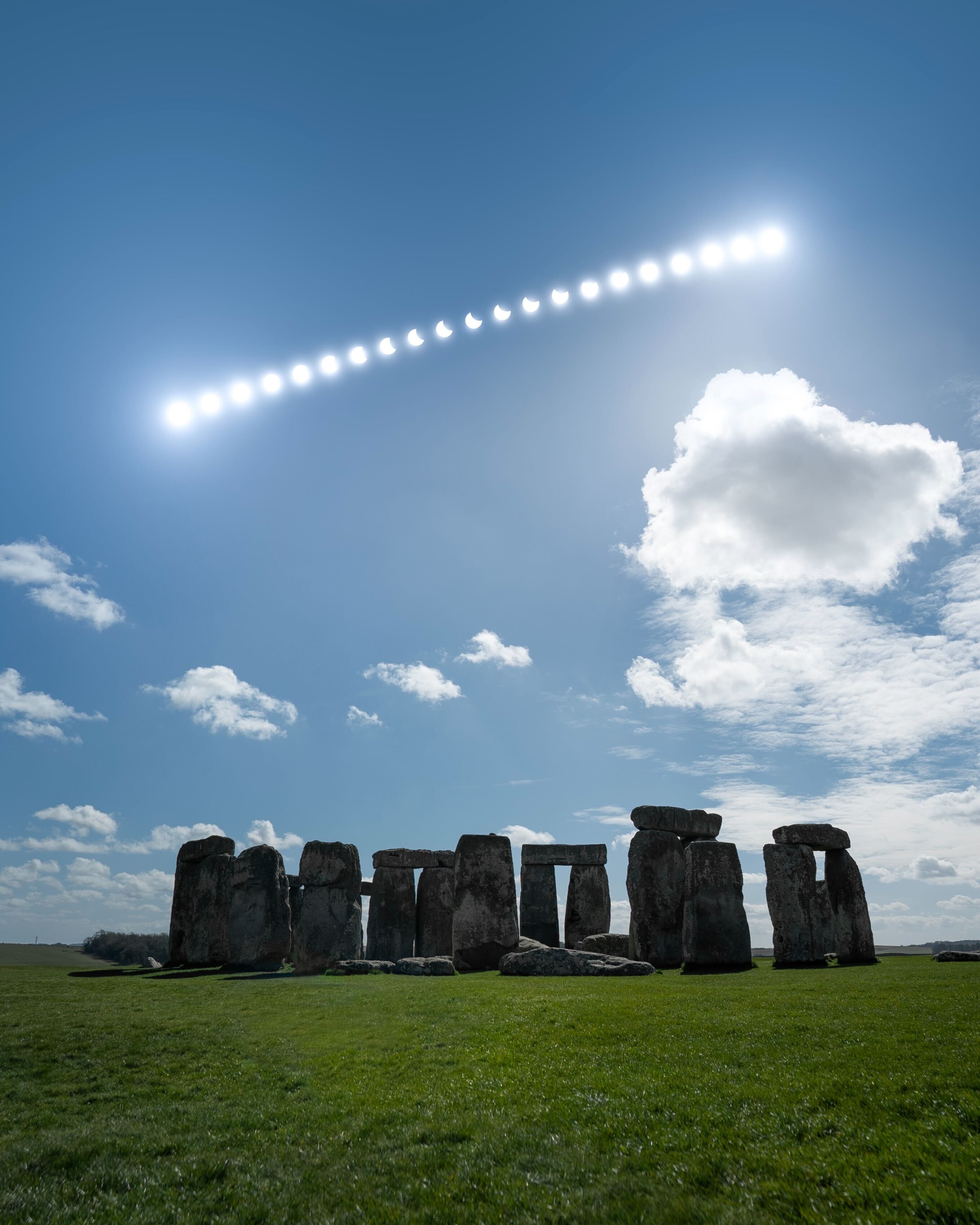
This gorgeous composite shot detailing the phases of a partial solar eclipse unfolding above the ancient monument of Stonehenge was captured by award-winning photographer Josh Dury as the moon slid between the sun and Earth on March 29.
4. Comet Lemmon twists in the solar wind
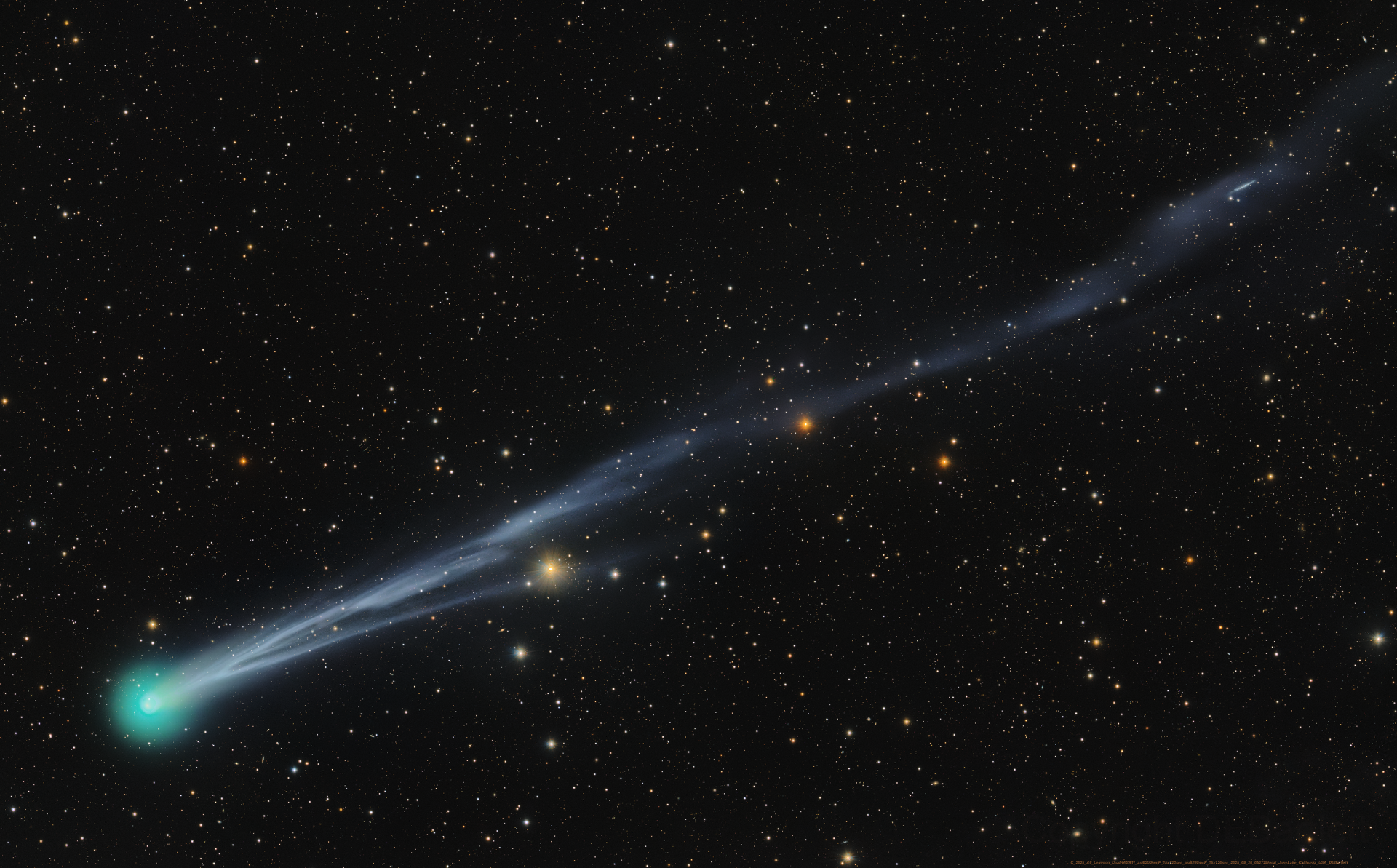
In a year packed full of phenomenal cometary capers, astrophotographer Dan Bartlett captured a staggering image of comet C/2025 A6 (LEMMON) looking its best as it shone in the skies over June Lake, California, on Sept. 26, as its tail twisted in the relentless stream of the solar wind.
5. The northern lights from 36,000 feet
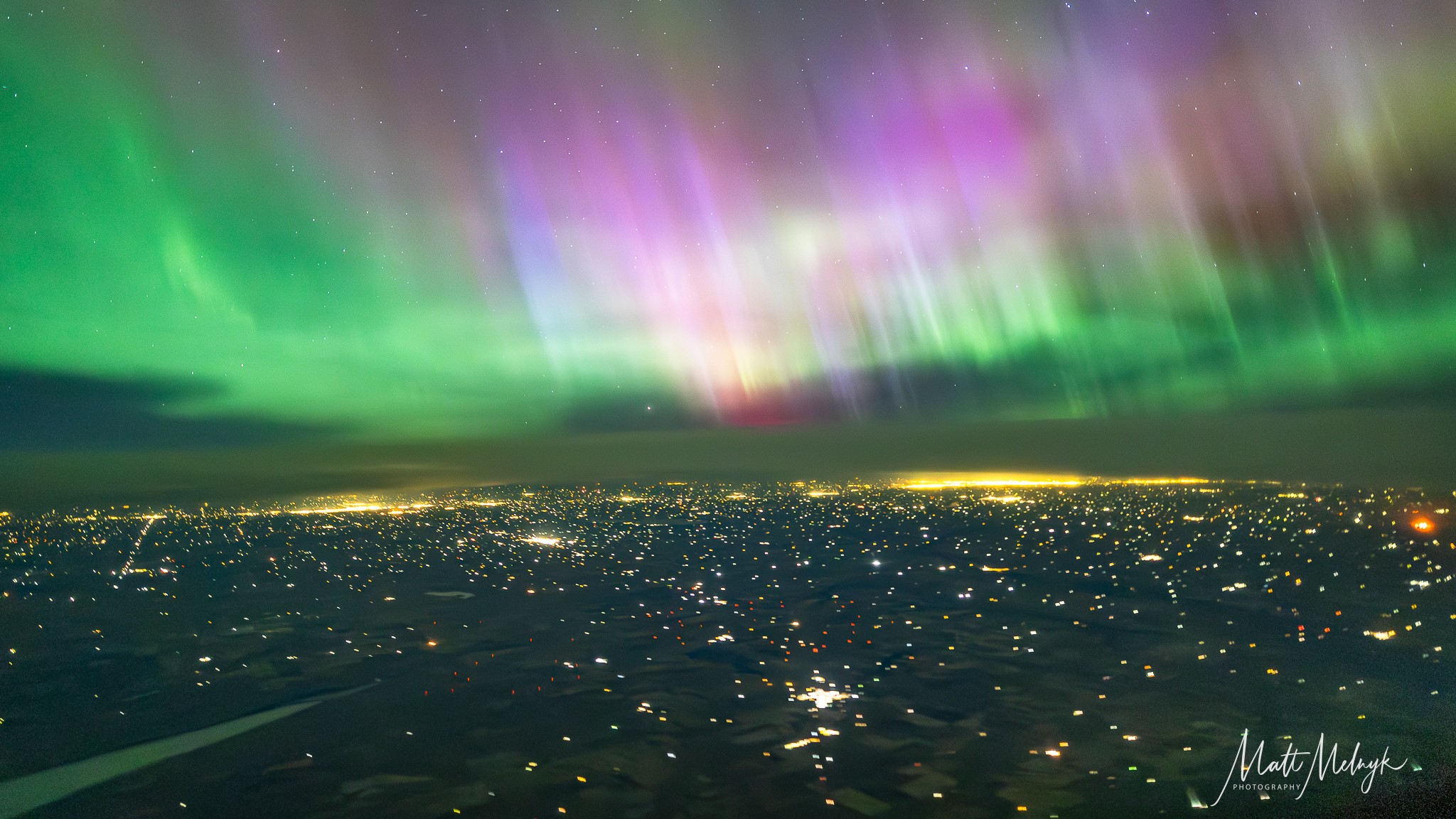
Of course, not all of the best astrophotography subjects exist beyond Earth's atmosphere. Airline pilot Matt Melnyk snapped an impressive view of the northern lights shining in the upper atmosphere from a height of 36,000 feet (11 kilometers), while shepherding a Boeing 787 from London to Calgary during a geomagnetic storm on Nov. 12.
6. A cosmic baboon rages light-years from Earth
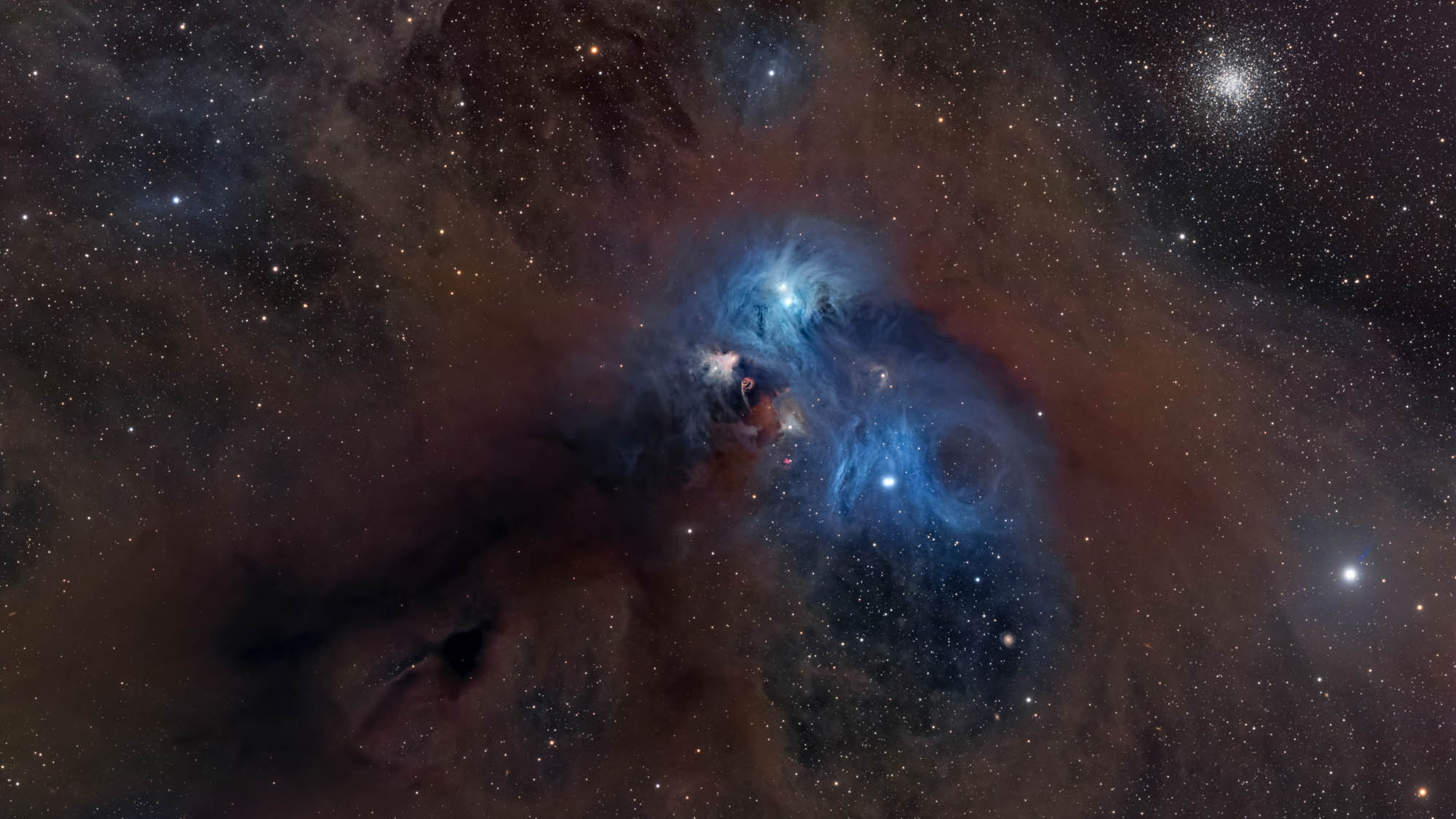
Astrophotographer Greg Meyer captured light of a more ancient variety while imaging a nebula 500 light-years from Earth in the constellation Corona Australis, which takes on the shape of a mandrill with glowing blue eyes in long-exposure photography.
7. Perseid meteors race the Milky Way
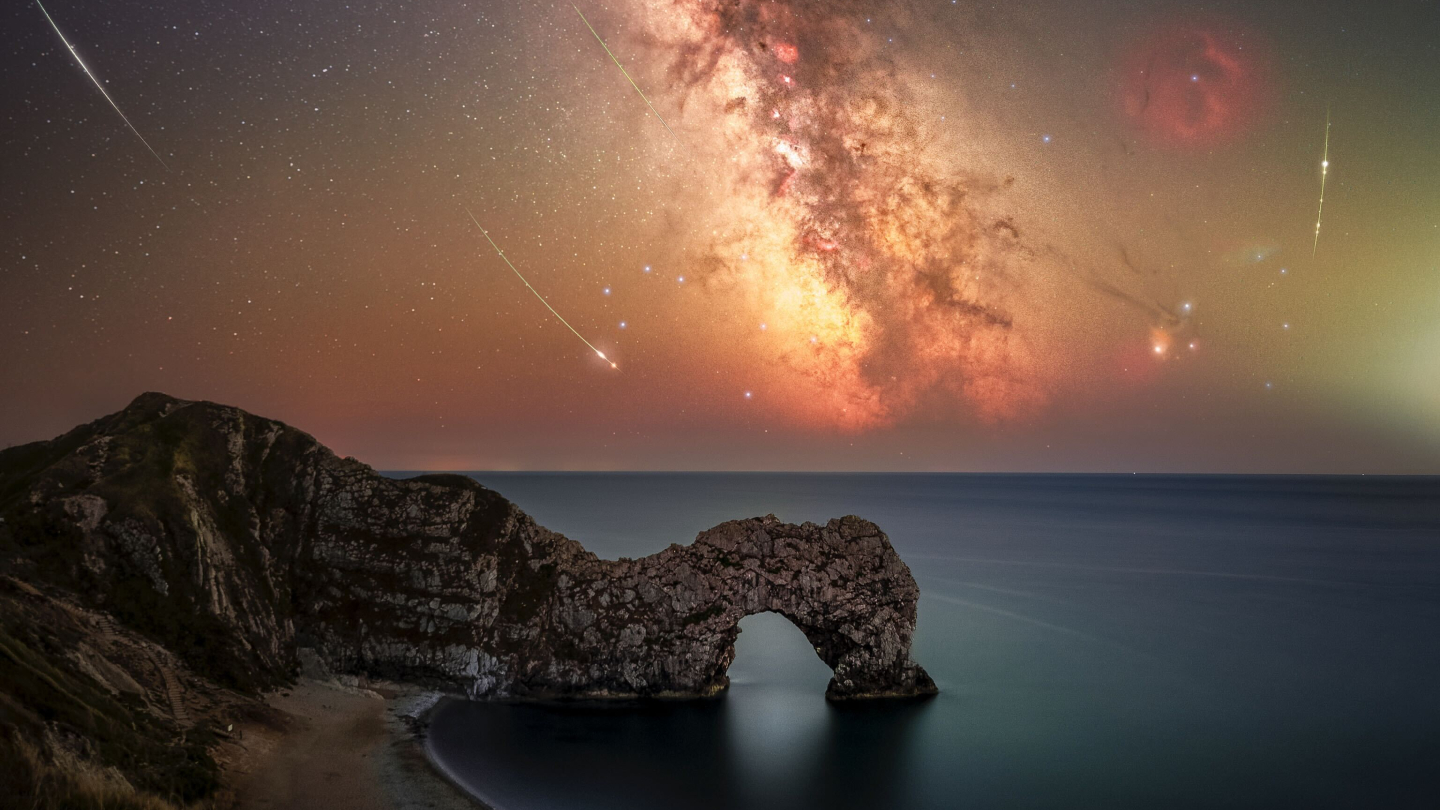
This stunning composite from Josh Dury shows shooting stars belonging to the annual Perseid meteor shower streaking towards the horizon alongside the glowing band of the Milky Way above the iconic Durdle Door rock formation in Dorset, United Kingdom.
8. An 'Elve' red halo flashes to life over the Italian Alps
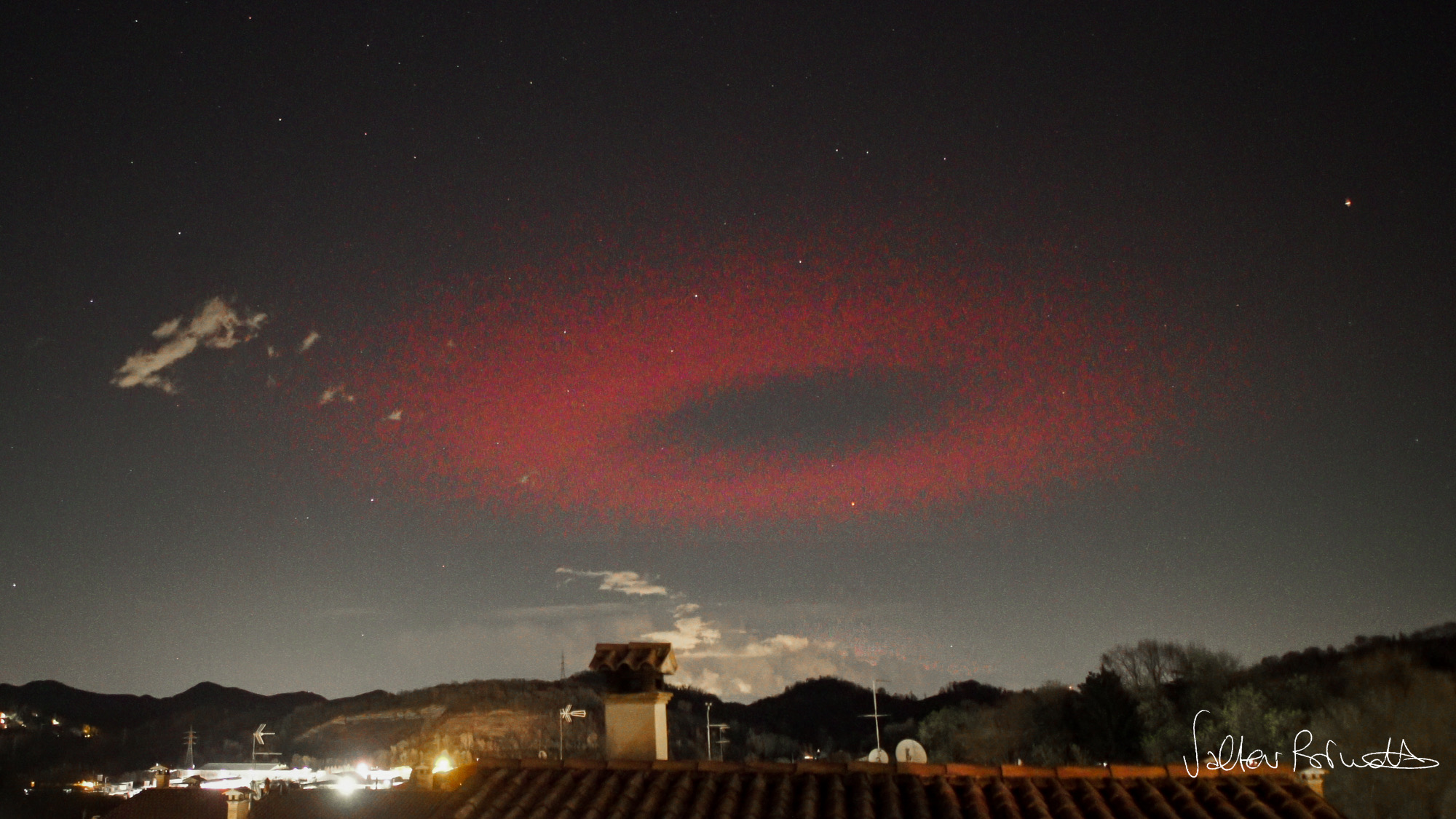
Valter Binotto, meanwhile, was able to capture a split-second view of a red ring manifesting over the Italian Alps on Nov. 17. This strange phenomenon, known as an "elve", is a super-rare form of lightning that occurs in the upper atmosphere, which lasts less than a thousandth of a second and can span up to 300 miles (480 km) in diameter, according to NOAA.
9. Comet C/2025 R2 (SWAN) crosses the Eagle Nebula

Astronomer Daniele Gasparri seized the opportunity to image the glowing green coma and diffuse tail of comet C/2025 R2 (SWAN) as it passed in front of the Eagle Nebula in the constellation Serpens, the serpent on the night of Oct. 17. Look to the left of the comet to find the iconic Pillars of Creation — vast collections of dust and gas made famous by the Hubble Space Telescope — nestled beneath a population of stars close to the nebula's glowing core.
10. A blood moon over Egypt
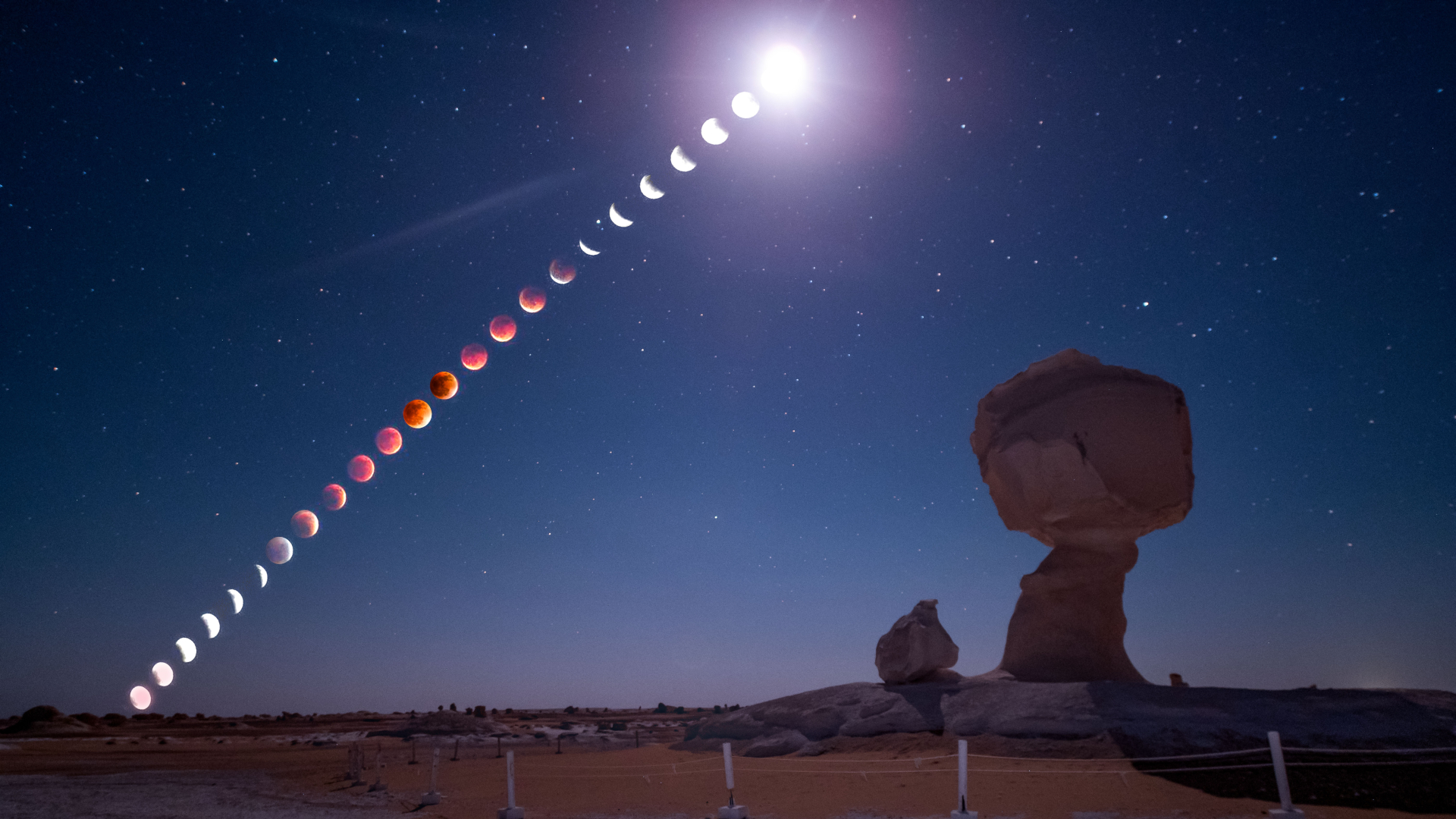
Finally, photographer Osama Fathi captured a beautiful composite scene chronicling the rise of the Sept. 7 "Blood Moon" as it soared into the skies over the chalk formations in Egypt's White Desert, while contending with the shifting light conditions and destabilizing gusts of wind.
Feeling inspired to take the first steps on your own astrophotography journey? Then why not check out our picks of the best cameras and lenses for imaging the night sky to ensure that you're ready for 2026.
Editor's Note: If you would like to share your astrophotography with Space.com's readers, then please send your photo(s), comments, and your name and location to [email protected].
 English (US)