
.jpg) 4 hours ago
2
4 hours ago
2
Lacoste translates its sporting heritage into a permanent Paris café, formalising its expansion into hospitality as part of a broader lifestyle strategy.
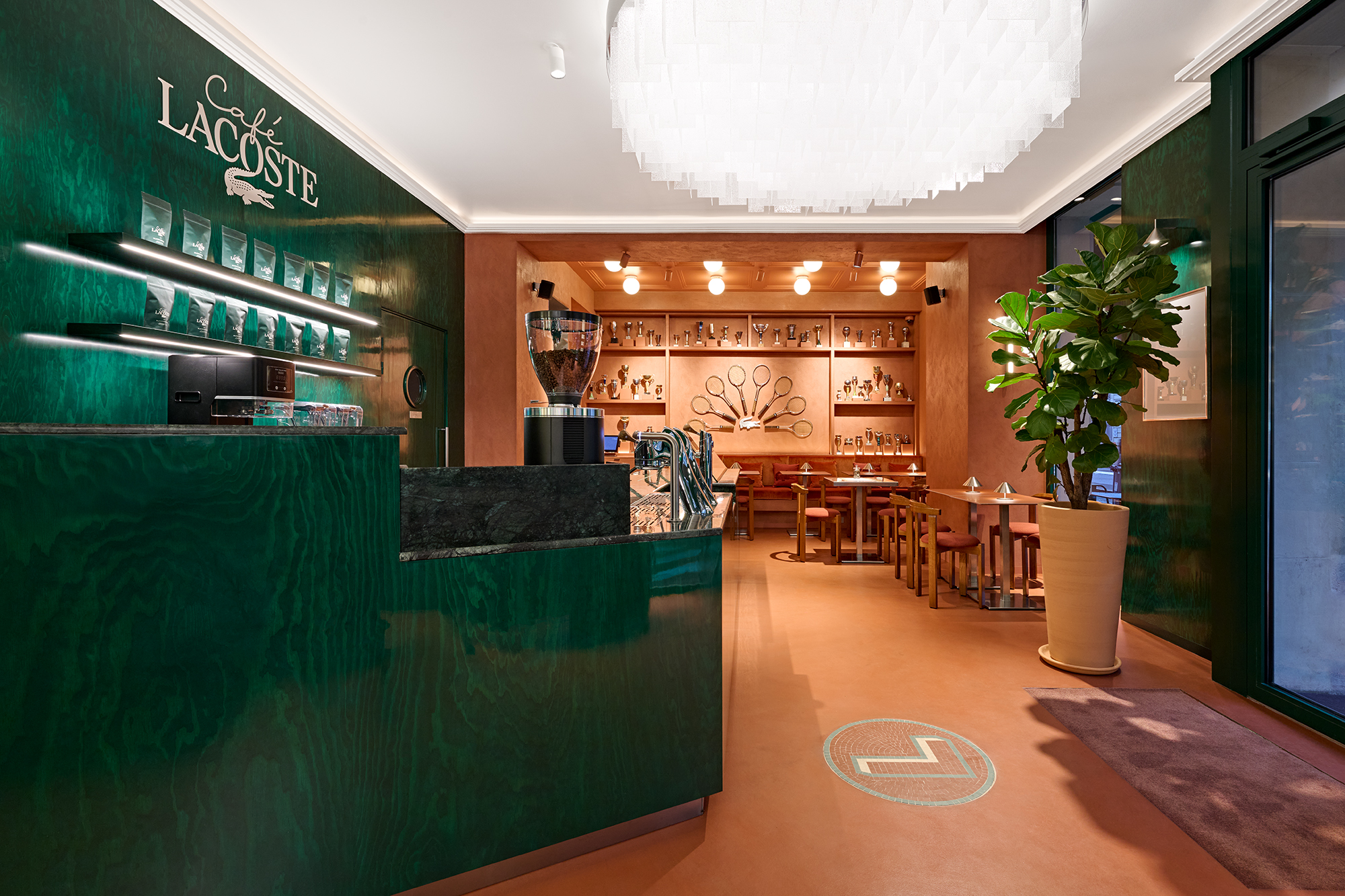
Earlier this month, Lacoste inaugurated its first permanent Café Lacoste in Paris’s 8th arrondissement. Located a short walk from its Champs-Élysées flagship store, the 100-square-metre space with 65 seats marks the latest hospitality activation for the brand within its home city. The Café Lacoste Paris follows a successful trial in Monaco and is developed in partnership with the Giraudi Group — founded by Riccardo Giraudi — which has built international restaurant concepts for more than two decades. The collaboration pairs Lacoste’s French sporting codes with the group’s operational and culinary expertise, positioning the café as a considered lifestyle extension to the luxury brand.
The interior set-up and furnishings of Café Lacoste are aligned with the Maison’s identity. The interior revisits core brand codes — deep green and off-white tones, touches of terracotta, noble materials and architectural lines inspired by the geometry of the tennis court. The effect reinforces Lacoste’s link between retail, sport and hospitality. The venue is designed around the contemporary urban rhythms of Lacoste’s customers, offering dine-in and takeaway, with delivery planned. Its proximity to the flagship strengthens the ecosystem of fashion, sport and now gastronomy operating within the same neighbourhood footprint.
From Pop-Up to Permanent Presence
Lacoste has been testing the hospitality market for several seasons. Through Le Club Lacoste, it has staged temporary concepts around major tennis and golf events in Paris, Melbourne, New York, Deauville and Miami. During the Australian Open, the brand took over Afloat on Melbourne’s Yarra River. At Wimbledon in 2023, it activated Alto in London. In Deauville and later New York at Dumbo House, similar initiatives brought together athletes, cultural figures and VIP clients.
Lacoste had also previously collaborated with Shangri-La Paris during Roland-Garros and piloted its first café concept at Le Méridien Beach Plaza in Monte-Carlo. These previous projects could have been seen as something of a controlled market test to see how Lacoste’s codes could operate beyond fashion apparel. The Parisian cafe opening consolidates this lifestyle experimentation into a permanent format.
Crocodile on a Plate
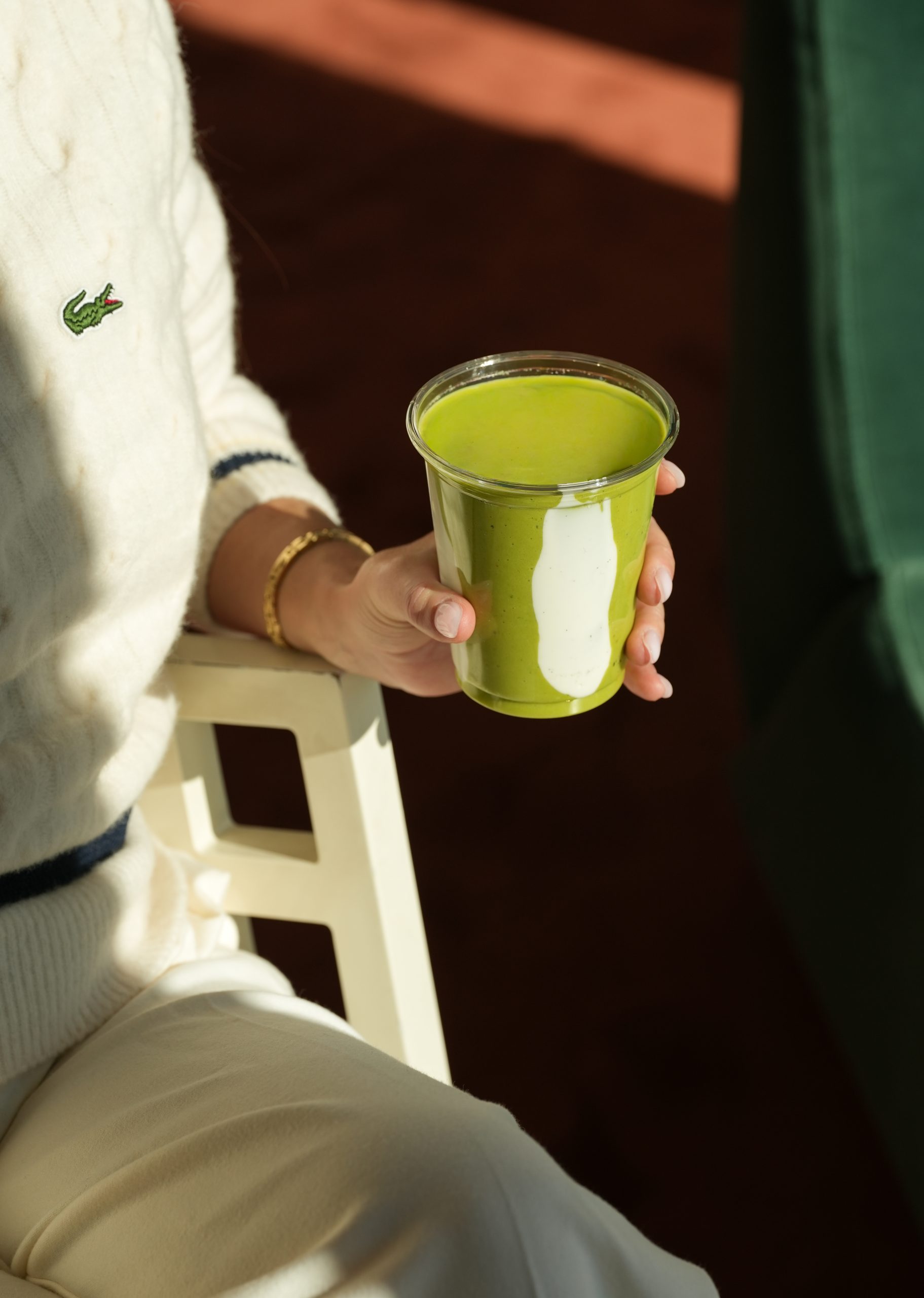
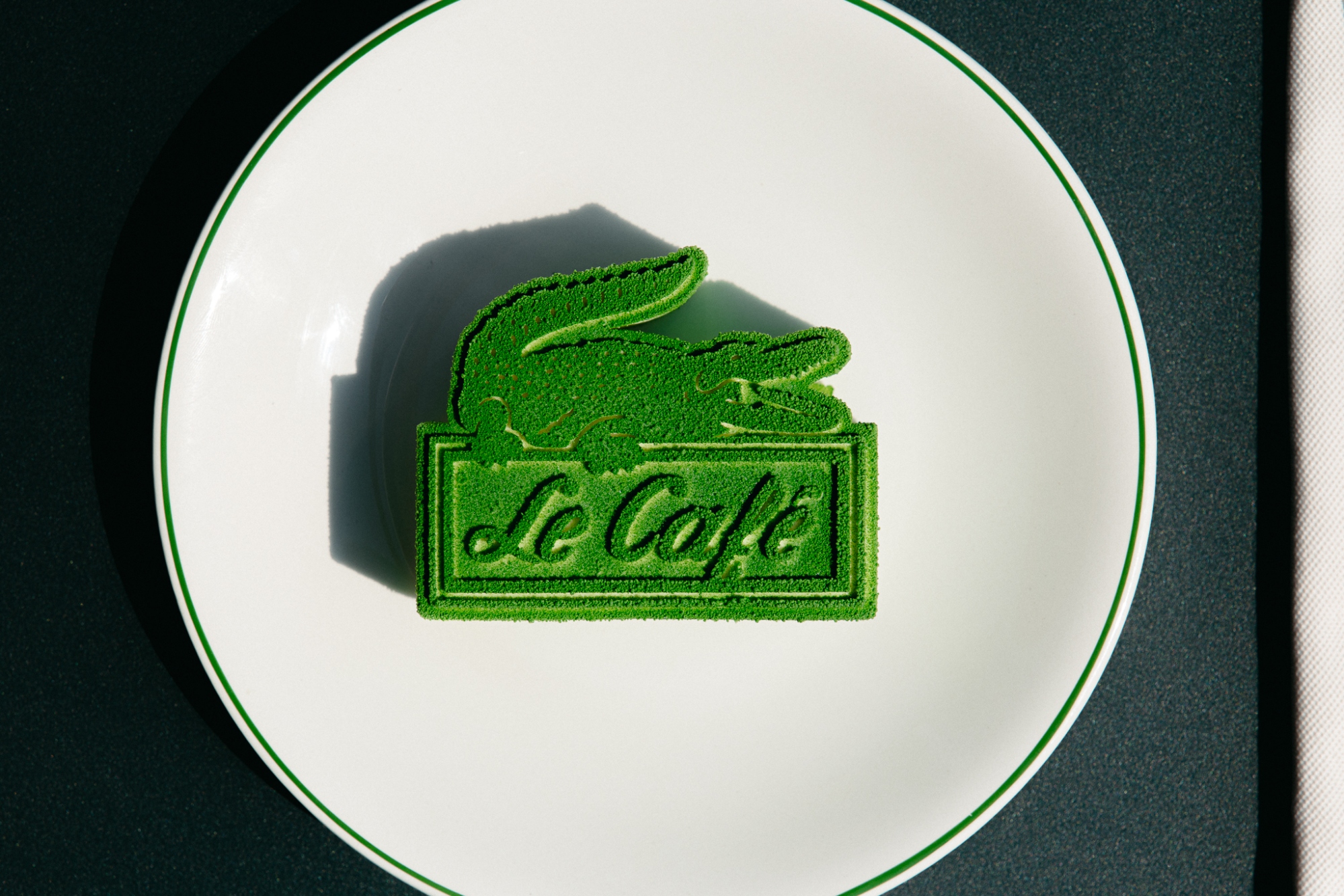
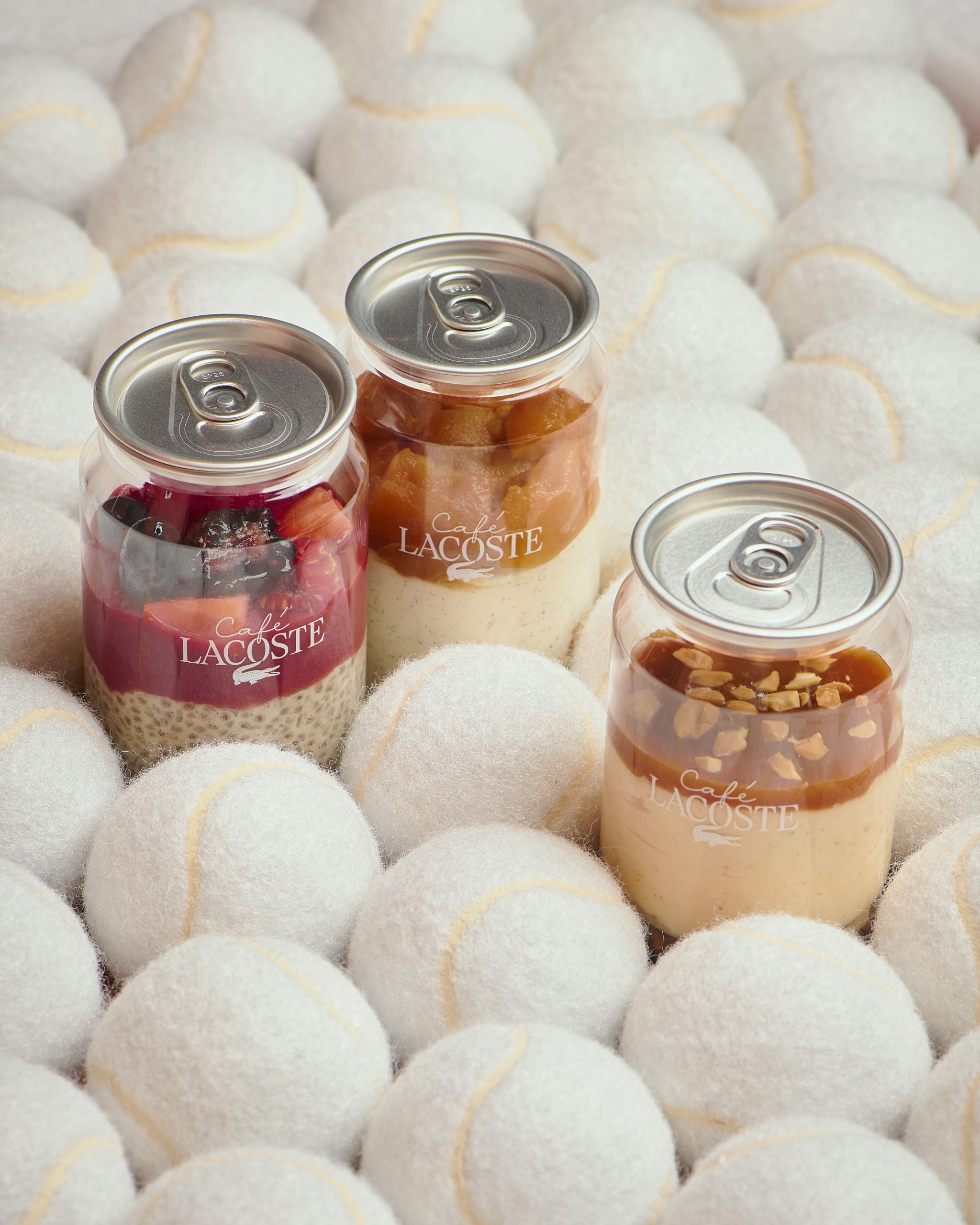
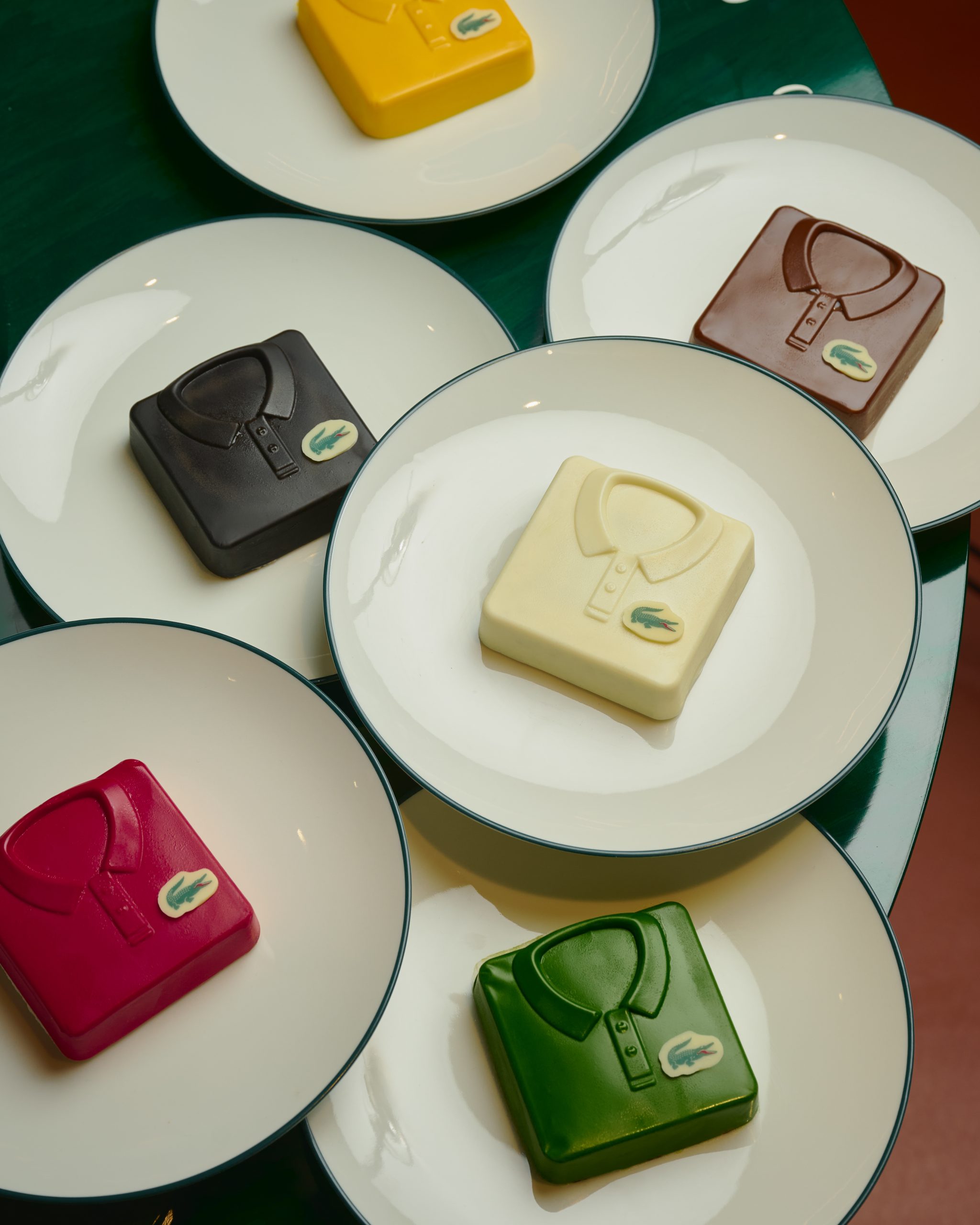
Under the direction of Thierry Paludetto — chef of the Giraudi Group — the menu reinterprets familiar staples including club sandwiches, fresh salads, seasonal dishes and signature desserts. Among the core offerings is the signature green Polo Cake which is a not-so-subtle reference to the brand’s emblem in edible form. The beverage selection centres on artisan-roasted specialty coffees and flavoured lattes including pistachio, vanilla and chai. A signature drink — L’Eau de Croco — blends coconut water, matcha and ginger. “Le Chose” — a cocktail originally invented by René Lacoste in 1967 — reinforces the historical link.
Beyond food and drink, the café incorporates a concept store retailing fine grocery items, Lacoste-branded French porcelain and a dedicated textile capsule. This hybrid model reflects a wider strategy which sees the brand extending its product categories through experiential environments.
Why Luxury Is Moving into Hospitality
Lacoste’s move is consistent with a broader recalibration across the luxury sector. As product cycles accelerate and digital channels dominate transactions, physical space has become a strategic asset for differentiation. Cafés, restaurants and hotels offer brands control over atmosphere, service and dwell time — elements that deepen emotional engagement in ways that retail alone cannot.
Hospitality also allows houses to articulate their values in a lived context. In Lacoste’s case, the emphasis on sport, community and everyday elegance translates naturally into a café environment. It reinforces the brand’s positioning as an art de vivre label rather than solely a fashion company.
Comparable initiatives include Ralph’s Coffee by Ralph Lauren and Café Kitsuné, which have demonstrated that hospitality can operate as both revenue stream and brand amplifier. For Lacoste and the Giraudi Group, the Paris opening establishes a scalable blueprint, with future locations anticipated.
A Strategic Extension of Identity
As Éric Vallat — CEO of Lacoste — notes that the café extends the brand’s universe into a shared living space anchored in its sporting and cultural heritage. For Riccardo Giraudi, the partnership merges gastronomic rigour with the enduring appeal of the Crocodile. By moving into hospitality, brands create lower-barrier access to their universe, attracting consumers who may not commit to high-priced ready-to-wear yet are comfortable engaging through affordable lifestyle offerings like coffee and cakes. The debut of Café Lacoste — a 65-seat café in a Haussmannian building in central Paris — represents the multidimensional layer of what a fashion house can achieve by curating an entire lifestyle ecosystem where its codes can be incorporated and experienced in one’s daily life.
For a brand founded in 1933 that made its name on the reinvention of the tennis polo, the move into hospitality seems like a logical progression to ensure the Lacoste Crocodile occupies not only the wardrobes, but also the tables of its varied clientele.
Café Lacoste is located at 16 avenue Franklin Delano Roosevelt 75008, Paris and is open Monday to Saturday from 7.30am to 7.00pm.
Click here for more information.
For more on the latest in luxury lifestyle and gastronomy reads, click here.
 English (US)