
.jpg) 9 hours ago
3
9 hours ago
3
Apr 03, 2026, 12:15:24 PM IST

1/8
Reassess your portfolio
Rising geopolitical tensions in the Middle East have pushed up crude oil prices, triggering a rise in bond yields in India. Higher oil prices, along with a weakening rupee, are stoking inflation concerns and prompting investors to reassess their debt portfolios as mark-to-market losses emerge—particularly in long-duration funds, as reported by ET Bureau.
Getty Images

2/8
Why are bond yields rising?
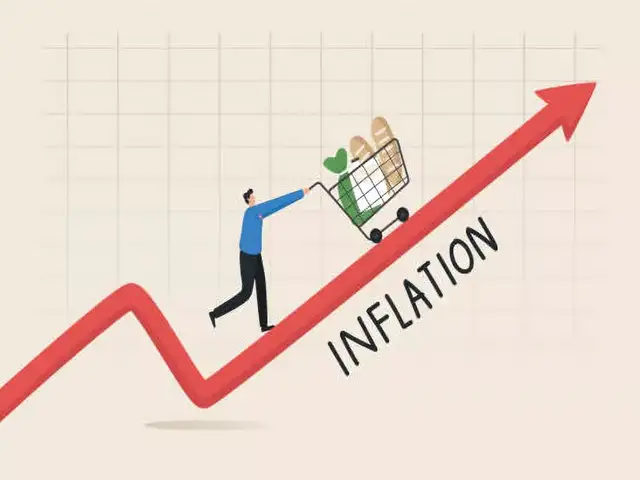
Bond yields are climbing due to a combination of rising crude oil prices and a weakening rupee, both of which add to inflationary pressures.
IANS

India’s 10-year benchmark yield has risen to around 7% from 6.68% a month ago. Crude oil prices have surged to $115–$120 per barrel. Since India imports nearly 85% of its oil needs, higher prices directly feed into domestic inflation through increased transportation and production costs. At the same time, the rupee has weakened to around 95 against the US dollar, making imports more expensive.
IANS
4/8
Demand for inflation premium
In such an environment, investors demand higher yields to compensate for inflation and currency risks. Tightening liquidity conditions and expectations of higher interest rates further push bond prices lower and yields higher.
iStock

The impact varies by fund type and maturity. Long-duration funds are more sensitive to rising yields and may see sharper short-term losses, while short-duration funds face limited impact and benefit gradually as they reinvest at higher rates.
Getty Images

According to Value Research data, long-duration funds have declined about 2.5% over the past three months. Gilt funds are down around 1.4%, while dynamic bond funds have seen relatively limited declines of about 0.4% over the same period.
iStock

7/8
How should long-term investors react?
Investors in long-duration or gilt funds should avoid panic selling if their investment horizon is 3–5 years. Over time, accrual income and potential yield softening can help offset interim losses.
iStock

For investors with a shorter time horizon—typically less than a year—liquid and ultra-short duration funds are more suitable. These funds carry lower interest rate risk and offer relatively stable returns in the current environment. Investors looking to benefit from potential capital appreciation in gilt funds should wait for clearer signs of stability in crude oil prices and the rupee before increasing exposure.
ETMarkets.com
 English (US)