
.jpg) 1 hour ago
2
1 hour ago
2
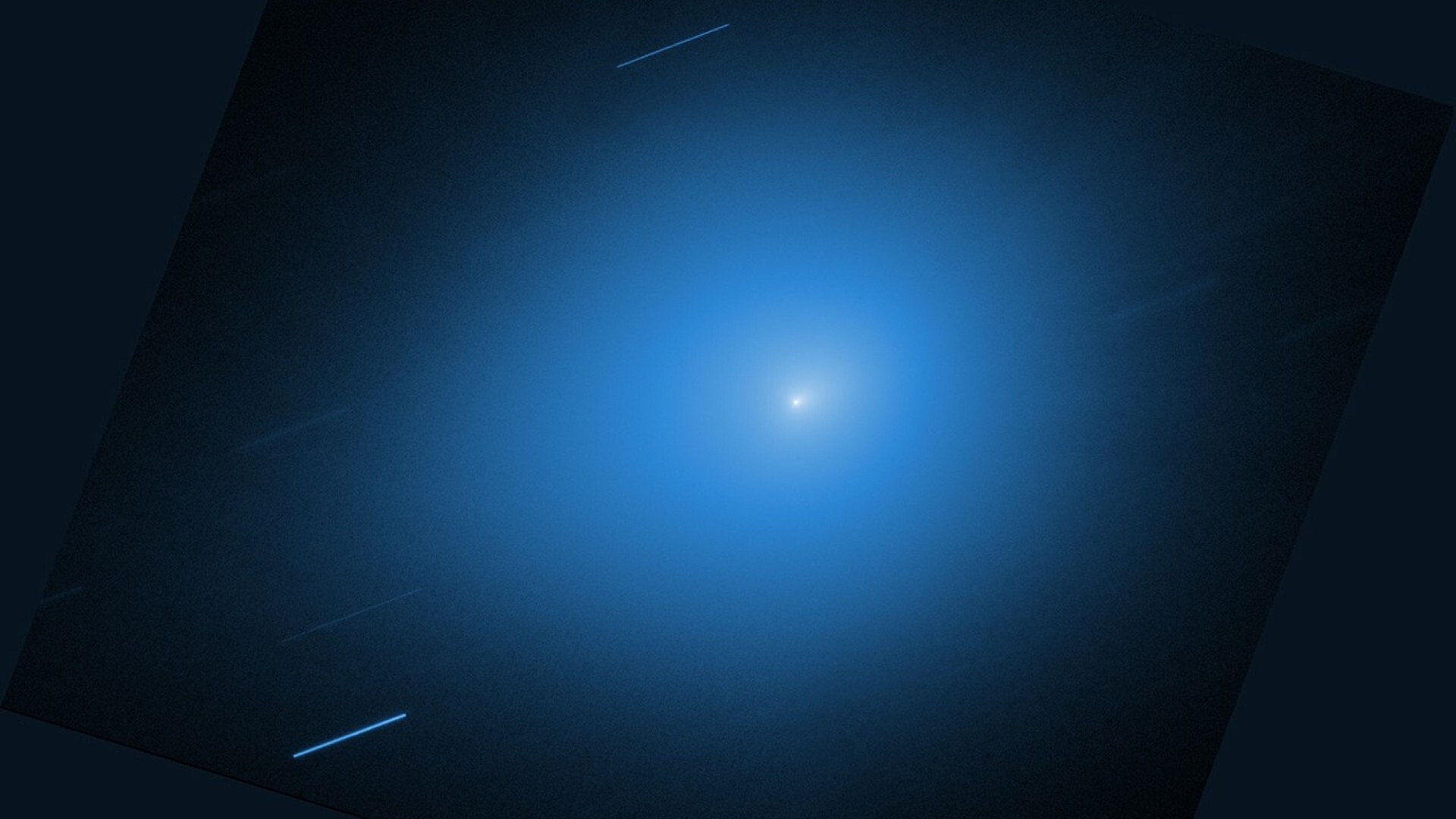
Imagine a visitor from beyond our cosmic neighborhood. Not just from the next street over, but from an entirely different star system, a place we can only dream of reaching.
These ancient wanderers, like comet 3I/ATLAS, are cosmic time capsules. They carry the elemental fingerprints of other stellar nurseries, offering a rare glimpse into the primordial ingredients that built worlds far, far away. Humanity wants to know the universal recipe for planet formation, and these interstellar objects are the closest we get to a direct taste.
The ability to track atomic nickel (Ni) and iron (Fe) emissions in a comet, both before and after it swings by its star, is a big deal. For comets born in our own solar system, this kind of comprehensive dataset is almost unheard of. Only one solar system comet, C/2002 V1 (NEAT), has given us anything comparable. So, for an interstellar comet like 3I/ATLAS to provide such rich information, it is like hitting the cosmic jackpot.
Why do these specific metals matter so much? Nickel and iron are heavy elements. They are fundamental building blocks for rocky planets. Seeing their abundance and how they behave in an object from another star system tells us a lot about the "primordial metallicity" of that system.
Think of it as checking the ingredients list of a cake that came from a bakery on another planet. We want to know what flour, sugar and spices they use. These Ni and Fe measurements offer a promising pathway to explore the foundational elemental makeup of other planetary systems. This lets us compare their cosmic recipe with our own, asking if all star systems use the same basic set of ingredients to whip up planets. We are essentially trying to understand if the universe has a standard pantry for making worlds.
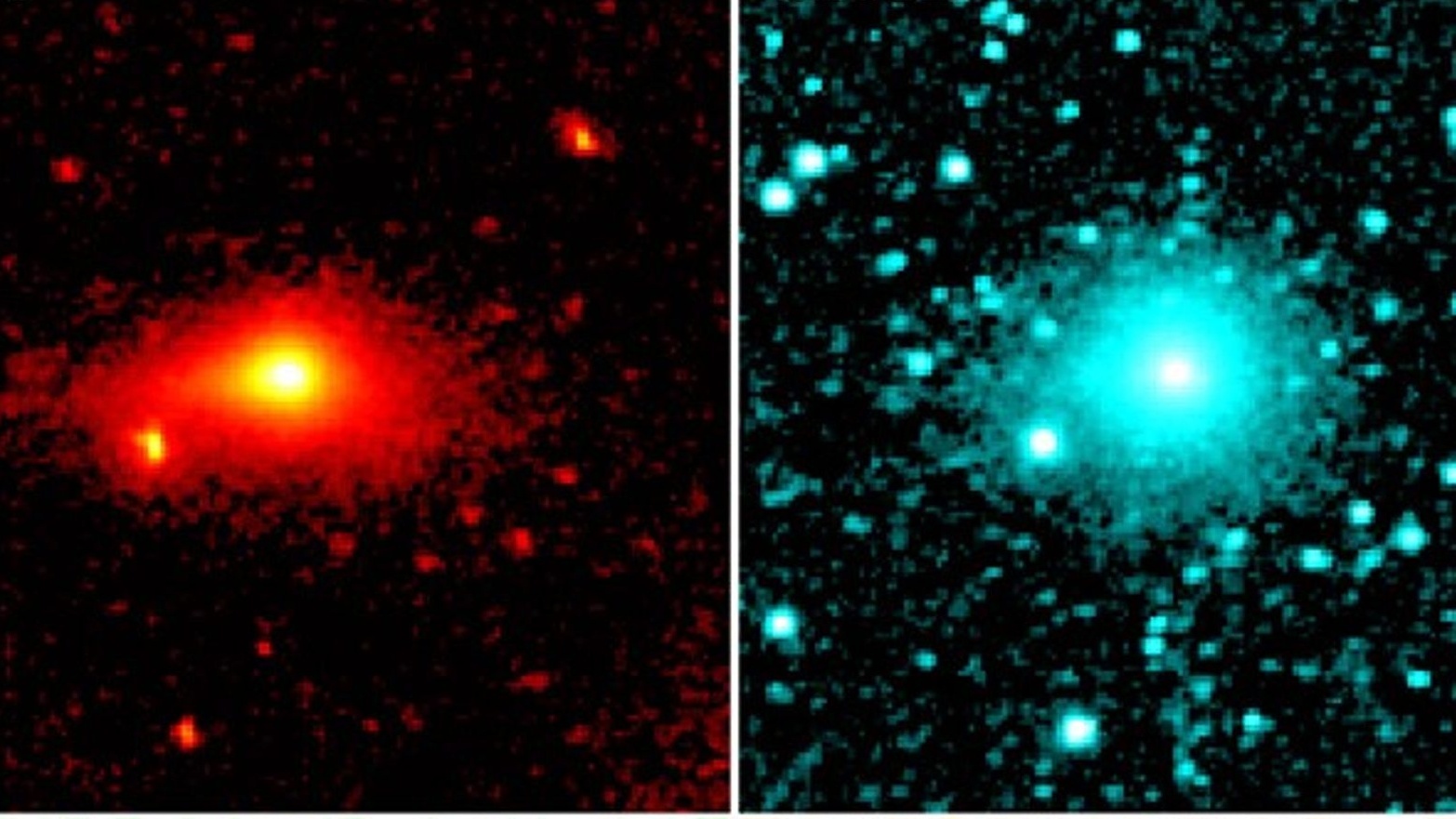
Now, the universe rarely makes things simple for us. While 3I/ATLAS gave us this fantastic data, its behavior after passing the sun threw a bit of a curveball. The comet's post-perihelion observations, particularly the chemistry it exhibited, looked surprisingly similar to objects from our own solar system. We saw detections of methanol, ethane, and dark dust in new SPHEREx analyses, which are common in our local comets. This similarity means that the comet's outer layers, the ones we could observe, had been significantly processed by the sun's radiation. It is like trying to guess what a raw ingredient tastes like after it has been thoroughly cooked and seasoned.
But new research shows that 3I/ATLAS does not directly expose the pristine material from which it originally formed. The outer layers we observed are not the untouched, deep-space stuff. They are the sun-baked crust. This complicates our quest to directly read the "primordial metallicity" from its surface. It means we cannot just look at the emissions and declare, "Aha, this is exactly what their star system is made of." We have to account for the sun's influence, which adds another layer to the cosmic detective work.
This twist — that 3I/ATLAS' outer layers have been baked by the sun — does not derail our mission. It just makes the science more interesting. Astronomers are clever. They will find ways to peel back those layers, to understand the processing, and to infer the original composition from the altered signals.
This work, even with its complexities, helps us dissect the metallic fingerprints of these cosmic wanderers. It is a crucial step in decoding the universal recipe for planet formation. We are connecting the story of our own solar system, with its familiar planets and ingredients, to the vast, unknown origins of worlds across the Milky Way galaxy. Every piece of data, every observation, helps us build a more complete picture. We are searching for the foundational ingredients that shape worlds, from the smallest asteroid to the largest gas giant. Ultimately, this quest is about more than just comets and metals. It is about understanding our own cosmic origins and our place in the vast, sprawling cosmos. These interstellar visitors are not just rocks and ice; they are messengers, carrying tales of distant stellar nurseries, helping us write the grand narrative of how the universe builds worlds.
So, even with the sun's interference, 3I/ATLAS delivered a treasure trove of data. It showed us that, even when a cosmic messenger gets a little singed on its journey, it still carries invaluable information. The precise tracking of nickel and iron, before and after the comet's solar encounter, remains an unprecedented feat. We now have a deeper understanding of how these interstellar comets evolve under stellar radiation. More importantly, we have a new, albeit complex, pathway to explore the primordial metallicity of other planetary systems. The journey to decode the universe's recipe for planet formation is long, but every interstellar visitor brings us closer. They are the original cosmic explorers, and by studying their metallic whispers, we are learning the secrets of worlds we may never see directly. It is a humbling and exciting prospect, connecting our tiny corner of the galaxy to the grand, elemental story of star systems far beyond our own.
 English (US)