
.jpg) 3 hours ago
2
3 hours ago
2
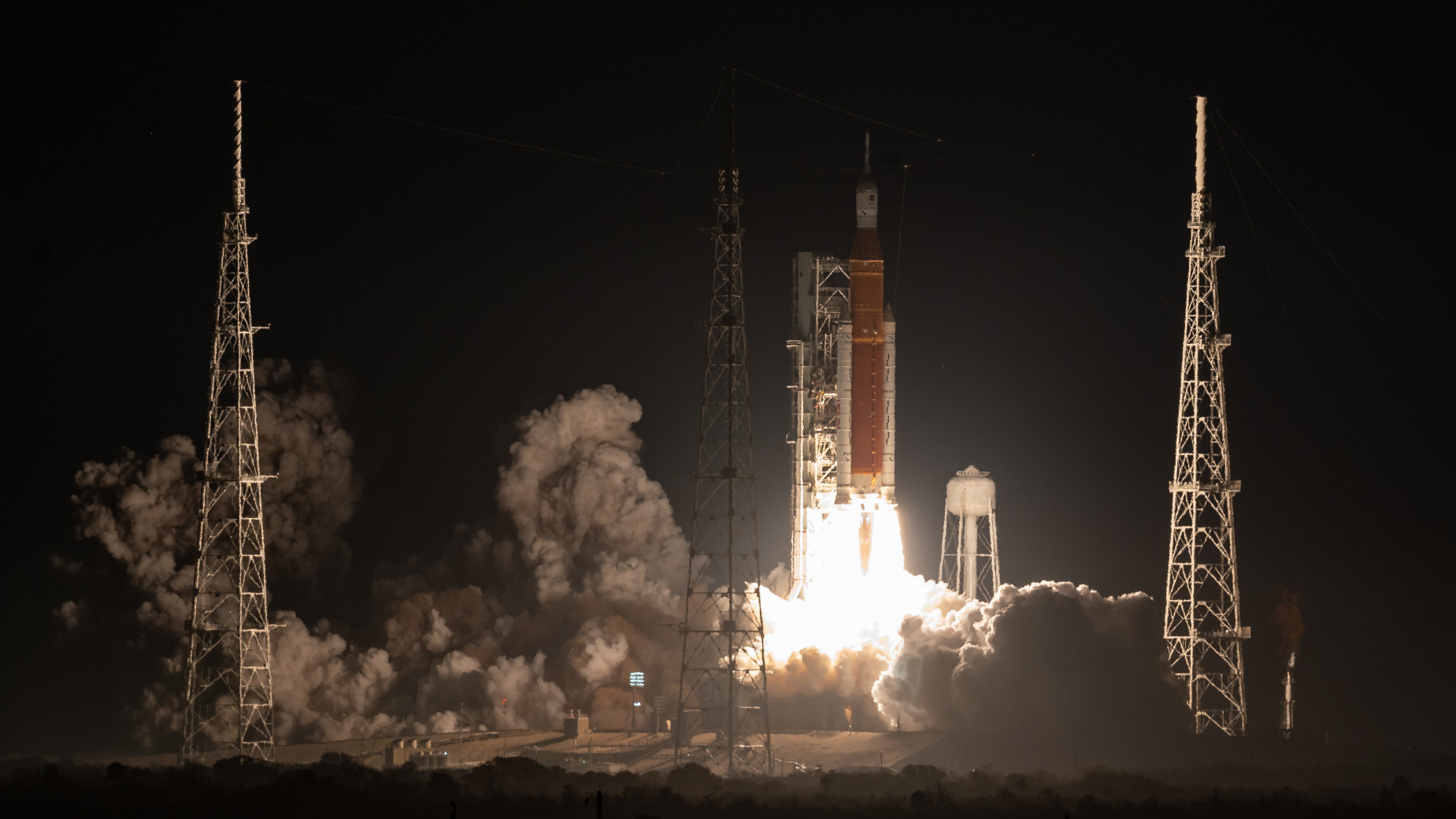
Florida's Space Coast is readying for a big crowd for the Artemis 2 moon launch — but just how big is unclear.
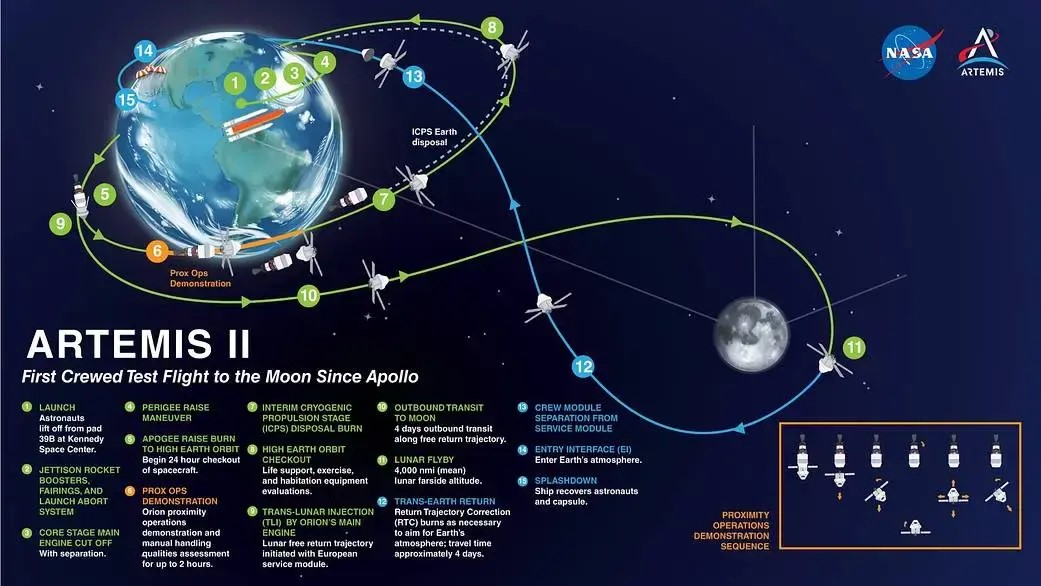
NASA aims to launch Artemis 2 from Kennedy Space Center (KSC) as soon as April 1, the opening day of a window that extends through April 6.
Article continues below
Cell-phone data revealed that the uncrewed Artemis 1 launch in 2022 drew between 150,000 and 200,000 people to Florida, the Space Coast Office of Tourism told Space.com. And the first SpaceX Crew Dragon astronaut launch in 2020, which was the first crewed liftoff from KSC since 2011, brought in about 220,000 people.
"Since this is such a historic milestone launch, it's difficult to predict visitation numbers," Meagan Happel, the tourism office's public relations manager, told Space.com. "The last time we launched astronauts to the moon was over 50 years ago, so it's hard to make accurate predictions."
How much money?
The tourism office doesn't have a projection yet for how much money Artemis 2 will inject into the local economy, but in 2023, studies it conducted suggested that people coming in overnight for launches generally spend about $1,050 per party ($350 per person). People coming for the day, by comparison, spend $150 per party ($50 per person).
Milestone missions have historically received many drop-ins. For example, the last liftoff of the space shuttle Discovery in February 2011 generated as many as 500,000 visitors, according to tourism numbers available at the time. (Most space shuttle launches back then drew between 150,000 and 200,000 people each.)
By comparison, SpaceX crewed launches in the 2023 timeframe attracted between 100,000 and 150,000 visitors per opportunity, generating as much as $30 million apiece for the economy.
Can I get a hotel room?
It appears that hotel rooms on the Space Coast are getting hard to come by because of Artemis 2. "I do not have data for every single hotel, but the 14 that have gotten back to me … have all said they're sold out for this launch attempt," Happel said.
An anecdotal glance at Google Maps indicates that some (often pricey) hotel rooms may still be available at the coast between April 1 and April 7, which is the full early-April launch period for Artemis 2, assuming an overnight stay after April 6. But you should verify with individual hotels if you're planning to go.
For better availability and cheaper pricing, go about an hour's drive out, to a place like Orlando. If the launch is in darkness, and you don't want to deal with the traffic, you may get a show from as far as an hour away.
"When Artemis 1 launched at night, it was so bright it looked like a sunrise even from an hour south," Happel said. "Many people have said they heard birds singing their morning songs, as they also thought it was the sunrise."
Driving around on launch day
More tips for those of you making the trip: In the Space Coast area, you need a vehicle to get around. Local launch traffic will likely be heavy, so leaving yourself hours of flexibility is prudent.
First, check for your timing and routing. For now, NASA publishes its most up-to-date daily launch windows on this web page. For launch day, the Florida Department of Transportation will release maps for detours and road closures, which will be available online at the tourism office as well as at Brevard County Emergency Management's Facebook page, among other locations.
Second, prepare for a long commute. "I would recommend preparing like you're going to a major sporting event or concert festival. The closer you get to the time of the event, the heavier traffic will be — and harder it will become finding parking," Happel said.
Patience is also needed after the launch concludes, Happel added. "As everyone leaves at the same time, you may be sitting in traffic for a while. If possible, maybe consider heading to a local restaurant for dinner — or going down to the beach to help pass time — while you wait for traffic to ease up."
Where and how can I watch?
While the Kennedy Space Center Visitor Complex is often a good spot to watch launches, for Artemis 2 it sounds like you'll need to go elsewhere if you aren't booked there already. "Looks like the specialty ticket packages are both sold out," Happel said, referring to the sales website for those packages.
But there are plenty of other spots to go near KSC, if you come early enough. The tourism office has a launch view map to help plan out your day, but Happel urged people to plan on an early arrival and to be prepared to have backup locations. "Enjoy the wait. Plan a picnic, bring snacks, remember sunscreen, know where the restrooms are. Have whatever you'd need for a few hours at the beach or a park," she said.
As for how to dress, early April is not the blast furnace of humidity often seen during the Florida summer. The Space Coast area typically sees daily temperatures in the mid-70s Fahrenheit into the low 80s (that's low 20s to low 30s Celsius) — but nights can be much cooler, Happel warned.
"Prepare the way you would any day in the sun for a few hours: hydrate, find ways to stay cool, wear sunscreen, bring an umbrella just in case," she said. And maybe bring a sweater and hat in case of colder weather after the sun sets.
How can I stay updated on launch activities?
Space.com is running a liveblog and will keep it updated with all the latest news leading up to launch time.
NASA will also post launch updates through its various social media channels; typically, the agency's X account is the fastest real-time update option if you're on the road. The tourism office will also send out updates through its Space Coast Launches App, available both on Apple and Google.
Happel urged everybody to stay flexible, even up to the last moments before launch. "Visitors should be aware that launches can scrub or be delayed at any point before liftoff due to many reasons, and they should stay tuned to NASA's official channels for timely updates," she said.
 English (US)