
We may earn revenue from the products available on this page and participate in affiliate programs. Learn More ›
While some people welcome the cooling that accompanies autumn, gardeners know they have work to do before the coming frost kills off the literal fruits (and veggies) of their labor.
First, find out the typical frost dates for your USDA hardiness zone and learn what temperatures cause frost damage. Then, watch local weather forecasts. Understand the difference between frost and light freeze, and which plants are more susceptible to frost damage.
Start with healthy plants and the right soil. Next, you’ll need to know which plants are tender and which can withstand a light frost and which delicious homegrown fruits and vegetables you’ll need to harvest before it’s too late.
Tender vs. Hardy Plants
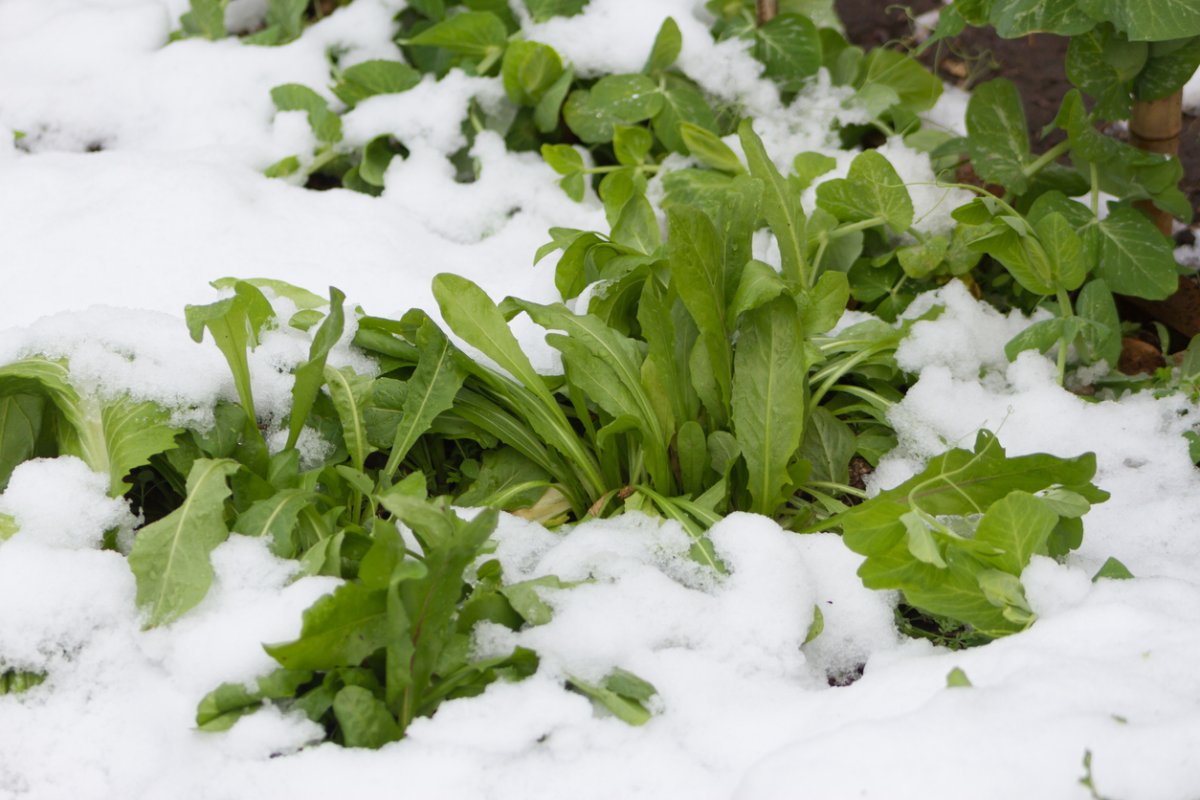 Photo: iStock
Tender plants are easily damaged by frost or cold weather, requiring protection to survive. Common tender fruits and vegetables include watermelon, squash, pumpkin, cantaloupe and muskmelon, eggplant, cucumber, okra, pepper, beans, tomatoes, and most herbs.
Frost-tolerant plants can withstand brief periods of cold or frost, but beyond very limited periods, would require protection. Examples of frost-tolerant plants include lettuce, cauliflower, endive, peas, carrots, Chinese cabbage, celery, chard, and chicory.
Hardy plants generally have higher levels of sugar in their leaves, which enables them to tolerate lower temperatures. Cool-season crops that can survive a frost or even an early freeze include asparagus, cabbage, kale, spinach, broccoli, Brussels sprouts, collards, potatoes, and onions.
What to Do When There’s a Frost Warning
1. Cover Crops
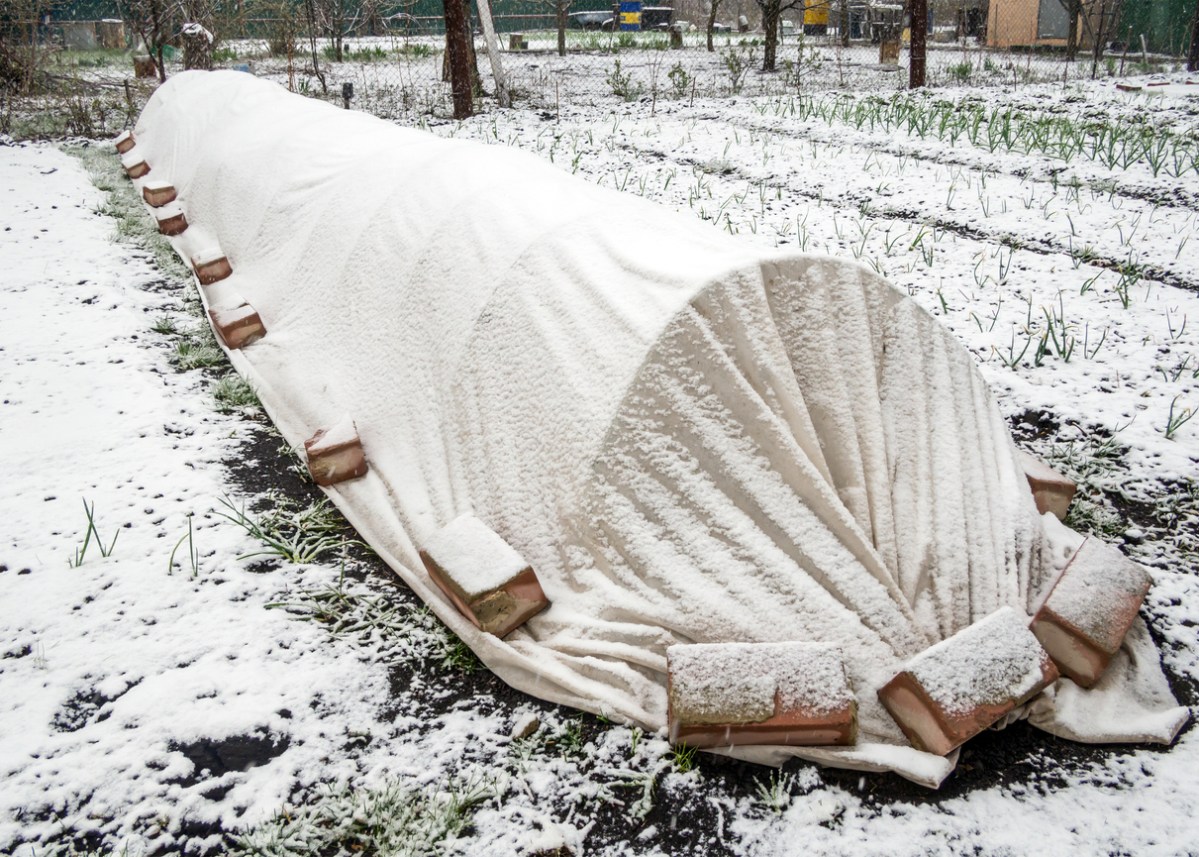
Many crops can be saved from an early frost. Even cool-season crops like lettuce and other leafy greens, carrots, and radishes can benefit from overnight covering to protect the plants from frost and extend the growing season. You can use old sheets or drop cloths (using supports to keep the cover from touching the plants), burlap, row covers made of non-woven polyester, or cloches.
Whichever type of plant cover you choose, make sure it is breathable. Do not use plastic. Ensure air circulation and be sure to remove the covers during the heat of the day, and put them back on in the early evening.If you have a greenhouse, move as many plants as you can inside.
Best Greenhouse Heater
Bio Green Palma 110V Greenhouse Heater
Bio Green’s heater has a digital thermostat, sturdy stainless steel build, and is intended for spaces up to 130 square feet. Read the review.
2. Layer on Mulch
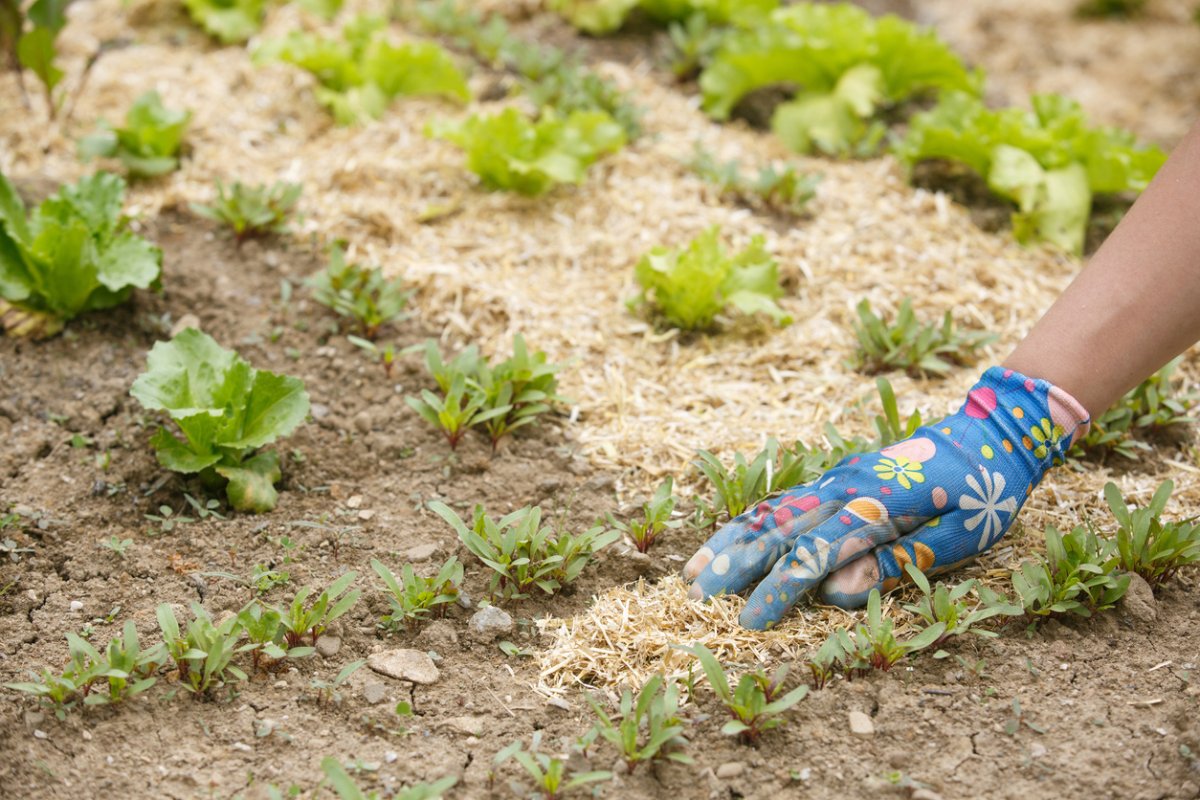 Photo: iStock
Adding a 2- to 4-inch layer of mulch, particularly in the afternoon while the soil is warm, can help protect roots from overnight dips in temperature. Material choices to minimize frost damage include wood chips, bark, pine needles, straw, and even shredded leaves (including if they’re moldy). Dark mulch absorbs more of the sun’s warmth, which it releases into the soil around the plants at night.
Mulching the garden also preserves much-needed moisture. In addition, a layer of mulch will prevent perennials from putting out new growth at the end of the season, allowing them to go dormant for the winter.
3. Warm them up with water
Moist soil actually holds up to four times more heat than dry soil, and conducts that heat to the soil surface faster, creating a microclimate in which the air above it is 5 degrees warmer. In addition to providing an insulating effect, water helps plants withstand temperature changes better.
For best results, water late in the day because the water vapor creates a microclimate that will help plants stay warm and resist freezing.
4. Harvest fruits and veggies early
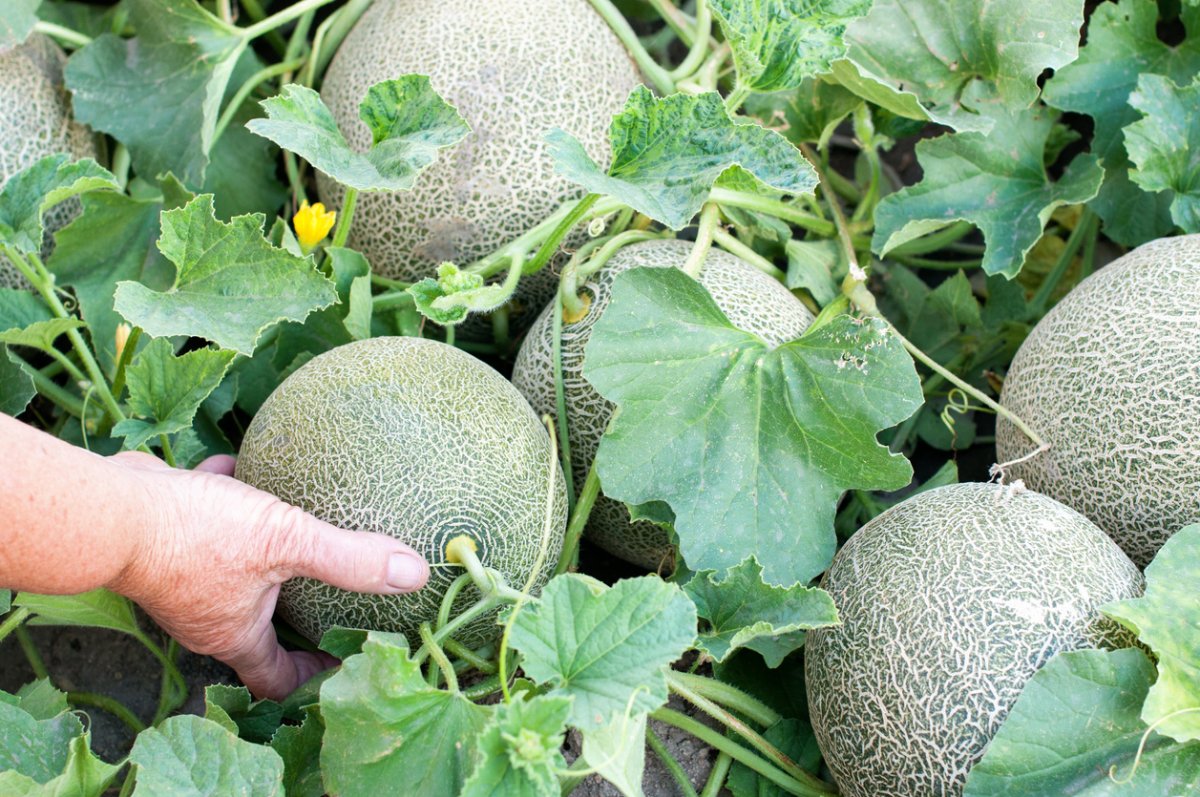 Photo: iStock
When all else fails, harvest what you can. Beans, peas, corn, melons, cucumbers, eggplant, and most greens should be harvested early, since they don’t handle frost well. Be sure to pick tender herbs such as basil and oregano.
Tomatoes and peppers can ripen indoors after harvest. In fact, many fruits, including apples, peaches, pears, grapes, cantaloupe, and persimmon, ripen after picking. Store pumpkins and squash in a dry location for later use.
It can be tough to eat all of the last harvest right away, but there are plenty of ways to preserve your bounty: dry herbs, and can, dry, or freeze fruits and vegetables.
5. Ripen them indoors
Many fruits can ripen indoors more quickly if they’re kept in a paper bag that is loosely closed at the top. Storing them this way traps ethylene gas that helps ripen fruit. Because rice also traps ethylene gas, fruits can be placed in containers of rice, although this is not recommended for tender fruits such as peaches that can suffer bruising. Taking these steps can typically help fruit ripen within a few days.
Plastic bags are not advised for ripening fruit because they don’t allow for ventilation.
Vegetables That Can Withstand Frost
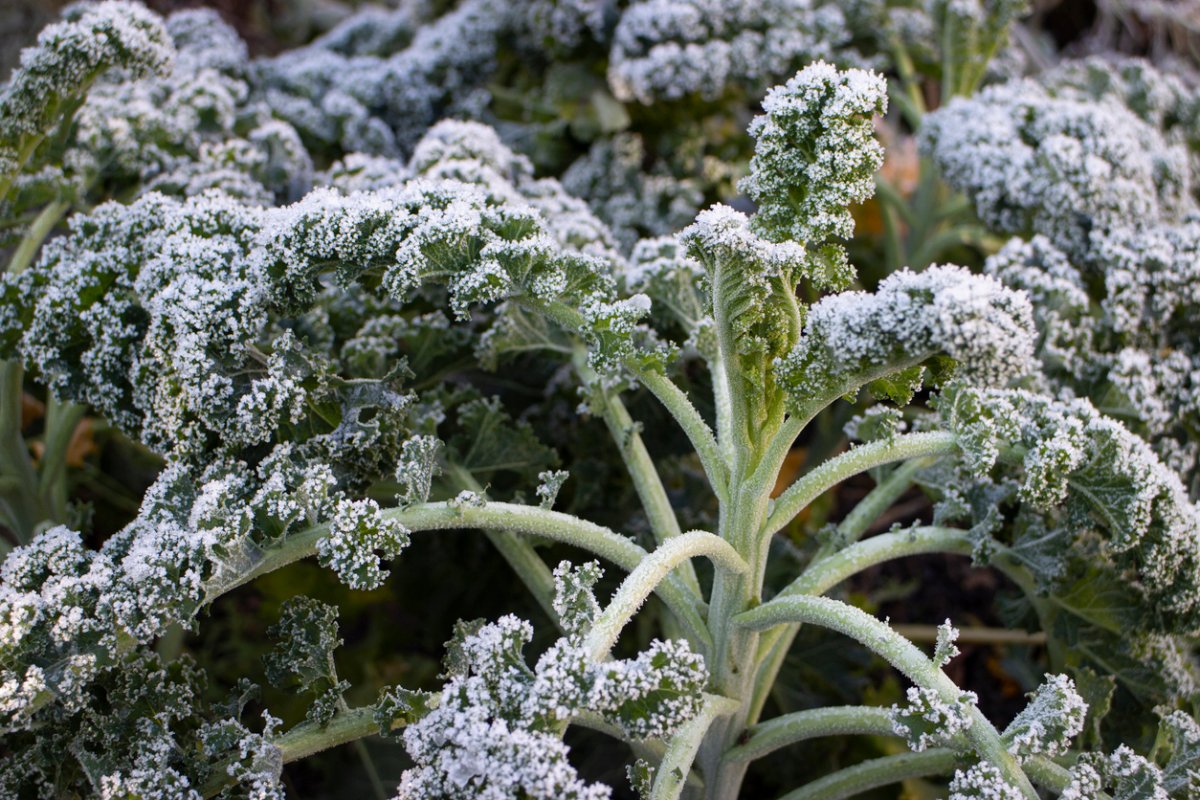 Photo: iStock
Not all produce has to be harvested at the first sign of frost. Many root vegetables, like beets, carrots, onions, turnips, parsnips, and potatoes can easily survive a light frost. So can kale, artichokes, broccoli, cabbage, radishes, leeks, spinach, Brussels sprouts, and chard. In fact, cold temperatures improve the flavor of crops such as carrots and kale.
Several of these can even survive a hard frost, including broccoli, Brussels sprouts, cabbage, collards, kale, kohlrabi, mustard, onions, parsley, peas, radishes, spinach, turnips, leeks, and sorrel.
What to Do With Frozen Plants
If frost gets your fruits and vegetables, they may not be edible. Tender plants like peppers, tomatoes, and many fruits may be mushy. Lettuces and other greens often turn dark and limp. Beans, eggplant, and potatoes are also susceptible to frost, and may exhibit crystalized moisture in their cells. Even carrots can become rubbery or limp after a hard frost.
If the produce is past its prime, dispose of it in your compost pile or bin, where it can benefit next year’s garden.
All You Need to Care for Your Lawn & Garden
Keeping your grass green and your plants thriving doesn’t just take a green thumb—it starts with the right tools and supplies.