
.jpg) 1 hour ago
3
1 hour ago
3
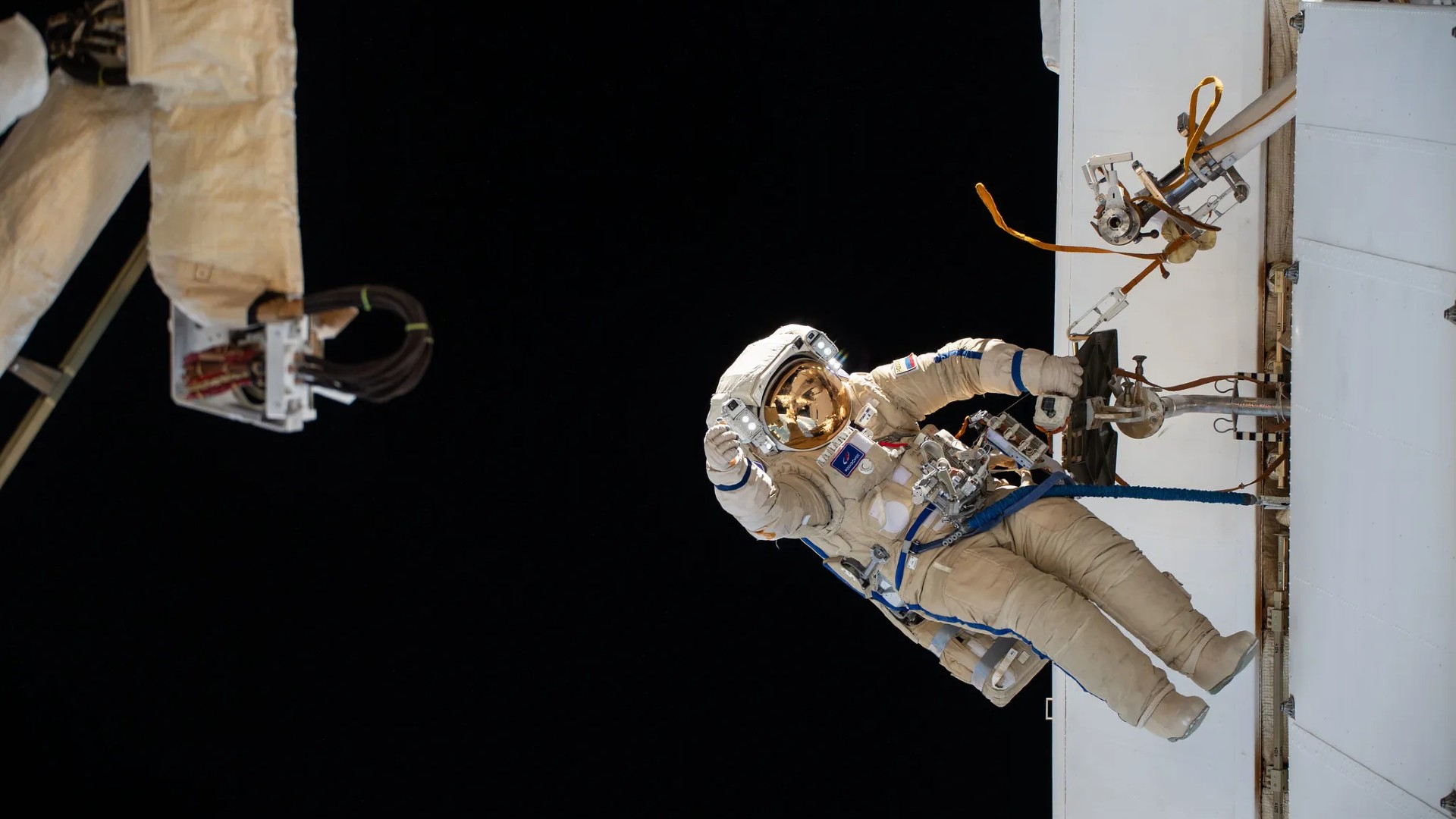
Roscosmos has always occupied a fascinating corner of the space world. Born from the legacy of the Soviet space program, it carries the weight of firsts that reshaped human history: the first satellite, the first human in orbit, the first long‑duration space stations. Even today, its influence stretches from the steppes of Kazakhstan to the far reaches of low Earth orbit.
But Roscosmos is more than a relic of the past. Its launch facilities, engineering culture, and scientific missions continue to shape global spaceflight in ways both visible and behind the scenes.
Of course, the agency's story is also one of dramatic shifts — political, technological, and cultural. From the fall of the USSR to the rise of commercial spaceflight, Roscosmos has had to reinvent itself more than once. That evolution makes it a rich subject for trivia: full of surprising facts, iconic milestones, and a few oddities that even space fans sometimes miss.
This quiz dives into all of it. Whether you're a casual space enthusiast or someone who can recite Soyuz design specs from memory, you'll find questions that challenge what you know — and maybe teach you something new about one of the world's most influential space agencies.
See how well you score below!
 English (US)