
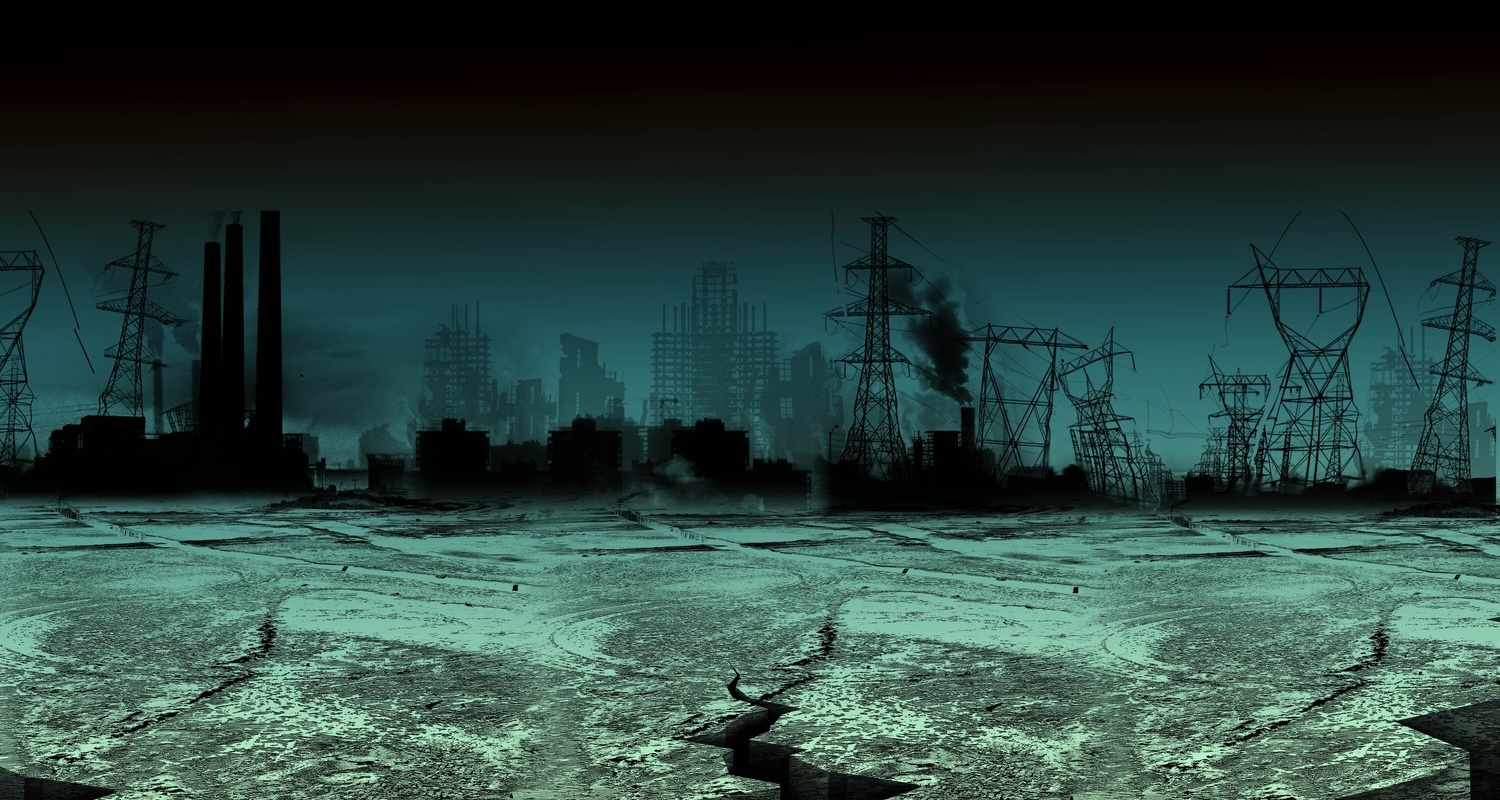
As we increasingly feel the world around us crumbling under the weight of division and human suffering, there’s an odd kind of freedom in conceptualizing complete demolition. Deadly pandemics, zombie hordes, and societal collapse don’t seem like easy friends to the classic of cozy romance, fantasy, and historical fiction, but I am convinced that post-apocalyptic stories are as much escapist fiction as they are tales of warning. Lately, I’ve learned to appreciate the power of fictionally blowing it all up.
Article continues after advertisement
Escapist fiction swallows the reader into a different world, replacing the harshness of reality with the “what ifs” of distraction. If a reader can sigh in relief from being thrust backwards in time or kidnapped by seductive fairies, why not from a full reset, even if it is through the courtesy of catastrophe? Everything is intimate when you are one of only a handful of survivors, so go ahead and share that bed to stay warm. Do you like that shiny thing? Just pick it up and congratulations, much like a video game, it’s yours for as long as you’re willing to carry it. The clean slate of societal collapse would mean no more taxes, bills, work drama, school spirit days, or hours on the phone with insurance companies. True, it is an ablative promise, with associated positives like health care and teachers also wiped away with the scrub, but I’m not convinced those things would be available in the fairy court, either. That’s not to minimize any of these genres in the comparison, or to give any time to the laughable claim that escapist fiction is low-brow, reductive fare. The path to all great stories is the bridge between what is, and what could be.
I am convinced that post-apocalyptic stories are as much escapist fiction as they are tales of warning.
The sense of freedom from reading post-apocalyptic fiction aside (on the table, open for debate), writing it certainly has been a breath of fresh air. When your characters can’t solve their problems with a search engine or a phone call, it cracks open their narrative for more interesting trouble. Similarly, I am no longer caught in the writer’s black hole of productivity: superfluous research. During the years when I was my special needs son’s primary caretaker, before he had verbal skills to fully communicate his needs and suffered from hourly meltdowns and mental health crises, I was often sucked into that black hole. I wrote a lot of escapist fiction then, strictly fantasy, fairy tales, all heroic once-upon-a-times that I hoped would cast my mental net wider than the shrink-wrapped routine of isolation my life had become. Since abandoning these early, “first pancake on the griddle” books for the end of the world, I no longer bother researching the name of those trees dotted throughout Chapter One, or, say, force familiarity with the inner workings of an internal combustion engine unless my characters have graduated the apocalypse with that knowledge already locked and loaded. If these sorry sons of bitches can’t Google their way out of something, neither can their creator.
After years of struggling with his mental and physical health, I experienced what felt like the end of the world, when my beautiful, miracle six-year-old started wishing—aloud—that he wasn’t alive anymore. That marked the beginning of the era of everything—every support, every medical assessment and intervention, and every specialist I could beg or bully into seeing us. (And many, mind-bogglingly, would not.) That also meant constant vigilance, becoming my son’s shadow during his most vulnerable meltdowns and dysregulations. Our world shrank to the size of our home, a place we almost never left, a structure that was not nearly large enough to contain the size of his pain, anxiety, and fear. For him, the world was a lonely, terrifying place.
Meanwhile, the world beyond us also seemed to be getting darker. My habit of eschewing the news started as FOMO prevention but gradually transformed into a way to avoid the mounting horrors beyond our door. With so many people suffering, it felt like a hopeless, inside-out situation, a Matryoshka doll of pain, with us encased too deep inside to help. So I wrote fiction. I tried my best, but can’t say that traditional escapist fare was successful in punching through the darkness. It was too shiny, too aggravatingly focused on a positivity that felt as ineffective as plugging ears to hum away reality.
I began writing the suffering in the way I had lived it, through the lens of everything falling apart but not having the option, as a parent, to let it.
What eventually inspired me to destroy the world, in my way, was watching my son’s path. As the tight structure of supports slowly began effecting change, his communication improved, his outlook started shifting, and I might have loosened the tight hold my nerves had on my heart rate, if not for his blossoming love of all things macabre. His sense of humor was as dry and dark as burnt toast, and he the existential ways he often used his newfound language staggered me. He once told me that Grandpa’s house was as far away as letting a balloon go felt. He was often somber, reflective, and sure that bad things were going to happen. The first time he was tasked to be the leader in a family Simon Says game, he stood before us, sighed, and calmly commanded, “Simon Says panic.” Though I initially struggled with the deep fear that he was spiraling down to a place I couldn’t reach, I gradually came to realize that he’d come closer to more suffering than most people twice his age, and he wanted to know more about the darkness in order to bring the light of understanding to it. He had become an empathetic, wonderful, and happy child, who, despite never being invited to a birthday party, noticed when classmates were sick and wrote them get well cards. Everything that felt like his enemy, he made his friend, going to sleep cuddling plushie versions of horror game monsters and scribbling bloody vampires in the corners of his sketchbooks. He empathized with these characters, seeing them not as terrifying warnings but fellow misunderstoods who deserved love and connection.
Instead of the sweet ‘what if’ stories, I began writing the suffering in the way I had lived it, through the lens of everything falling apart but not having the option, as a parent, to let it. When I wrote of the struggle of survival in the face of change and loss, what I found was that the light came, unbidden. It didn’t need to be added, because it was already there. We feel the pain of loss because we love. Tales of destruction and rebirth show us what truly matters by inviting readers to travel through the dark, secret corners we fear. Perhaps the most beautiful truth in post-apocalyptic fiction is its brutally heartbreaking messages: every person matters, and too often we don’t recognize what we need to keep until it’s lost.
_______________________________
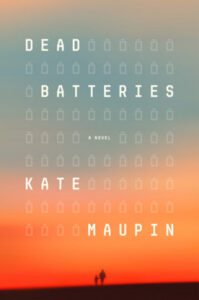
Dead Batteries by Kate Maupin is available from Crown, an imprint of Crown Publishing Group, a division of Penguin Random House, LLC.


