After one of the driest and most difficult summers in recent memory, rivers across the Southwest are finally receiving some much-needed moisture. In just a matter of weeks, stretches of river that were struggling with drought have swollen to levels rarely seen at this time of year and, in some cases, levels never before recorded.
The contrast between this summer and fall has been extraordinary. Along the Middle Rio Grande, prolonged river drying and declining groundwater levels placed tremendous stress on our native cottonwood and willow forests. By late summer, widespread dieback of the bosque was evident, raising concerns about the long-term health of one of New Mexico's most important wildlife corridors and triggering a desperate response to get water in the river at that crucial time.
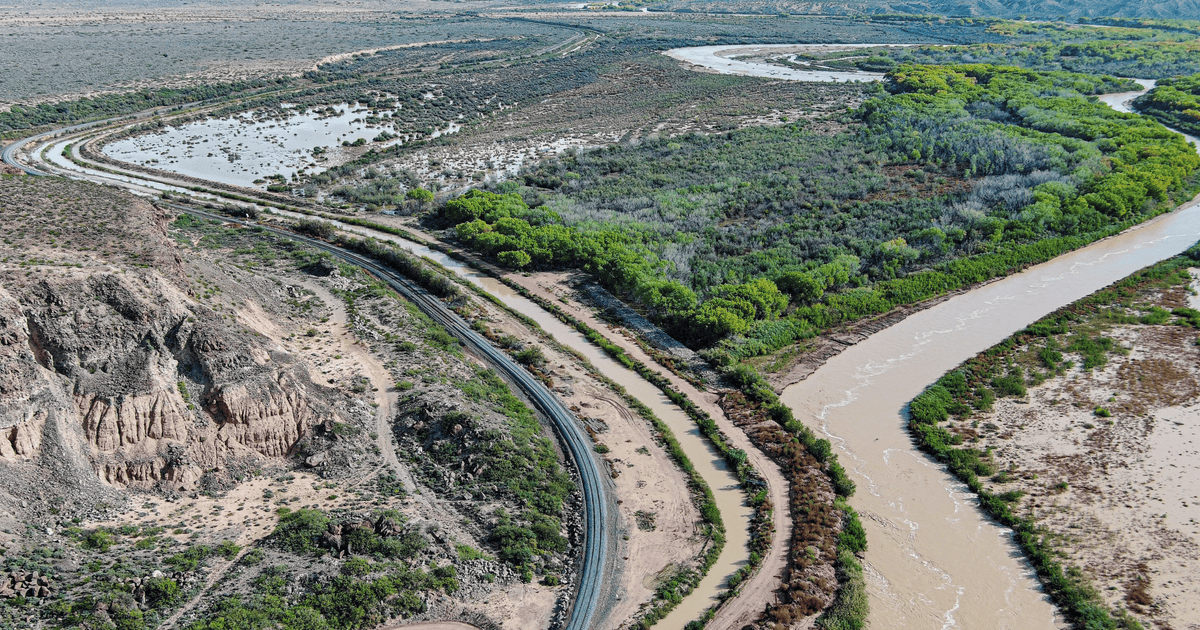
In contrast, by mid-October, heavy, widespread precipitation finally arrived in the Southwest and sent rivers throughout the Four Corners (Arizona, Colorado, New Mexico, and Utah) region surging. The San Juan River reached major flood stage in Pagosa Springs, Colorado, while unprecedented flows were recorded along portions of the San Juan River in New Mexico. Near Farmington, the river rose dramatically in less than two days, inundating neighborhoods and forcing evacuations. Meanwhile, increased runoff into the Rio Puerco and Rio Grande brought unusually high fall flows to central New Mexico's Middle Rio Grande Valley, an area that provides important winter habitat for migratory birds. A week later, another powerful storm system brought additional flooding across the region. In Arizona, Oak Creek and other tributaries of the Verde River experienced historic flooding. Normally dry washes swelled with runoff and carried substantial flows through Flagstaff. The Salt River Project, which manages water from the Salt and Verde River watersheds, had to release water from dams to manage the incoming water to reservoirs, bringing back the Salt and Gila Rivers through the Phoenix metropolitan area.
Unfortunately, the arrival of this much-needed water has come at a tremendous cost. Communities across the Southwest have experienced devastating damage to homes, roads, agricultural lands, and critical infrastructure. Families have been displaced; livelihoods were disrupted and lives lost. While the human impacts of these storms cannot be overlooked, flooding remains one of the most influential natural processes of shaping and sustaining riverscapes across the Southwest.
When we discuss the ecological benefits of flooding along Southwestern rivers, we often focus on spring, emphasizing the importance of floodplain inundation for cottonwood and willow germination. However, fall floods can provide substantial ecological benefits of their own.
After a long, hot summer, floodplain soils can be exceptionally dry. When rivers rise and spill into surrounding floodplains, water can infiltrate the soil and help recharge shallow groundwater. This is especially valuable in places like the Middle Rio Grande, where cottonwoods depend heavily on groundwater to survive periods of prolonged river drying. With cooler temperatures and reduced water demand from plants, some of that moisture may remain in the soil longer than it would during the warmer months. Depending on how long the moisture persists, these fall floods could help improve conditions for vegetation as it enters the following growing season.
Over time, riparian forests accumulate organic material, including fallen branches, dead grasses, leaves, and other plant debris. When floodwaters reach these areas, they saturate this material, creating favorable conditions for microbial and fungal communities that break down organic matter and return nutrients to the soil. This natural process helps recycle nutrients that would otherwise remain locked in accumulated vegetation and, over time, may help reduce the buildup of dry fuels that contribute to wildfire risk.
Floodwater also transports and redistributes nutrients and sediment throughout the floodplain, helping sustain soil fertility and support the complex food webs that make riparian ecosystems so productive. The deposition of fine sediments can be particularly beneficial, improving the ability of some floodplain soils to retain moisture during periods of drought. Where flows are sufficiently powerful, flooding can also reshape channels and create new habitat features. Together, these processes help maintain the health and resilience of riparian ecosystems long after floodwaters recede.
Perhaps one of the most exciting ecological benefits of this fall flooding is its timing for birds. Every fall, thousands of Sandhill Cranes, ducks, geese, and other migratory birds return to their wintering grounds along Southwestern rivers. For these birds, the availability of shallow water can make an enormous difference. Sandhill Cranes, for example, often spend their days feeding in agricultural fields and surrounding habitats before gathering at shallow-water roosts overnight. Standing in water provides some protection from terrestrial predators and offers a relatively open environment where approaching threats are easier to detect.
Each year along the Rio Grande, water managers deliberately flood wetlands and managed habitats in places like Bosque del Apache National Wildlife Refuge and Bernardo Wildlife Management Area to support wintering cranes and waterfowl. However, these vital habitats represent only a fraction of their historic extent, and the concentration of birds into relatively small areas can present challenges, including increased potential for disease transmission. This year, however, the birds may have more options. With thousands of acres of floodplain currently inundated, additional shallow-water habitat could provide much-needed roosting opportunities beyond these managed wetlands.
At Audubon Southwest, much of our work focuses on finding ways to keep water in rivers and wetlands during the driest parts of the year. Through partnerships with irrigation districts, municipalities, land managers, and conservation organizations, we're working to protect and restore riparian habitats increasingly threatened by drought. This summer was a stark reminder of why that work matters. While the recent rainfall has brought much-needed relief, it cannot undo the damage caused by months of prolonged drought and water stress. Many of our native riparian forests will continue to feel the impacts of this past summer long after the floodwaters recede. Building more resilient rivers and riparian ecosystems remains essential, particularly as we face increasingly hot, dry summers and a changing climate.
But as Sandhill Cranes return to the Rio Grande and cottonwoods shed their golden leaves, these fall floods remind us of something equally important: healthy rivers need more than a continuous trickle of water. They also need periodic opportunities to reconnect with their floodplains.
Those connections replenish moisture, move sediment, recycle nutrients, support native vegetation, and create habitat for the incredible diversity of birds and wildlife that depend on Southwestern rivers. The challenge is finding ways to restore these natural processes while protecting the communities, farms, and infrastructure that share our river valleys. That means investing in thoughtful water management, floodplain restoration, and conservation strategies that recognize both the ecological value and the destructive potential of flooding.
A changing climate makes this balancing act increasingly difficult. As temperatures rise, much of the Southwest is expected to become more arid, even as precipitation becomes increasingly concentrated in intense storms. This means we may see more dramatic swings between prolonged drought and destructive flooding, presenting new challenges for both the communities and ecosystems that depend on our rivers. Finding ways to mitigate the impact of these extremes remains important.
The same processes that can cause tremendous destruction during extreme events have also helped shape and sustain Southwestern rivers for thousands of years. Understanding that balance and learning to work with our rivers rather than against them will be essential to protecting both the people and wildlife that depend on them.