
.jpg) 1 hour ago
3
1 hour ago
3
In mice, limited intakes of one specific essential amino acid can slow the effects of aging and even extend their lifespan, research from the US shows.
Scientists wonder if these findings could help people improve their longevity and quality of life.
Isoleucine is one of three branched-chain amino acids that our bodies use to make proteins. It's essential for our survival, but our cells can't produce it from scratch, so we have to get it from sources like eggs, dairy, soy protein, and meats.
Related: One Critical Factor Predicts Longevity Better Than Diet or Exercise, Study Says
But there can always be too much of a good thing.
Watch the video below for a summary of the research:
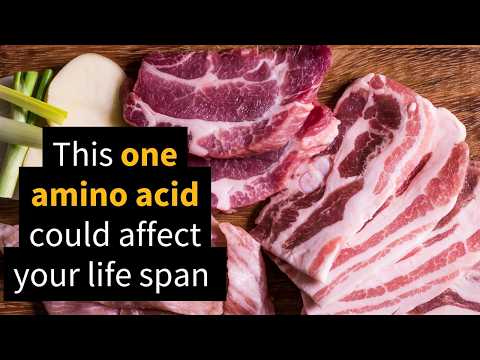
Earlier research from a 2016-2017 survey of Wisconsin residents showed that the amount of dietary isoleucine was connected to metabolic health, and people with higher BMIs tended to eat much more of this amino acid.
In the most recent study, a genetically diverse group of mice was fed either a diet containing 20 common amino acids as a control, a diet where all amino acids were reduced by about two-thirds, or a diet where only isoleucine was reduced by the same amount.
The mice were around six months old at the start of the study, which is the equivalent age of a 30-year-old person. They could eat as much as they wanted, but only from the specific kind of food provided to their group.
"We like to say a calorie is not just a calorie," endocrinologist Dudley Lamming from the University of Wisconsin, who was involved in both studies, explained in 2023 when the newest findings were published.
"Different components of your diet have value and impact beyond their function as a calorie, and we've been digging in on one component that many people may be eating too much of."
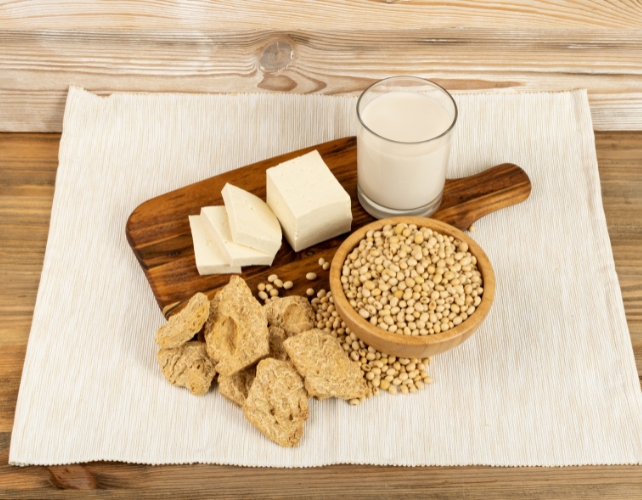 Our cells can't produce isoleucine from scratch – we have to get it from foods such as soy protein. (ArtStudio Images/Canva)
Restricting dietary isoleucine increased the lifespan and healthspan of the mice, reduced their frailty, and promoted leanness and glycemic control.
Male mice had their lifespans increased 33 percent compared to those whose isoleucine was not restricted, and females had a 7 percent increase.
These mice also scored better in 26 measures of health, including muscle strength, endurance, blood sugar levels, tail use, and hair loss.
The male mice in this group had less age-related prostate enlargement, and were less likely to develop the cancerous tumors that are common in the diverse mice strains.
Related: Anti-Aging Cocktail Extends Mouse Lifespan by About 30 Percent
"It's interesting and encouraging to think a dietary change could still make such a big difference in lifespan and what we call 'healthspan,' even when it started closer to mid-life," Lamming said.

Curiously, the mice given low isoleucine food also ate significantly more calories than the others. But rather than gaining weight, they actually burned more energy and maintained leaner body weights, even though their activity levels were no different.
"Very quickly, we saw the mice on the reduced isoleucine diet lose adiposity – their bodies got leaner, they lost fat," said Lamming.
The researchers think restricting isoleucine in humans, either by diet or pharmaceutical means, has the potential to yield similar anti-aging effects - although, as with all mice studies, we won't know for sure until it's actually tested in humans.
Related: Psilocybin Extends Life of Human Cells by 50% in Wild New Study
This is easier said than done. Although the food provided to the mice was controlled, the researchers noted that diet is an incredibly complex chemical reaction, and there may be other dietary components involved in producing these results.
Restricting protein intake in general, for instance, has detrimental effects on the body, mouse or human.
Translating this research for real-world human use is more complicated than just reducing intake of high-protein foods, even though this is the simplest way to limit isoleucine intake.
"It could be that by choosing healthier foods and healthier eating in general, we might be able to lower isoleucine enough to make a difference," Lamming said.
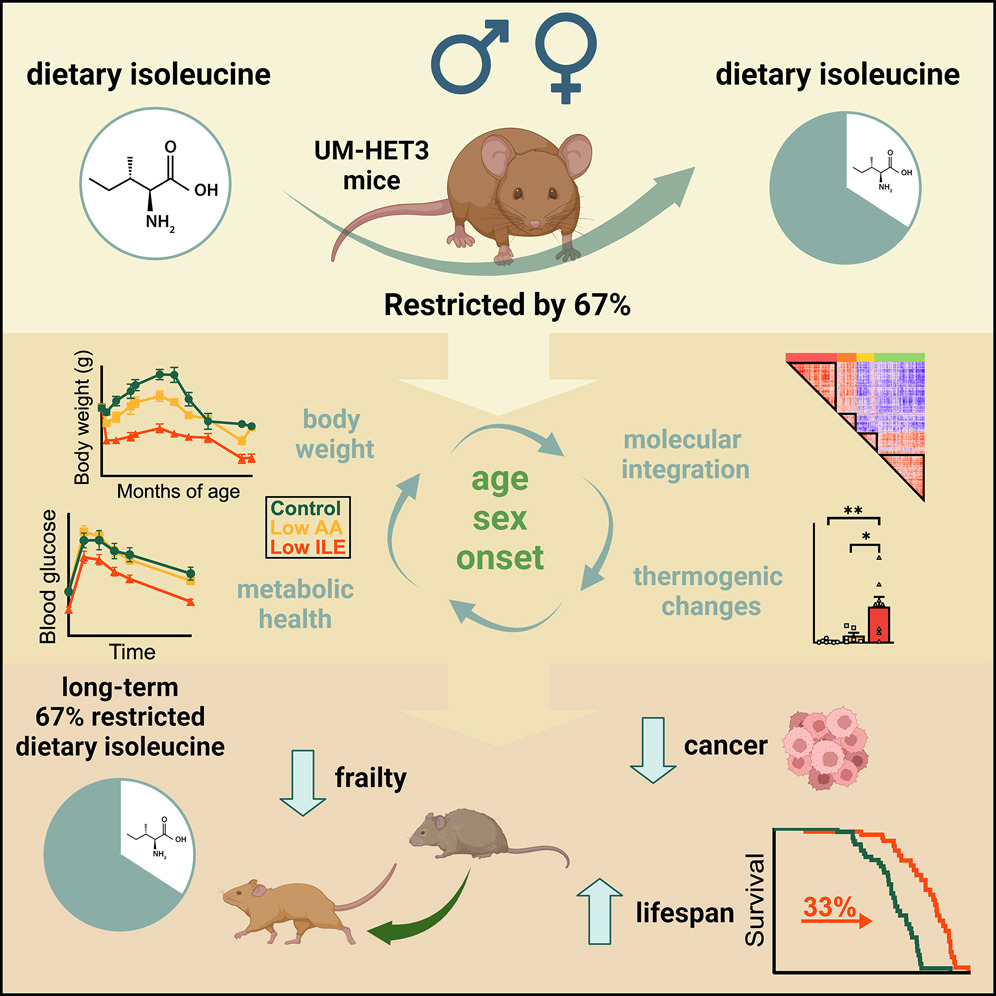 A visual summary of the impact the reduced isoleucine diet had on mice in the study. (Green et al., Cell Metabolism, 2023)
The amino acid restriction level was constant in all experiments, and they acknowledge that more fine-tuning may be required for optimum effects across different mice strains and sexes – when it comes to diet, one size does not fit all.
Related: Boosting One Mitochondrial Protein Increases Lifespan And Slows Aging in Mice
"We can't just switch everyone to a low-isoleucine diet," Lamming said.
"But narrowing these benefits down to a single amino acid gets us closer to understanding the biological processes and maybe potential interventions for humans, like an isoleucine-blocking drug."
The research was published in Cell Metabolism.
An earlier version of this article was published in November 2023.
 English (US)