
.jpg) 2 hours ago
2
2 hours ago
2
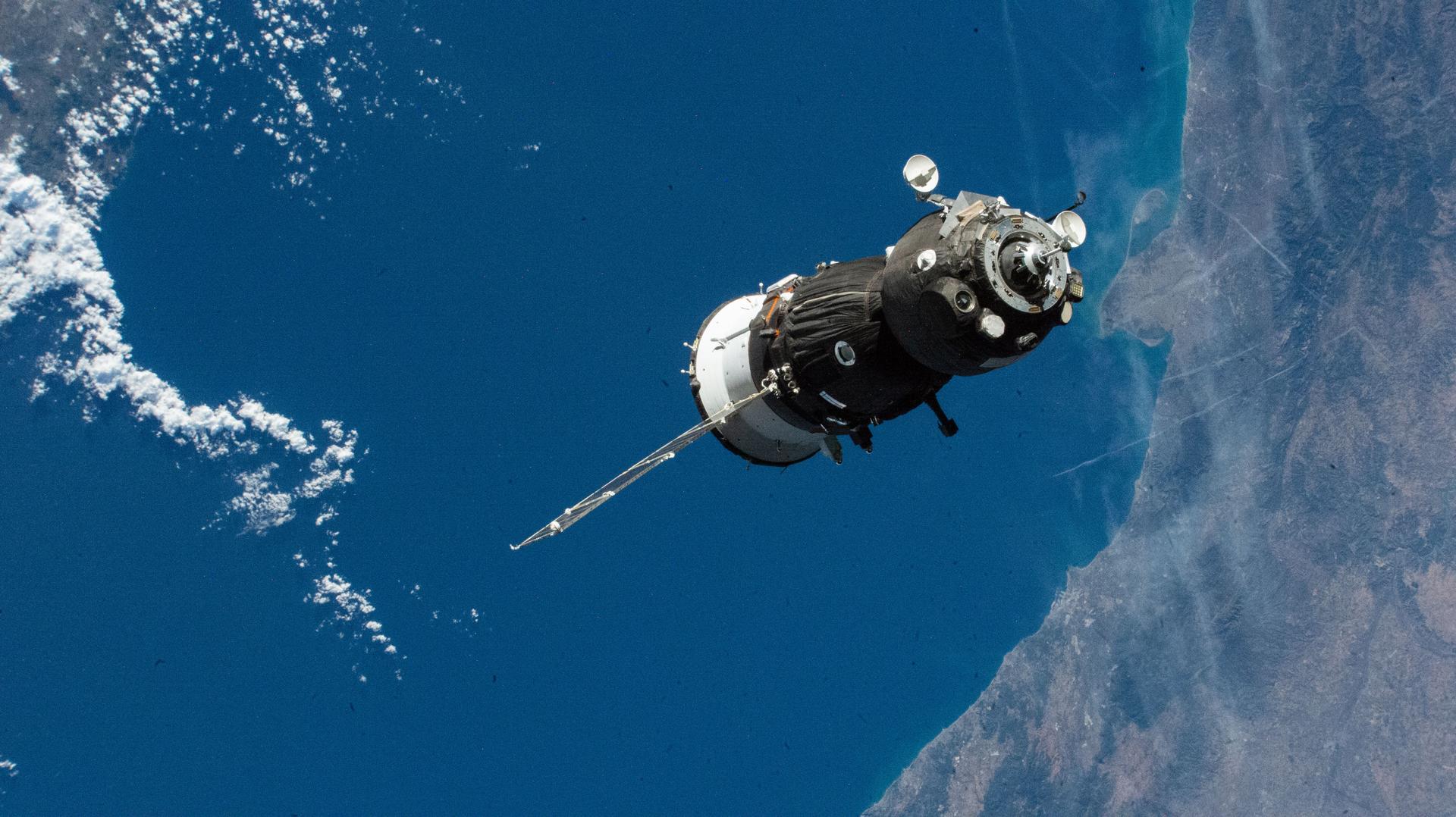
Suspended above the Mediterranean Sea, Russia's Soyuz MS-28 spacecraft made its final approach to the International Space Station (ISS) on Nov. 27, 2025, the same day it launched from Earth. Not only did Soyuz MS-28 carry three new crew members beginning their mission, but it also helped to make a historical first for the ISS
Though the liftoff was successful, there was a downside: During the launch, Baikonur's Pad 31/6 — the only pad that hosts Russian crew and cargo launches to the ISS — sustained serious damage, and it's unclear when it will be repaired.
What is it?
The Soyuz (Russian for "unison") program began during the height of the space race in the 1960s as the Soviet Union's third human spaceflight program, following Vostok and Voskhod. Soyuz was originally conceived as part of a lunar landing project. Soyuz never made it to the moon, but it's still going strong decades later.
Aboard Soyuz MS-28 were three long-duration crew members: NASA astronaut Chris Williams and Russian cosmonauts Sergei Mikaev and Sergey Kud-Sverchkov. The three men will participate in an eight-month mission as part of the ISS' Expedition 73.
Where is it?
This image was taken in low Earth orbit, around 263 miles (432 kilometers) above the Mediterranean Sea near Barcelona.
Why is it amazing?
While the Soyuz program itself is historic, the Soyuz MS-28 spacecraft helped made some history of its own. With Soyuz MS-28 docked at the International Space Station, all eight of the ISS' visiting vehicle docking ports were occupied at the same time, a first in the orbital outpost's 25-year history.
Want to learn more?
You can learn more about the International Space Station and the Soyuz program.
 English (US)