Apple TV
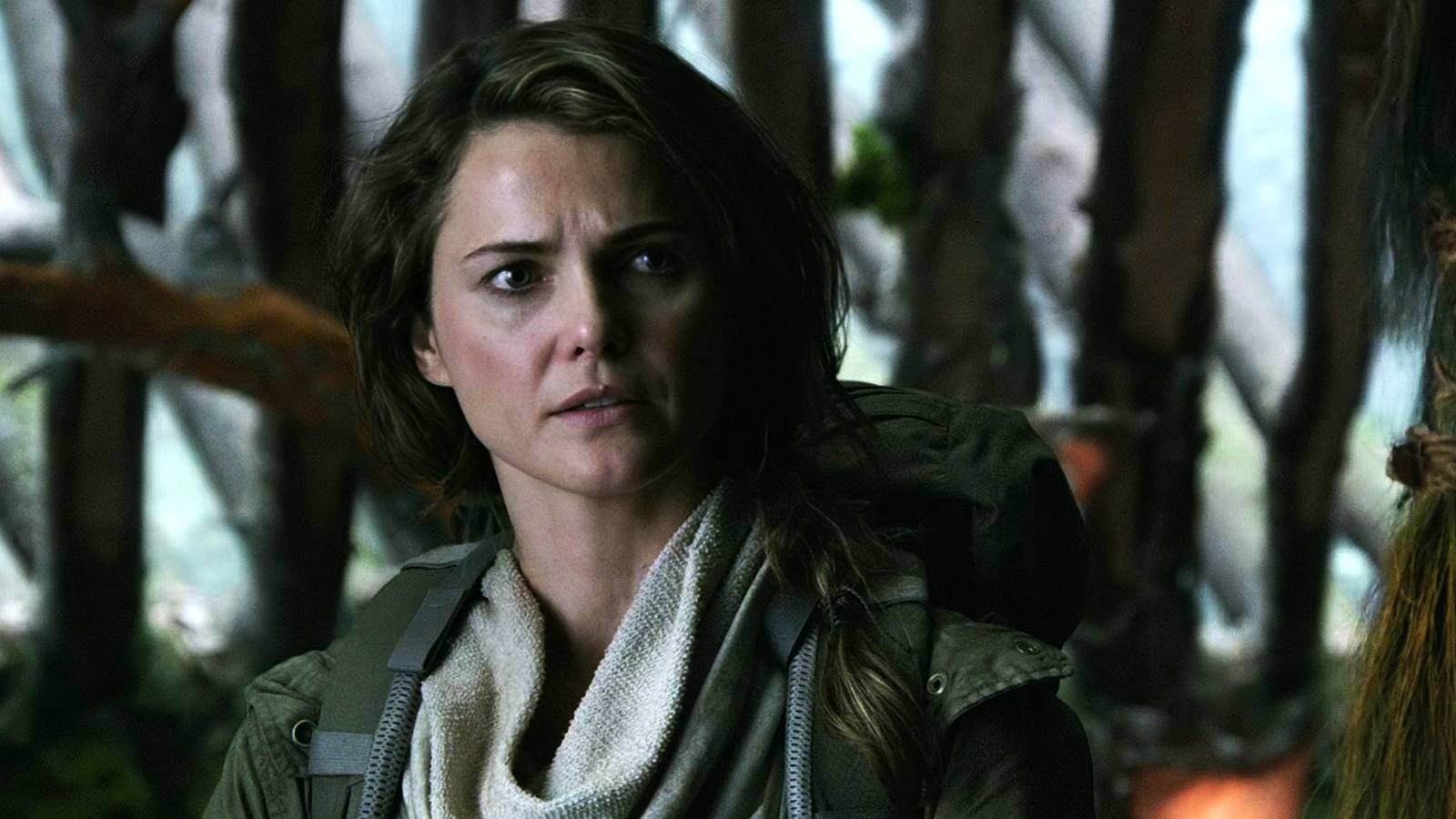
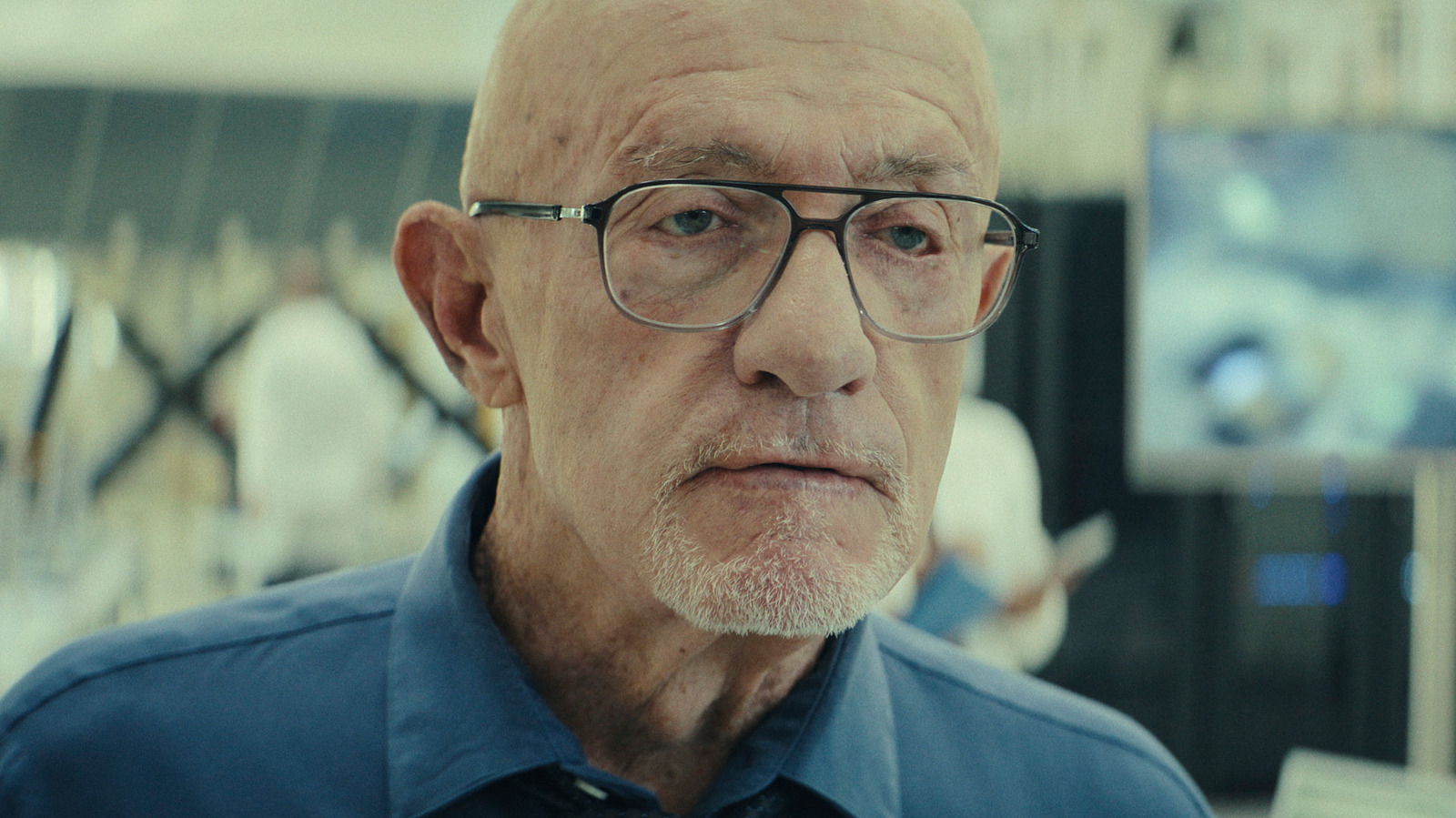
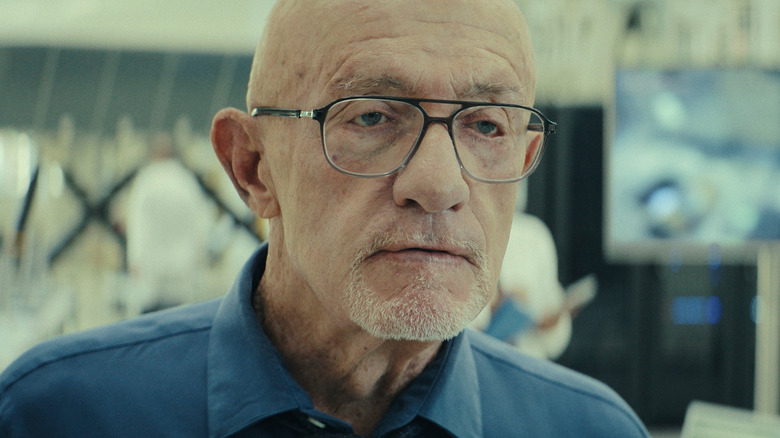
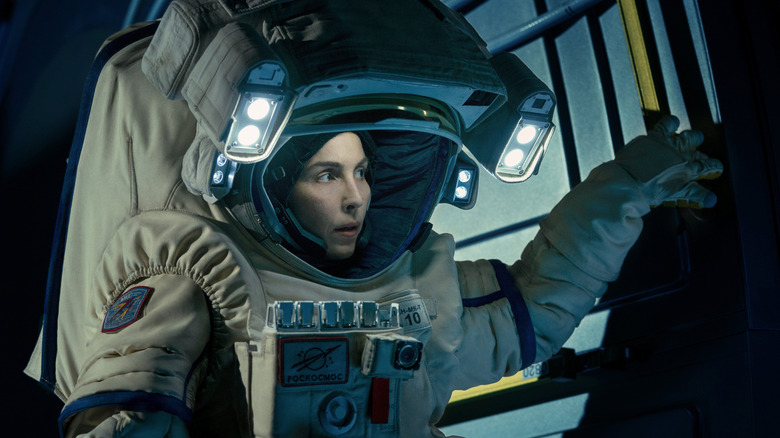
Peter Harness' "Constellation" ran on Apple TV from February to March 2021, lasting only eight episodes. The series stars Noomi Rapace as Jo Ericsson, a Swedish astronaut who, after a mysterious collision on the International Space Station, returns to Earth to learn that her life has been ... somehow altered. Meanwhile, Jonathan Banks from "Breaking Bad" has an interesting dual role on "Constellation," playing both Henry Caldera and Bud Caldera, who are essentially the same man, just from different parallel universes.
"Constellation" is an oblique mystery-box series about Jo and what happened to her. The story sprawls across more than one dimension, and things get very complex very fast. You know that a show is heady and over-involved when critics and commentators are authoring articles about the potential symbolism in its featured background paintings. TV Obsessive even gave a complete rundown on the series' use of the art of Finnish painter Hugo Simberg. Tonally, it's dark and horrific, with images of angels and devils.
I would say that the headiness and symbolism was a tough sell, leading to the series' premature cancellation, but other cerebral and ambitious Apple TV sci-fi shows like "Severance," "Pluribus," and "Foundation" have all had a lot more success by comparison. So, it's possible that "Constellation" was merely one toke over the line for some audiences. Critics were mixed-to-positive on the series as well, with some reviewers (like A.A. Dowd, writing for Primetimer) comparing it favorably to the works of Philip K. Dick. Others, however, correctly predicted that it would be quick to get the chop (like Nick Schager, writing for The Daily Beast). Mind you, that doesn't mean it deserved its fate — quite the opposite, in fact.
What the heck is Constellation about?
Apple TV
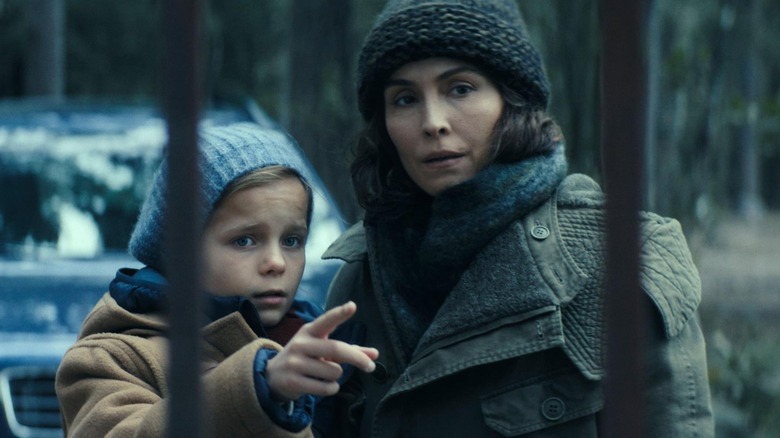
"Constellation" is replete with mystery. In the pilot episode, the aforementioned mysterious collision occurs when the corpse of an old Soviet cosmonaut somehow hurtles out of deep space and strikes the ISS. By the end of the episode, Jo is back on Earth, delivering the ISS computer core to a remote cabin in the hinterlands of Sweden, her young daughter Alice (Davina Coleman and Rosie Coleman) in her car. When making the delivery, Jo hears cries in the darkness and follows them to a weirdly identical cabin nearby, finding a perfect duplicate of her daughter, only very sick, hiding inside. Time and again, "Constellation" returns to this mysterious cabin, all the while repeatedly flashing back to Jo's immediate experiences leaving the ISS.
The mysteries compound after that. Jo returns to Earth speaking Swedish, which her family informs her she actually cannot speak. Her memories of recent events don't seem to synch up with what's actually happening, either. There are visions and flashbacks. What does it mean that Alice's necklace is hanging from a cupboard in Jo's visions? What is the relationship between Henry and his parallel universe counterpart Bud? And how are they able to communicate with one another?
It soon becomes clear that Jo is inadvertently slipping back and forth between two (or perhaps more) parallel timelines. By the end of its first season, characters are swapping bodies, murders are being committed, and nothing has been adequately explained. Clearly, the showrunners wanted to keep the mysteries alive for several seasons, but "Constellation" was only ever granted the one, leaving viewers with little but the symbolism in old Finnish paintings to ponder.
Constellation didn't develop a following like other Apple TV sci-fi shows
Apple TV
As mentioned, Apple TV has had a great deal of success with mysterious, high-minded sci-fi shows. "Severance" is also a mystery series, following an oblique ultra-corporation called Lumon as it conducts mysterious memory experiments on the show's main characters. People's memories of the outside world are wiped when they clock in at the office, while their office life is "muted" when they clock out, creating an alternate personality that only knows about life at work. It has become a huge hit, scratching an appointment TV viewing itch that many haven't felt in years.
Ditto the widely-acclaimed "Pluribus," a series about a woman who witnesses a cataclysmic event where nearly every human consciousness is suddenly incorporated into a shared group mind. These shows both feature massive conspiracies, weird mysteries, and strange emotional struggles from talented lead actors (Adam Scott on "Severance" and Rhea Seehorn on "Pluribus").
It could just be that "Constellation" didn't have a handy logline or simple premise that could be easily summed up. Rather, the premise is "an astronaut returns to Earth with the ability to randomly slip between parallel versions of her own life, but the series will be about how it happened, not how she survives, and there are government secrets and connections to the Soviet space program as well." It's less punchy.
Regardless, a series like "Constellation" deserves more time to get to the heart of the matter. Because TV seasons are so short in the 2020s, certain shows need to run for several years before they can gel and become intriguing. Sadly, though, "Constellation" was likely too expensive to keep going. Still, it deserved a little more time.