
.jpg) 17 hours ago
3
17 hours ago
3
Here are 8 elements that redefined luxury real estate in 202 and how assess investment opportunities in 2026.
LUXUO reviews the shifts that reshaped luxury residential real estate in 2025, driven by strategic capital, a leaner but wealthier buyer base and a clear departure from spectacle — setting the framework for investment decisions in 2026.
The End of “Safe Haven” Buying — Strategic Ownership Takes Priority
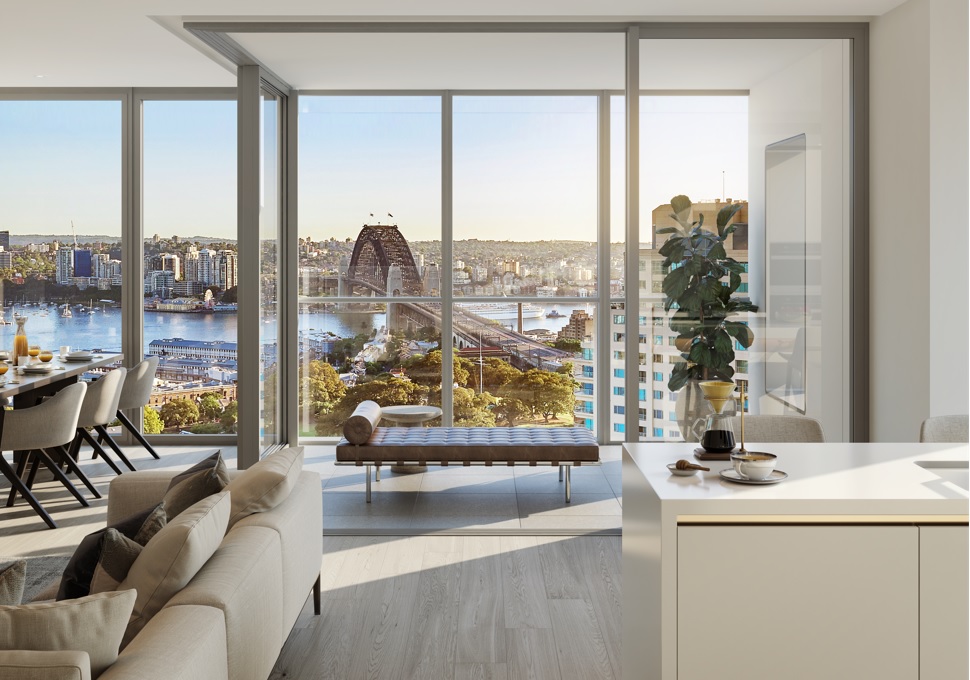 View of the Sydney Harbour from the kitchen of One Sydney Harbour Penthouse. Image: One Sydney Harbour.
In 2025, high-net-worth individuals (HNWIs) shifted away from viewing premium property as a default “safe haven”. Rather than indiscriminate acquisitions, buyers sought strategic criteria such as long-term ROI, liquidity, and tax efficiency. According to Coldwell Banker Global Luxury’s 2025 Trend Report, affluent purchasers are now prioritising value generation over flashy features or status symbols – a mindset experts refer to as “smart luxury”. For example, 30 percent of surveyed luxury specialists identified this strategic-buying approach as a significant market force.
“Affluent homebuyers still see real estate as a safe haven… but they are choosier than in recent years — prioritising investment potential over flashy amenities,” said Michael Altneu, Vice President, Coldwell Banker Global Luxury. According to Coldwell Banker, 68 percent of luxury specialists believe purchasers are maintaining or expanding their real estate exposure, indicating long-term confidence in property as a wealth anchor.
Ultra-Wealthy Buyers Shrunk the Market — Concentrated Power at the Top
 Image: Nano Banana
In 2025, market activity concentrated among the ultra-wealthy. In several prime metros, transaction volumes in the super-prime segment increased while mid-tier luxury declined. According to Knight Frank’s Wealth Report 2025, family offices and ultra-HNW buyers, often pursuing strategic property or portfolio acquisitions, remained the main drivers of activity. “Investment volumes… are beginning to stabilise, with private capital playing a growing role,” notes the Knight Frank Wealth Report’s research summary.
Another Reddit report cited that ultra-wealthy buyers also accounted for a greater proportion of all-cash sales, which protected purchases from rising interest rates. In important U.S. cities, data showed that more than half of deals over USD 1 million were paid in cash, with the figure climbing to 83 percent in the ultra-luxury condo sector.
Developers Pivoted from Scale to Scarcity
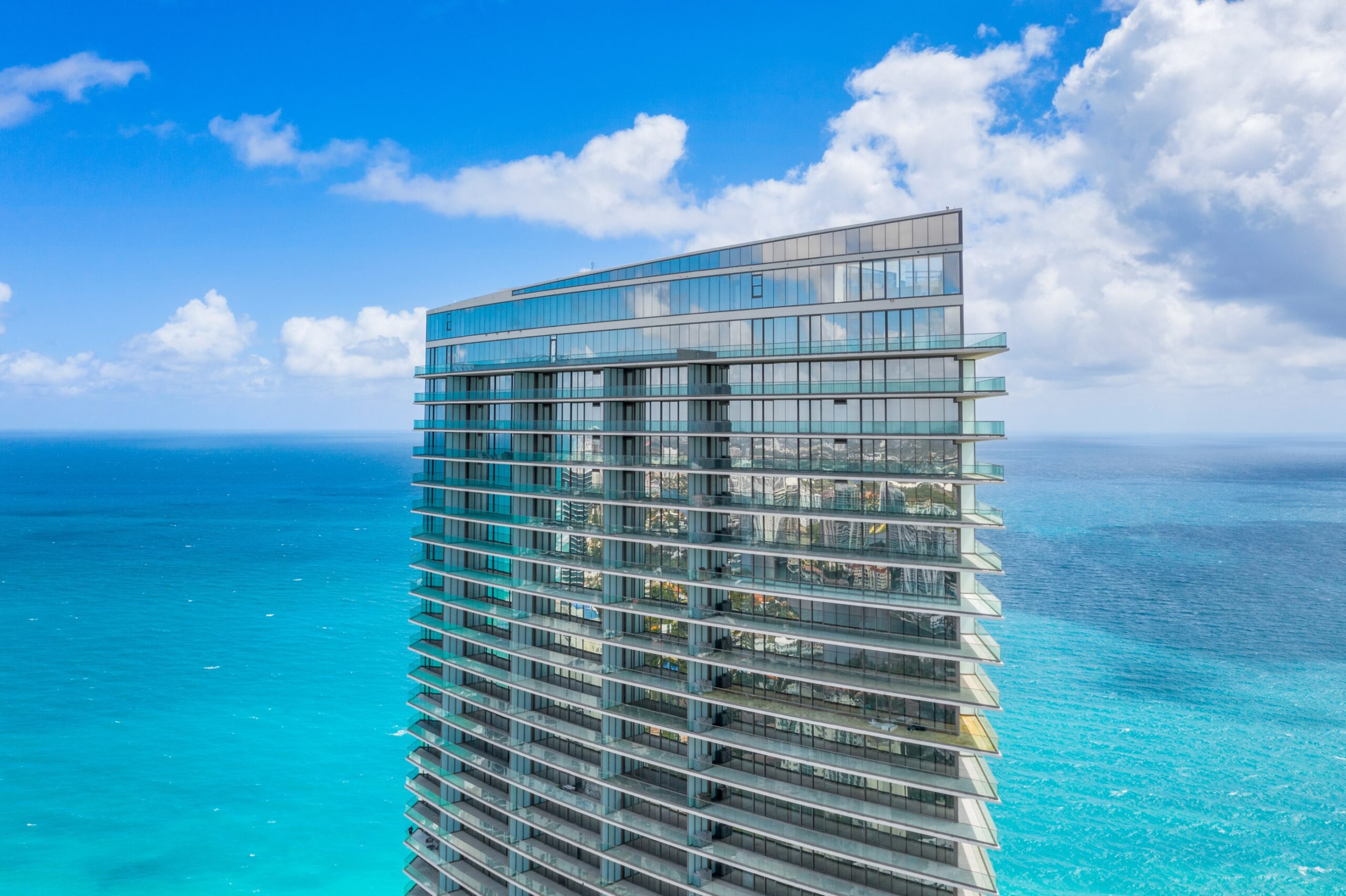 The Residences by Armani Casa in Sunny Isles Beach. Image: Armani Casa Residences.
In 2025, developers evaluated their product strategy. Where once grandiose, high-volume initiatives were the norm, scarcity-driven, quality-oriented launches gained popularity. Branded villas with respectable hospitality partners outperformed inferior brand tie-ins.
Market data also showed inventory gains — for example, single-family luxury inventory increased dramatically in the first half of 2025 — but well-executed scarce houses continued to attract higher prices. “The luxury sector isn’t bullish or bearish — but it is recalibrating,” observes Michael Altneu of Coldwell Banker.
Design Moved from Statement to Substance
 Four Reasons Residences, Egypt. Image: Fourseasons.com
In 2025, purchase decisions will increasingly be based on practical and wellness-focused design. According to Coldwell Banker research, more than 60 percent of specialists consider indoor-outdoor living as a top buyer priority, with an emphasis on flow, wellness and seclusion. The shift is both practical and experiential; affluent purchasers preferred properties designed for remote work, family harmony and wellbeing over merely Instagram-centric aesthetics. Location is important, but functionality now complements aesthetic luxury.
Sustainability Became a Core Value Proposition
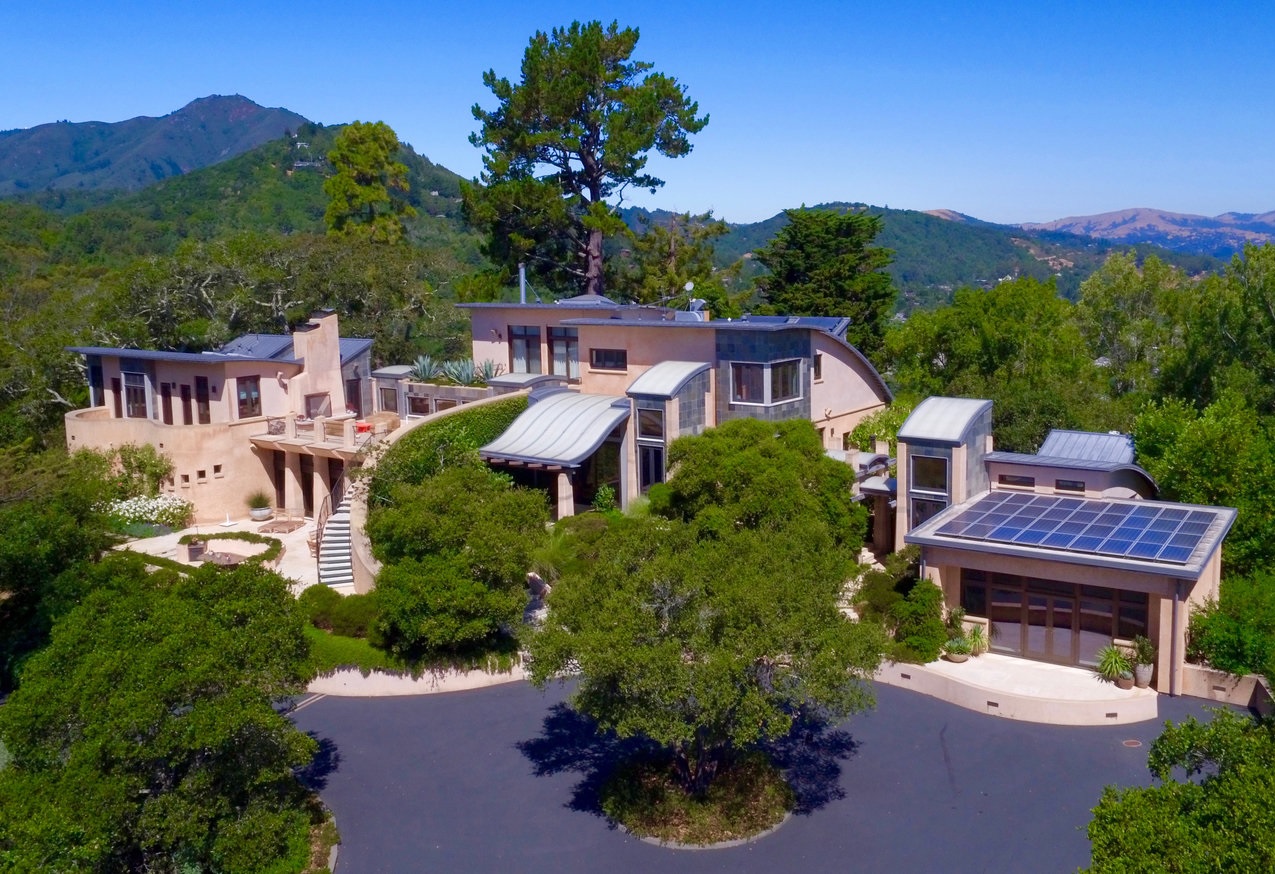 Topped with solar panels, the home features a rammed-earth exterior. Image: Sotheby’s International Realty.
By 2025, sustainability had progressed much beyond signalling. In luxury residential real estate, it has become a value determinant, affecting pricing, buyer preferences and long-term asset viability. Energy efficiency, resilient building systems and low-carbon materials were no longer considered optional upgrades, but rather baseline expectations — particularly in Europe and parts of Asia, where governmental pressure and buyer sophistication intersected. A Knight Frank report stated that a rising share of luxury buyers now consider energy ratings and sustainability important — directly supporting the idea that energy efficiency is a baseline expectation in many markets, especially Europe: Nearly 49 percent of European luxury buyers rate energy performance as essential, while another 43 percent find it important.
Developers responded by incorporating sustainability into both new construction and high-end retrofitting. Solar arrays, geothermal systems, better insulation, and water-management technologies became increasingly common in high-end homes, not for aesthetics but for performance. Properties with lower operating expenses and future-proofed compliance were more liquid, but inefficient properties faced longer sales cycles and tougher negotiations.
The shift was also generational. Younger ultra-high-net-worth buyers, notably founders and next-generation wealth holders, demonstrated a stronger readiness to pay for properties that adhere to ESG (Environmental, Social, and Governance) principles – not as a moral gesture, but as a safeguard against regulatory risk and obsolescence. Green certifications and energy ratings began to play a larger role in valuation talks in places like London, Paris, and Singapore.
Crucially, 2025 marked the point at which the market learnt to discriminate between substance and surface. Cosmetic sustainability, which includes token green elements or poorly defined “eco” promises, has lost respect. What mattered were measurable outcomes, such as lower energy use, better interior air quality, and structures engineered to withstand environmental stress. In a recalibrating luxury market, sustainability was no longer a story; it was all about purposeful functionality.
Secondary Cities Gained Credibility — Not Just Attention
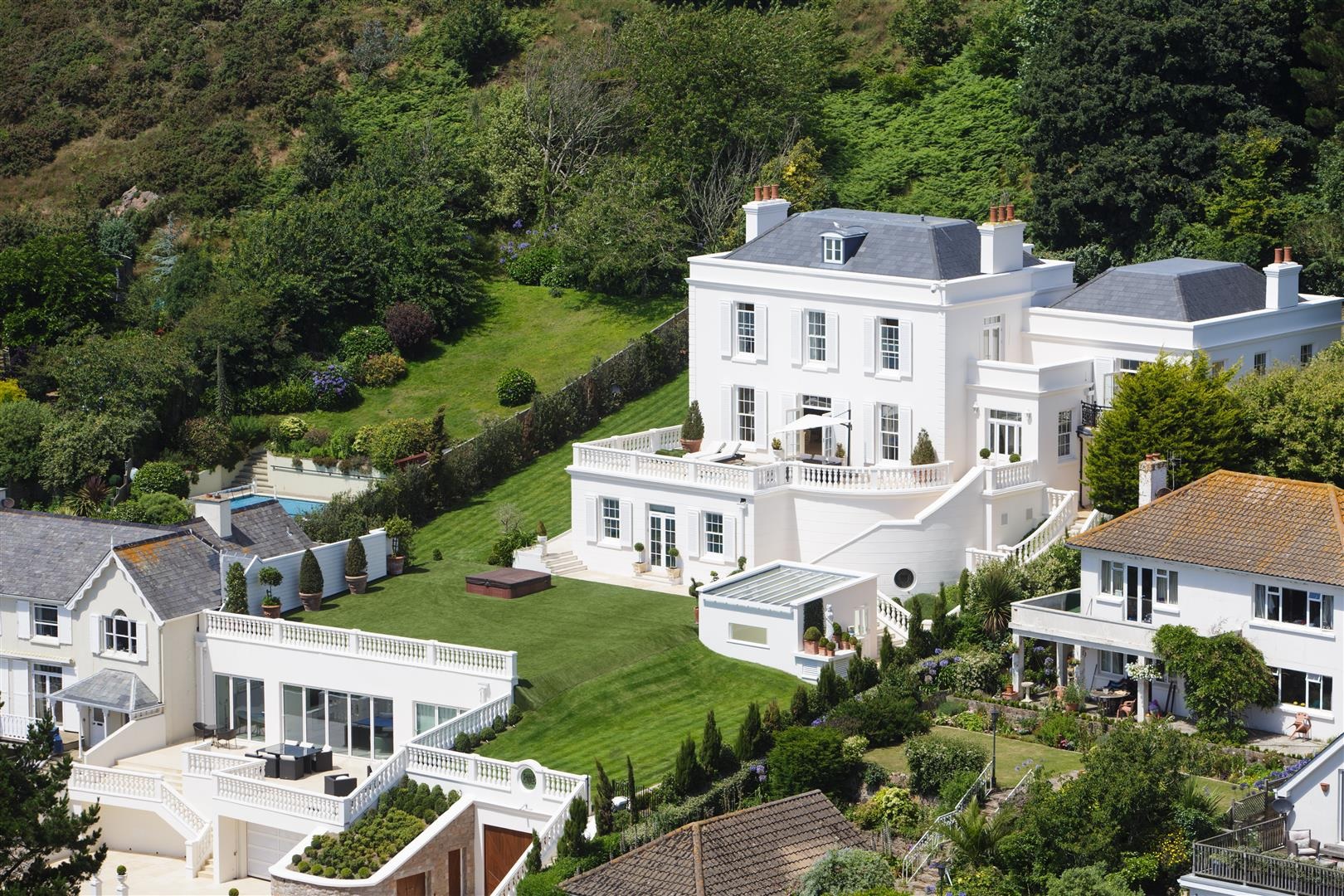 St Martin Home on a hill in Jersey, New York, U.S. Image: Fine & Country.
Information cited by the World Luxury Chamber points to a maturing of luxury demand beyond traditional capital markets in 2025. Also, according to Christie’s International Real Estate, cities such as Perth, Madrid and Sofia are attracting affluent buyers not as secondary choices, but as credible luxury destinations in their own right — offering lifestyle-led living, expanding urban infrastructure and relative value absent in more saturated capitals. This shift reflects broader migration and ownership preferences. As remote work flexibility persists, affluent buyers are increasingly willing to trade density for balance without sacrificing connectivity, channelling capital into cities where quality of life, long-term growth and pricing logic align more closely than in traditional global hubs, as noted by Knight Frank.
Agents Became Advisors — or Were Left Behind
 The new owners of the Wave House in Malibu belong to the power couple Karlie Kloss and Joshua Kushner. The six-bedroom, 6,200-square-foot residence was sold at USD 20 million below its original price of USD 49.5 million. Photo: Simon Berlyn. Courtesy of Douglas Elliman Real Estate.
In 2025, the function of the luxury real estate agent became more clearly defined. As transaction volumes decreased and customers became more discerning, vendors and buyers increasingly requested strategic advice rather than transactional execution. According to Christie’s International Real Estate and Coldwell Banker Global Luxury industry data, properties guided by agents who provided pricing discipline, cross-border intelligence, and access to private networks sold with greater confidence than those promoted indiscriminately.
This transition was more pronounced in the market’s highest tiers. With fewer but wealthier buyers active, successful brokers operated as portfolio consultants rather than sales intermediaries, advising clients on when to list, how to place assets against competing worldwide markets, and, in certain circumstances, whether to trade at all. Knight Frank has observed an increased dependence on comparative city analysis, tax planning, and exit strategy conversations, particularly among family offices and internationally mobile buyers.
Agents that relied solely on visibility — whether through social reach, listing volume, or aspirational branding – struggled to convert interest into closings. In a market characterised by caution rather than momentum, discretion, data, and judgment became the major differentiators. In 2025, credibility sealed the deal.
Liquidity, Not Price, Defined Success
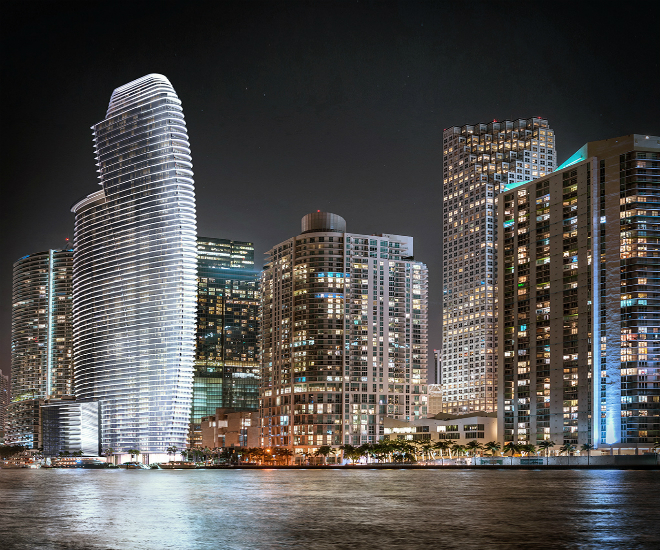 Aston Martin Residences along the Miami beach are on the radar of many property investors. Image: Aston Martin Residences.
In 2025, one of the clearest shifts in luxury residential real estate was how success was judged. Sellers and developers became less concerned with headline price tags and more focused on whether deals closed smoothly and on schedule. In a market with more inventory and cautious buyers, a property that could move efficiently through negotiation, financing, and closing — with clear terms and straightforward tax and financing considerations — was often more valuable than one with a high listing price. This reflected a broader trend: investors and owners prioritised predictable results over competitive bidding or high asking prices.
Data from industry sources back this up. According to Coldwell Banker’s Mid-Year Report 2025, luxury property availability grew noticeably, giving buyers more negotiating power and highlighting the value of well-prepared, uncomplicated transactions. This shift was evident across price tiers — from “smart” buyers seeking value to ultra-wealthy cash purchasers who could act quickly and confidently.
At the same time, high-end buyers showed a strong preference for cash transactions and simple, flexible financing options. In many global markets, all-cash deals remained a significant factor in closing transactions, showing that being able to pay quickly or offer reliable terms mattered more than the list price itself.
Taken together, these trends made 2025 a year in which liquidity and contract certainty mattered more than headline pricing. Sellers who prioritised clear terms, thorough documentation, and fair pricing were rewarded with faster closings and fewer deals falling through. In this context, strategic planning and practical execution became more important than aspirational list prices.
Looking Ahead
2025 will be remembered not for a boom or a crash, but for a reset in luxury residential real estate. Buyers didn’t disappear — they became more selective, choosing well-located, practical homes that offered long-term value, liquidity, and spaces suited to their daily lives. The market shifted toward careful, measured purchases, where substance mattered more than show and thoughtful planning outweighed instinct. By year’s end, the lesson was clear: success in luxury real estate now comes from strategy and informed decisions, not visibility or impulse.
For more luxury property reads, click here.
 English (US)