
.jpg) 2 hours ago
3
2 hours ago
3
I’ve always loved reading, especially the kinds of books that stick in your brain long after you finish the last page.
The books people shared in this Reddit thread aren’t just entertaining, they’re the kind that genuinely change the way you see yourself, other people, and the world around you.
I’ve actually read a surprising number of these myself, and a few of them absolutely changed the way I lived my life and looked at things.
If you’re looking for your next meaningful read, this is a pretty solid place to start.
1. The War of Art by Steven Pressfield (2002)
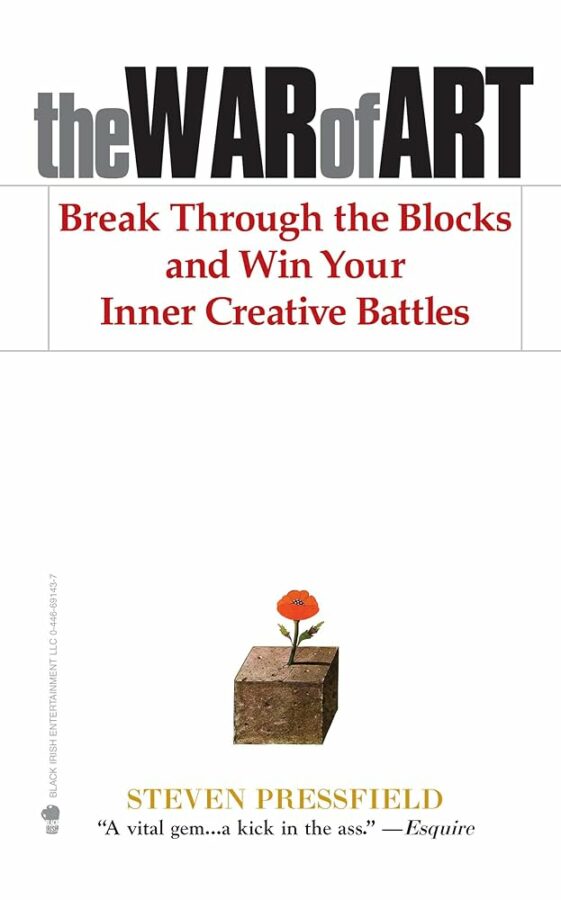
I actually read The War of Art a few years ago when I was really struggling with procrastination, and it hit me harder than I expected. It’s not super long, and it’s written in this really straightforward, almost no-nonsense way. But the whole idea about “Resistance,” that sneaky force that stops you from doing the things you actually care about, really clicked for me. It made me realize how often I was making excuses without even noticing. Pressfield’s message is simple but powerful: show up, do the work, and stop waiting for motivation to magically appear.
Others were quick to follow, with one person commenting, “The War of Art is the only book I have ever read more than once. Well worth the read” and another said, “Do The Work is a solid follow up to it. It’s short and to the point. Can easily listen to the audiobook in one sitting when you need a boost to GSD (get sh*t done). It’s 90 min.”
2. The 7 Habits of Highly Effective People by Stephen R. Covey (1989)
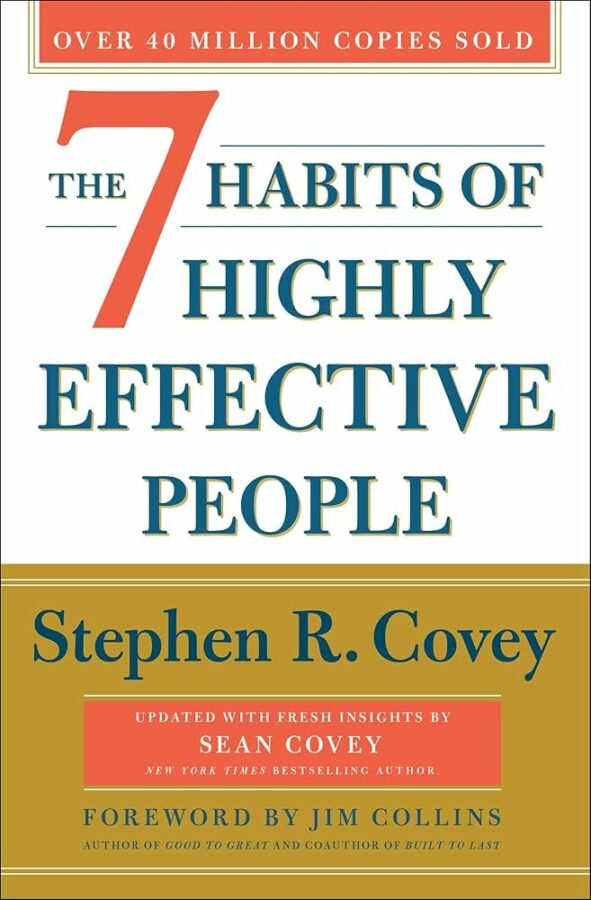
A lot of people in the thread brought up The 7 Habits of Highly Effective People, which honestly didn’t surprise me. It’s one of those books that has stuck around for decades because the advice still holds up. The core message is pretty simple: focus on what you can control, live according to your values, and be intentional about how you approach life and relationships.
One commented, “If I wanted to suggest the ONE book anyone to read in their lifetime, it is it. The idea is simple—be proactive, live by your values, and focus on what’s in your control. It will change the way you think and approach life.”
Another agreed, writing, “7 Habits also changed my life years ago by making my interpersonal relationships better, even though it doesn’t talk much about it. The book just motivated me to be my authentic self, increase my self-worth, and hence improved my relationship with others as a side effect. I had also read how to win friends and influence people at that similar period, but that book didn’t add any value as much as 7 Habits did.”
3. If the World Were a Village by David J. Smith (2002)
 Reddit
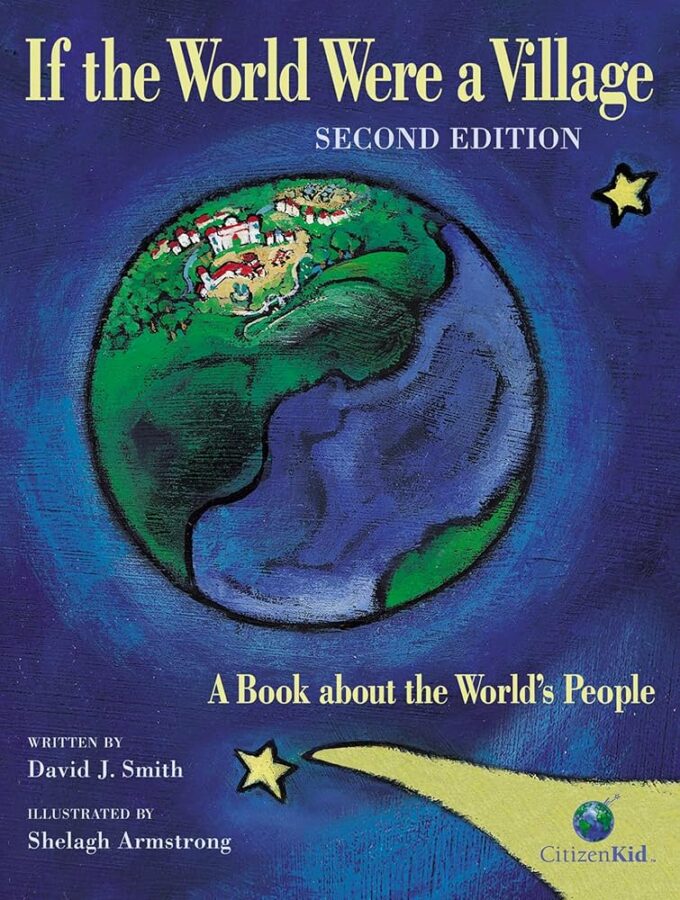
One of the more unexpected picks in the thread was If the World Were a Village, a children’s book that imagines the world’s billions of people as a village of just 100. It’s a simple concept, but apparently a powerful one. A lot of people said it completely changed the way they looked at privilege, inequality, and the reality of life for most people around the world.
One person describes it as a “short picture book, but [one that] completely changed how I see the life, world.”
They continue, “I was shocked how fortunate I was compared to all other people who do not even have basic food and water, and at the time, I was so ashamed that I took it for granted. Since then, I’ve traveled around the world, trying to interact with local people, and I try to learn about the history and the reality of these locations. (And I learned English to communicate.) I would not be who I am today without that book.”
4. The Anatomy of Anxiety by Ellen Vora (2022)
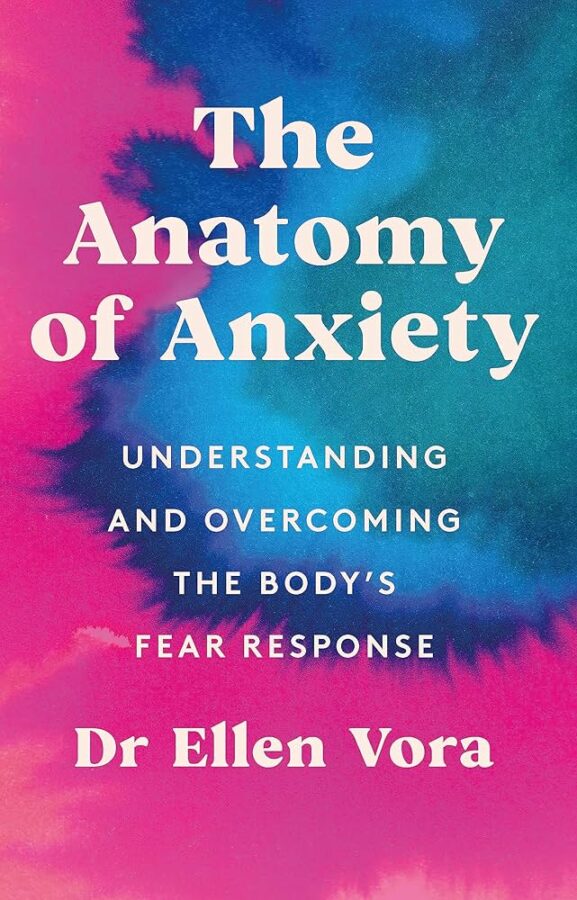
As someone who’s dealt with anxiety pretty much my entire life, The Anatomy of Anxiety really hit me at the right time. One thing I appreciated about Dr. Ellen Vora’s approach is that she doesn’t treat anxiety like some personal failure. She breaks down how it shows up in both the mind and body, and explains it in a way that actually made me feel less trapped by it. The book gave me a lot of comfort, but also practical direction on things I could actually do to improve my mental health.
“Before reading this book, I’d been focusing lopsidedly on the spiritual side and suffering from years of anxiety problems and panic attacks,” writes one Reddit user. “This book is a turning point for me, enabling me to view the mechanism of anxiety in the body more objectively.”
5. Flowers for Algernon by Daniel Keyes (1966)
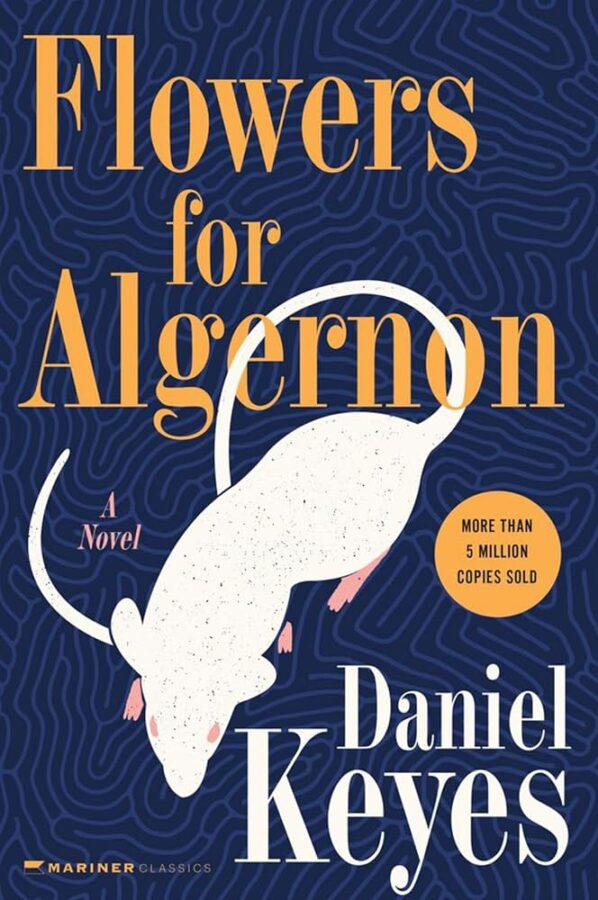
Flowers for Algernon started out as an award-winning short story before becoming one of the most emotionally devastating books a lot of readers have ever picked up. The novel explores intelligence, loneliness, happiness, and the way society treats people it views as “less than.” Even though it was first published decades ago, the themes still hit incredibly hard today.
One person commented that the novel “really made me think about how we all judge and treat other people, especially how we as humans look down on other people in different, subtle ways. It actually made me sick in a way I’ll never forget” and “completely changed my view on how we treat ‘slow’ people. It’s so profound, because it’s such a short text, but it just hits you like a bullet train. I never cried so much after reading a book before.”
6. Zen and the Art of Motorcycle Maintenance by Robert M. Pirsig (1947)
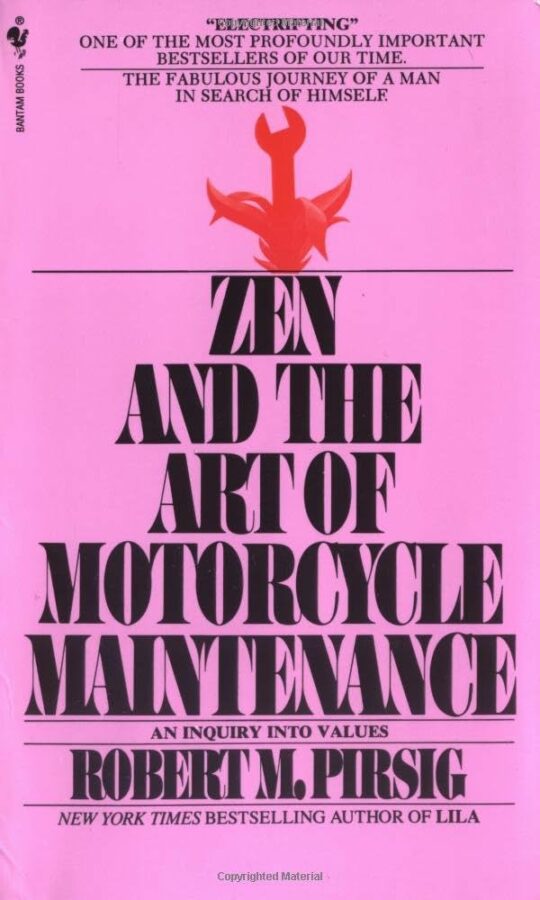
I first read Zen and the Art of Motorcycle Maintenance as a teenager, and even though I’ve never ridden a motorcycle in my life, the book completely pulled me in. It’s technically about a father and son taking a motorcycle trip across the country, but it’s really about searching for meaning, identity, and what makes life feel worthwhile. I’ve reread it a few times over the years, and every time I get something different out of it.
“I can’t fully describe the feeling. Part of my love was his concept of ‘quality’ and it almost becomes religion-like,” commented one person. “It’s been probably 25 years since I read it. I should read it again.”
7. Ishmael by Daniel Quinn (1992)
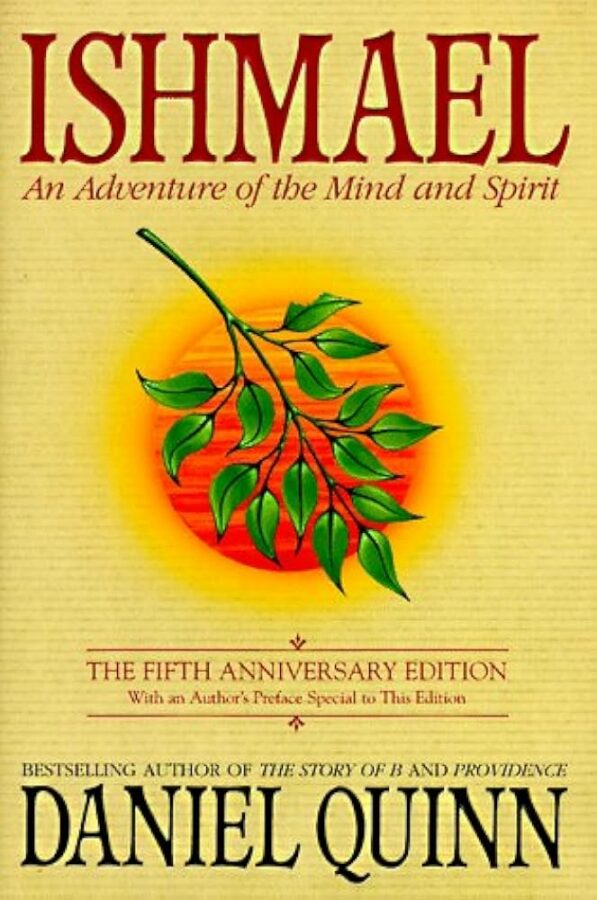
Ishmael came up multiple times in the thread, and a lot of readers said it completely changed the way they viewed humanity’s relationship with the planet and with each other. The philosophical novel is framed as a long conversation between two characters, with author Daniel Quinn questioning the idea that humans are meant to dominate the natural world at all costs.
“The metaphor about society being a faulty plane that is falling off a cliff but thinks it’s flying simply because it hasn’t hit the ground yet has always stuck with me,” wrote one Reddit user of the philosophical novel.
Another user echoed their praise, writing: “I read a ton of self-help, and all the ones mentioned in this thread I have rolled my eyes at because they reiterate common thought trends with an occasional light bulb moment. Not to say they aren’t helpful, just not necessarily ‘change my life’ kind of books. Ishmael made me THINK and put life in perspective. It was the book that changed my conservative thinking to a very much empathy based way of living with intention.”
8. Meditations by Marcus Aurelius (161-180)
 Reddit
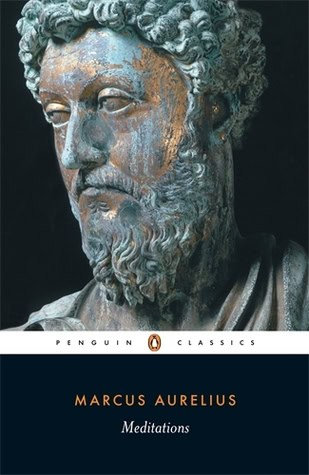
I keep a copy of Meditations nearby pretty much all the time because it’s one of those books you can randomly open to any page and immediately find something meaningful. I’ve reread parts of it over and over through different stages of my life, and honestly, a lot of the framework I try to live by comes from this book. The fact that these thoughts were written nearly 2,000 years ago by a Roman emperor somehow makes it even more impressive.
One reader commented, “Some of the best thoughts on how to live and grow, and how to deal with adversity, mortality, and impermanence. Dude was pretty in touch with the universal human condition for an Emperor.”
Another person replied, “I think I really need to give a copy of this to my brother… It really helped me out, and I think I see him struggling with things that could be easier for him with some tools he could gain from this.”
9. Radical Acceptance by Tara Brach (2004)
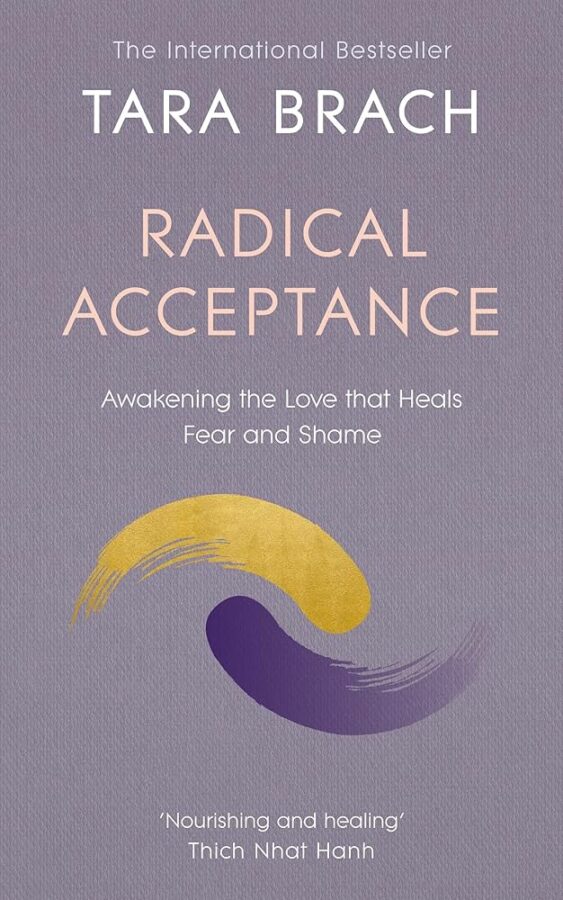
Radical Acceptance earned a lot of praise in the thread from readers who said it genuinely helped change the way they treated themselves and processed difficult emotions. The book focuses on self-compassion, mindfulness, and learning how to stop fighting yourself all the time, which clearly resonated with a lot of people.
Even beloved Buddhist teacher Thich Nhat Hanh praised the book, writing, “Radical Acceptance offers us an invitation to embrace ourselves with all our pain, fear, and anxieties, and to step lightly yet firmly on the path of understanding and compassion.”
Similarly, people on the thread sung its praises, writing, “Her RAIN method has literally saved my life and changed my perspective on how I interact with the world and how I treat myself. Thanks to her, I’m heading into a new chapter where trauma doesn’t rule my life,” and “This book helped me tremendously while navigating hard personal situations, including terminal disease in my family.”
10. The Power of Your Subconscious Mind by Joseph Murphy (1963)
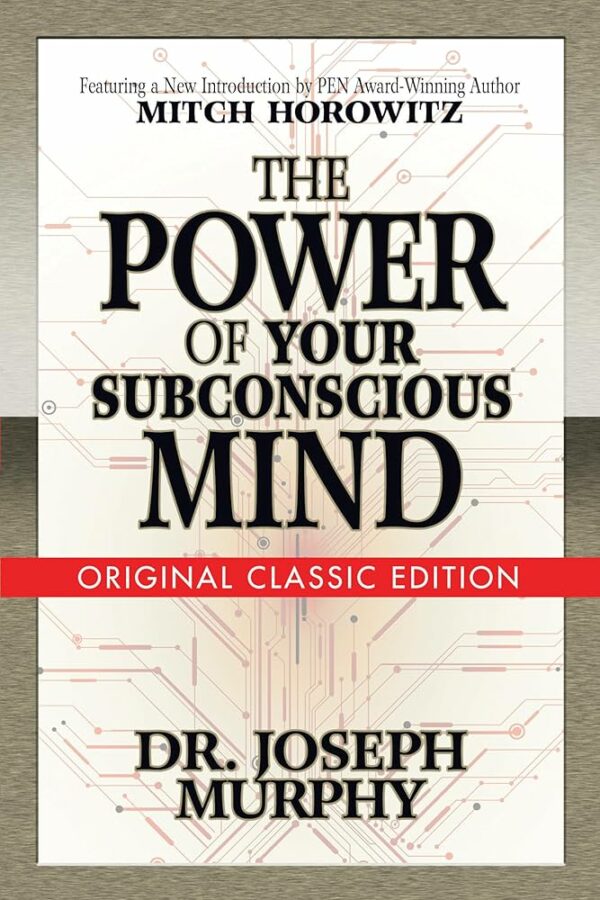
One reader said this book, which explores the idea that our subconscious thoughts shape much of our reality, had a huge impact on the way they approached life and personal goals. Even people who might normally be skeptical of self-help or manifestation-style thinking seemed to connect with its core message about mindset, belief, and intention.
“I’m a pragmatic person and would question this book would it be introduced to me now instead of when my mind was more open,” they begin. “Maybe it works because it makes you believe that all it takes is a wish and some work… I read it when I was about 15 and have had many things I wished for happen.”
11. Siddhartha by Herman Hesse (1922)
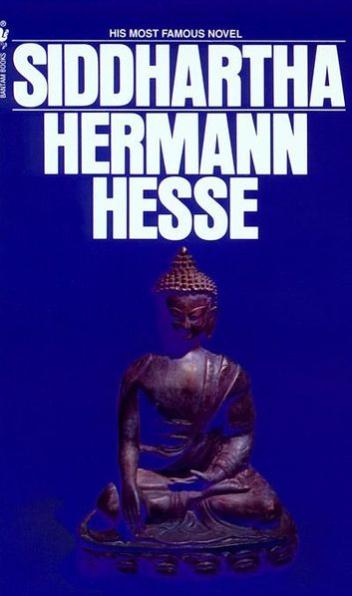
Siddhartha follows the spiritual journey of a man searching for meaning during the time of the Buddha, and despite being first published over a century ago, it still resonates deeply with modern readers. Rather than offering easy answers, the novel explores self-discovery, suffering, wisdom, and the idea that people often have to find their own path through life instead of following someone else’s.
One user writes, “We sometimes find ourselves most lost when we stop believing other people are going to be able to give us the mentorship we need. Often, literature can teach what straightforward non-fiction texts can’t.”
12. Love Yourself Like Your Life Depends on It by Kamal Ravikant (2020)
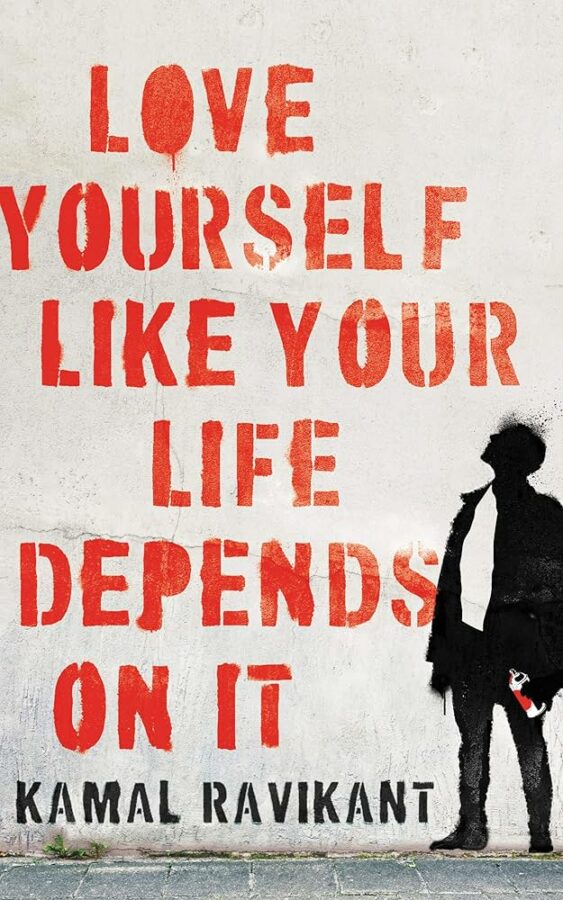
One reader said Love Yourself Like Your Life Depends on It completely changed the way they viewed self-worth and personal healing. The book focuses on the idea that self-love isn’t selfish or embarrassing, but something foundational that affects every other part of your life.
As they put it, the book “brought home how essential self-love is, and that it isn’t indulgent or narcissistic. It’s the foundation that makes everything else possible.”
13. The Little Prince by Antoine de Saint-Exupéry (1943)
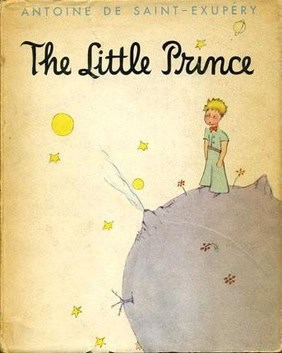
The Little Prince is one of those books that stays with people for their entire lives, and I totally get why. My mom used to read it to me when I was a kid, and parts of it still pop into my head all these years later. On the surface it feels like a simple children’s story, but it has so much to say about imagination, adulthood, loneliness, and the way people see the world differently.
One Redditor especially connected with the famous drawing scene, writing: “The part in The Little Prince where the adult looks at his drawing and thinks it’s a top hat and the kid says ‘no, it’s a picture of a snake that just ate an elephant’ really helped little kid me understand how people can see the same things so differently. It seems small now, but as a little kid it’s hard to understand why adults ‘don’t get it’ when it seems obvious to kids. That helped me have patience for my parents/adults, and I think I carried it with me as a beginner builder of compassion for people in general.”
14. Get It Done by Aylet Fishbach (2022)
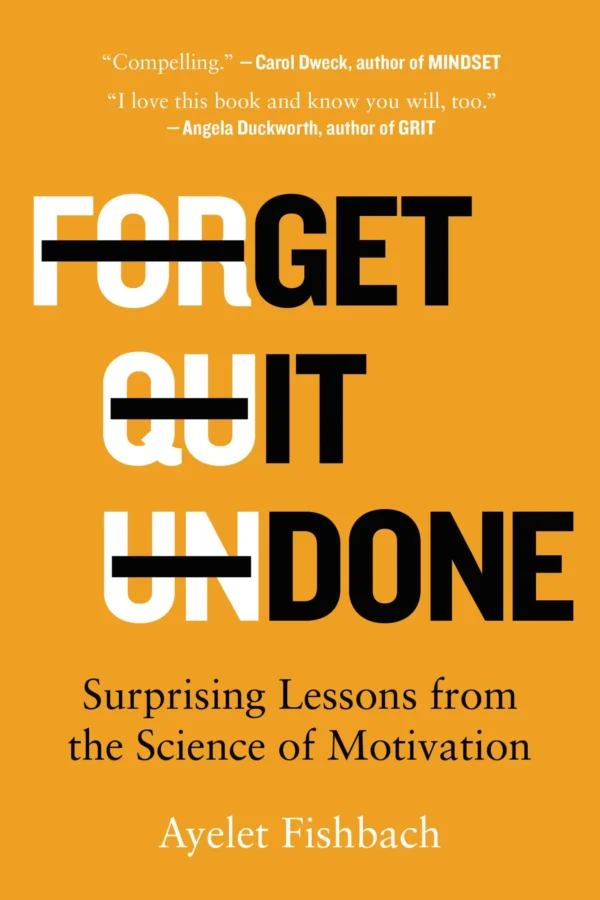
The final recommendation in the thread came from a reader who said psychologist and behavioral scientist Ayelet Fishbach’s book completely changed the way they approached time management, motivation, and burnout. Instead of treating rest and productivity as opposites, the book apparently helped reframe them as things that actually work together.
As they explained, the book “changed the way I think about how I manage my time and myself. I rarely think of ‘recovery’ and ‘productivity’ in the same sentence, and generally think in terms of opportunity costs or how to best use my time.”
15. The 12 Week Year by Brian P. Moran and Michael Lennington (2013)
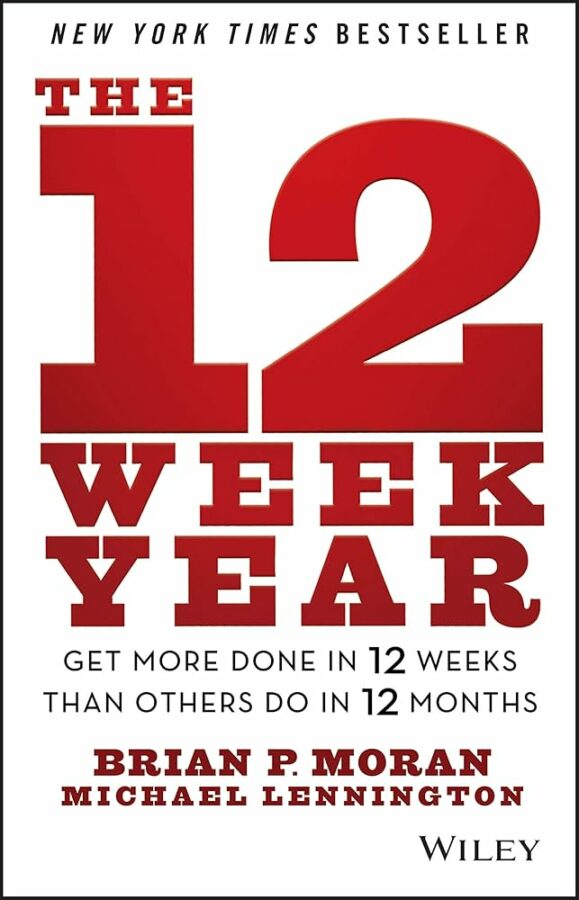
The 12 Week Year was recommended by readers who said it completely changed the way they approached goals, productivity, and time management. Instead of thinking in giant year-long timelines that are easy to procrastinate away, the book breaks goals into focused 12-week stretches designed to create urgency and momentum. A lot of people said the shorter time frame helped them stop endlessly planning and actually start taking action.
One commenter wrote, “It completely changed how I view time. A year is too long to stay focused, but 12 weeks? That’s war mode. It forces action and kills procrastination. It made me realize how much time I was wasting ‘planning’ instead of executing.”

Mike Primavera is a Chicago-based comedy writer even though he doesn't HAVE to work. He lives comfortably off of his family's pasta fortune. Follow him on all social media at @primawesome
 English (US)