
.jpg) 2 hours ago
3
2 hours ago
3
When it comes to saving money on food, these reader-shared ideas are simple, practical, and might just change the way you shop and cook! I love that these ideas don’t require extreme couponing or hours of prep work. They’re practical, everyday habits that cut grocery bills and reduce food waste.
Recently on Facebook, we asked:
“What’s something you do to save money that others might find unusual?”
The responses were incredible, especially when it came to food.
If you missed the conversation, you can read through it here.
This post is a compilation of some of the BEST food-related ideas shared in that thread. The cost of food has steadily increased over the past few years, and even small price jumps on everyday items like eggs, meat, produce, and pantry staples can easily add hundreds of dollars to a family’s monthly budget. It’s not just “treat” foods that cost more; it’s basics.

How to Save Money on Food
Here are some of the smartest (and slightly unusual!) food-saving strategies shared by our community:
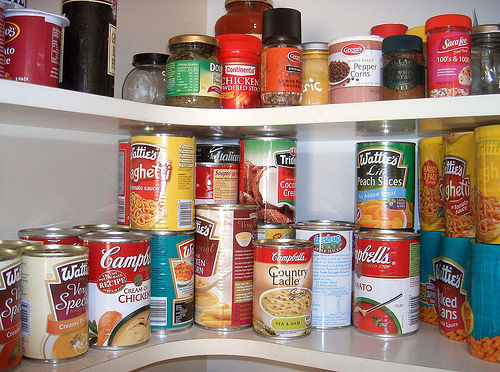
1. Inventory First. Shop Second.
One of the most repeated tips was simple but powerful: Make a full inventory of your freezer, pantry, and fridge before you shop.
This does two things:
- Prevents buying duplicates of what you already have.
- Sparks meal ideas based on what’s already in your house.
Try this:
- Keep a running freezer list on your phone.
- Plan 2–3 meals using only pantry/freezer items each week.
- Then shop only for what fills the gaps.

2. Use Grocery Pickup Services
Several readers also mentioned that using grocery pickup helps eliminate impulse purchases, because you’re not walking past end caps and seasonal displays.
It could be worth paying a small fee to avoid this temptation — and save yourself time! — but Kroger doesn’t even charge for grocery pickup.
Even better, you could have your groceries delivered to you with Kroger Boost (check out this post to see if Kroger Boost is worth it for you).
If you shop at Walmart, using online ordering (and Walmart+) can make it even easier to stick to your list and avoid temptation, whether you’re shopping for groceries or other household needs.

3. Pack At Least One Meal on Big Trips
Travel can wreck a food budget quickly. One reader shared that whenever they travel, they pack at least one meal per day and try to stay at hotels with kitchenettes.
Meals you could pack include:
- Sandwich supplies
- Yogurt and fruit
- Breakfast items
- Easy pasta dinners
Even replacing just one restaurant meal per day for a family can save $40–$80 daily while traveling. That adds up fast!
4. Reuse Glass Jars for Leftovers
This is such a smart (and sustainable!) idea. Whenever you use up pasta sauce, jelly, or salsa that comes in glass jars, wash the jars, remove the label, and reuse them.
Glass jars are perfect for storing:
- Leftover tomato paste
- Half-used cans of beans
- Extra broth
- Small portions of cooked grains
Instead of letting small amounts of food go to waste, you store them neatly and use them later. Free containers + less waste = double win.

5. Keep a Cooler in the Car
This tip is especially helpful for families with kids. One reader shared that when her kids were little, she always kept a cooler in the car stocked with:
- Water
- Juice boxes
- Cheese sticks
- Yogurt and granola
- Snacks
That way, they avoided quick “let’s run in for snacks” trips that turned into $30 impulse purchases. The key takeaway? Plan ahead to prevent convenience spending.

6. Buy Clearance Meat (and Freeze It)
Clearance meat and apps like Flashfood were mentioned multiple times. If your store marks down meat early in the morning or on certain days:
- Shop strategically
- Package immediately
- Label and freeze
One reader even shops multiple stores once a month early on Saturday mornings and stocks up for the entire month, saving around $50 each time. That’s $600 per year.

7. Garden and Freeze for Later
If you garden, maximize your harvest.
Readers shared that they:
- Freeze whole tomatoes
- Chop and flash freeze green peppers
- Preserve extras for months of future meals
Even if you don’t garden extensively, growing just a few high-yield items (like tomatoes or herbs) can offset grocery costs.
8. Split Meals at Restaurants
This one is surprisingly effective. Some families split one entrée when dining out, and sometimes even have room for dessert afterward.
Others look for kids-eat-free nights. Even couples without kids shared they split meals regularly. Restaurant portions are often large enough for two, and cutting that bill in half makes dining out far more affordable.
9. Stretch Holiday Hams and Roasts Into Multiple Meals
One reader shared an incredibly smart strategy:
When bone-in hams are deeply discounted at Christmas or Easter, she buys several. She cubes and freezes portions, then grinds some for ham salad and uses leftovers in soups.
The same goes for whole turkeys and crockpot beef roasts. A single roast can become 3 to 4 meals when stretched intentionally.

10. Freeze Vegetable Scraps for Soup
Instead of tossing leftover vegetables, put them into a container in the freezer, even an old Cool Whip or cottage cheese container, or the glass jars mentioned above.
Add to it throughout the week, whether it’s extra carrots, onion scraps, corn, green beans, etc. Once it’s full, turn it into vegetable soup. It reduces waste and creates a nearly free meal.
11. Pack Bread, Peanut Butter, and Jam
This might sound simple, but it works. Packing a loaf of bread, peanut butter, and jam for trips or busy days can eliminate fast food stops entirely.
It’s not fancy, but it’s filling and it’s inexpensive.

12. Choose Casseroles Over Steaks
One reader shared that they stopped buying steaks and instead returned to inexpensive casseroles their mom used to make. Especially for retirees or smaller households, casseroles stretch across multiple days. They often involve lower-cost ingredients and you can get multiple servings.
This is an old-school frugality ‘trick’ that still works and having a ready-made meal will lead to less temptation to dine out.
13. Rarely Eat Out, and Use Rewards When You Do
Several readers mentioned ways to save on dining out, including:
- Cut back on eating out significantly
- Eat at home and drink coffee made at home before heading out so you’re not tempted to visit the drive-through
- Use gift cards you’ve earned from Swagbucks or other earning apps when you do go out.
If you have a few minutes to spare for surveys and scanning receipts, you can easily earn gift cards and use them for occasional restaurant meals to keep the food budget in check.

14. Eat at Home and Bake at Home
One of the biggest savings areas mentioned? Simply eating at home, and making baked goods at home instead of buying them.
Inviting friends over for dinner instead of meeting at restaurants can cut costs and even build community. Make hosting affordable and remember it doesn’t have to be elaborate. Soup and bread counts!

Small Food Habits = Big Grocery Savings
None of these ideas are complicated. But they are intentional.
And food is often one of the biggest monthly expenses for families, which means small improvements here can make a big difference.
Focus on building your meal plan around what you already have. Many of us have partial bags of rice, random cans, frozen vegetables, or proteins that get forgotten. When you start with what you own, you reduce waste and buy less.
Even doing this intentionally once per month can trim $50–$100 off your grocery spending!
More Ideas to Save Money on Food:
- Making the Most of Amazon Subscribe & Save Deals: Tips and Tricks to Maximize Your Savings
- How to Use Target Circle (and Get the Most Value From It)
- Is Kroger Boost Worth It? Here’s What You Should Know… And Why It Might Be Your New Favorite Mom Hack!
- Walmart Plus Membership | Free 30 Day Trial!
- My 25 Favorite Things to Buy at ALDI
- How to Save on Groceries When You Work Full-Time
- Ask Crystal: How do I save money on groceries when costs keep increasing?
- 22 Easy and Affordable Spring Dessert Ideas
- 50+ Simple Ways to Practice Hospitality On A Budget
- Restaurants Where Kids Eat Free
And, be sure to check out our $10 Family Dinner Ideas and current grocery deals!
Which practical and proven hacks are you using to save money on food?
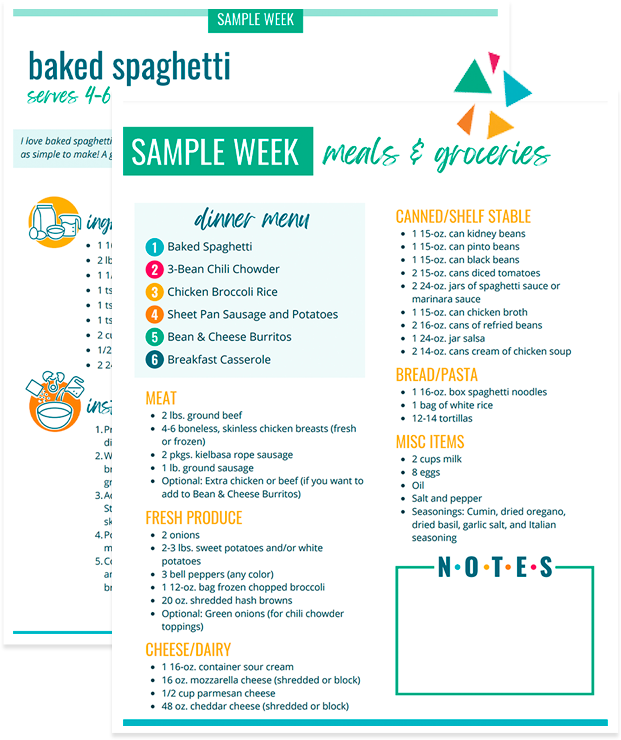
FREE One Week Menu Plan!
Done-For-You Dinner Recipes With Simple Ingredients and a Grocery Shopping List!
Send me my FREE Menu Plan! English (US)