
Published Nov 8, 2026, 11:00 AM EST
Oli Welsh has been covering the business and culture of video games for two decades. He started out writing for Edge and other publications (specializing in MMOs and Blizzard, as cover for his World of Warcraft playtime) before joining Eurogamer, where he worked for 14 years as reviews editor, deputy editor, and editor-in-chief; Eurogamer won many Games Media Awards during his tenure. At Polygon, he writes about film and TV as well as games, and provides news, analysis, and criticism on the entertainment we love and the industries that make it, all from his home in London. He loves role-playing, racing, puzzles, tactics, exploration, storytelling, Nintendo, mysteries, spies, fantasy, reality, cars, and classic cinema. He wanted to be a movie critic when he grew up, and now he’s definitely grown up, and occasionally is one. He considers this a win.
All remakes are not created equal… but they're still remakes
 Image: Nintendo EPD/Nintendo
Sign in to your Polygon.com account
Here are just a few of the dozens of video game remakes released since The Game Awards began in 2014 that were not nominated for Game of the Year: Shadow of the Colossus. The Legend of Zelda: Link's Awakening. Demon's Souls. The Last of Us Part 1. Silent Hill 2. All acclaimed new versions of canonical classics, and all among the best-reviewed games of their respective years.
Here are the four remakes that were nominated: Resident Evil 2, Resident Evil 4, Final Fantasy 7 Remake, and Final Fantasy 7 Rebirth. Apart from the obvious, what these four games have in common is their bold retellings of the original stories in a completely modern gaming vernacular, sometimes with radical changes. The Final Fantasy 7 remake project turns one game into three that might as well be in a different genre.
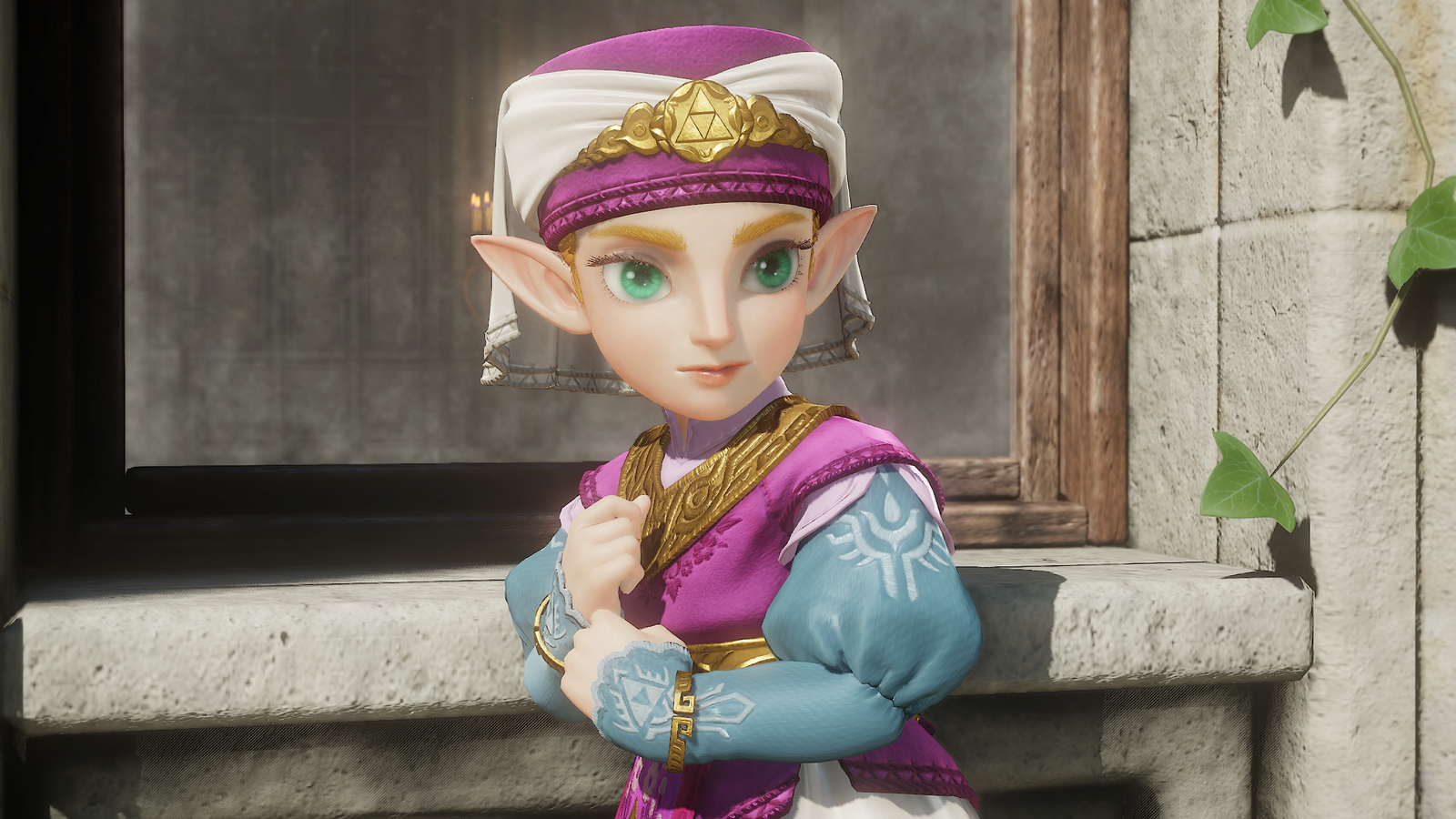
Nintendo's new version of The Legend of Zelda: Ocarina of Time sits somewhere in between these two groups. It is, for the most part, reverently faithful to the original story and design, with a few smart modernizations. But it does make bold artistic choices in perhaps the most dramatic visual overhaul of any remake yet.
Ocarina of Time is not quite "what this game would be like if you made it today," which is the approach taken by Capcom and Square Enix on Resident Evil and Final Fantasy 7. It's more classical in its design than that. But nor is it a painstaking recreation of a masterwork like, say, Bluepoint's exquisite PlayStation 4 version of Shadow of the Colossus. It's willing to look and feel different from the source material.
That would appear to leave Ocarina's chances of recognition at The Game Awards in the balance. But I do think it will be recognized with a raft of nominations, not least in Game of the Year. There are a few reasons for that.
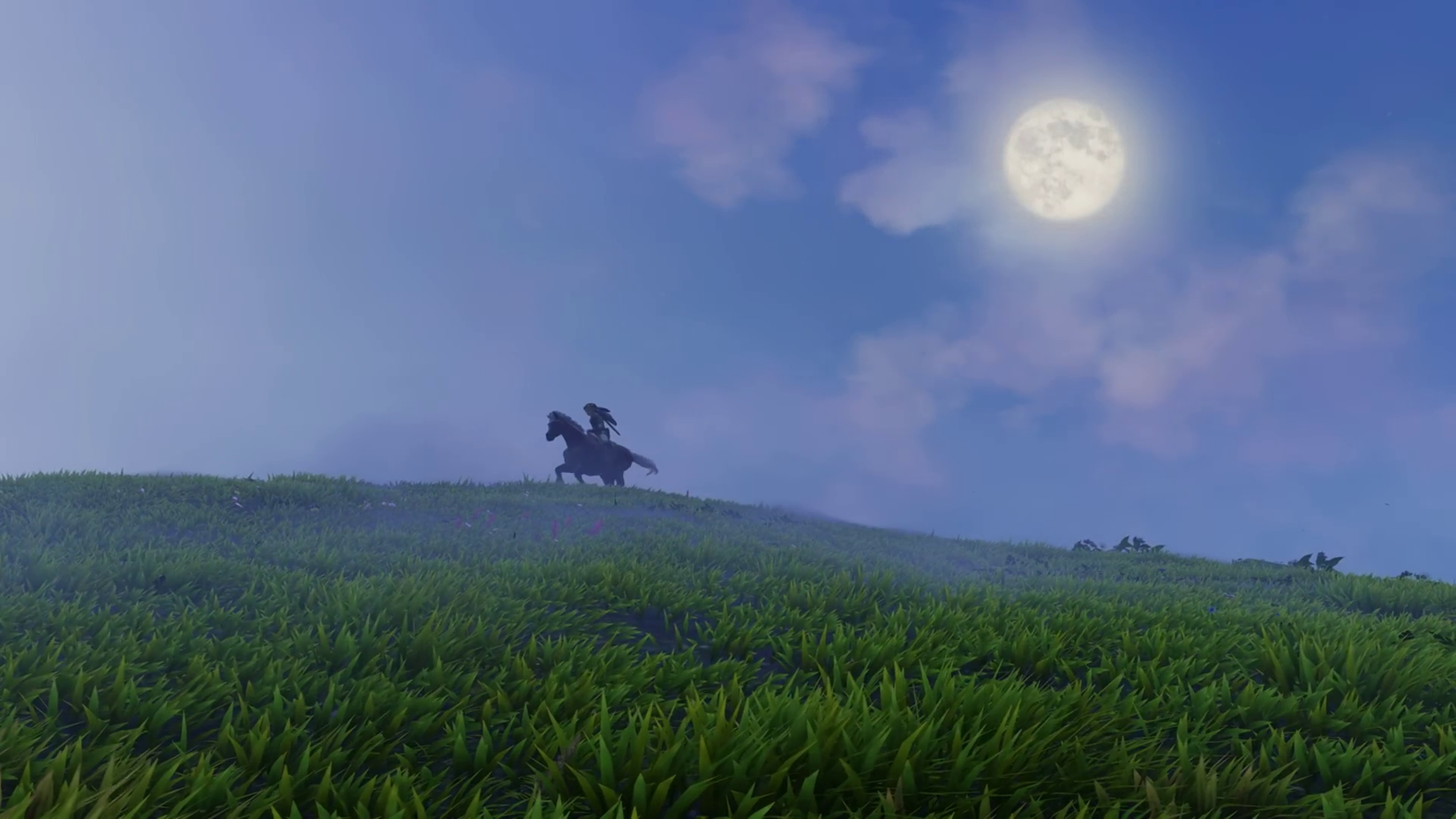 Image: Nintendo
First is the sheer, overpowering acclaim it has been met with, and the relative weakness of the competition. Ocarina's Metacritic rating of 96 is by far the year's highest (so far). It leaves other mainstream GOTY hopefuls like Resident Evil Requiem and Fire Emblem: Fortune's Weave, none of which broke into the 90s, in the dust. Nor is there anything unreleased that could top it, save Grand Theft Auto 6. Ocarina brute-forces its way into the Game of the Year conversation. It's impossible to ignore.
Second is the special relationship so many jury members have with the original game. The 1998 version of Ocarina of Time exists on a different plane, even compared to The Last of Us or Resident Evil 4. Perhaps only Final Fantasy 7 can touch it. It combines an ability to stir deep sentiment and nostalgia with an unassailable reputation as the masterpiece of the entire medium. If the critics that make up The Game Awards jury are willing to accept that it has been done justice, that's a feat they will want to recognize.
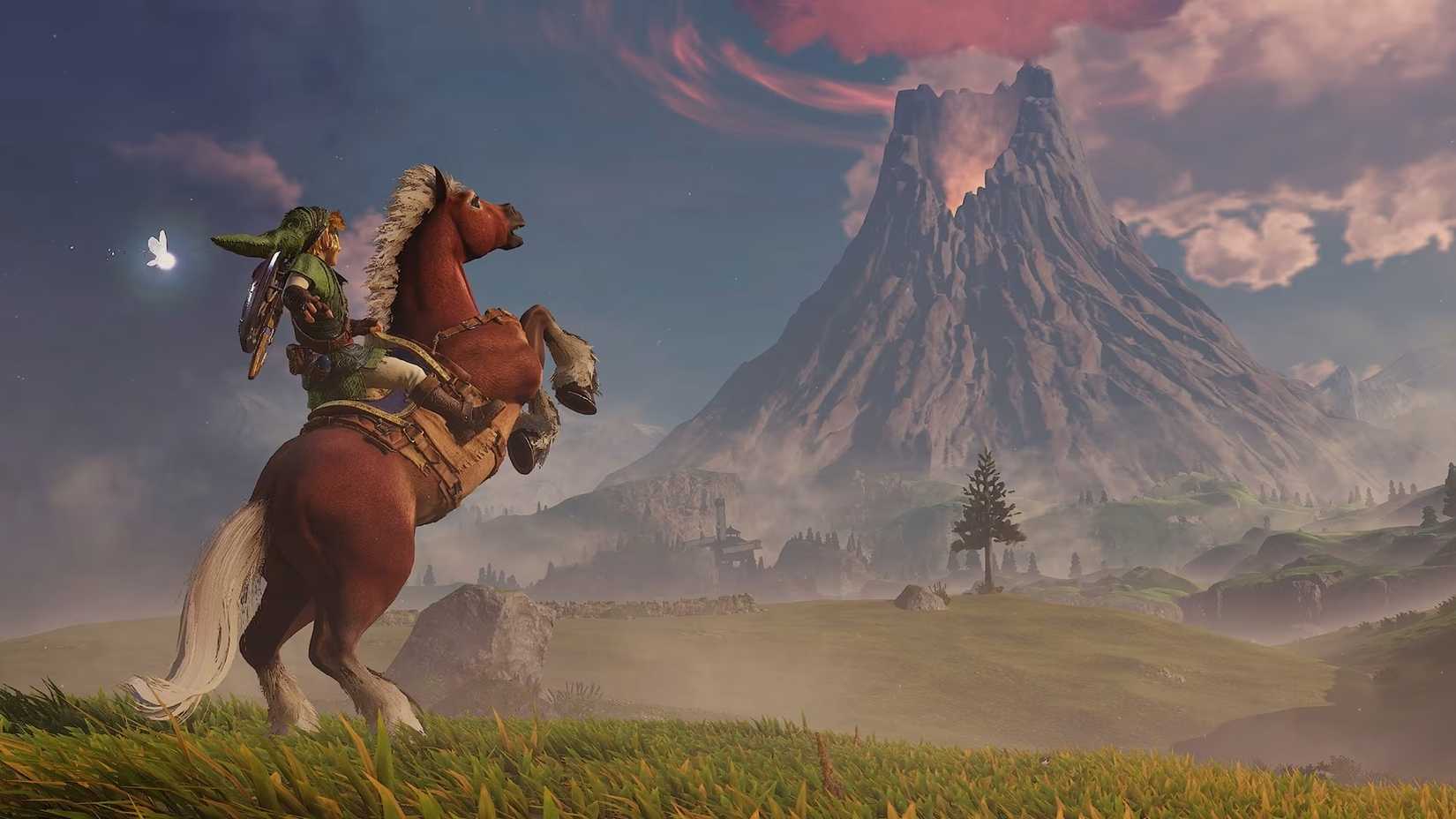 Image: Nintendo
Third: Ocarina has achieved what most remakes can't, which is to feel like an event on par with the biggest new releases. The visual overhaul alone, at a three-decade distance from the original, is dramatic enough to make it exciting. Nintendo had its internal Zelda team work on the remake rather than farm it out, and has positioned it as the biggest game of the year. It is being publicly discussed as the only game that can stand up to GTA 6, or the most striking alternative to it. In other words, it's a game of the moment… a game of the year, you might say.
So yes, I think it will get a GOTY nomination, and likely a few others: Best Action/Adventure, Best Score and Music, perhaps Best Audio Design and perhaps even Best Art Direction. It's certainly the most noticeable art direction of the year, most critics have come around to it, and there's no denying that it's executed with strong vision and skill.
 Free sign-up
Get Polygon’s Wishlister newsletter
A weekly cheat sheet to what you’ll eventually love to play. No buying, no commitment — just saving for later.
Sign up freeFree. Unsubscribe anytime.
But I don't think there's any way Ocarina of Time could win, even if this wasn't GTA 6's year. I would rule out a win for any remake, aside perhaps from the Final Fantasy 7 games, which are much closer to being new releases than any other remake. Ocarina is, simply, an old game and not an original work. While the jury may be willing to recognize it as a game of the year, I can't imagine they would see a way to crown it as the game of the year.
And they'd be right. An Ocarina win would send a perplexing message about how the industry sees itself and its best work. Asserting the continuing relevance of this classic, and a kind of game design that has fallen out of fashion (even within the Zelda series), is noble and just. Saying that it's the best the medium can offer now, however, would be sad — even if it were true.