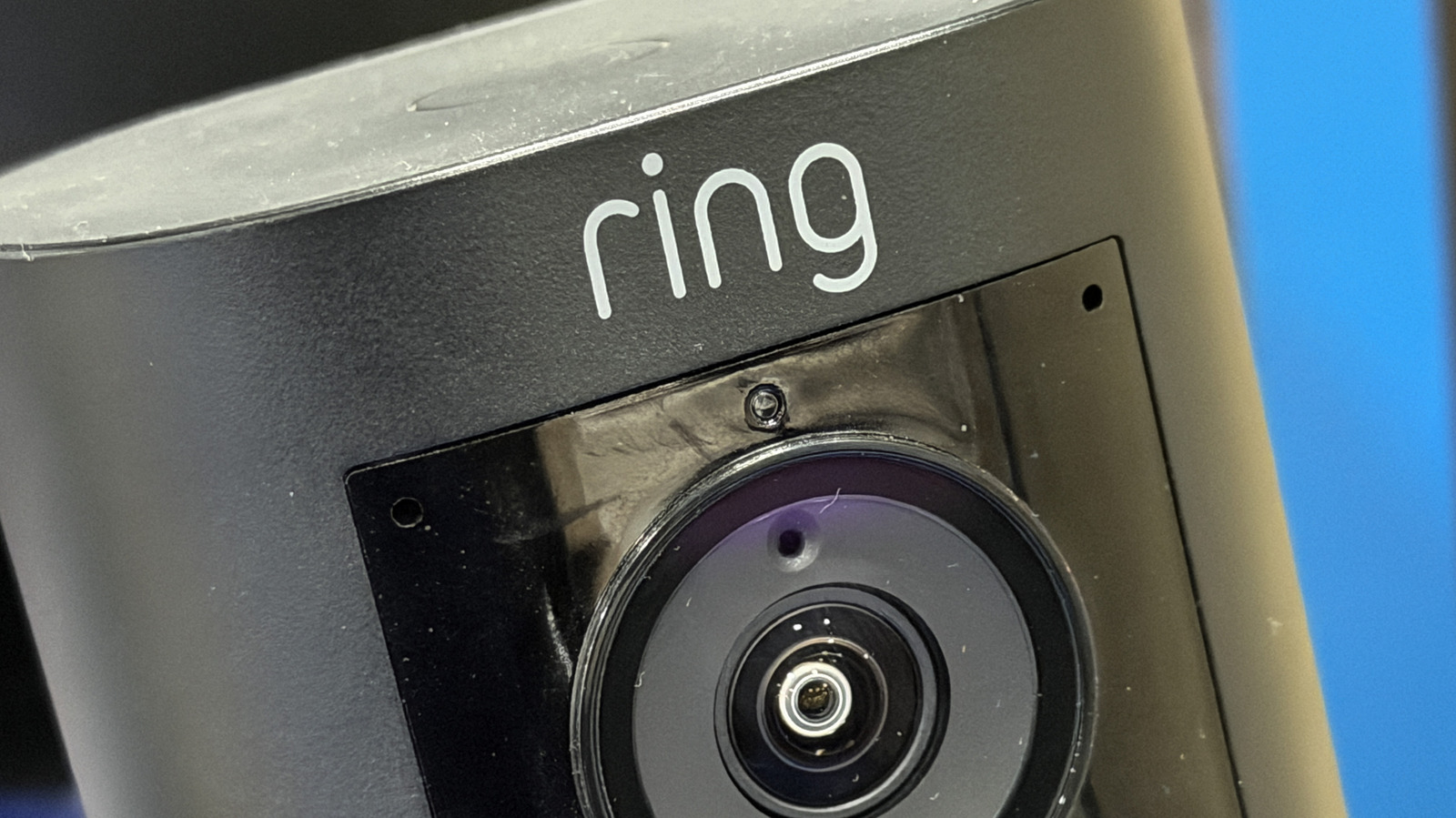
Patrolling your porch or pets doesn’t require a monthly fee.
Joe Raedle/Getty Images
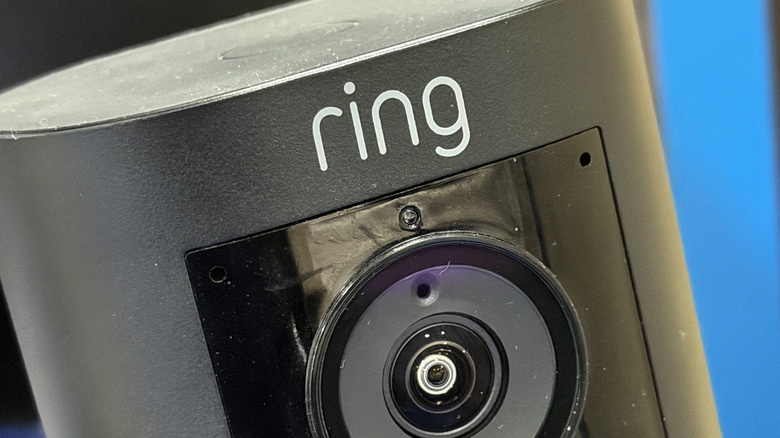
Beyond serving as a fully functional doorbells, the Ring Camera lineup still offers plenty of solid use cases. Unfortunately, like most smart gadgets, whether fitness trackers or bird feeders, you'll need a monthly subscription to unlock all of its features.
With three tiers to choose from, starting at $4.99/month, keeping your home fully secure comes at an added cost that might put you off. On the bright side, you can get by without a subscription, unless you need to access saved footage for future reference. Ring cameras can still operate as a live intercom that'll come in handy whether you're home or on the go.
The company has garnered some bad press over the last year, but its security cameras still provide protection and some peace of mind for owners, with or without the monthly fee.
It's best for parents, pets and packages
Ring
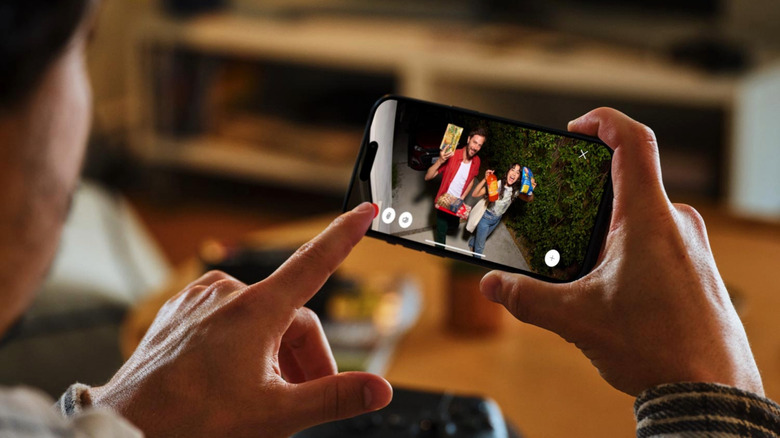
The Two-Way Talk and Live Feed features help in many scenarios. Even when you're home and just waiting on someone, you can see exactly who's at the door and talk to them through the app before getting up to answer it.
Personally, whether dealing with weak water pressure or other household issues, there've been plenty of times when a maintenance technician waited outside my door and rang the bell, letting me speak with them through the Ring app so I could give an ETA for when I'd be back home. If you're a parent who wants to keep an eye on your young ones from another room, the free tier is a great choice.
Similarly, indoor Ring cameras do the trick for pet owners without a subscription. Using your phone, you can keep an eye on them when you're out for the day or ask "who's a good dog?" with Two-Way Talk. The association between pets and Ring cameras is a touchy subject, however.
If you travel often and want to make sure there's no funny business in or outside the house, or an eye on incoming packages, the free plan is a great choice. On the contrary, with porch pirates on the rise, subscribing to one of Ring's plans makes sense if you've had items stolen and want access to the footage.
What are some problems with Ring?
PJ McDonnell/Shutterstock
While they have benefits, Ring cameras also come with a fair share of privacy concerns, which both owners and disavowers have raised for years.
For starters, the Familiar Faces feature that debuted last year, which uses AI to recognize which friend, neighbor or relative is at your door, led to a recent lawsuit that suggested Ring and Amazon were collecting facial recognition information unbeknownst to plenty of people who walked by a Ring camera.
This suit follows widespread backlash of this year's Super Bowl commercial, which framed the AI-assisted Search Party feature as a way to find lost dogs. Of course, no one is complaining about seeking out missing pets, but people are worried about the mass surveillance.
The lawsuit and commercials came months after Ring partnered with Flock Safety in 2025, originally permitting law enforcement to request footage from Ring owners. Following widespread reactions to the pet-focused commercial, that deal was dismantled days after the Super Bowl.
In an effort to ward off negative reactions, the Amazon-owned company's recent TAKE software update (Throw Away the Key Encryption) asserts that "Ring videos are protected with unique, rotating encryption keys," putting people in full control of who can access footage. Ring likens it to a pair of house keys, as only the owner can decide who gets a spare.