NBC/Peacock
Whether a TV show makes it to air or not largely comes down to the pilot episode. Making a pilot is a daunting task, to be sure. You write the episode, cast all the major players, build the sets, film, edit, finalize, and then hope what you've created is good enough to get the green light. But why does the industry even call them "pilot episodes?" Where did the term come from and how did it enter the television lexicon? Well, for that, we need a brief history lesson.
If we trace the word "pilot" back in time, we find its earliest roots in ancient Greece as "pedotes," which referred to someone who helmed or steered a ship. From there, it entered French vocabulary as "pillote" and Italian as "piloto" in the 16th century. By then, the word referred to a helmsman in control of a ship. In the 19th century, the definition was expanded to include someone controlling a hot air balloon, and then in the 20th century, it evolved again to refer to someone in charge of flying a plane.
It wasn't until 1928 when scientists and researchers first used the word to refer to a prototype or test version of something. After television came along, the industry eventually adopted the term "pilot" to refer to the first test episode that would be shopped around to networks.
Pilot episodes can make or break a series
ABC
While the pilot is the first episode to get produced, it's not always the first episode audiences actually get to see. In fact, sometimes we never get to see it at all. That usually has to do with changes the network requests. Sometimes, those changes are so huge, the pilot ends up getting completely reshot like in the case of "Game of Thrones," which had to scrap almost the entire plot and swap out a few cast members, including replacing original Daenerys actress Tamzin Merchant with Emilia Clarke.
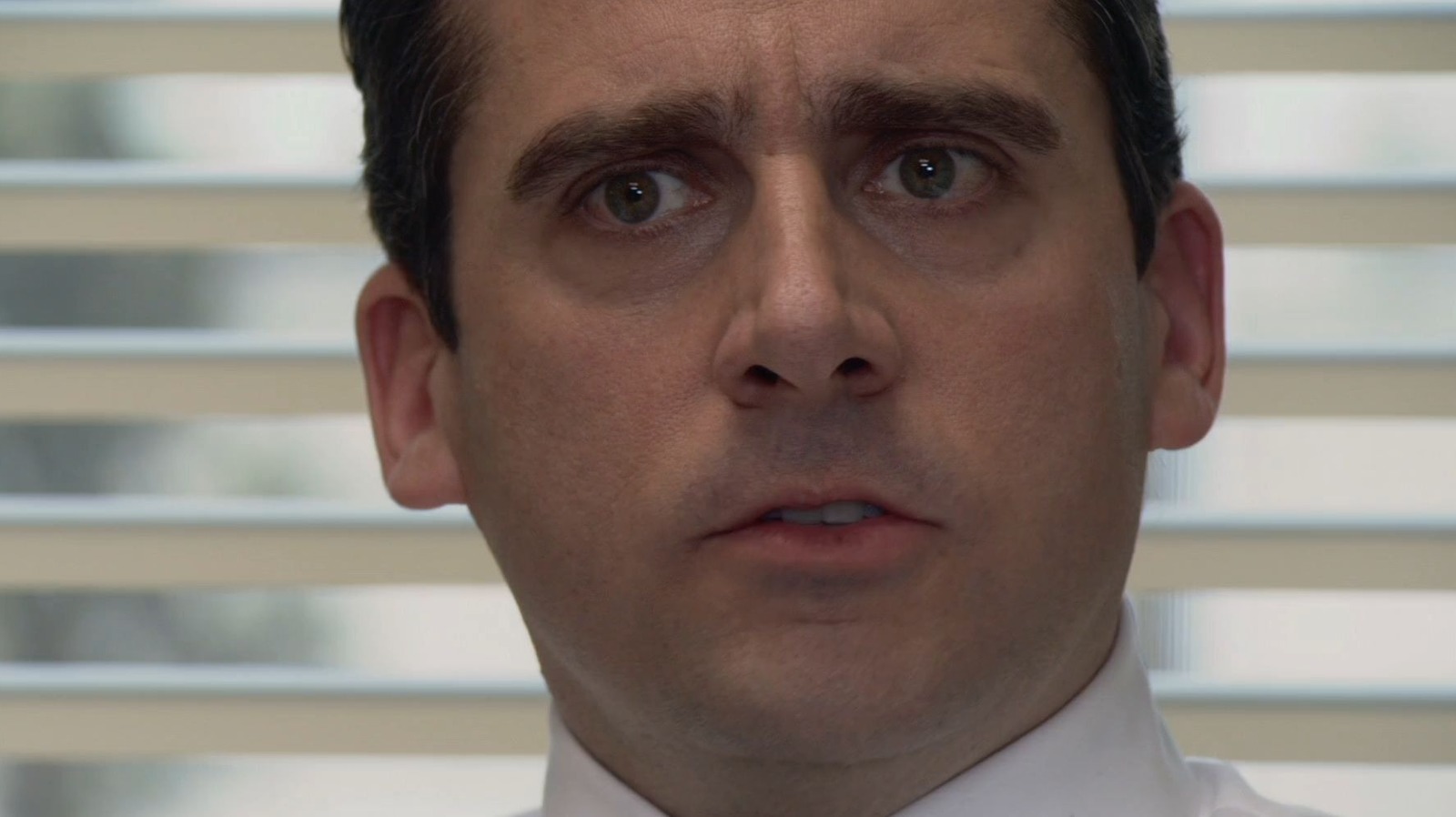
In some cases, pilot episodes feel like rough drafts of what a show wants to be. Take "The Office," for example. The main characters are all present, but they're not fully formed yet. Michael is goofy, yet nowhere near as outlandish (or as funny) as he becomes. The rest of the cast is also far more reserved in the pilot compared to future episodes.
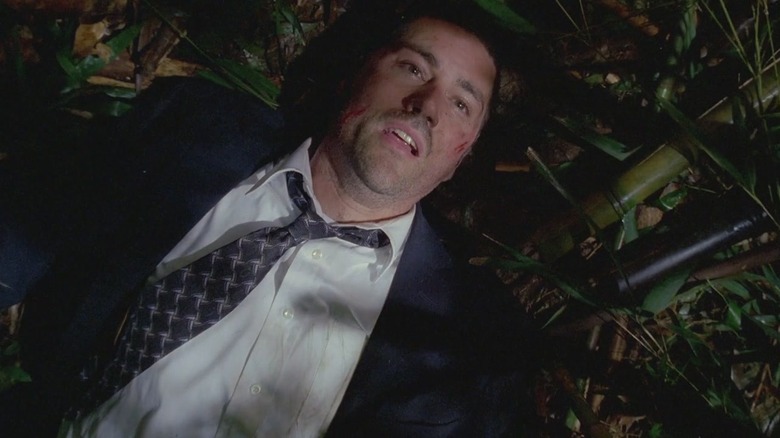
Of course, some creators nail their pilots perfectly. The best pilot episodes of all time capture audiences right away, like "The Walking Dead," where you and Rick both experience the zombie apocalypse together. It's not unusual for pilots to end on a major plot twist to hook both the audience and potential networks, either. "Lost" famously had several, including a creepy smoke monster and a polar bear both appearing on the deserted island. Regardless of how they're made, pilot episodes remain an effective way to tell whether or not you have a hit on your hands.
![Marvel Boss Officially Addresses the MCU’s Watch Everything Problem [Exclusive]](https://static0.colliderimages.com/wordpress/wp-content/uploads/2026/07/marvel-logo.jpg?w=1600&h=900&fit=crop)