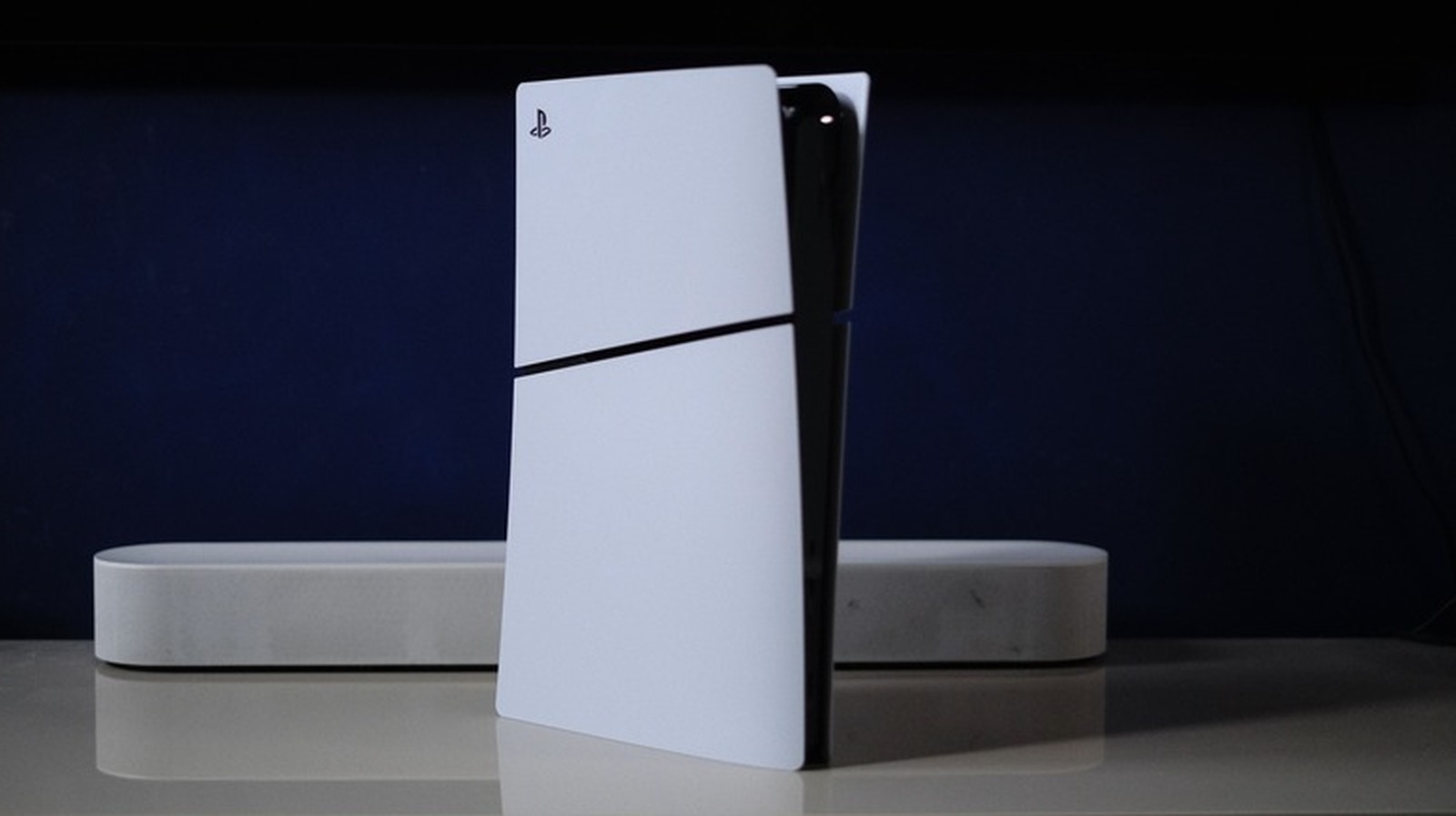
Rest mode is more convenient, but shutting the console off could give you more piece of mind.
Mat Smith for Engadget
When you're done playing games — or streaming shows or movies — on your Playstation 5 for the evening and it's time to catch some well-earned shuteye, you'll probably turn the console off. You don't have to shut it down entirely, though. The system's rest mode is a handy middle ground. (Or maybe you're a real wildcat and like to keep your console on all the time. More power to you... and your PS5, I suppose.)
Which option you go for will likely depend on how often you use your PS5. If you're gaming or watching TV shows on the system every day, rest mode may be the way to go. For those who take longer breaks between their Control Resonant progress or playing Call of Duty: Modern Warfare 4 deathmatches with their besties, shutting the console down is perhaps the better option. There are several factors worth bearing in mind when you decide whether to put your PS5 in rest mode or switch it off.
The PS5's rest mode is more convenient
There are lots of advantages to keeping your PS5 in rest mode rather than shutting it down when you're not actively using it. For one thing, you can suspend whatever game you were playing. So if you're between missions in the Ghost of Yōtei DLC when you decide to call it a night, you can put your console in rest mode and pick up right where you left off the next day.
You can also charge your DualSense controller while the PS5 is in rest mode. There's the option to stop the controller from drawing power from the console after three hours, which should be plenty of time to fully charge the gamepad. To adjust the length of time that the PS5 delivers power to its USB ports while in rest mode, go to Settings > System > Power Saving > Features Available in Rest Mode.
There are other useful features you can enable or switch off from this menu, such as the ability to switch on the system remotely. This allows you to install games on your PS5 when, for instance, you're at the office or for remote play (this is where having a PlayStation Portal can come in handy!). What's more, the console can download and install game and system updates in rest mode. If you're a PlayStation Plus subscriber, your PS5 can upload save data to the cloud while it's in rest mode too.
Another key reason why it's best to put your PS5 into rest mode rather than leaving it on is to reduce power consumption. While playing games in ultra high-definition, a PS5 can draw around 217W of power. Even on menu screens, it can draw around 43-47W. In rest mode, though, the PS5 will draw as little as 0.3W, and only as much as 4.65W or so if it's delivering power to the USB ports.
When shutting down your PS5 might be the wiser choice
Still, switching your PlayStation 5 off completely could be the better move in certain situations. The main reason is that it can help protect your system.
If your PS5 is in rest mode when a power outage hits, there's a small chance that it could be harmed. An outage could corrupt data (particularly if your console is installing updates or caching files when the power goes out) or damage your PS5. So, if you live in an area where power outages are commonplace, shutting the system down when you're not using it may be the smarter way to go. If you shut down your PS5 but keep it plugged in, it'll still draw a little power — the console has to be able to recognize when you switch it on, after all.
Even if you play games on the system every day, there are other good reasons to shut it down entirely on occasion. A full shut down clears the system cache, which can resolve certain problems — aka the ol' "turn it off and on again" method of fixing device issues.
If you're going to be away from home for a while or you're taking a break from gaming, shutting your PS5 down can help protect its components over time and perhaps give the system a longer shelf life. That's something we should all be considering given the rising costs of consoles and other devices.