
.jpg) 1 hour ago
3
1 hour ago
3
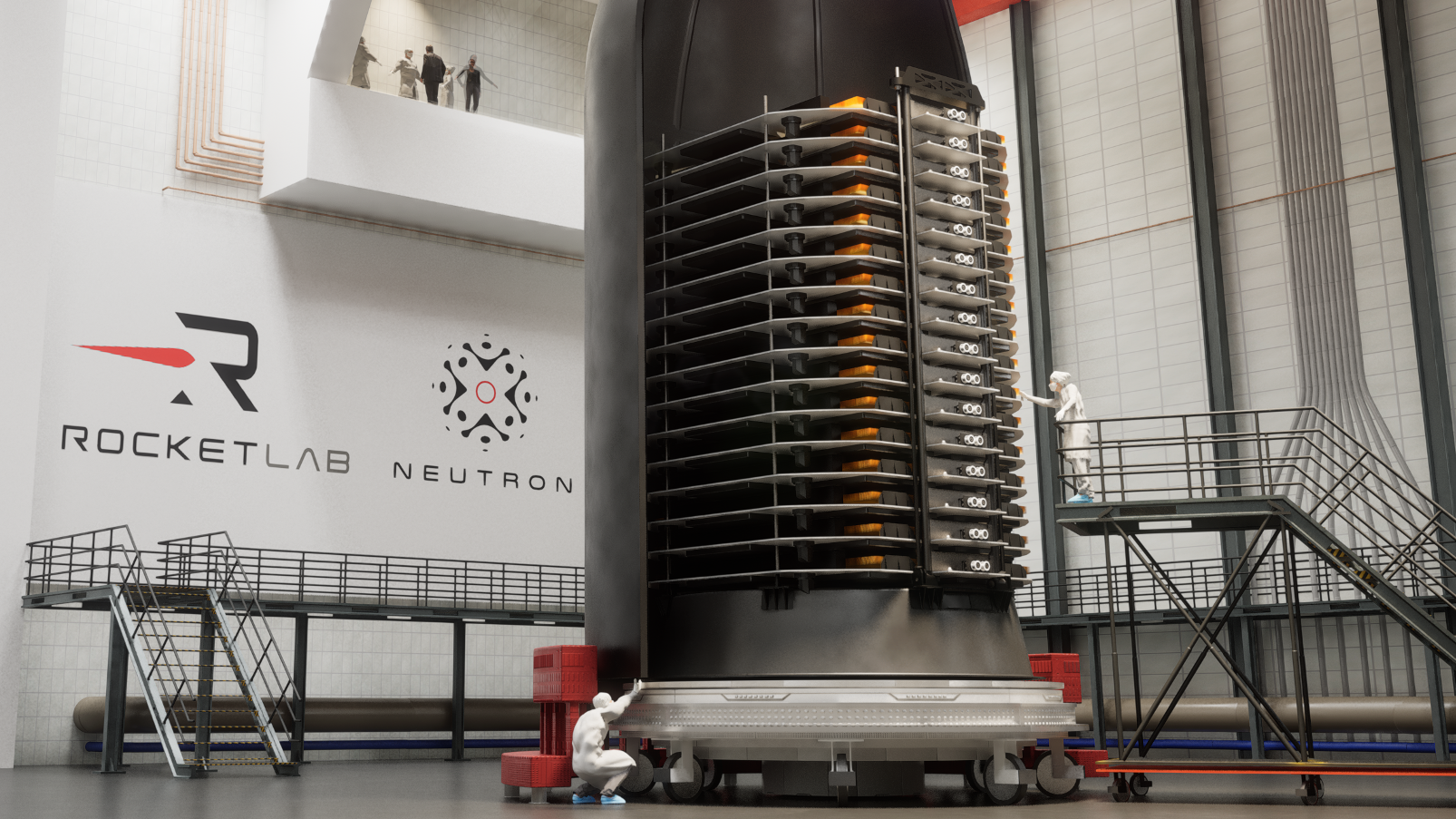
Amid the major uptick in national defense space contracts since the Trump Administration announced plans to assemble a "Golden Dome" missile-defense system in orbit, Rocket Lab has landed another deal to contribute to the cause.
The California-based company was awarded a $397 million Space Force contract to design, manufacture and launch a fleet of "Flatellites" to augment existing infrastructure's ability to track airborne threats in real time. The project is funded under the Space Force's Space-Based Airborne Moving Target Indicator (SB-AMTI) program, and is one of several national security contracts that Rocket Lab has scored over the last two years.
"We are proud to contribute to the deployment of a resilient space-based sensing layer that will enhance the Joint Force’s ability to operate in contested airspace," said Rocket Lab CEO Peter Beck in an Aug. 4 statement.
The Flatellites deal is the company's single largest national defense contract so far this year. Since the beginning of 2026, Rocket Lab has now announced four major U.S. government-funded defense contracts worth a combined $943 million: $190 million from the Department of Defense for 20 HASTE (Hypersonic Accelerator Suborbital Test Electron) test launches, a $90 million Space Force contract for two satellites in geostationary orbit and another Space Force deal for $266 million to launch up to 18 missile-defense missions from Alaska.
Rocket Lab also recently unveiled GHOST design, a new deployable shipping container-based system capable of supporting Electron and HASTE launches for responsive national-security missions from mobile or temporary locations. And, during a recent earnings call, Beck voiced the company's intent to carry out the aforementioned Alaskan launches using GHOST (short for "Global Hypersonic & Orbital Spaceport Technology"), saying, "We've mastered the art of building launch sites. Now we're making them deployable worldwide."
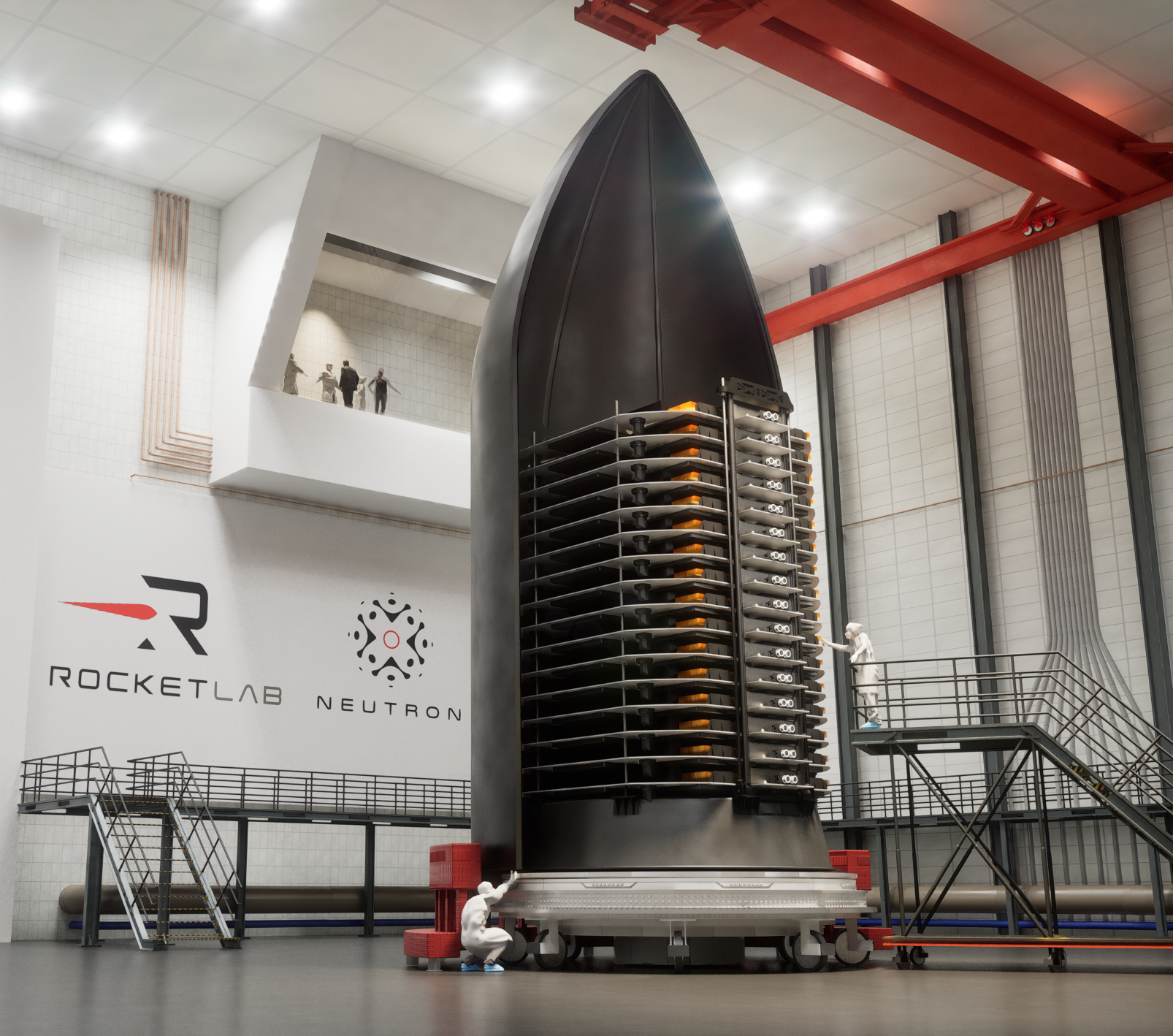
The flat design of Rocket Lab's Flatellites will increase the number of spacecraft that can be delivered per launch and has been optimized for orbital constellations, according to Rocket Lab's statement. The satellites will be equipped with low latency, high bandwidth communication systems and sensors for tracking adversarial air-based threats.
They will launch in stacks aboard Rocket Lab's upcoming Neutron rocket, similar to the payload bay configuration used for Starlink satellites on SpaceX Falcon 9 rockets. Neutron is Rocket Lab's next-generation launch vehicle designed to compete with Falcon 9 lift capabilities and partial reusability, and is currently expected to debut sometime near the end of this year or in early 2027.
 English (US)