
.jpg) 1 hour ago
3
1 hour ago
3
Article content
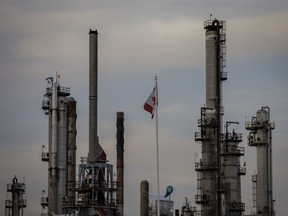
Canadian oil producers, burned by their hedging strategies as prices soared to multiyear highs, are following in the footsteps of United States shale firms and steering clear of the practice.

THIS CONTENT IS RESERVED FOR SUBSCRIBERS ONLY
Subscribe now to read the latest news in your city and across Canada.
- Exclusive articles from Barbara Shecter, Joe O'Connor, Gabriel Friedman, and others.
- Daily content from Financial Times, the world's leading global business publication.
- Unlimited online access to read articles from Financial Post, National Post and 15 news sites across Canada with one account.
- National Post ePaper, an electronic replica of the print edition to view on any device, share and comment on.
- Daily puzzles, including the New York Times Crossword.
SUBSCRIBE TO UNLOCK MORE ARTICLES
Subscribe now to read the latest news in your city and across Canada.
- Exclusive articles from Barbara Shecter, Joe O'Connor, Gabriel Friedman and others.
- Daily content from Financial Times, the world's leading global business publication.
- Unlimited online access to read articles from Financial Post, National Post and 15 news sites across Canada with one account.
- National Post ePaper, an electronic replica of the print edition to view on any device, share and comment on.
- Daily puzzles, including the New York Times Crossword.
REGISTER / SIGN IN TO UNLOCK MORE ARTICLES
Create an account or sign in to continue with your reading experience.
- Access articles from across Canada with one account.
- Share your thoughts and join the conversation in the comments.
- Enjoy additional articles per month.
- Get email updates from your favourite authors.
THIS ARTICLE IS FREE TO READ REGISTER TO UNLOCK.
Create an account or sign in to continue with your reading experience.
- Access articles from across Canada with one account
- Share your thoughts and join the conversation in the comments
- Enjoy additional articles per month
- Get email updates from your favourite authors
Sign In or Create an Account
or
Article content
Second-quarter investor calls show many firms operating in the oil-rich heartland of Alberta are taking advantage of the moment to reduce or abandon hedges for the second half of the year. The potential earnings in doing so could free up more cash for investment or shareholder returns.
Article content
Article content
Article content
Baytex Energy Corp.’s hedges on West Texas Intermediate, the U.S. oil benchmark, ended last quarter, and the company doesn’t anticipate putting new ones in place. Tamarack Valley Energy Ltd. plans to reduce the share of production it hedges from about 50 per cent to closer to 20 per cent. And International Petroleum Corp., which holds assets in Alberta and Saskatchewan, is fully exposed to WTI and Brent prices since the start of July.
Article content
By signing up you consent to receive the above newsletter from Postmedia Network Inc.
Article content
In moving away from the pricing strategy, Canadian firms are taking a page from their southern neighbours. U.S. producers have been retreating from the practice for years, as stronger balance sheets allow for less emphasis on limiting risk. The initial price surge at the onset of the U.S.-Iran war triggered a record influx of hedging, but activity has since fizzled.
Article content
The companies’ decisions have also renewed a debate about the role of hedging in such an uncertain price environment. The practice is common among small- and mid-sized Canadian producers to protect their revenues from price declines, but can be costly in the event of an upswing. Multiple companies reported realized losses as the Iran war pushed oil prices well above the prices at which their hedges would have paid out.
Article content
Article content
It’s a stark turnaround from the beginning of the year. At the time, there were warnings about the market being oversupplied, potentially driving down prices. That was coupled with the possible return of Venezuelan barrels, which threatened to erode Canadian market share.
Article content
Article content
Firms rushed to lock in prices around US$60 a barrel by buying put options. Such contracts give the holder the choice to cash in if prices fall and help offset any losses from selling their crude at lower levels.
Article content
Then the Iran war sent oil surging, leaving producers stuck in hedges that lost value and limited their ability to benefit from higher prices. Conversely, companies that have now chosen to shed their hedging positions will be exposed to a price decline if the war’s market disruptions abate.
Article content
“Financial oil hedging has become less popular after a painful period of realized losses and improving balance sheets,” said Ayisha Zia, a senior research analyst at Wood Mackenzie. “The Canadian sector is not abandoning risk management, but it is becoming more selective.”
Article content
WTI futures have often topped US$90 a barrel since February, nearly twice the level most Canadian firms need to break even on production costs. Forecasters have revived triple-digit price predictions as war-driven disruptions to flows through the Strait of Hormuz show little sign of easing anytime soon.
 English (US)