
.jpg) 2 hours ago
3
2 hours ago
3
A backyard pool is one of summer’s great pleasures. It is also one of a household’s most quietly resource-intensive habits. The cover sitting on top of it is not just an afterthought.
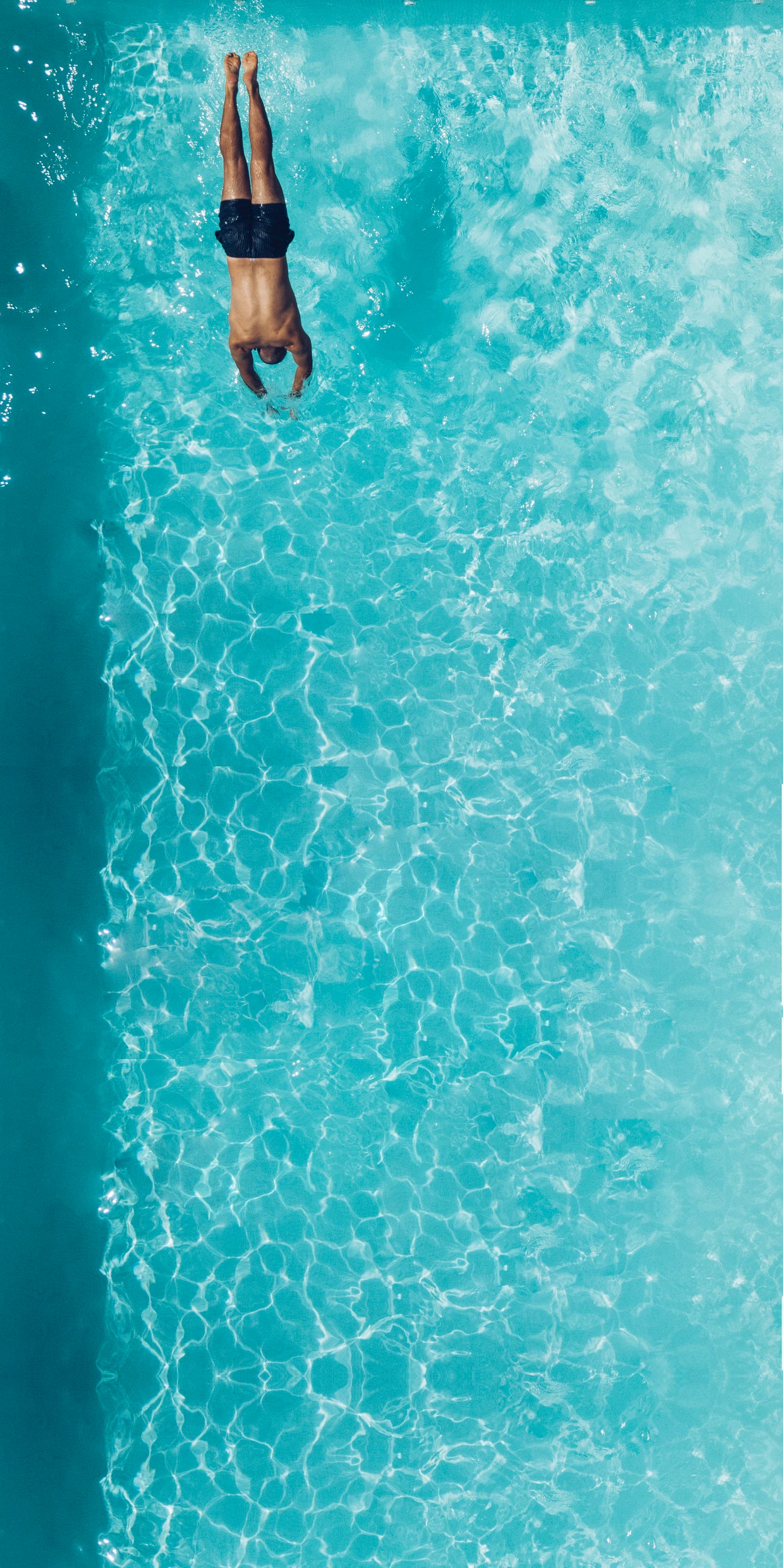
Photo by Emilio Garcia on Unsplash
Every summer, millions of residential pools sit in backyards across North America evaporating water, bleeding heat, and accumulating chemicals at a rate most owners never stop to calculate. A standard uncovered pool can lose between a quarter and half an inch of water every single day to evaporation alone. Multiply that across a season. Multiply it across a neighborhood. The numbers become uncomfortable fast.
Pool covers are often framed as a convenience product, something to keep leaves out and reduce cleaning time. That framing undersells what they do. A well-fitted pool cover is one of the more effective tools a household can use to reduce its water, energy, and chemical consumption in one move. The problem is that most conversations about them stop at price and appearance, skipping the part where material choices, durability, and fit genuinely matter.
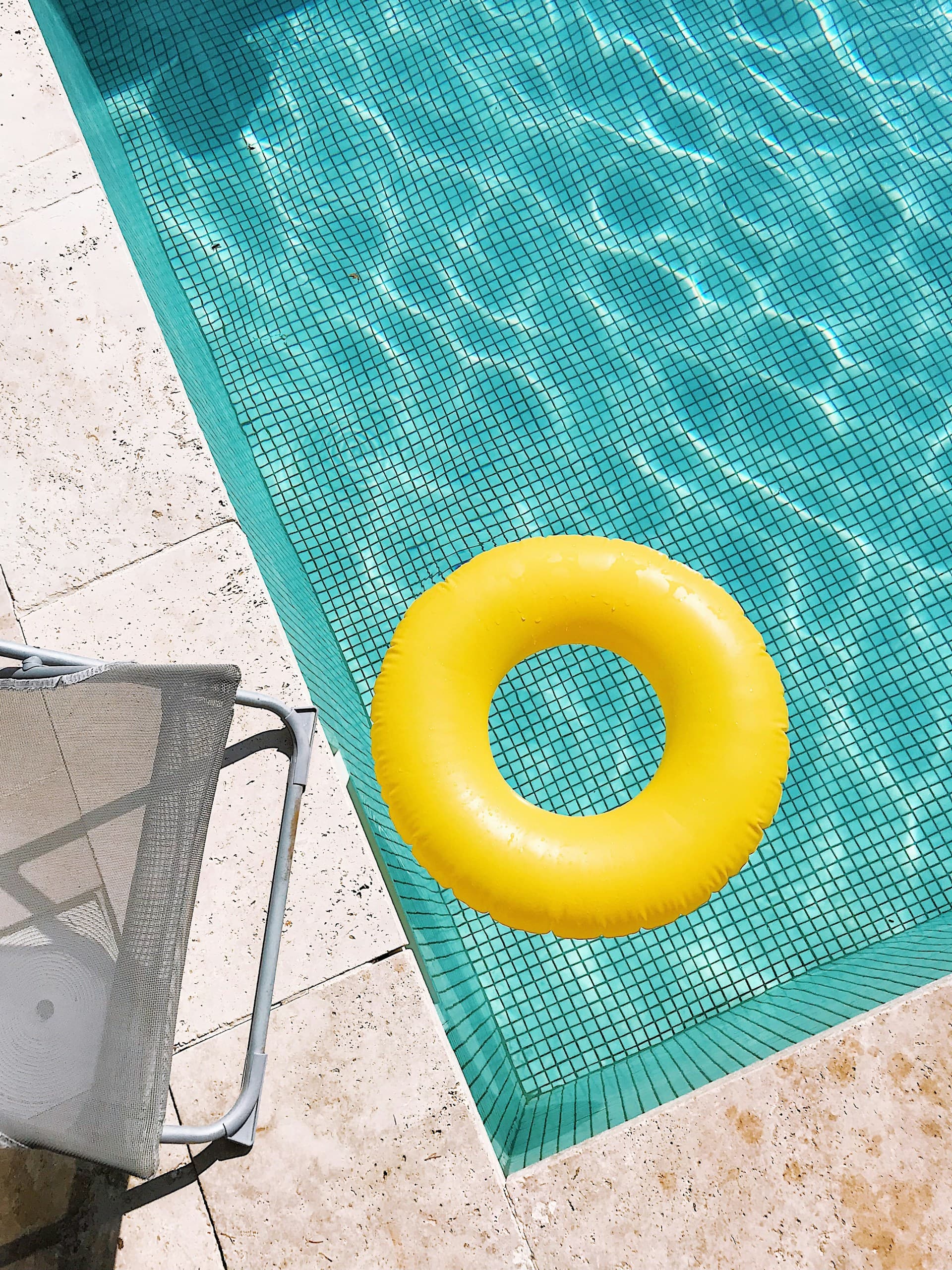
What Evaporation Actually Costs
Water loss is the most visible issue, but it is only part of the picture.
Every quart of water that evaporates from a pool surface takes heat with it. That heat has to be replaced somehow, either by the sun, or more expensively, by a gas or electric heater running longer than it otherwise would. In cooler climates, the cost of maintaining a comfortable pool temperature without a cover can be substantial, both financially and in terms of energy use.
There is also the chemistry problem. When water evaporates, the chemicals dissolved in it do not go with it. Chlorine, however, does. UV exposure breaks down free chlorine constantly, and evaporation removes water while leaving behind other dissolved solids, which means the balance shifts and the pool needs more frequent chemical adjustment. More chemicals purchased, more containers disposed of, more treatment.
A quality pool cover interrupts most of this cycle. It reduces evaporation by up to 95 percent, depending on the type. It retains heat overnight. It slows UV degradation of chlorine, which means owners use less of it. None of those outcomes require anything other than the decision to cover the pool when it is not in use.
The Material Question
Not all covers are built the same, and the material conversation is worth having.
Solar covers, the bubble-wrap-style covers many people start with, are inexpensive and do a reasonable job of retaining heat and reducing evaporation. The issue is longevity. They tend to degrade under UV exposure within a few seasons, becoming brittle, tearing at the edges, and eventually landing in the bin. Buying three cheap covers over a decade is a worse outcome than buying one durable one.
Solid safety covers and mesh safety covers sit at the more durable end. Made to last a decade or more with proper care, they offer better long-term value and less frequent replacement, which matters from a waste perspective even if it is rarely framed that way. Options, like those from The Cover Guy, can be cut to the actual dimensions of the pool, which reduces both material waste in manufacturing and the coverage gaps that make a loose cover less effective.
The broader point is that durability and fit are sustainability metrics. A cover that lasts is a cover that does not need to be manufactured again. A cover that fits properly is a cover that works.
Heating and Energy Use
The sustainability case for pool covers sharpens considerably when heating is involved.
A heated pool without a cover is essentially a heated pool with its lid off, losing thermal energy to the air constantly. Studies on residential pool energy use consistently show that covering a heated pool when not in use can reduce heating energy consumption by more than 50 percent in some conditions. For households in colder climates who extend their swimming seasons with heating, this is not a marginal saving.
Electric heat pumps, which are increasingly common as a more efficient alternative to gas heaters, still require electricity. The less they have to compensate for overnight heat loss, the less they run. The less they run, the lower the household’s energy draw. A pool cover does not replace good equipment decisions, but it makes whatever equipment is in place work less hard.
The Longevity Calculation
One of the more persistent blind spots in sustainable purchasing decisions is the failure to account for the full lifespan of a product.
A cheap cover that lasts two seasons before cracking, fading, or tearing is not a saving. It is a deferred cost with added waste. A well-constructed cover that is properly maintained, stored off-season with some care, and protected from the sharp edges of pool equipment can realistically last eight to twelve years. That changes the calculus considerably.
Proper storage matters more than most people expect. Covers left crumpled in a corner of a shed, exposed to temperature swings and rodents, age far faster than those cleaned, dried, and stored on a reel or in a bag designed for the purpose. Most cover manufacturers offer maintenance guidance. Following it is one of the lower-effort ways to extend the lifespan of a product that most households treat as replaceable on a short cycle.
A Simple Thing That Works
There is a temptation, in any conversation about household sustainability, to reach for the dramatic: the solar panel array, the EV in the driveway, the full kitchen renovation with reclaimed everything. Those choices matter. They are also expensive, slow, and available to a narrow slice of households.
A pool cover is not a dramatic choice. It is a quiet one. It does not require a contractor, a permit, or a significant budget. It requires measuring a pool, choosing a material appropriate for the climate and use pattern, and making the habit of covering the pool after each swim.
The result, lower water consumption, lower heating costs, fewer chemicals, less frequent replacement when the product is chosen well, does not generate headlines. It just works. In the same way that turning down a thermostat or fixing a dripping tap works: not glamorous, but genuinely useful.
For a category of product that most people buy without much thought, pool covers reward a small amount of research. The material, the fit, the expected lifespan, and the manufacturer’s approach to durability are all worth considering. The pool is already there. Covering it properly is one of the simpler upgrades a household can make, and one that pays back in ways that are easy to measure.
For more luxury property and real estate reads, click here.
 English (US)