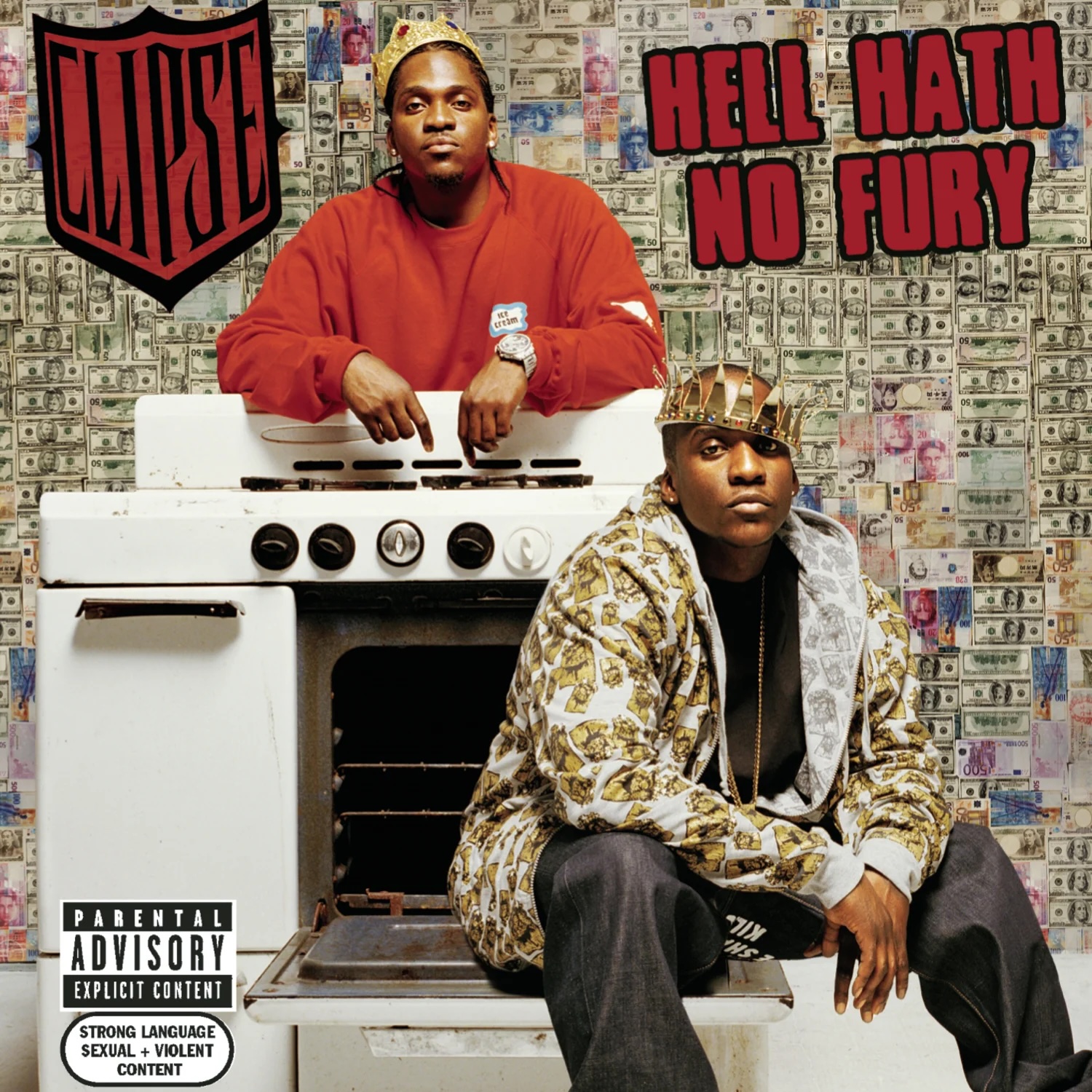

The Chicks, Willie Colón and Sam Moore are joining the legal fight against AI music.
The trio of acts and their estates were among a slew of artists added Tuesday (Nov. 24) to a case filed this summer against Suno, accusing the AI song generator of breaking the law by allowing users to “conjure up a beloved musician’s identity” when they enter a name as a prompt.
The case, filed by Jason Isbell, was a novel action centered on artists’ likeness rights, unlike earlier lawsuits over AI labs using copyrighted music to train models. Now, that case is backed by the star power of a huge country trio, a Latin music titan and an R&B legend.
“Suno built and trained a model to index musicians by name,” lawyers for the artists write. “It encoded musicians’ identities into its AI model to create its commercial product without consent, and now exploits those identities by publicly using musicians’ names to Suno’s considerable commercial benefit.”
In addition to the members of the Chicks (Natalie Maines, Martie Maguire and Emily Strayer) and the estates of the late Colón and Moore, the lawsuit was also joined by 10 more artists, including David Longstreth of the indie rock band Dirty Projectors; Carl Craig, a pioneering DJ of Detroit techno; Franz Nicolay of rock band The Hold Steady; and Kealiʻi Reichel, a top Hawaiian music artist.
Artists as big as Madonna and SZA have spoken out against AI music, and dozens of stars like Billie Eilish, Katy Perry, Luis Fonsi and the estates of Bob Marley and Frank Sinatra joined an open letter in 2024 calling unlicensed music AI an “assault on human creativity” that “must be stopped.”
But few have taken actual legal action. An indie country singer named Tony Justice is litigating a class action against Suno, and Isbell’s case was joined by Camper Van Beethoven frontman David Lowery and a handful of others. The biggest case yet came from the owners of Elvis Presley’s intellectual property, who launched landmark cases against Suno and Anthropic this fall.
The Chicks, who have a long history of outspoken advocacy, represent by far the biggest living musical act to yet sue over AI. More artists could be added to the case in the future, and since the case was filed as a proposed class action, it ultimately seeks to represent “millions” of other artists in making the same claims against Suno.
In a statement to Billboard on Wednesday (Nov. 25), a spokeswoman for Suno said the company believes “these claims are without merit” and would defend itself in court: “Suno exists to help people create new, original music, not to trade on anyone’s name, and we prohibit any unauthorized use of an artist’s work.” An attorney for the artists did not immediately return a request for comment.
Suno has argued that its current models don’t allow users to prompt its AI model with specific artist names. When users do enter artist names, the platform says it translates that request into “descriptive musical characteristics,” which can then be used to direct the model to generate a song.
Isbell’s lawsuit, filed on Aug. 31, claims those safeguards can be easily duped by merely using spaces, such as Taylor Swift with “t a y l o r s w i f t” or Bad Bunny with “b a d b u n n y.” And even when a name is translated into musical styles, the case claims the model clearly still exploits an artist’s identity: “The platform is built to identify musicians by name and generate identity-evocative output on command. This is its product.”
Suno has already asked a judge to dismiss those accusations, arguing they are legally faulty. In a motion earlier this month, the company’s lawyers argued there’s “nothing unlawful” about merely using an artist’s name to describe music, any more than it’s illegal for a human artist to say “let’s go for something here with more of a Jason Isbell vibe.”
“When people describe styles of music, they often use artists’ names as shorthand for the genre they perform in,” they wrote at the time. “This case turns on the premise that the law somehow condemns that universal practice. In reality it does not; the First Amendment would not allow it to.”