
.jpg) 1 hour ago
2
1 hour ago
2
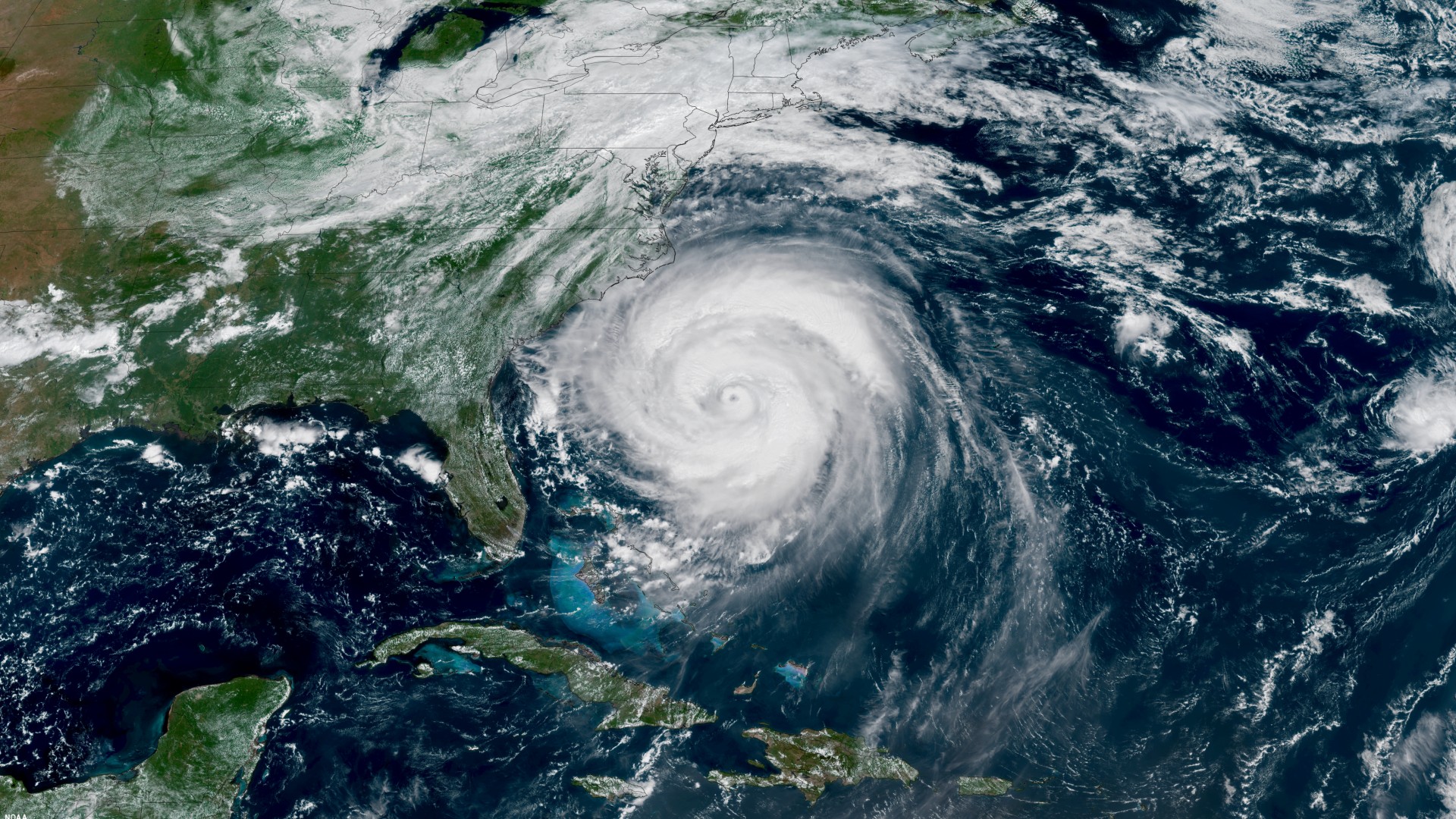
There might have only been thirteen named storms for the 2025 Atlantic hurricane season, but it only takes one storm to devastate communities in its path.
Mother Nature conjured up five hurricanes last year, with four reaching major hurricane status on the Saffir-Simpson Hurricane Wind Scale. One of them, Hurricane Melissa, made landfall over Jamaica in October 2025 as one of the strongest hurricanes ever. It led to 95 deaths and over $12 billion in damages in Jamaica alone. In total, the 2025 hurricane season led to 125 total fatalities and $12.7 billion worth of damage.
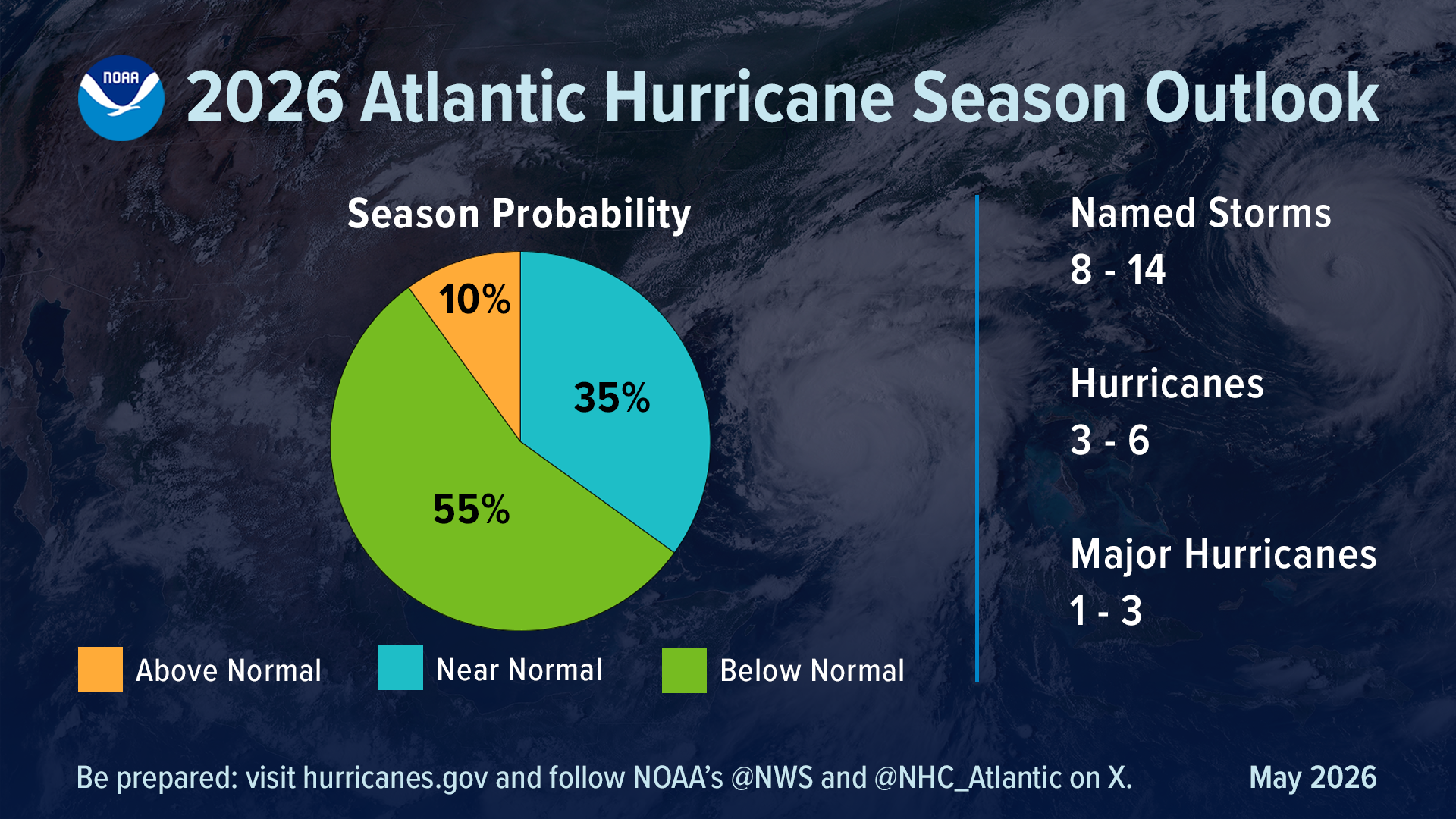
Thankfully, forecasters at National Oceanic and Atmospheric Administration (NOAA)'s National Weather Service (NWS) predict a below-normal number of named storms in the upcoming Atlantic hurricane season. The Atlantic basin hurricane season kicks off on June 1 and runs all the way through Nov. 30, and within that time frame, NOAA's outlook includes a forecast that would include a 55% chance of the season coming in below-normal.
With a confidence range that sits at 70% by the agency, the prediction would be for 8-14 storms that become named, with 3-6 of those reaching hurricane status (where winds reach 74 miles per hour, or 119 kilometers per hour) and anywhere from 1-3 strengthening into a major hurricane (a minimum Category 3).
To put that into perspective, an average season would typically have 14 named storms including seven hurricanes, with three of those being major. So, there is still the potential for an average hurricane season if it's on the higher end. And, no matter how many storms develop, NOAA says it's ready for whatever comes our way.
"NOAA's rapid integration of advanced technology, including AI-based weather models, drones, and next-generation satellite data will deliver actionable science to safeguard the lives and livelihoods of the American people," NOAA Administrator Neil Jacobs, Ph.D. said in a release. "These new capabilities, combined with the unmatched expertise of our National Weather Service forecasters, will produce the most accurate forecasts possible to protect communities in harm's way."
There are many factors that scientists look into that help guide predictions ahead of hurricane season. One of the major factors is the climate pattern found in the tropical Pacific Ocean — whether it's an El Niño or a La Niña. This year, scientists are expecting El Niño conditions to develop and strengthen throughout the season, which in the past has typically led to a decreased number of tropical storms and hurricanes. However, that doesn't predict anything with certainty, as there still remain many unknowns in terms of what could develop.
"Although El Niño's impact in the Atlantic Basin can often suppress hurricane development, there is still uncertainty in how each season will unfold," NOAA's National Weather Service Director, Ken Graham, said in a NOAA statement. "That is why it's essential to review your hurricane preparedness plan now. It only takes one storm to make for a very bad season. Visit Weather.gov/safety and Ready.gov for important preparedness information."
One of the key things to remember about this forecast is that it's driven by studying big-picture climate patterns as opposed to more variable short-term activity and weather patterns. The forecast focuses more on the overall activity we can expect throughout the season, not a forecast that determines when and where any storms that develop could make landfall.
 English (US)