
.jpg) 1 hour ago
2
1 hour ago
2
Article content
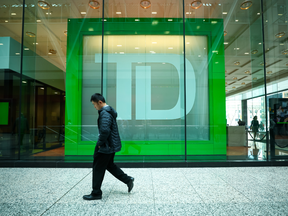
The Canadian economy has the potential to enter an investment “supercycle,” despite its currently stormy relationship with the United States, but it needs reforms to taxes and regulation, Toronto-Dominion Bank said.

THIS CONTENT IS RESERVED FOR SUBSCRIBERS ONLY
Subscribe now to read the latest news in your city and across Canada.
- Exclusive articles from Barbara Shecter, Joe O'Connor, Gabriel Friedman, and others.
- Daily content from Financial Times, the world's leading global business publication.
- Unlimited online access to read articles from Financial Post, National Post and 15 news sites across Canada with one account.
- National Post ePaper, an electronic replica of the print edition to view on any device, share and comment on.
- Daily puzzles, including the New York Times Crossword.
SUBSCRIBE TO UNLOCK MORE ARTICLES
Subscribe now to read the latest news in your city and across Canada.
- Exclusive articles from Barbara Shecter, Joe O'Connor, Gabriel Friedman and others.
- Daily content from Financial Times, the world's leading global business publication.
- Unlimited online access to read articles from Financial Post, National Post and 15 news sites across Canada with one account.
- National Post ePaper, an electronic replica of the print edition to view on any device, share and comment on.
- Daily puzzles, including the New York Times Crossword.
REGISTER / SIGN IN TO UNLOCK MORE ARTICLES
Create an account or sign in to continue with your reading experience.
- Access articles from across Canada with one account.
- Share your thoughts and join the conversation in the comments.
- Enjoy additional articles per month.
- Get email updates from your favourite authors.
THIS ARTICLE IS FREE TO READ REGISTER TO UNLOCK.
Create an account or sign in to continue with your reading experience.
- Access articles from across Canada with one account
- Share your thoughts and join the conversation in the comments
- Enjoy additional articles per month
- Get email updates from your favourite authors
Sign In or Create an Account
or
Article content
In a new report, economists at Canada’s second-largest bank calculated there’s already more than $1 trillion in proposed long-term projects in key sectors. That includes about $280 billion in the defence industry, as Prime Minister Mark Carney’s government spends heavily to rebuild the country’s military.
Article content
Article content
Article content
Energy is the biggest potential source of investment, with more than $360 billion of proposed spending, including new oil and gas pipelines and liquefied natural gas facilities on the coast of British Columbia.
Article content
By signing up you consent to receive the above newsletter from Postmedia Network Inc.
Article content
“If policymakers get it right and lean more heavily into creating a pro-competitive environment, the investment outlook could be in for a series of upgrades that defies recent history,” said the report by chief economist Beata Caranci and deputy chief economist Derek Burleton. They argue investment levels could increase to $1.5 trillion or more over 10 years, if reforms are made.
Article content
Too much regulation makes projects too slow and deters capital, the economists wrote. Carney and provincial governments are trying to make progress by accelerating the approval process. “However, results matter in order for Canada to overcome the narrative that it is a difficult place to invest,” TD said.
Article content
The structure of Canada’s personal and business tax systems also creates barriers to more rapid growth, the economists said.
Article content
“The U.S.-Canada trade dispute is a compelling reason for Canada to pull the levers that are fully within its control,” Caranci and Burleton wrote.
Article content
Article content

We apologize, but this video has failed to load.
Article content
 English (US)