 Image via Columbia Pictures

Published Oct 24, 2026, 7:53 AM EDT
Kelcie Mattson is a Senior Features author at Collider. Based in the Midwest, she also contributes Lists, reviews, and television recaps. A lifelong fan of niche sci-fi, high fantasy, Gothic horror, elaborate action, and witty detective fiction, becoming a pop culture devotee was inevitable once the Disney Renaissance, Turner Classic Movies, BBC period dramas, and her local library piqued her imagination.
Rarely seen without a book in one hand and a cup of coffee in the other, Kelcie explores media history (especially older, foreign, and independent films) as much as possible. You'll also find her enjoying video games, amateur photography, geeking out over all music genres, admiring birds from her porch, trying to overcome her meager baking skills, and attending fan conventions with her Trekkie family.
Stephen King hasn't always seen stellar success with Hollywood. More often than not, the movie and television interpretations of his books fall under the "miss" category of "hit-or-miss," although the successes are extraordinary enough to balance out the scale. Given this inconsistent track record, his readers have both vigorously yearned for and dreaded all attempts to translate The Dark Tower to the screen.
Conceived as an American mythos of equivalent scope and density to The Lord of the Rings, King’s sweeping eight-book genre-blending series is widely considered the author's magnum opus. A movie project languished in development hell for almost a decade, with the creative baton passed from J.J. Abrams to Ron Howard before landing in theaters in 2017 under the stewardship of director Nikolaj Arcel. Finally, after considerable effort, The Dark Tower seemed poised to launch a franchise.
Since Mike Flanagan, one of King's frequent book-to-screen collaborators, obtained the rights to a separate TV series six years later, you can infer the rather disastrous results. A box office bomb is one thing, but The Dark Tower remains one of the most notoriously ill-received King adaptations among critics and fans. Granted, there are objectively worse ways to spend 95 minutes; one can mine entertainment value from the gunslinging flair and flashes of fish-out-of-water comedic timing. As an adaptation and a newcomer-friendly property, however, it has little to offer — which is perplexing, because many stars had seemed to align in its favor.
What Is ‘The Dark Tower’ About?
 Image Via Sony Pictures Releasing
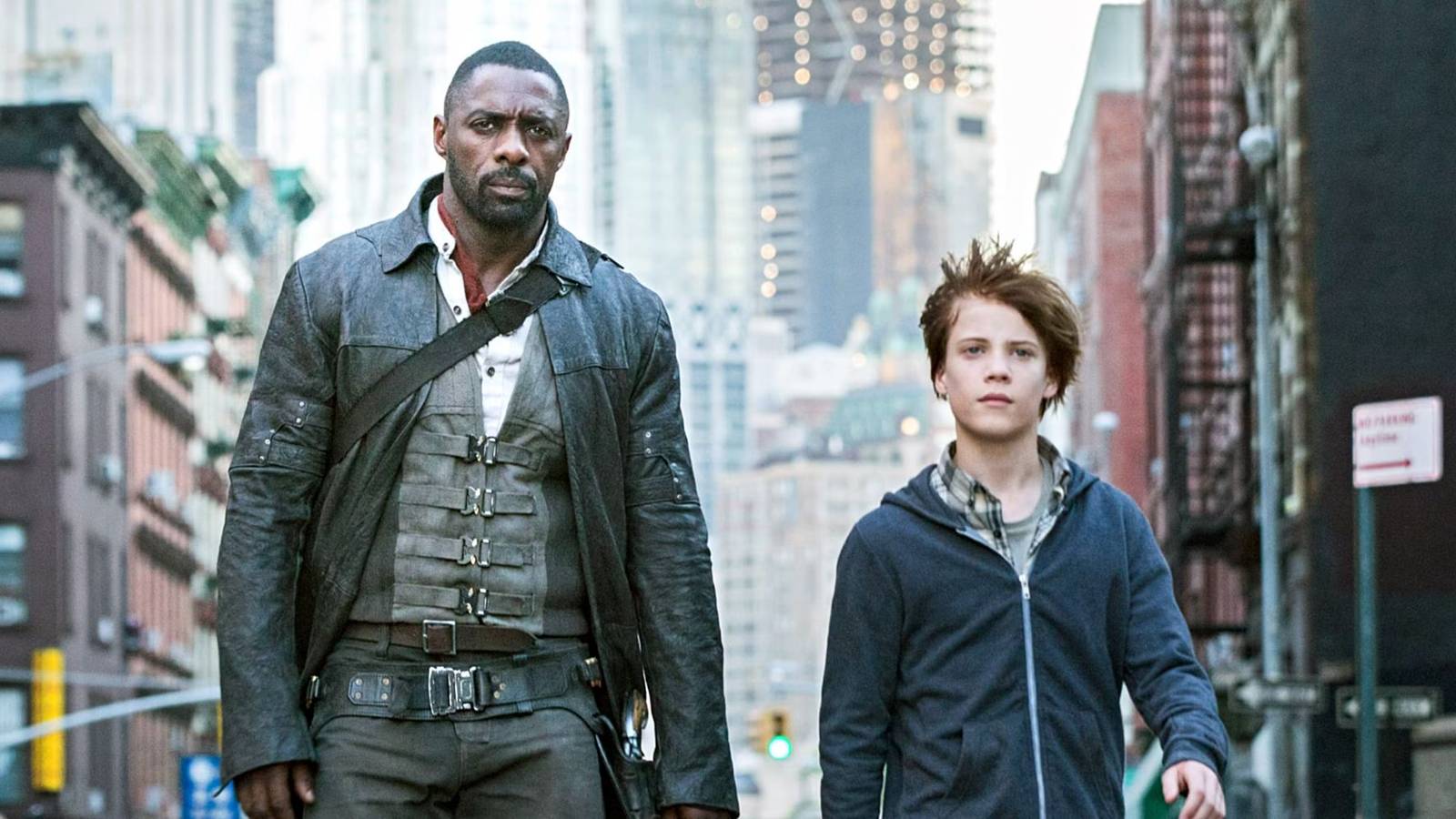
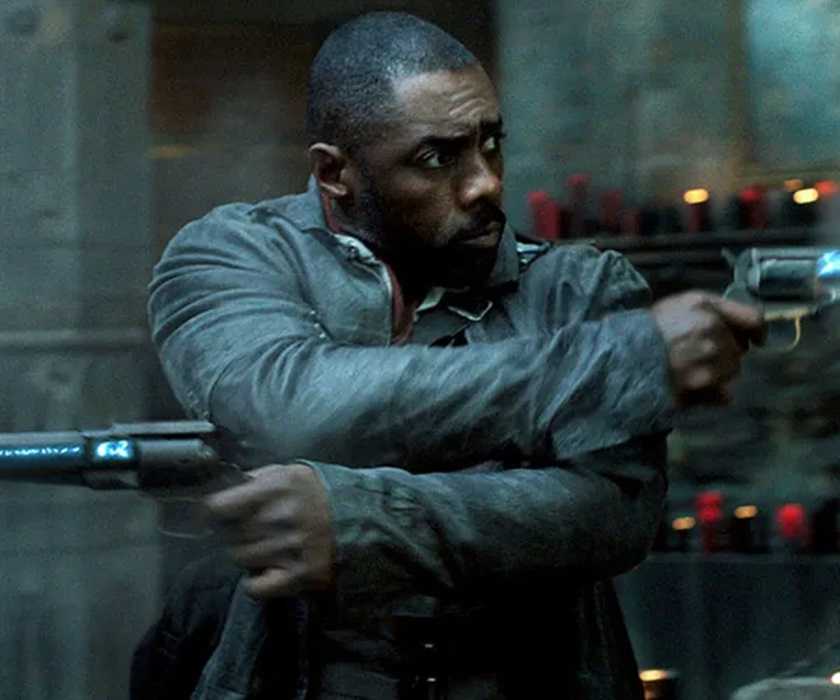
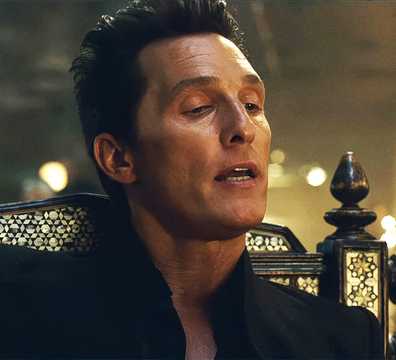
As the author's sole Western, The Dark Tower is rife with the genre’s requisite accouterments plus a hefty helping of alternate universe sci-fi, post-apocalyptic fantasy, Arthurian mythology, King's previous standalone books, and, naturally, horror. Roland Deschain (Idris Elba), the only surviving gunslinger-knight of Mid-World, indefatigably searches for the Dark Tower, a nexus point sustaining every parallel reality. Roland's sacred journey connects him with his destined companions and reunites him with his oldest enemy, a destructive sorcerer alternatively known as the Man in Black, Walter, or Randall Flagg (Matthew McConaughey).
King's staggering vision makes his saga unfilmable at worst and, at best, a behemoth of a task demanding meticulous consideration and razor-sharp insight. Arcel's three co-writers, Akiva Goldsman, Jeff Pinkner, and Anders Thomas Jensen, are clearly well-versed with the lore, between the deep-cut Easter eggs and designing the movie as a sequel to the final book. The latter idea borders on a stroke of genius; it affords the creators the flexibility to experiment while keeping the fundamental broad strokes.
Idris Elba Almost Redeems ’The Dark Tower’s Multitude of Sins
Yet somehow, The Dark Tower still emerges as a jumbled paradox of dreary visuals, convoluted plot mechanics, inexplicable logic leaps, and dissonant pacing (either monotonous or speed-running through relationship growth). The expedient narrative streamlining certainly makes sense, only to undercut its own potential wisdom by pulling from multiple books instead of enriching the first and most straightforward installment.
Similarly, the blockbuster-friendly tone, while by no means an automatic kiss of death to intellectual depth, tension, heart, or humor, flattens King’s nuanced thematic gravity and oversimplifies the formidably compelling characters into formulaic vessels. Prioritizing Jake Chambers' (Tom Taylor) by-the-numbers coming-of-age confusion over Roland, the knight of mythical renown who continues dooming his objective by making the wrong choice, is especially egregious.
With all this said, Elba's inspired casting is unquestionably the biggest positive. He channels the irresistible mood of every majestic spaghetti Western antihero — dignified, taciturn, and solitary, a man burdened by his legacy and his fixation. Although his undeniable charisma and stirring hints at inner gravitas don’t compensate for his surroundings, he's saving grace enough to make The Dark Tower worth one watch. It’s a shame Flanagan’s planned series can't give Elba his own time-loop do-over.