
.jpg) 1 hour ago
3
1 hour ago
3
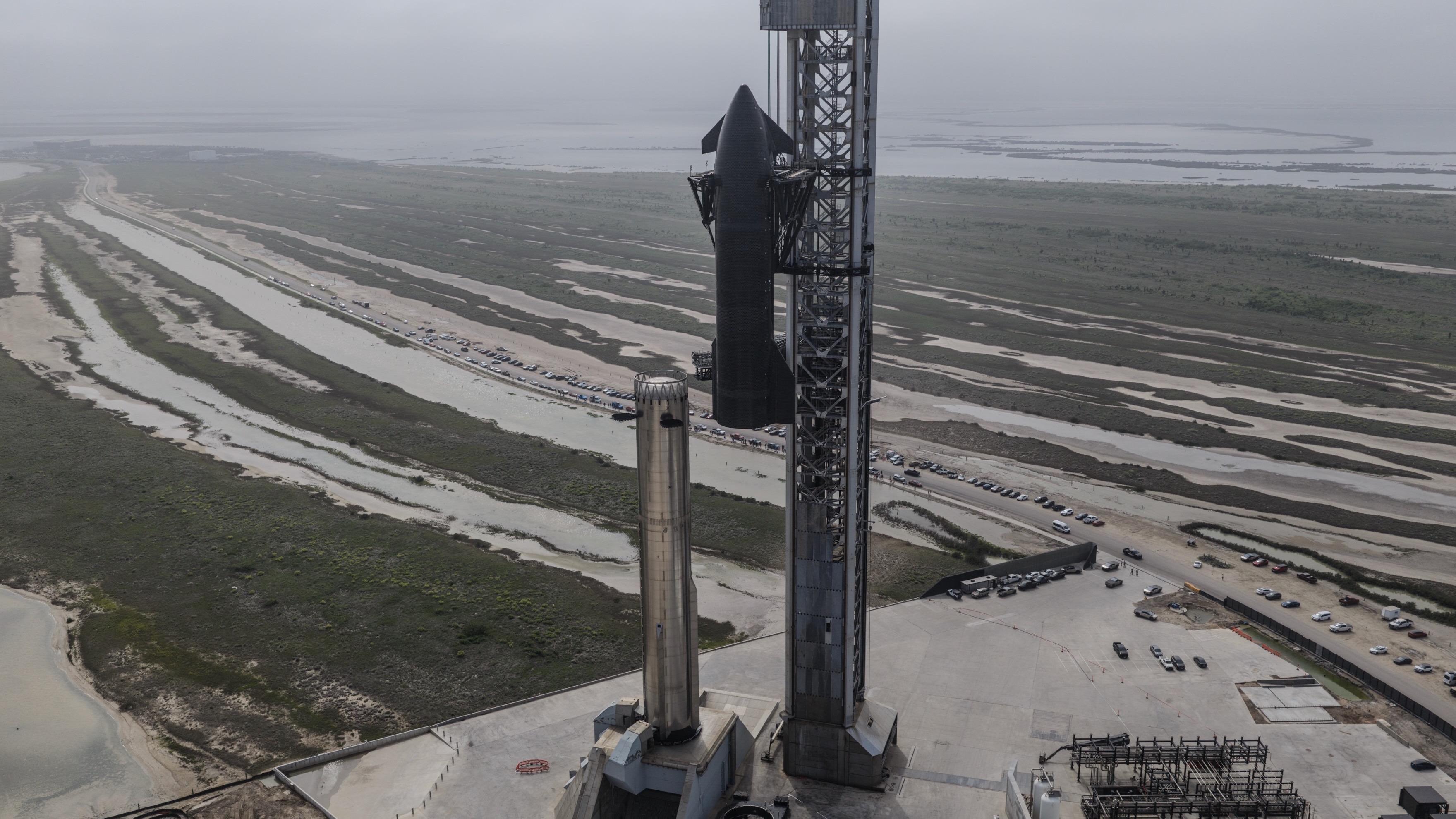
The tallest rocket ever built is now standing on its launch pad ahead of its next mission.
SpaceX is about to debut Version 3 (V3) of its giant Starship rocket, which is poised to launch on the vehicle's 12th test flight. The rocket's two halves, the Super Heavy booster and Ship upper stage, were stacked yesterday (May 19) at the newly-built pad at SpaceX's Starbase facility in South Texas. Starship V3 is scheduled to launch no earlier than 6:30 p.m. EDT (2230 GMT) on May 21.
SpaceX shared photos of yesterday's Starship stack in a post on X, and conducted a final wet dress rehearsal on the vehicle, fully fueling both stages and running through a simulated launch countdown leading to the moments just before engine ignition. That was completed Wednesday (May 20).
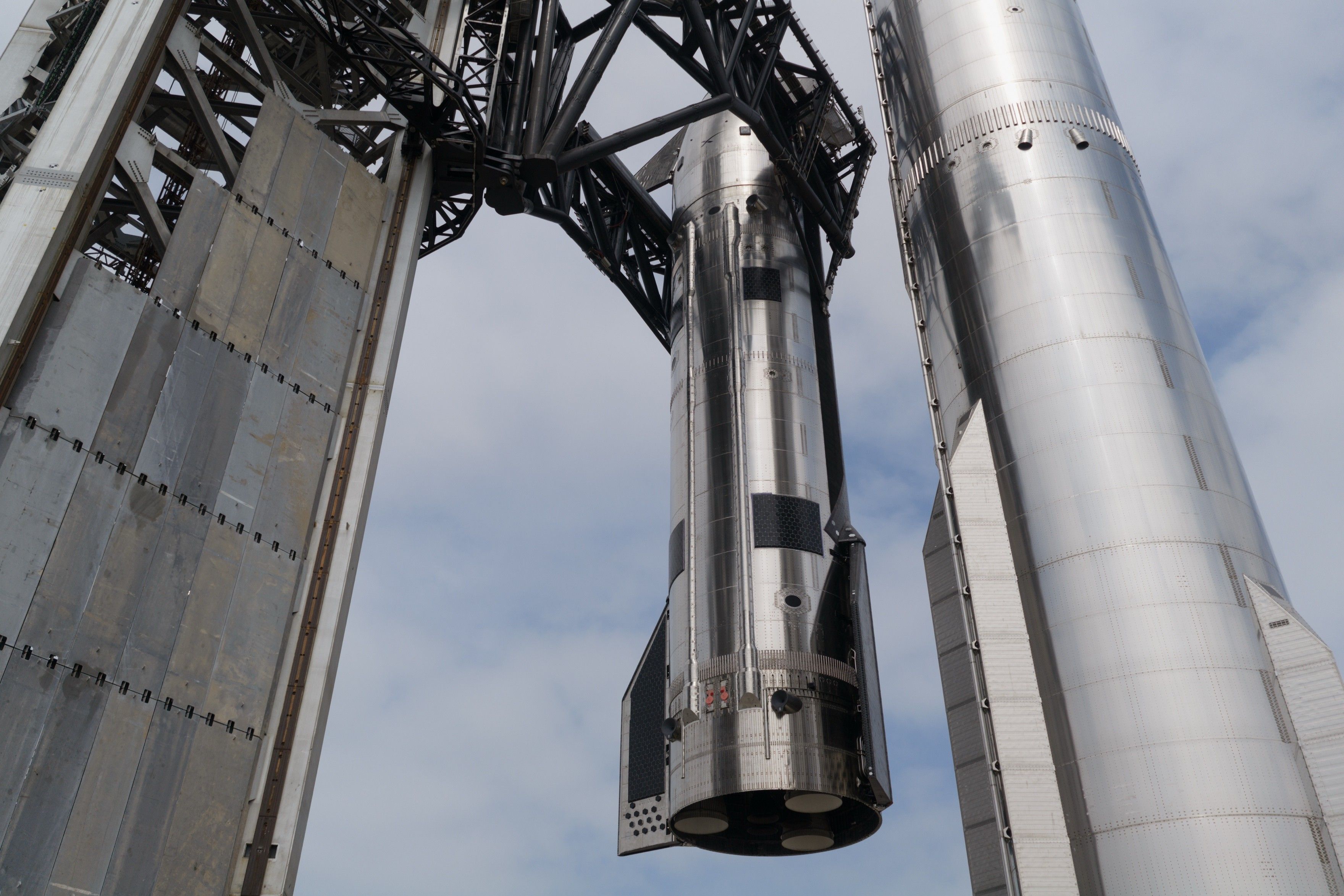
Image credit: SpaceX
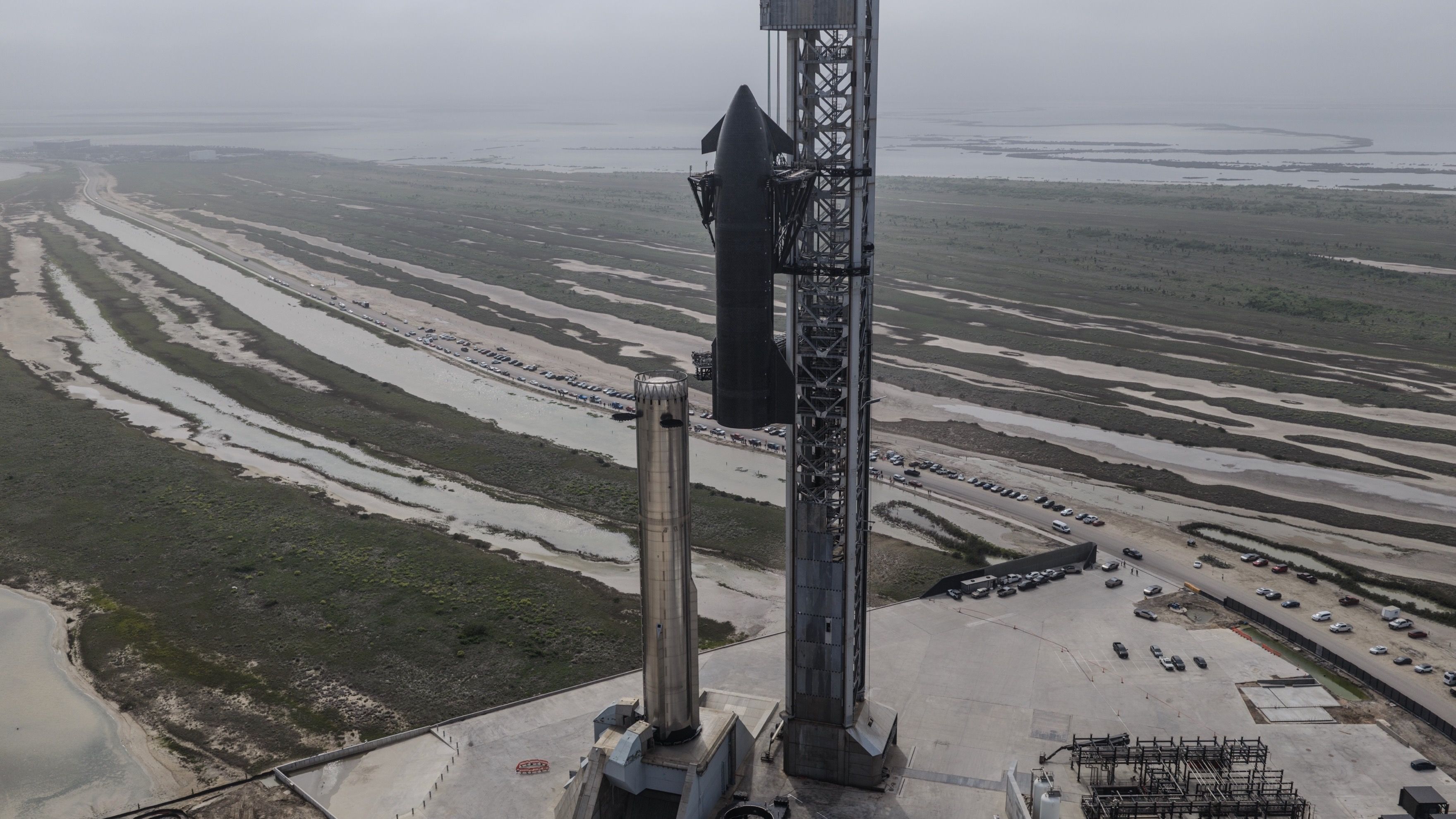
Image credit: SpaceX
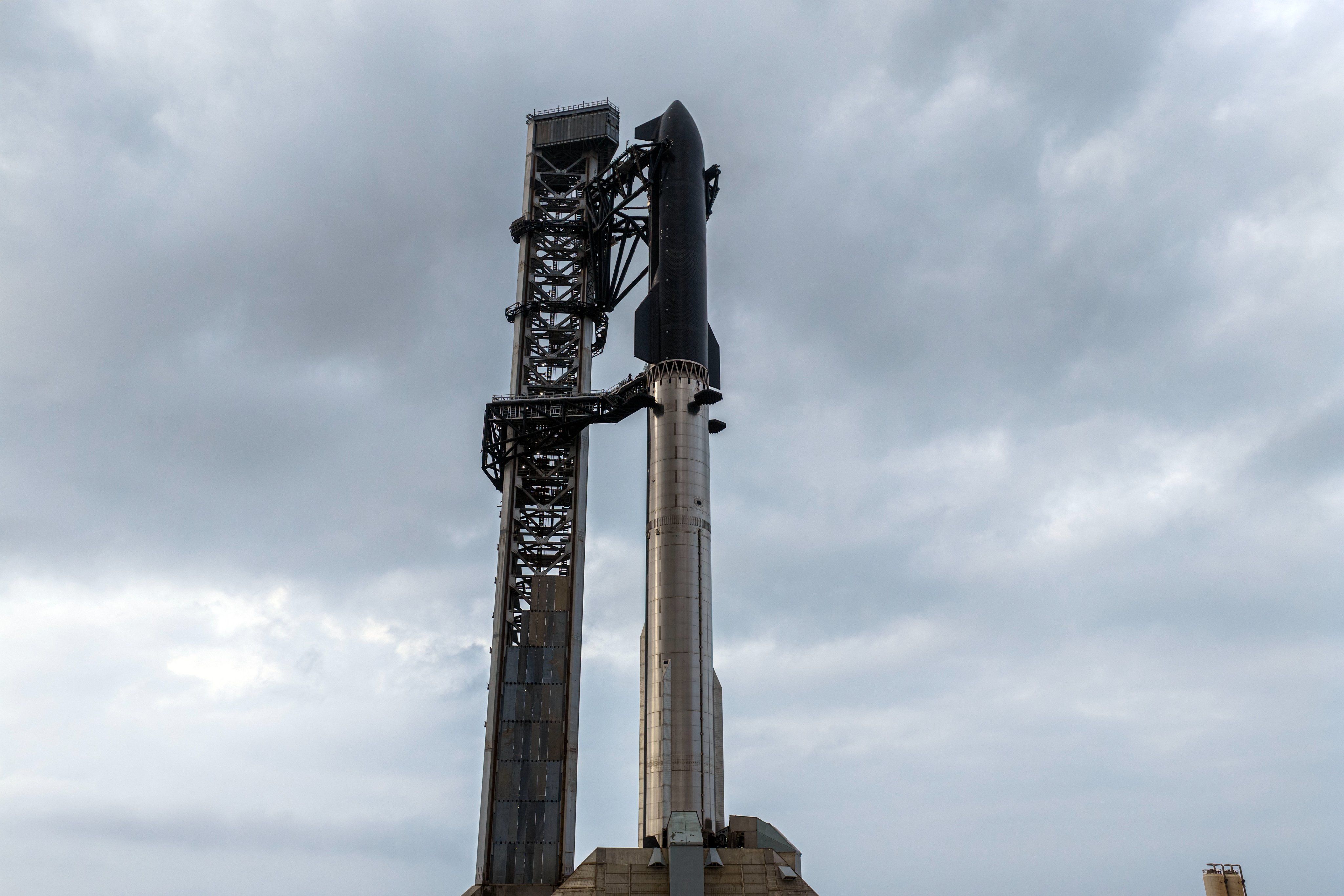
Image credit: SpaceX
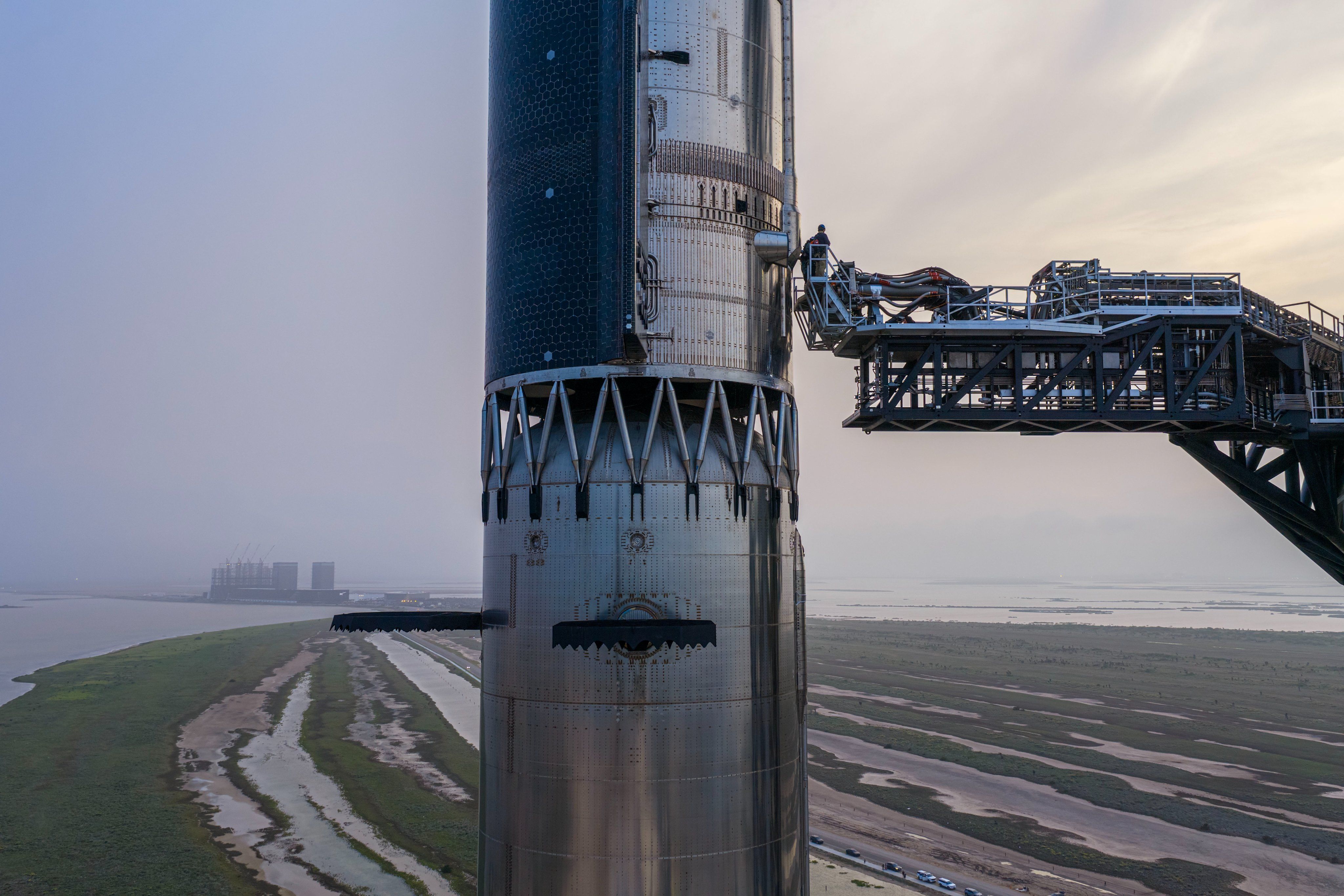
Image credit: SpaceX
SpaceX stacks its first V3 Starship vehicle on the pad at Starbase, Texas, ahead of its debut flight. SpaceX posted this photo on X on May 19, 2026.
Starship stacked on the pad at Starbase pic.twitter.com/aYM9xw8BVjMay 20, 2026
Starship Flight 12 will be a suborbital launch, with soft landing splashdowns in the Gulf of Mexico and Indian Ocean for Ship and Super Heavy, respectively, rather than a return to Starbase for recovery and reuse. Ultimately, SpaceX has designed Starship for full reusability, and has successfully recovered Super Heavies using the launch tower's "chopstick" arms to catch the booster in midair, but has not yet attempted a catch of the Ship upper stage. Though, depending on the outcome of this first V3 test flight, SpaceX could potentially attempt such a recovery on the upcoming Flight 13 or 14.
You can watch Starship Flight 12 live on May 21, with streams available on SpaceX's website, and also on Space.com beginning at 5:45 p.m. EDT (2145).
Starship V3 is a big upgrade from the vehicle's previous V2 and V1 designs, and features key components crucial for maturing the vehicle for operational missions, including docking ports for in-space refueling. That capability will be needed on future flights when Starship needs to fly beyond low Earth orbit (LEO), like for NASA's upcoming Artemis missions.
NASA has contracted SpaceX to use Starship as one of the Artemis lunar landers, and their deadline to have the vehicle ready is quickly approaching. Artemis 3 is planned for late 2027, and will launch NASA's Orion capsule with a crew of astronauts to rendezvous and dock with Starship in LEO to assess the spacecrafts' ability to link up in orbit. If that's successful, Starship is slated to deliver astronauts to the surface of the moon on Artemis 4, currently scheduled for 2028.
NASA has also contracted a lunar lander from Blue Origin. Their Blue Moon spacecraft is also expected to fly on Artemis 3 for its own tests with Orion, and, while NASA is hoping for the opportunity to launch the mission using both landers, the agency has said it's willing to fly with just one, if the other stalls in development.
 English (US)