
.jpg) 3 hours ago
2
3 hours ago
2
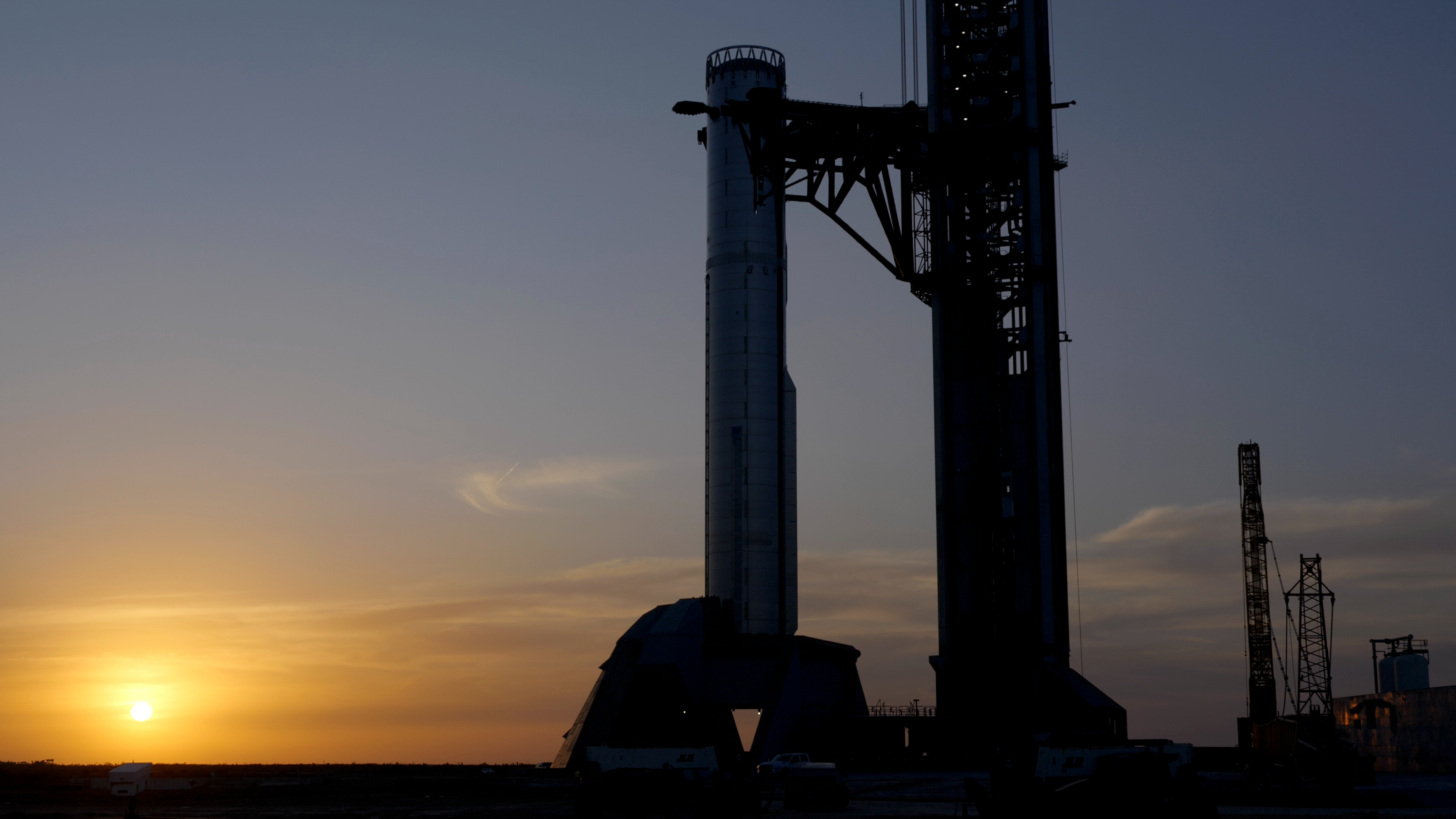
SpaceX's biggest, most powerful Starship to date just breathed fire for the first time.
On Monday (March 16), the company conducted a static fire test with Starship's "Super Heavy" first stage, briefly igniting the booster's engines while the vehicle remained anchored to Pad 2 at SpaceX's Starbase site in South Texas.
It was the first-ever static fire for a Version 3 (V3) vehicle — the latest iteration of Starship, which SpaceX is developing to help humanity put boots on the moon and Mars. The test broke ground in another way as well: It was the first to occur at Pad 2, which will double Starbase's launch capacity when it comes online.
Article continues below
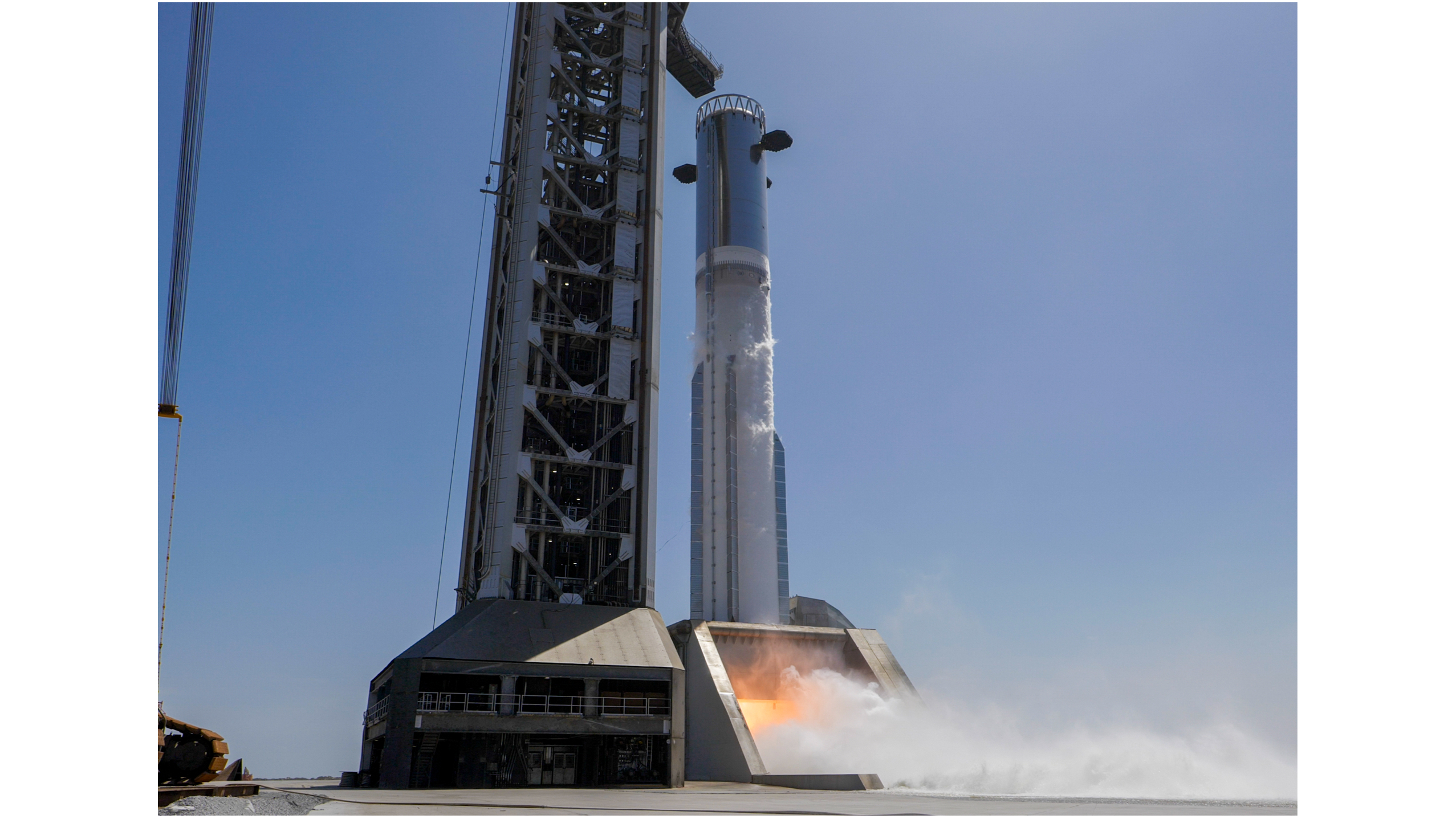
"Initial Super Heavy V3 and Starbase Pad 2 activation campaign complete, wrapping up several days of testing that loaded cryogenic fuel and oxidizer on a V3 vehicle for the first time," SpaceX wrote via X on Wednesday (March 18), in a post that shared four photos of the Super Heavy, known as Booster 19, on the pad.
That post also revealed that the static fire involved just 10 engines and "ended early due to a ground-side issue." The next step will be a static fire with Booster 19's full complement of 33 Raptor engines, 23 of which still need to be installed.
Monday's operation was part of the leadup to Starship's 12th-ever test flight, which SpaceX wants to launch in early to mid-April. That mission will be the first ever for a V3 vehicle. Booster 19 will fly with a Starship upper stage called Ship 39, which recently passed a key "cryoproofing" test at Starbase's Massey site.
Starship V3 is slightly taller than V2 — 408.1 feet (124.4 meters) vs. 403.9 feet (123.1 m). Thanks to its new V3 Raptor engine, the latest variant is also significantly more powerful: It can haul more than 100 tons to low Earth orbit, compared to about 35 tons for Starship V2, SpaceX founder and CEO Elon Musk has said.
V3 is also the first iteration of the megarocket capable of journeying to the moon and Mars. But there are a number of boxes to check before it can attempt to do so — reaching Earth orbit successfully, for example, and demonstrating the ability to top up its fuel tanks away from our planet.
 English (US)