
.jpg) 10 hours ago
3
10 hours ago
3
From Hollywood film sets to headline-making red carpets, these rare dresses transcended style to capture power and a cultural shift, securing their enduring influence.
Some dresses are remembered for their beauty. Others endure because they captured a moment that shifted fashion, culture or public perception. Whether worn on screen, on stage or under the spotlight of the red carpet, these garments have become symbols of power and at times, rebellion. Decades later, their value is measured both in their rarity and in the stories they carry. From Audrey Hepburn’s restrained “LBD” elegance to Rihanna’s MET Gala couture spectacle, these are the dresses that have entered fashion history, proven (in part) by the prices collectors are willing to pay and the influence they continue to hold. From film costumes to red carpet provocations, LUXUO explores how these famous dresses have transcended fashion to become cultural ensembles, commanding record-breaking prices and lasting influence long after their first appearance.
Audrey Hepburn’s Breakfast at Tiffany’s Black Givenchy Dress (1961)
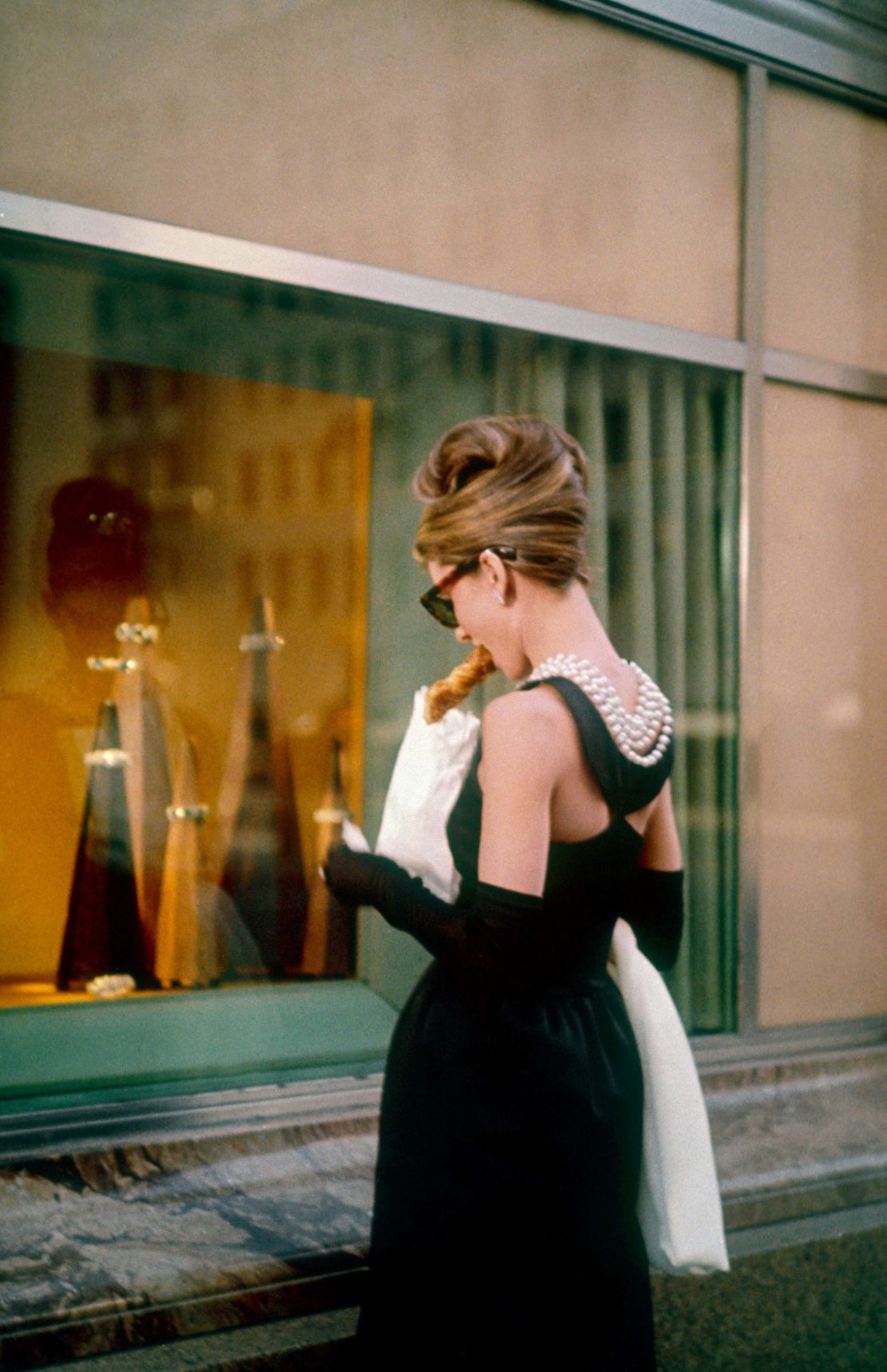
Few film costumes have so precisely defined both a character and an era as Audrey Hepburn’s black Givenchy gown in “Breakfast at Tiffany’s”. Designed by Hubert de Givenchy for Hepburn’s portrayal of Holly Golightly, the sleeveless, floor-length dress was crafted from black Italian satin, with a fitted bodice, a distinctive cut-out décolleté at the back and a thigh-high slit that introduced a quiet sense of modernity to its otherwise restrained silhouette.
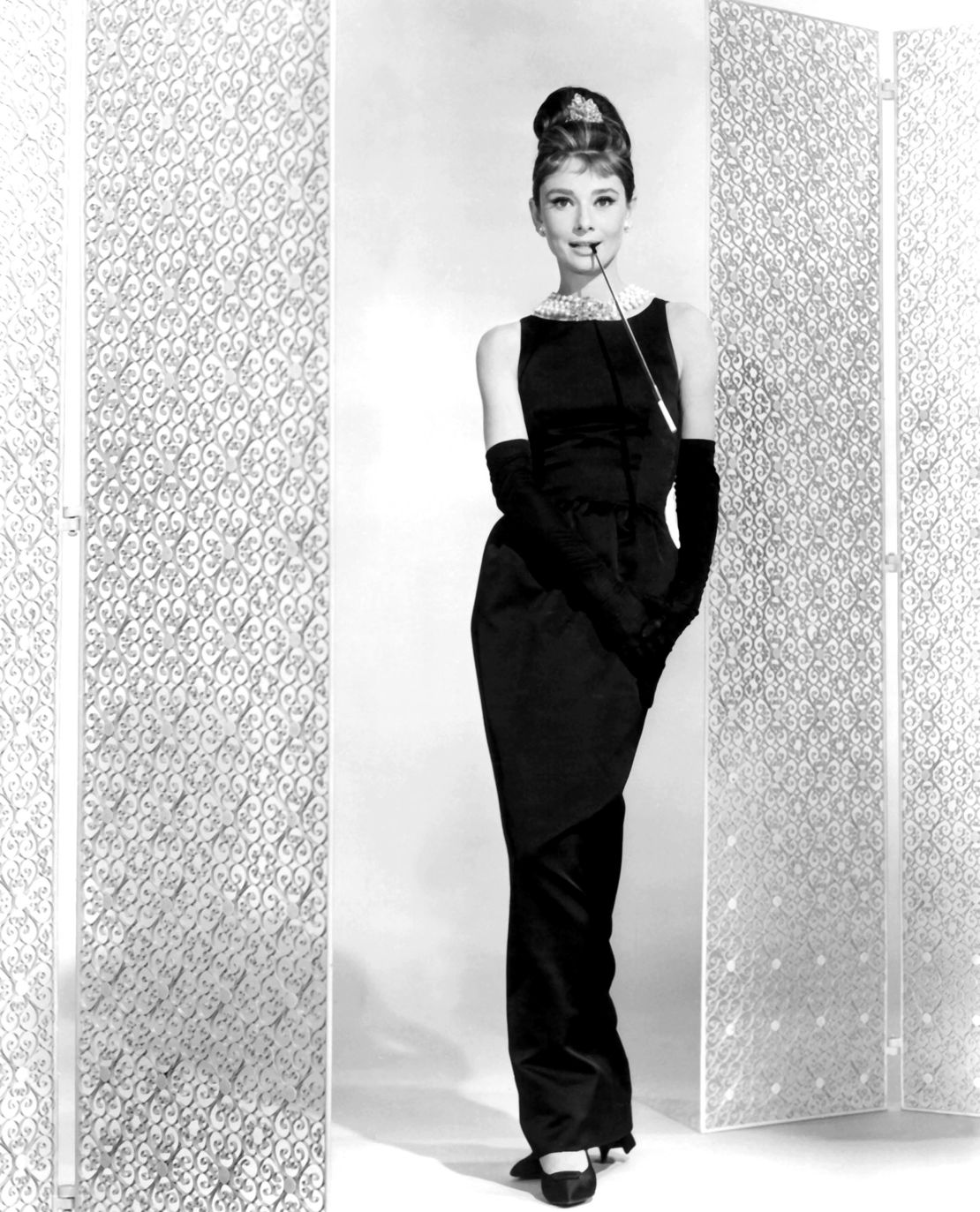
The dress appears in one of cinema’s most enduring opening scenes. Hepburn steps out of a yellow cab on Fifth Avenue, coffee and croissant in hand, pausing before Tiffany & Co.’s windows at dawn. The gown would go on to become inseparable from the idea of understated glamour, reshaping the “little black dress” from a simple wardrobe staple into a symbol of aspirational elegance. Hepburn’s role as Givenchy’s muse would evolve into one of fashion’s most influential creative partnerships — resonating far beyond the silver screen.
Its cultural weight was reaffirmed in 2006, when the dress was offered at Christie’s London and sold for approximately USD 923,000, far exceeding its pre-sale estimate and setting a world record at the time for a film costume at auction. The price reflected not only its rarity but the moment it captured — a convergence of cinema, fashion and cultural aspiration that continues to shape how elegance is defined today.
Marilyn Monroe’s “Happy Birthday, Mr. President” Dress (1962, Bob Mackie)
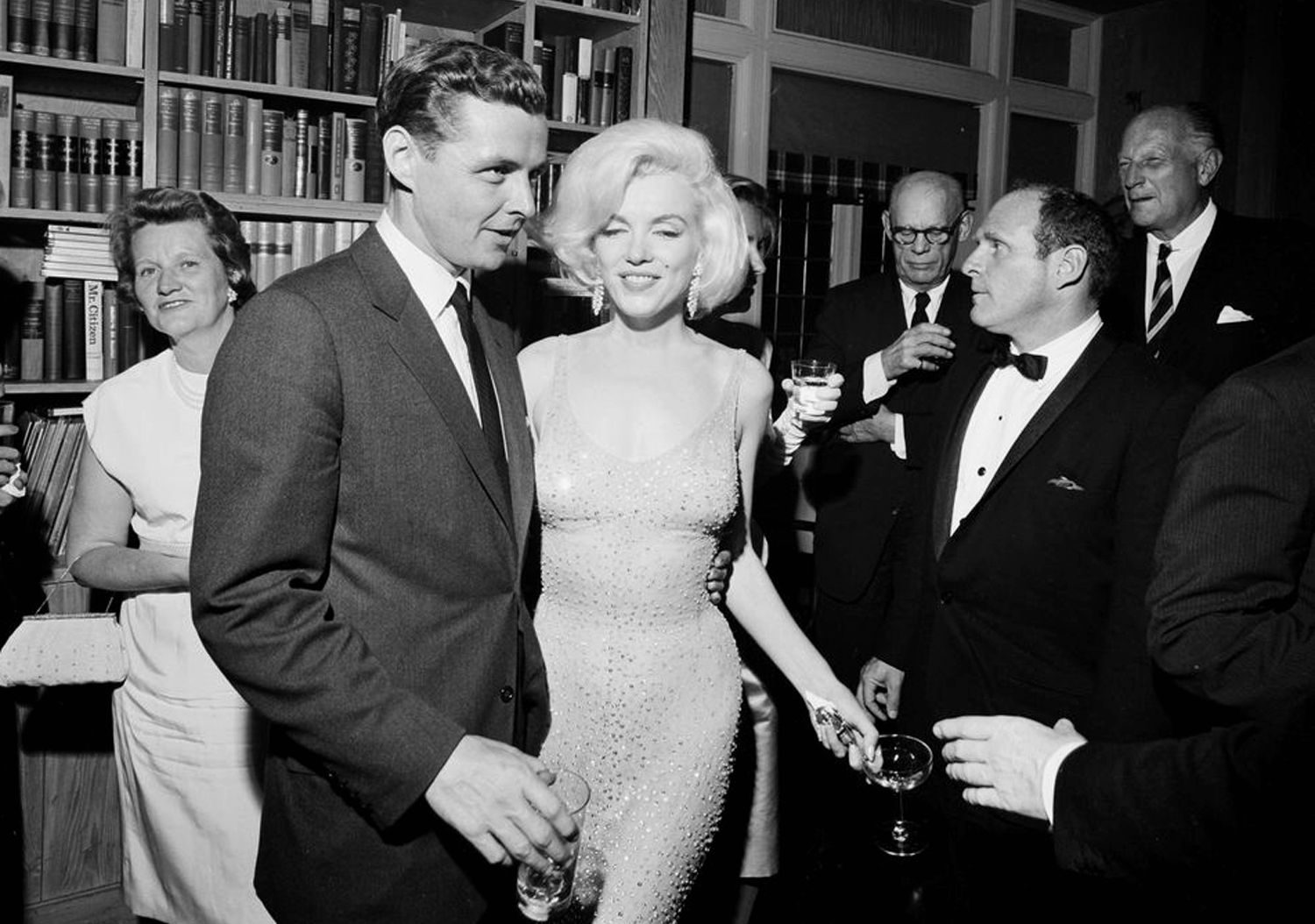
One of the most controversial dresses to land at the intersection of fashion, politics and celebrity is the sheer dress Marilyn Monroe wore to sing “Happy Birthday, Mr. President” to John F. Kennedy in May 1962. Designed by Jean Louis from an original sketch by a young Bob Mackie, the figure-hugging gown was crafted from flesh-coloured silk soufflé gauze and embroidered with more than 2,500 rhinestones, creating the illusion that Monroe was almost naked beneath the lights.
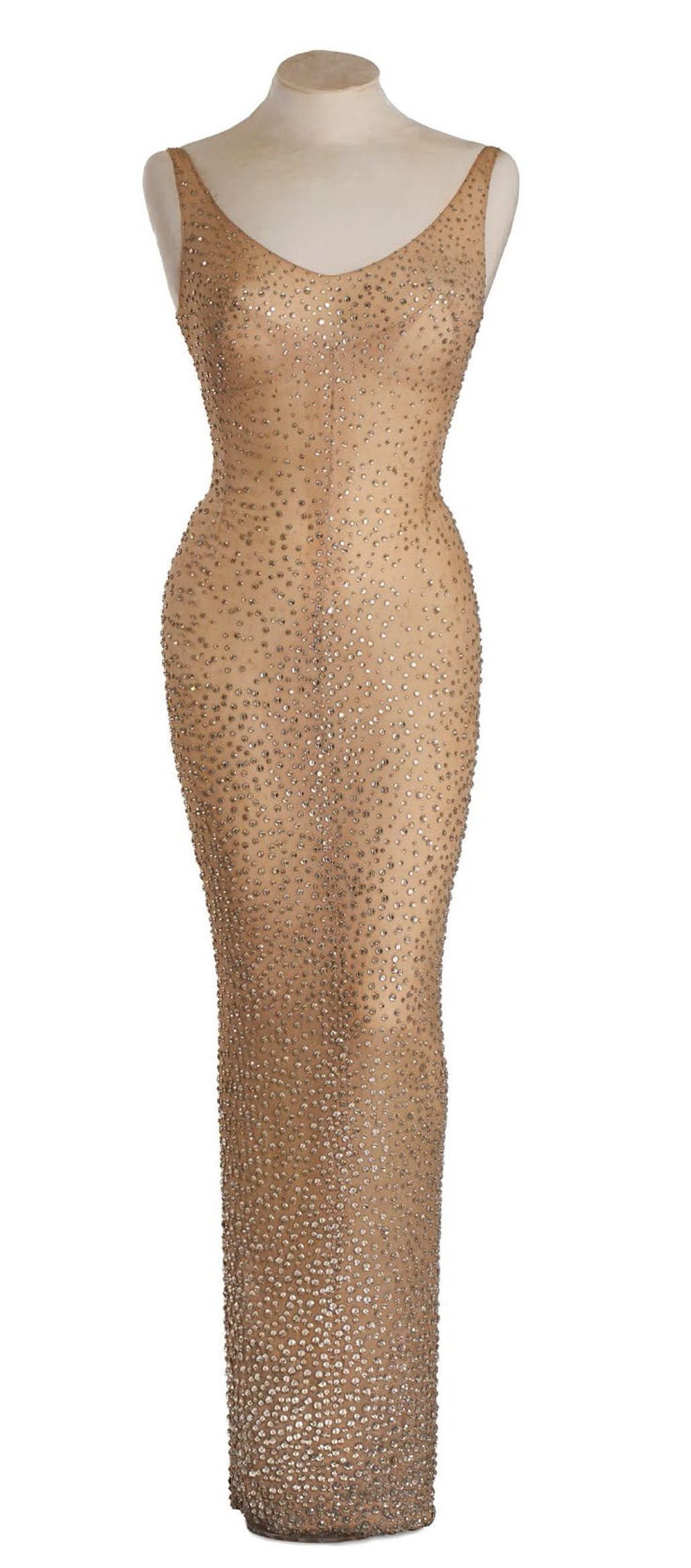
Arriving late to Kennedy’s 45th birthday gala, Monroe shed her white ermine coat to reveal the crystal-covered sheath before an audience of 15,000 guests. The dress was so tightly fitted that she reportedly had to be sewn into it. It would also become one of Monroe’s final public appearances before her death just three months later, further cementing the dress as a symbol of American cultural history. Its significance was reflected in its record-breaking sale at Julien’s Auctions on 17 November 2016, when it fetched USD 4.8 million, surpassing its USD 3 million estimate and setting a new record for the most expensive dress ever sold at auction. The winning bid exceeded the previous record held by Monroe’s white dress from “The Seven Year Itch”.
Purchased by Ripley’s Believe It or Not!, the gown had previously sold for USD 1.27 million at Christie’s in 1999, underscoring how its cultural value has only intensified over time. Controversy surrounding the dress resurfaced again in 2022, when Kim Kardashian briefly wore the dress on the Met Gala red carpet under strict supervision, reigniting debates around preservation and fashion history. Once a spectacle of the 1960s, the dress remains a cultural artefact, retaining its extraordinary value decades after its debut.
Princess Diana’s “Revenge Dress” by Christina Stambolian (1994)
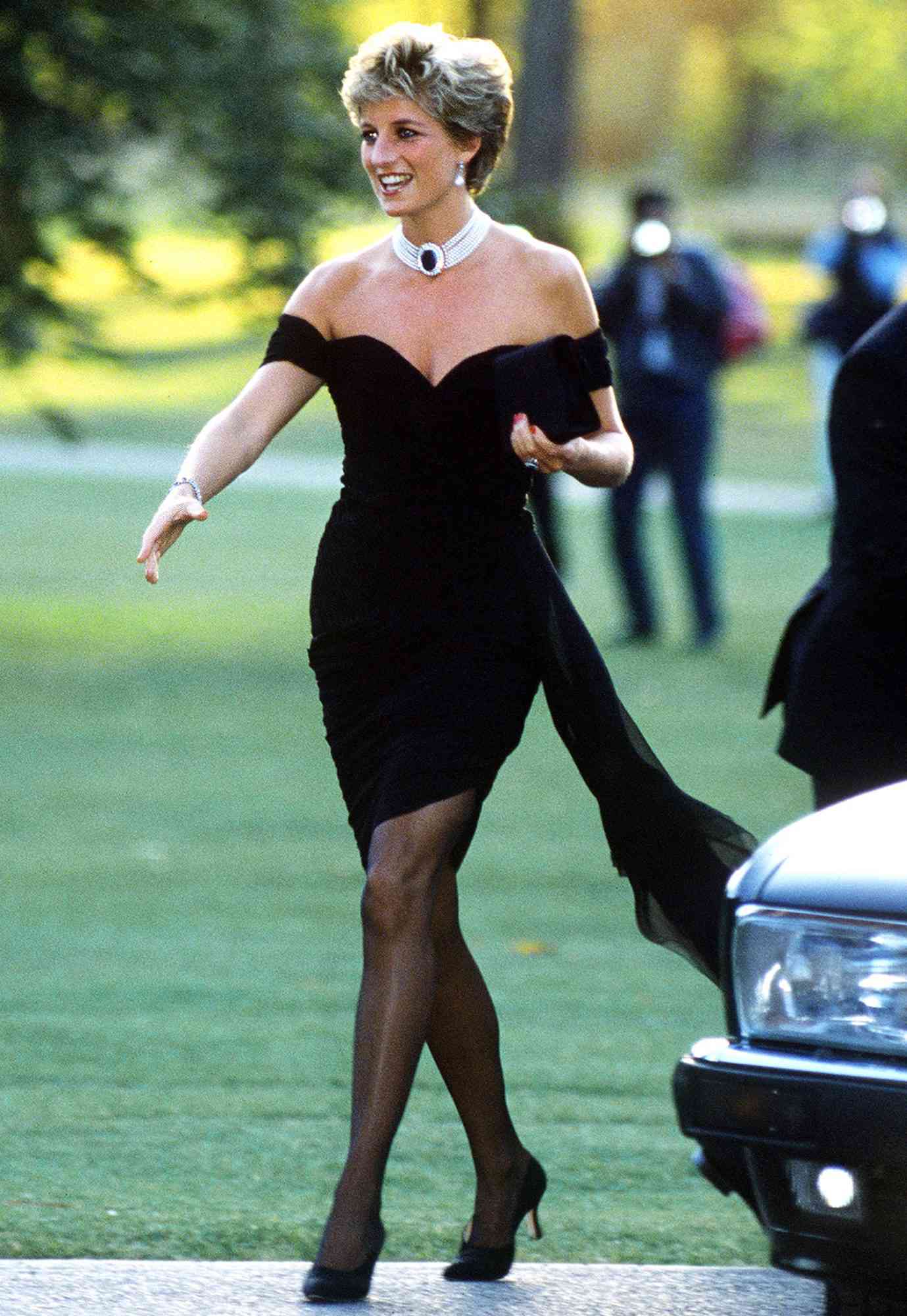
It has been well reported that the late Princess Diana owned many renowned garments, but few carried the cultural weight of the black chiffon cocktail dress she wore in June 1994. Designed by Greek fashion designer Christina Stambolian, the off-the-shoulder, form-fitting dress was worn to Vanity Fair’s fundraising gala for the Serpentine Gallery in London. With its above-the-knee hemline, deep neckline and fluid silhouette, it stood in direct contrast to royal convention, where restraint and protocol had long dictated her public image.
The timing further emphasised the dress’s significance as the same evening that Diana stepped out in the dress, her estranged husband Prince Charles appeared on national television, admitting to his infidelity during a prime-time ITV documentary. Rather than retreat from public view, Diana arrived at the event composed and visibly confident, turning the night into one of the most talked-about moments in modern royal history.
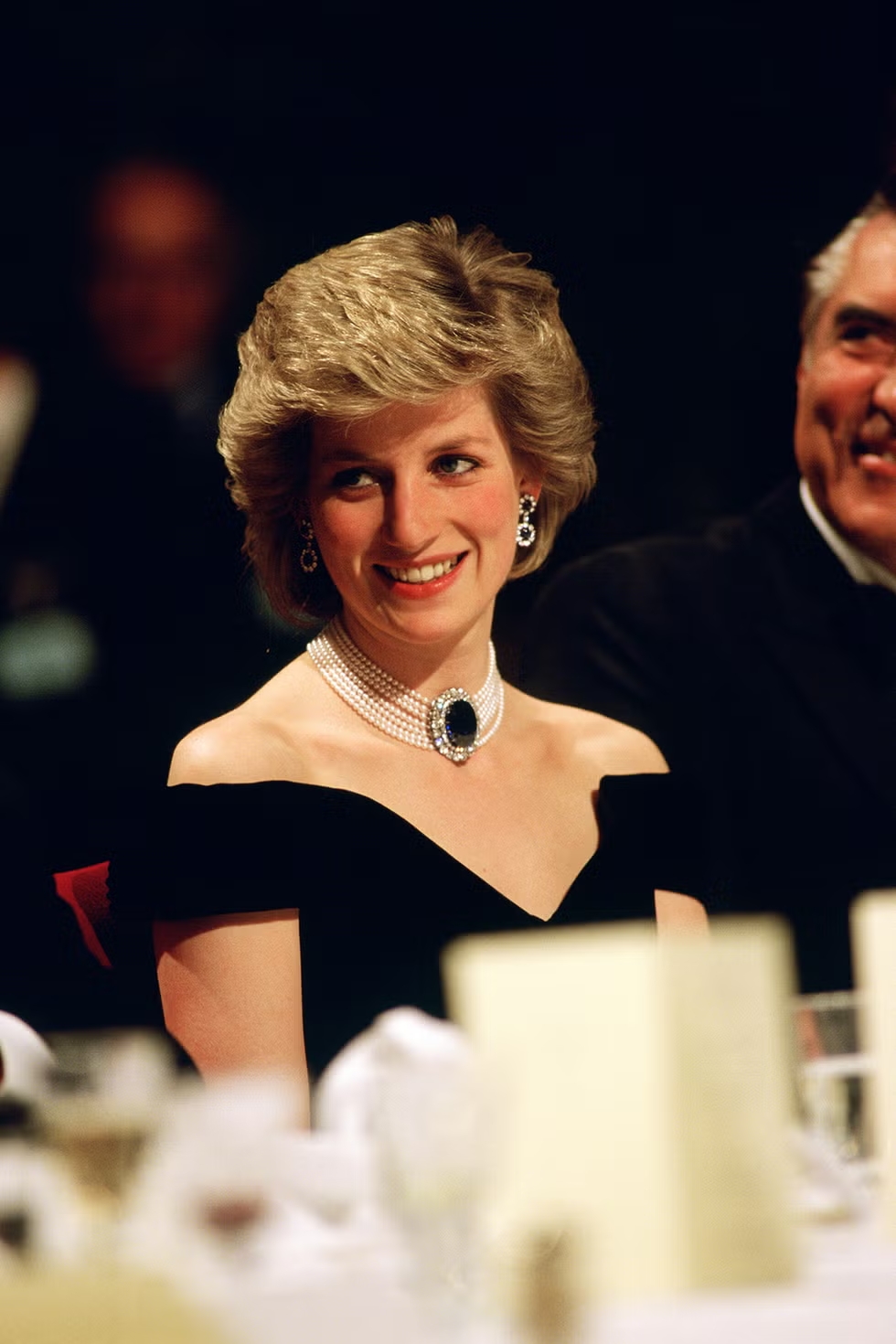
The dress quickly became known as the “revenge dress”, not for spite, but for what it represented. It marked a shift in Diana’s public persona, signalling autonomy and emotional freedom. Paired with her sapphire and pearl choker — itself reworked from a jewel gifted to her before her marriage — the look carried layers of personal symbolism. Royals traditionally wore black only in mourning and the unspoken message was clear in that this was the end of one chapter (her marriage) and the beginning of another (her freedom).
The dress’s cultural significance was later underscored in 1997, when Diana auctioned 79 of her gowns through Christie’s in New York to raise funds for charity. Among the most sought-after pieces, the Stambolian dress sold for USD 74,000, a figure that reflected the moment it captured as it became a visual declaration of self-determination.
Elizabeth Taylor’s “Cleopatra” Gowns by Irene Sharaff (1963)
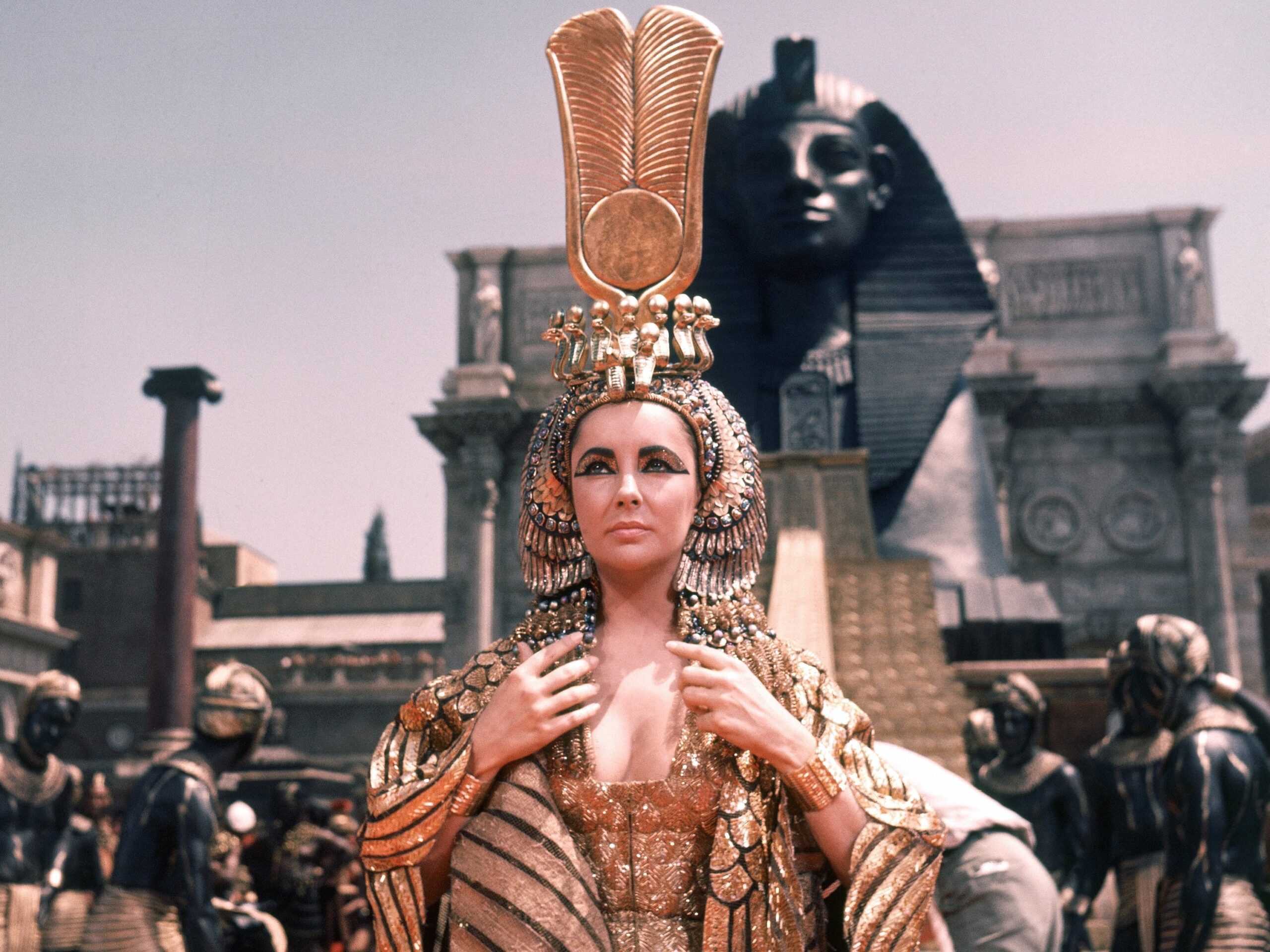
Elizabeth Taylor’s costumes in Cleopatra reached new heights of cinematic scale and ambition, particularly for the time. Designed primarily by Irene Sharaff, with contributions from Vittorio Nino Novarese and Renié, the gowns embodied Hollywood excess at its most unapologetic. Rich fabrics, intricate beading and the extensive use of 24-carat gold cloth transformed costume design into pure spectacle, shaping what cinematic opulence could look like.
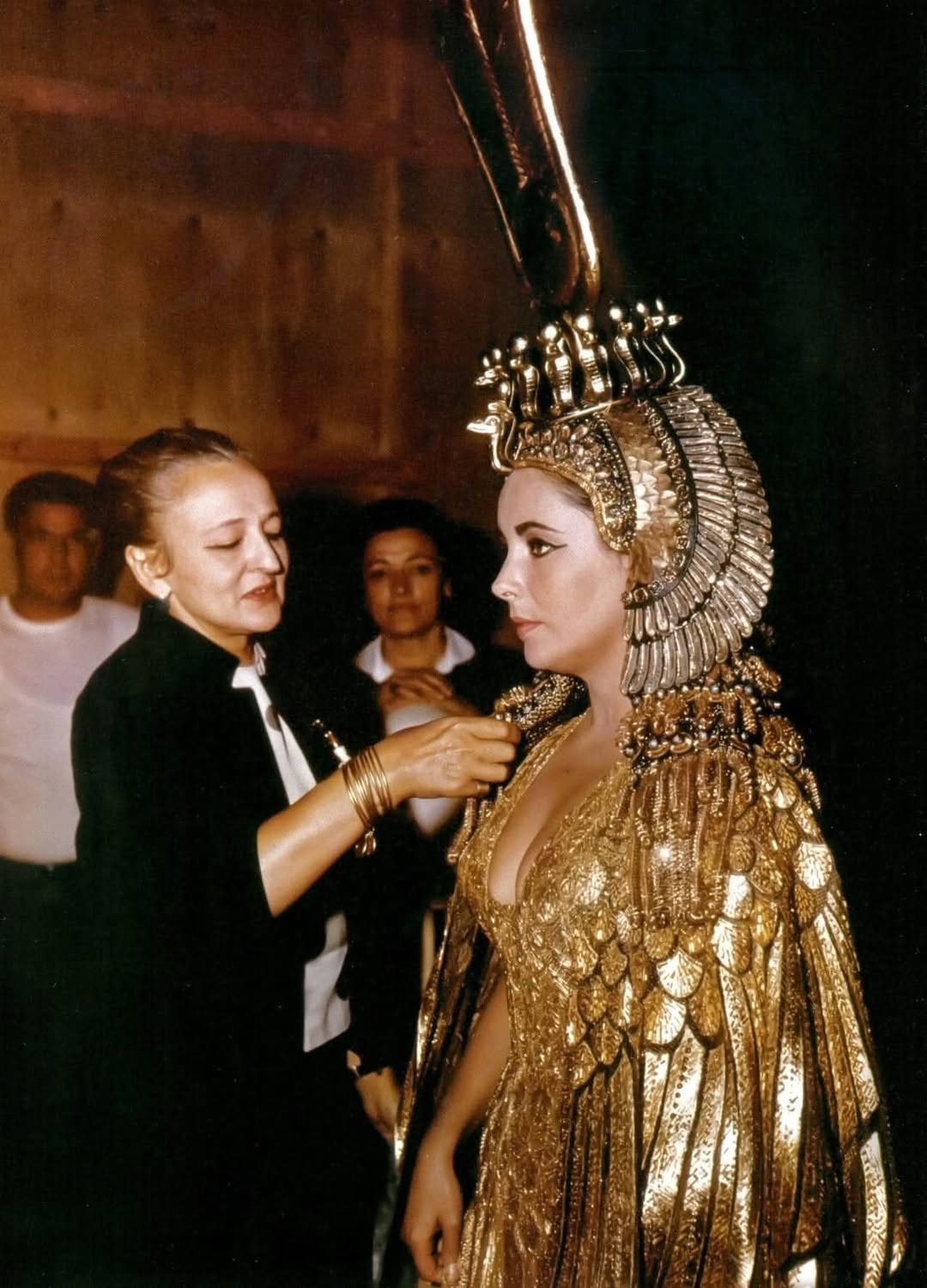
Taylor wore an extraordinary 65 costumes throughout the film — a record at the time — drawn from a production that reportedly created over 26,000 costumes in total. Her wardrobe alone was allocated an unprecedented budget of USD 194,800, underscoring the studio’s commitment to visual grandeur over historical accuracy. Among the most iconic cinematic pieces was the gold phoenix cape, crafted from thin strips of gold leather and embellished with thousands of beads to form outstretched wings. The phoenix motif symbolised rebirth and divinity, reinforcing Cleopatra’s portrayal as both ruler and legend. The costume echoed similar imagery worn by Caesarion, positioning Taylor’s Cleopatra as the living embodiment of Egypt’s future.
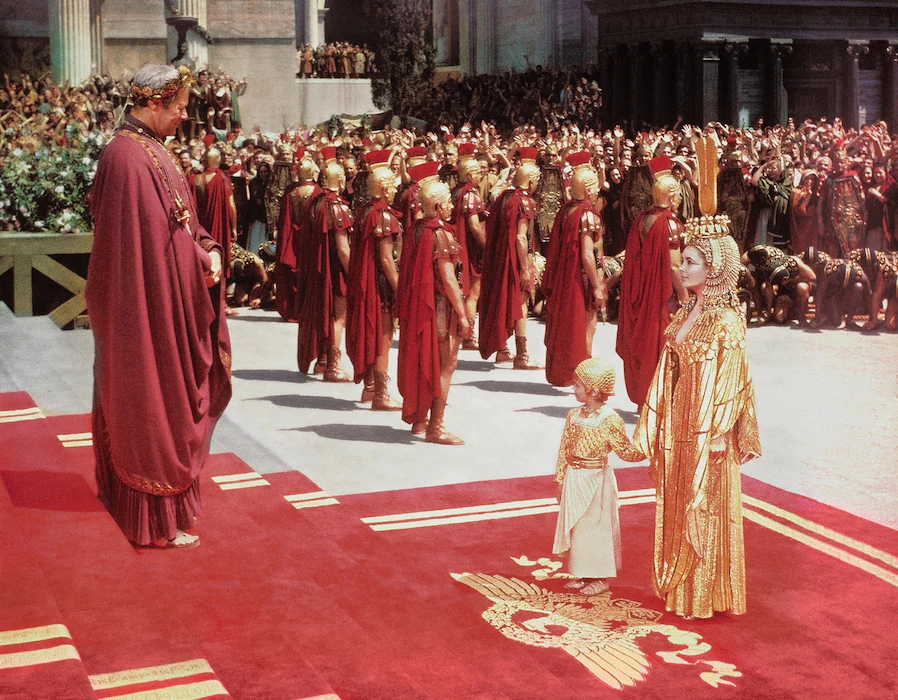
The film’s visual language left a lasting imprint far beyond cinema. It popularised snake jewellery, arm cuffs, dramatic eye makeup and flowing silhouettes, shaping fashion and beauty trends throughout the 1960s. Its influence was such that “Cleopatra”’s costumes earned Sharaff, Novarese and Renié the Academy Award for Best Costume Design, cementing their place in Hollywood history. Decades later, Taylor’s gold phoenix cape would go on to sell at auction in 2012 for USD 59,375, having been carefully preserved for years.
Rihanna’s Green Guo Pei Cape Gown (2015 Met Gala)
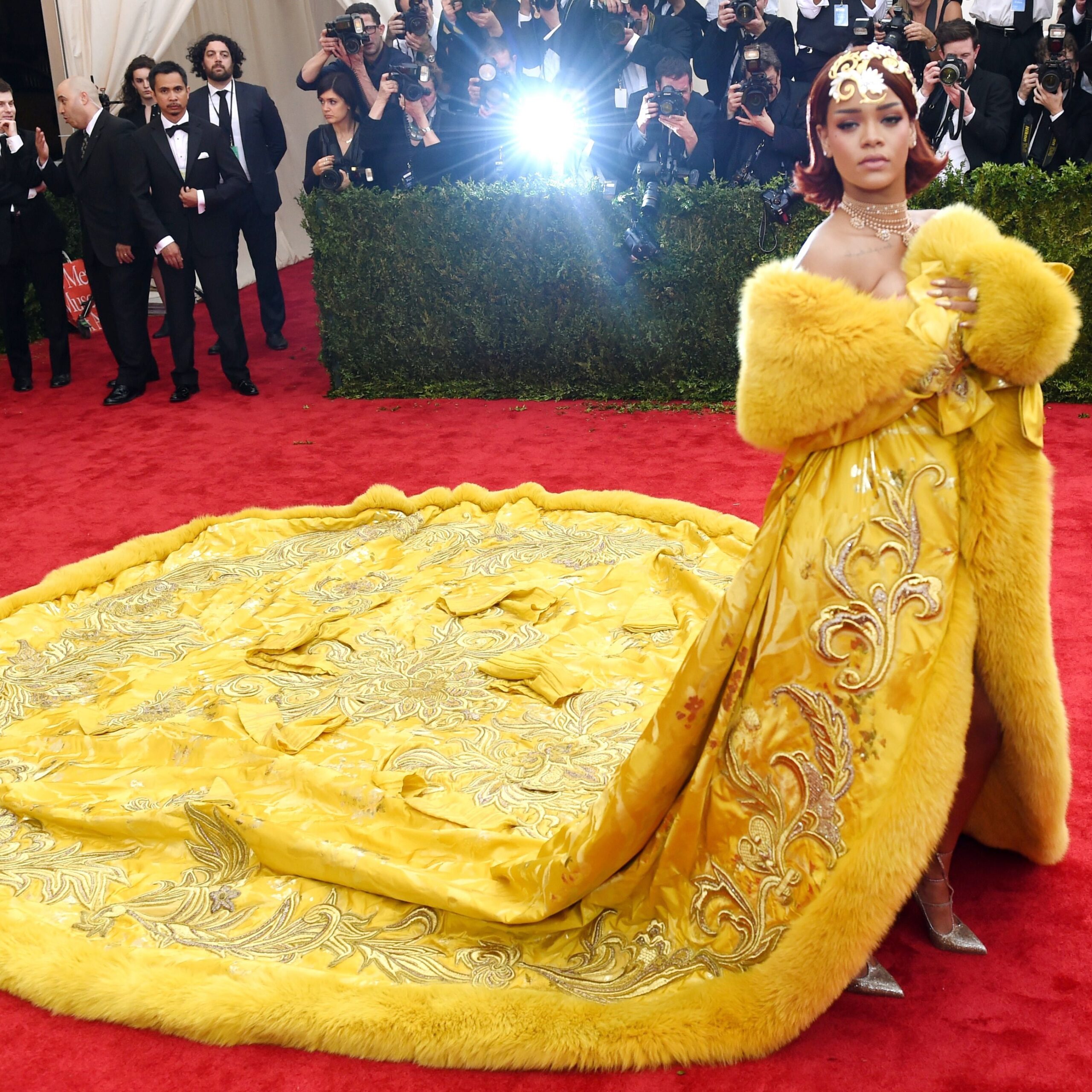
When Rihanna arrived at the 2015 Met Gala in Guo Pei’s imperial yellow couture cape, the moment instantly transcended red carpet spectacle to become part of fashion’s cultural zeitgeist. Created by Beijing-based designer Guo Pei — China’s first recognised haute couturier — the gown was not originally designed for the singer. It had been resting in Pei’s studio for three years before Rihanna’s team discovered it while researching Chinese couture ahead of the “Met’s China: Through the Looking Glass” exhibition. While many of the attendees wore Western interpretations of the theme, Rihanna moved beyond surface reference, placing Chinese couture and craftsmanship at the centre of the narrative. The result was a defining cultural collision, where a Black R&B singer from Barbados stood at the intersection of modern pop stardom and Chinese couture heritage, allowing two distinct cultural histories to converge on one global stage.
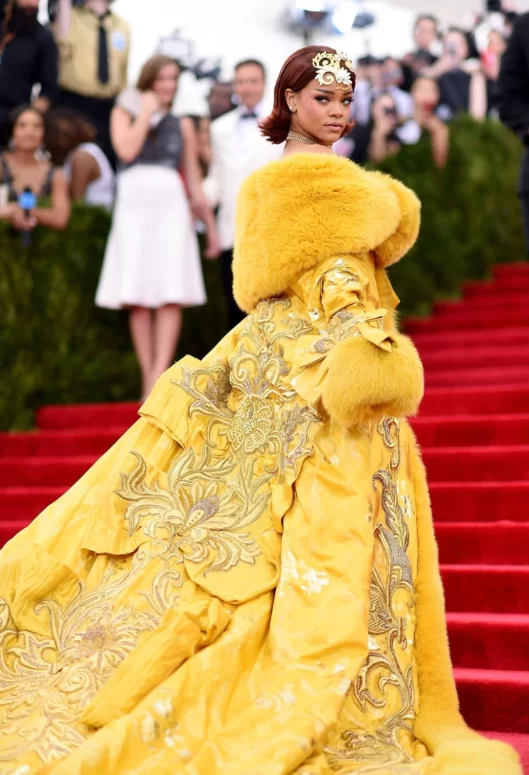
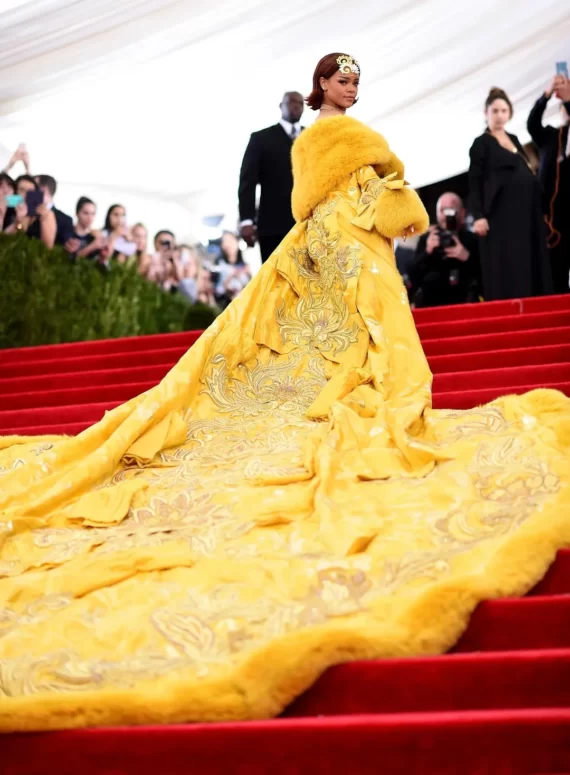
Weighing 25kg with a 16-foot train, the fur-trimmed cape took over two years and more than 50,000 hours of hand embroidery to complete, featuring intricate floral scrollwork rendered in imperial yellow, a colour historically reserved for emperors. Often dubbed the “Yellow Empress” or “Yellow Queen” gown, the piece reframed contemporary couture as a museum-worthy ensemble. Today, rather than being confined to a singular archive, the gown tours internationally with Guo Pei’s exhibitions, appearing at institutions such as the Asian Civilisations Museum in Singapore, the Vancouver Art Gallery and M+ in Hong Kong, reinforcing its status as a garment whose value lies in both its rarity and in its power to shift global perceptions of fashion.
Bjork’s Swan Dress (2001 Oscars)
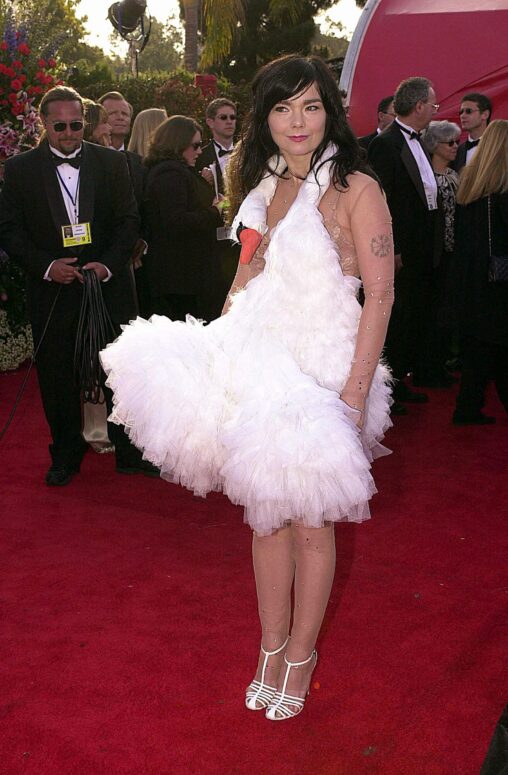
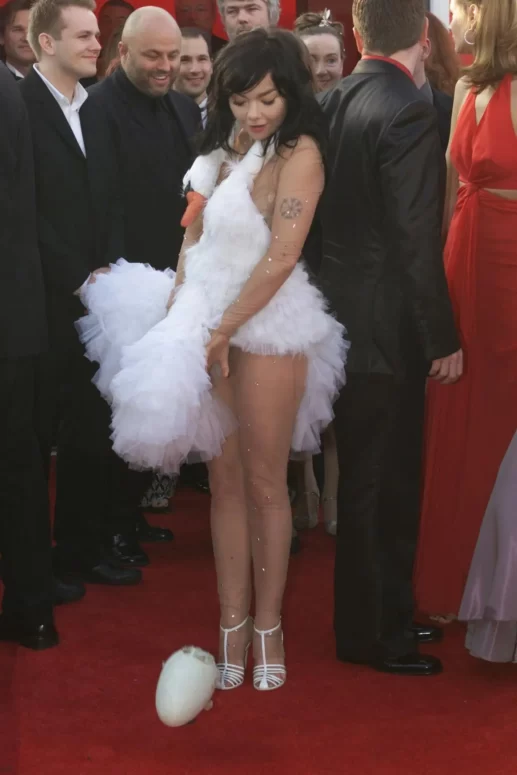
Nominated for Best Original Song, Björk arrived at the 73rd Academy Awards in 2001 wearing what would become one of the most polarising looks in red carpet history. Designed by Macedonian designer Marjan Pejoski, the now-iconic swan dress featured a crystal-embellished bodysuit enveloped in layers of white tulle, with a life-size faux swan wrapped around Björk’s neck, its elongated body draped across her chest and finished with a bright orange beak. Completing the surreal tableau, Björk theatrically scattered faux eggs along the red carpet. Originally conceived as a sculptural piece for Pejoski’s Autumn Winter 2001 collection, the gown was never intended for Hollywood spectacle — a fact the designer reportedly only learned the morning after the Oscars.
At the time, the look was relentlessly mocked, topping worst-dressed lists and unsettling rigid expectations of how a female nominee should appear on awards night. Yet it was this deliberate refusal to conform that ultimately cemented the swan dress as a defining cultural artefact. What was initially dismissed as absurd has since been reframed as a landmark expression of camp and artistic autonomy. The gown has entered fashion’s institutional canon, exhibited by both The Metropolitan Museum of Art and the Museum of Modern Art and its swan-inspired influence was resurfaced in later couture collections by houses including Valentino and Dior. Like the most enduring pieces in fashion history, Björk’s swan dress derives its lasting value from its power to disrupt and provoke the visual language of the red carpet.
Grace Jones’s Azzedine Alaïa Hooded Purple Gown (1985)
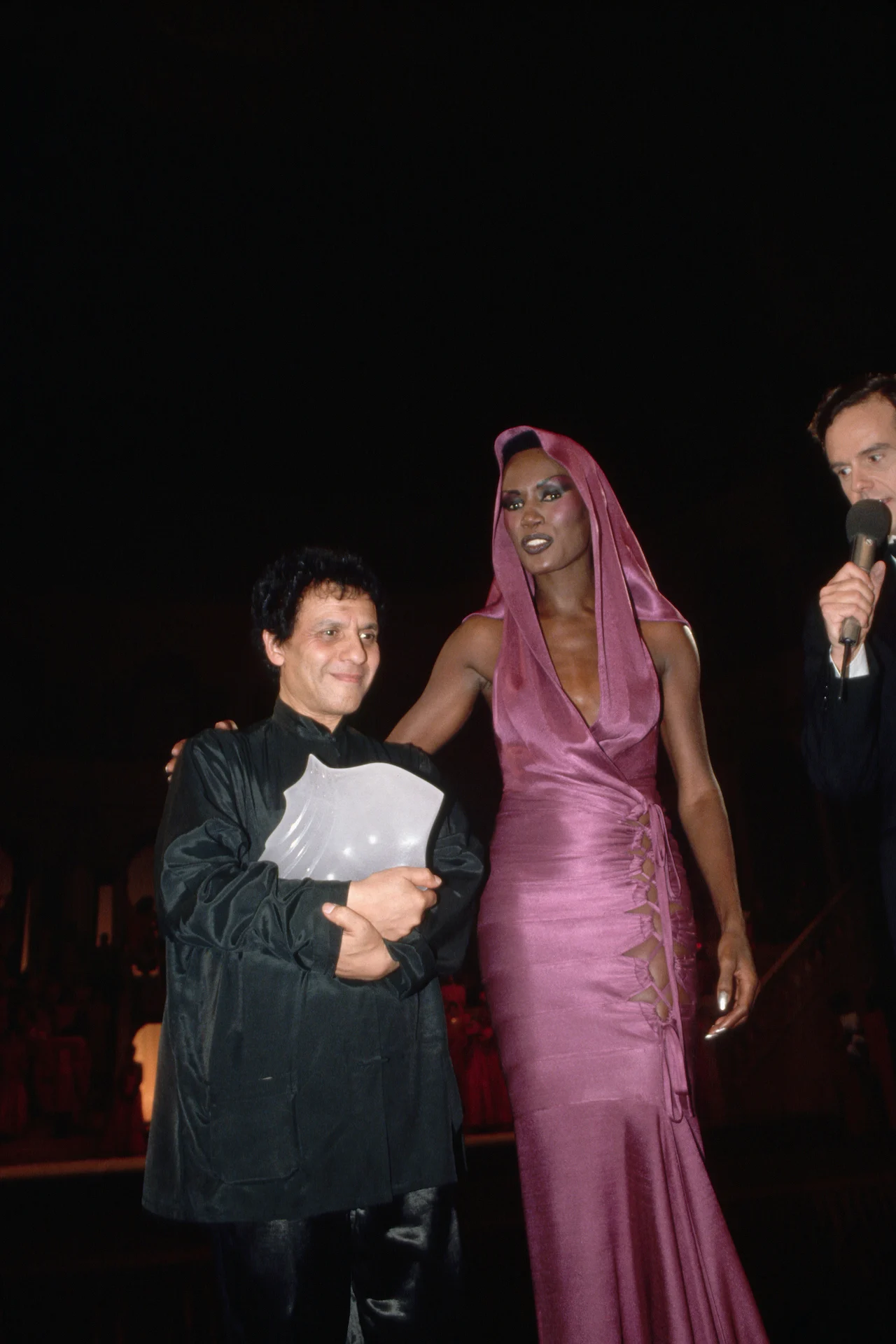
Grace Jones’ appearance as May Day in the 1985 James Bond film “A View to a Kill”, remains one of the franchise’s most enduring fashion moments. Dressed in a sculptural, hooded mermaid gown by Azzedine Alaïa, the look fused cinematic spectacle with couture precision. Cut close to the body, the dress featured corseted openwork lacing running along the thigh, a fluid hooded silhouette and Alaïa’s signature mastery of stretch and structure. The result was both sensual and formidable — a visual language of the Bond girl and asserting Jones as a figure of power rather than a sidelined character.
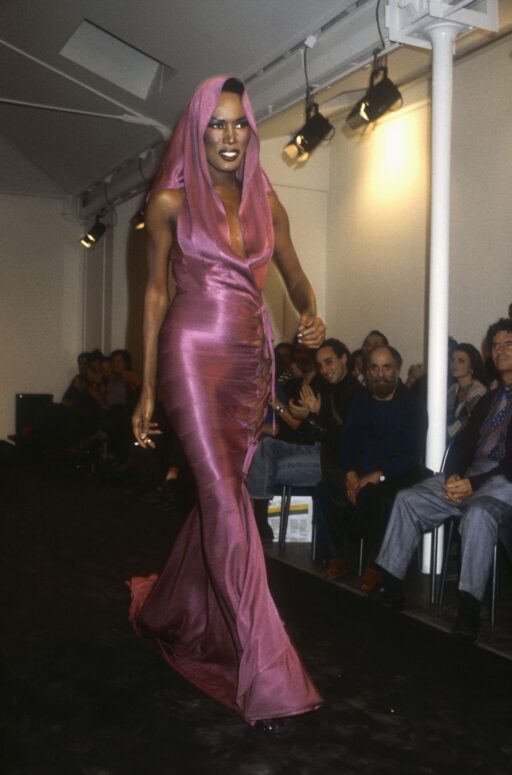
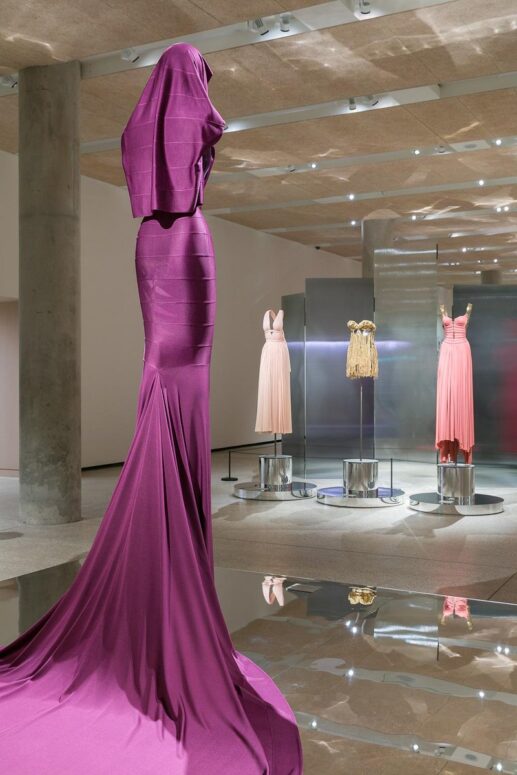
The collaboration was unusually personal as Jones was the first Bond girl to actively shape her on-screen wardrobe, selecting Alaïa to help translate her own uncompromising aesthetic into the Bond universe. Working alongside costume designer Emma Porteous, Alaïa brought his now-iconic hooded designs to the screen, elevating them from the runway to pop-cultural symbols. While hooded gowns were not new, Alaïa’s treatment in the 1980s, sculpted, body-conscious and unapologetically bold, transformed the silhouette into something distinctly modern, making the ensemble an emblem of the decade.
That same year, Jones accompanied Alaïa to the Opéra Garnier in Paris, where the designer was awarded two of France’s highest fashion honours by the French Federation of Couture, including Creator of the Year and the Special Jury Prize. She appeared in a similar (purple) iteration of the on-screen Alaïa dress, reinforcing the symbiotic relationship between designer and muse that would go on to defin both of their legacies. Today, the iconic Alaïa dress worn by Jones in “A View to a Kill” resides within the collection of the Fondation Azzedine Alaïa in Paris and has been exhibited internationally, including at The Design Museum in London, Galleria Borghese in Rome and the SCAD FASH Museum in Atlanta. In one garment, Alaïa and Jones collapsed the boundaries between cinema and couture, creating a fashion moment whose influence continues to echo across film, runway and museum space alike.
Cher’s 1986 Oscars Bob Mackie Beaded Naked Dress

Designed by her longtime collaborator Bob Mackie, Cher arrived at the 58th Academy Awards in 1986 in a beaded “naked” dress as an act of defiance. The dress consisted of a black jewel-encrusted bralette, a low-slung skirt with dramatic side slits, thigh-high boots and an embroidered cashmere shawl, crowned by a towering feathered headdress. Bare midriff exposed and unapologetically theatrical, the look rejected every expectation of how a “serious” actress should dress on Hollywood’s most formal night.
The provocation was deliberate. At the time, Cher felt dismissed by the Academy, criticised for her appearance, her relationships and the snub of her Cannes-winning performance in Mask. The gown was conceived as a sartorial rebuttal. Mackie himself later described it as a calculated gesture, less about fashion propriety than about commanding attention. The look dominated headlines, polarised critics and cemented Cher’s reputation as an artist unwilling to dilute her identity for institutional approval. Cher would return to the Oscars and win Best Actress for “Moonstruck”. Today, the beaded “naked gown” is remembered for how it reframed the red carpet as a site of power and protest.
For more on the latest in luxury fashion and style reads, click here.
 English (US)