
.jpg) 10 hours ago
2
10 hours ago
2
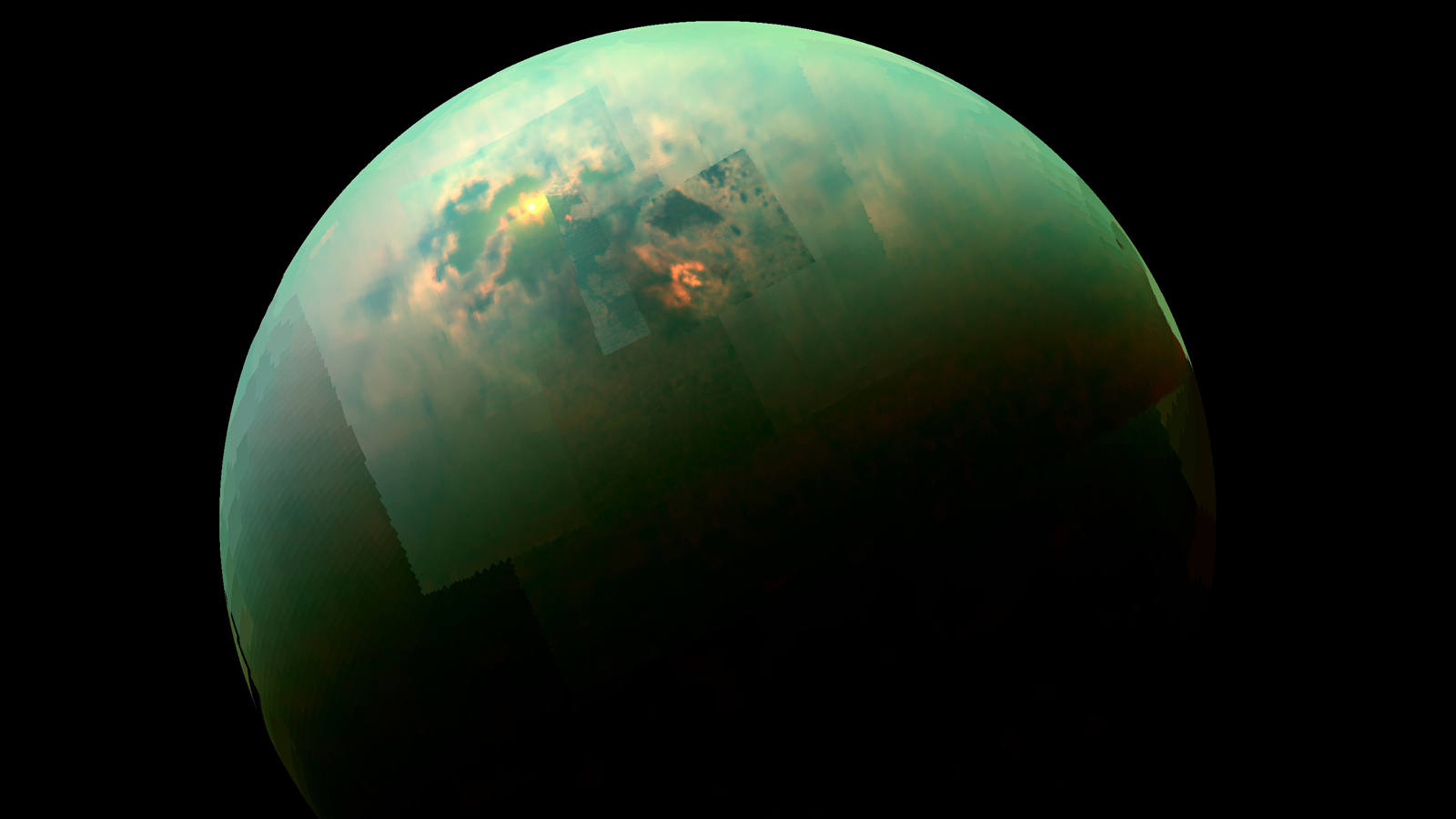
What if I told you that our very own Earth holds a secret, a cosmic clue to understanding one of the most enigmatic worlds in our solar system? It sounds wild, I know. But imagine a place far, far away, shrouded in a thick, nitrogen-rich haze, where methane rains down and carves out rivers, lakes, and seas.
No, I'm not describing some alien fantasy novel, I'm talking about Titan, Saturn's largest moon, which happens to share some truly remarkable geophysical and geological processes with our home planet. It's like finding a long-lost cousin who somehow ended up living in a completely different neighborhood, but still has all the same quirky habits.
Article continues below
Titan is a frozen world, colder than anything we see on Earth, with a crust of ice and organics, not rock. How could anything here possibly tell us about that place? And you wouldn't be wrong to be skeptical. For a long time, there's been a perfectly reasonable hesitation in the scientific community about whether we could actually find useful Earth analogs for a world so distinct in its temperature and material makeup. It's like trying to compare a popsicle to a planet.
But here's where the story gets really interesting, and where the cleverness of researchers shines. See, even with those big differences, a team of scientists has been looking at our own world with fresh eyes. Their insight: there's actually a much wider range of analog fieldwork possible right here on Earth than we ever bothered to consider, according to a new paper appearing in the preprint journal arXiv.
Field analog research, in its simplest form, is all about poking around natural sites on Earth that mimic environments or processes we see on other planets. It's a way to test our gear, prove our instruments, and gather vital data on how things work in extreme environments before we send expensive spacecraft zipping across the solar system. And what they've found is pretty astounding.
Titan, with its thick nitrogen atmosphere and methane acting as a condensible gas, drives an active meteorology that leads to rainfall and surface features like rivers, lakes, and even seas. Sound familiar? It should. We see the echoes of these same dynamic processes on Earth.
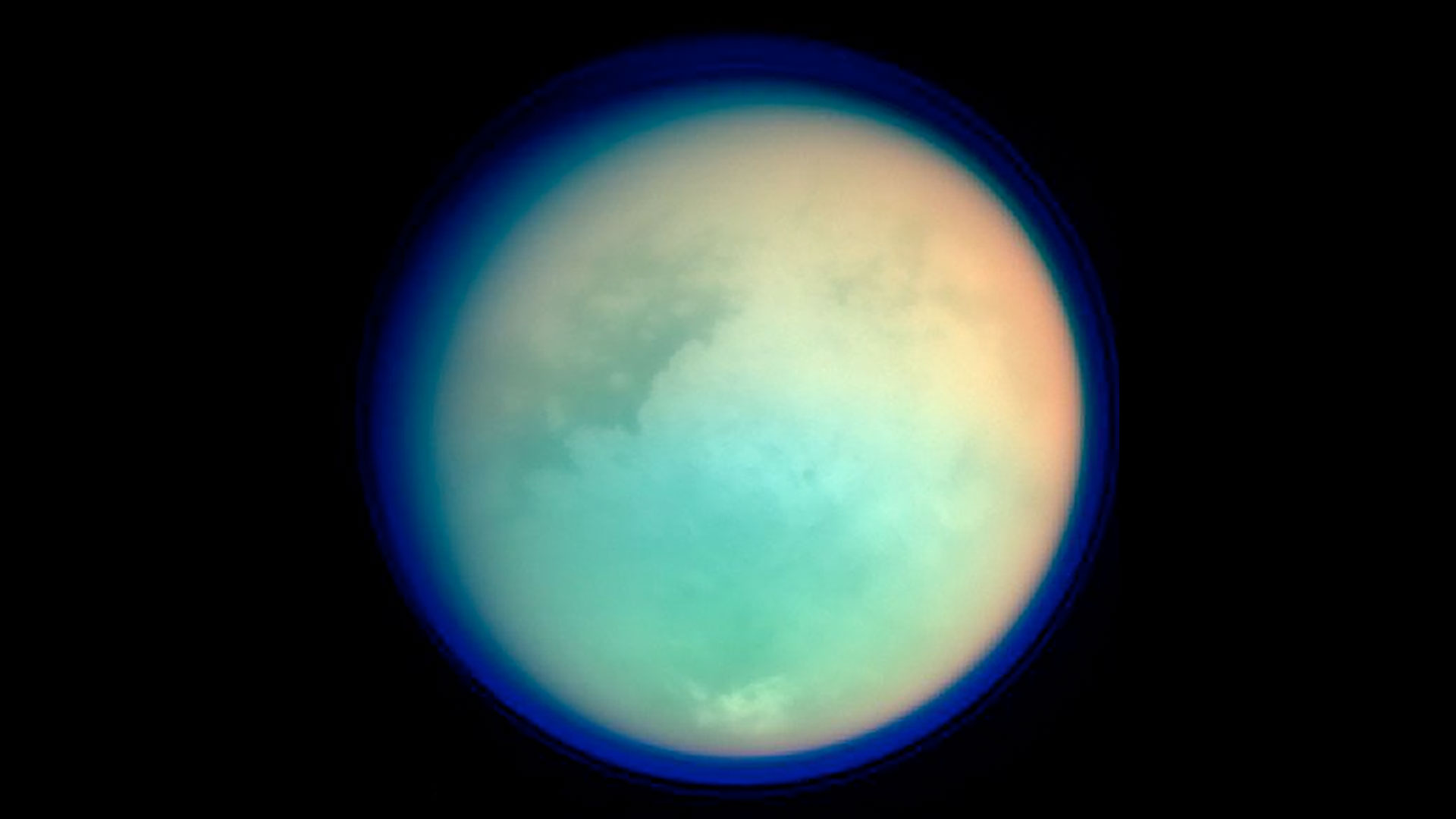
Imagine a world where entire landscapes are shaped by the flow of liquids, where shorelines emerge and recede, and geological features like karstic terrain — the kind we see carved by water on Earth — are instead sculpted by hydrocarbons. These Earth-Titan parallels aren't just neat coincidences; they're direct insights into how complex planetary surfaces evolve, giving us a secret laboratory right under our feet.
This newfound appreciation for Earth's 'Titan-like' spots is absolutely critical for the future of space exploration, especially for missions like NASA's upcoming Dragonfly. This amazing rotorcraft lander, set to touch down on Titan in 2036, is designed to hop around and investigate the moon's prebiotic chemistry, habitability, and even search for potential chemical biosignatures. Dragonfly has a specific traverse target: the 50-mile-wide (80 kilometers) Selk Crater, a place where scientists hope to find evidence of liquid water mixing with surface organics.
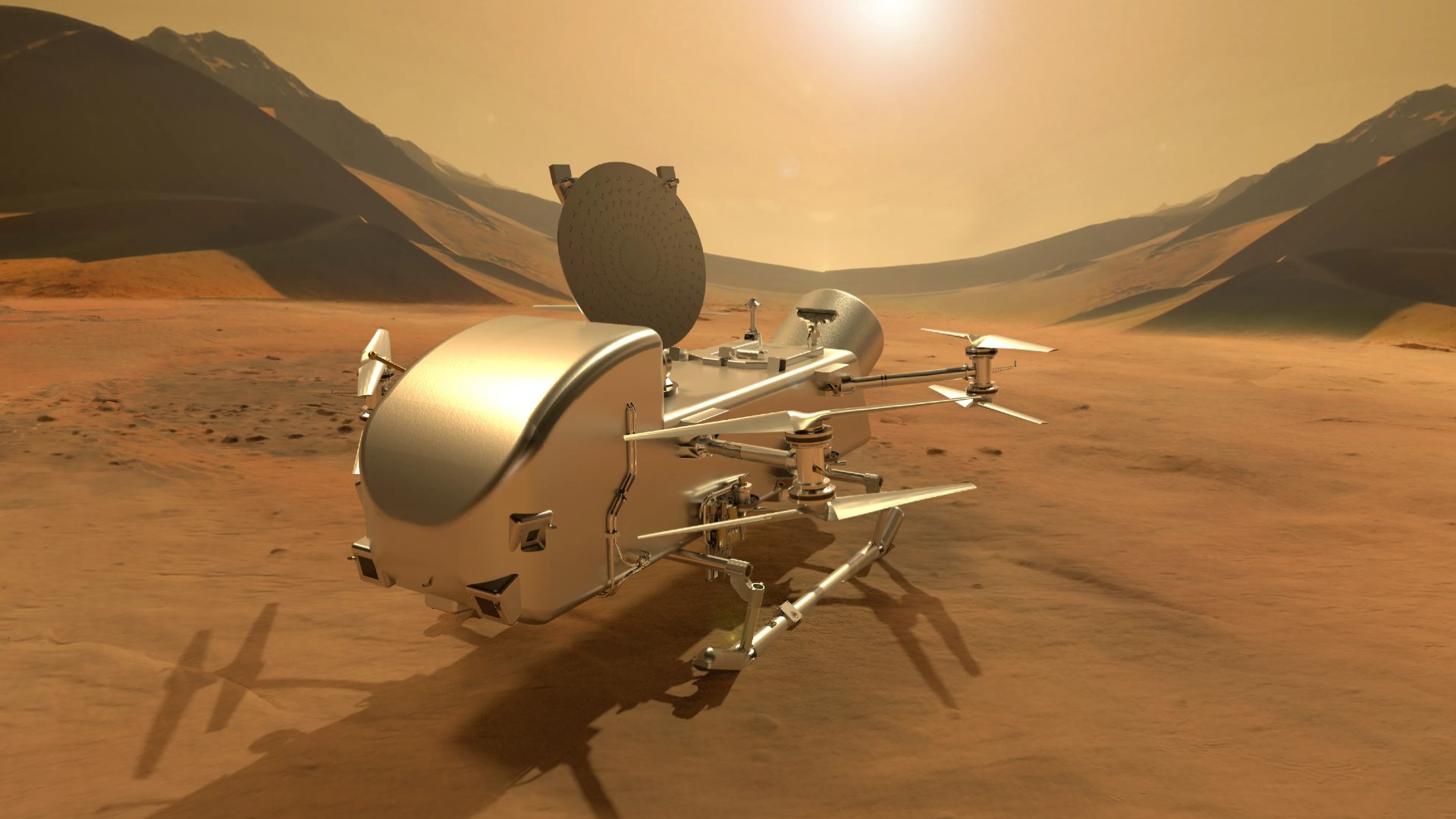
And that's where our terrestrial analogs come in. They serve as indispensable tools for 'ground-truthing' the astrobiological studies, allowing us to test our theories and refine our instruments here at home before they get to work billions of miles away. Our Earth-based detective work will greatly enhance our ability to understand the datasets Dragonfly sends back.
The universe is full of surprises, and sometimes, the answers to our biggest questions about distant worlds are waiting for us right here on Earth. The journey to understand Titan, to uncover its secrets and assess its potential for life, is a continuous one. It's a grand scientific endeavor, driven by curiosity and cleverness, and it reminds us that every piece of knowledge we gain, whether from a field site on Earth or a rotorcraft soaring over an alien landscape, adds another brushstroke to the breathtaking canvas of cosmic discovery.
And there's always, always, more to explore.
 English (US)