A look back at 2026, as California youth explored San Francisco Bay and we worked to restore our shoreline for a changing climate.
Conservation often starts with appreciating what’s right in front of us. At Richardson Bay Audubon Center & Sanctuary, some of our most exciting moments this year were the ones we shared with our youngest visitors. During Shark Week at Audubon Adventure Camp, campers spotted leopard sharks swimming in Richardson Bay from the beach. It was such a thrill to celebrate Shark Week together (away from screens) and see sharks in real life! Looking closely at eelgrass, campers also spotted sea slugs like Hedgpeth’s dorids, opalescent nudibranchs, and green sea hares. Out on the Bay, four Audubon Youth Leaders took their first-ever kayak trip through the Eelgrass Protection Zone.
The San Francisco Bay Area is home to some of California’s most valuable coastal habitats. From tidal wetlands and marshes to coarse beach shorelines, these ecosystems provide essential habitat for birds and wildlife while protecting communities from flooding, erosion, and the impacts of climate change. Through two important restoration projects, Strip Marsh East and Greenwood Beach, Audubon California is helping lead efforts to protect and restore these vital natural landscapes.
When young people get to know the San Francisco Bay firsthand, they can begin to see how our eelgrass beds, tidal marshes, and beaches matter, and why caring for these habitats is part of building a more climate-resilient future.
Throughout 2026, we helped young people get to know the Bay while working with local partners to care for its habitats. From restoring the shoreline at Greenwood Beach to growing native plants with our youth interns, each project gave us a chance to grow as scientists, educators, partners, planners, and neighbors.
Growing the Next Generation of Coastal Resilience Leaders
Audubon Youth Leaders
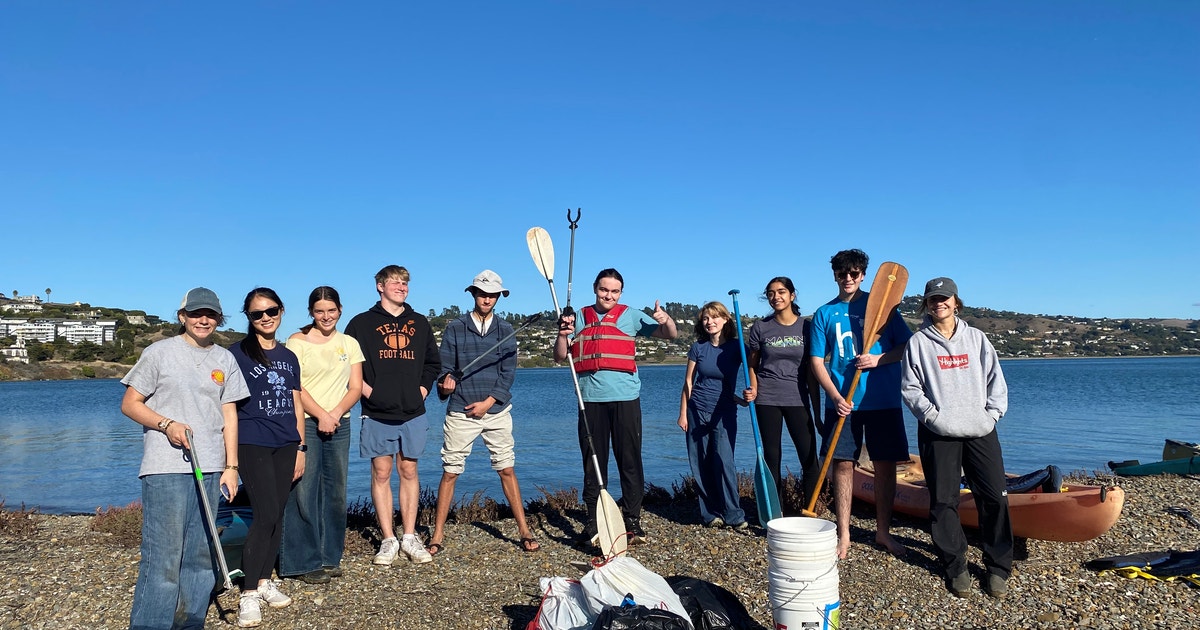
For four of our Audubon Youth Leaders, a paddle through Richardson Bay’s Eelgrass Protection Zone was their first time in a kayak. It was one of the highlights of this summer’s Marin Naturalist Internship, which brought nine interns together once a week for six weeks. The group also helped document biodiversity during a BioBlitz at the Richardson Bay Audubon Center & Sanctuary and joined our partners at Canal Alliance for a conversation about local environmental justice issues.
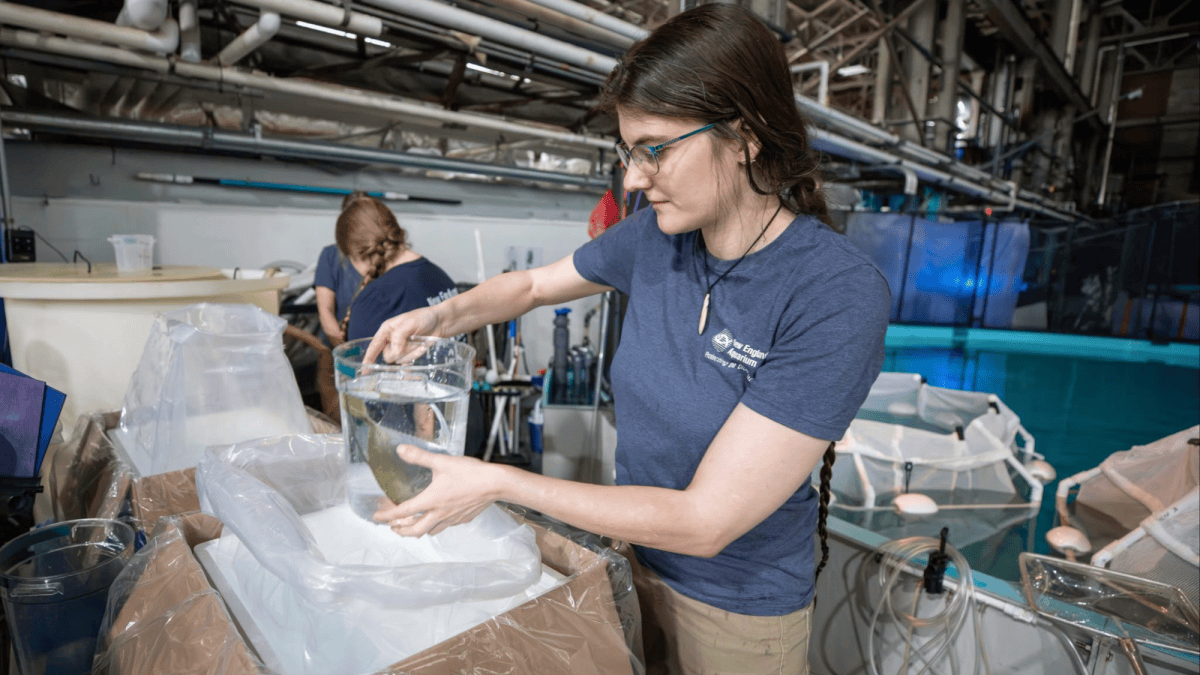
Two summer interns returned for the fall Habitat Stewardship Internship, joining seven others for weekly sessions from October through December. Working with partners at the Golden Gate National Parks Conservancy’s Marin Headlands Nursery, UC Master Gardeners, and Marin Garden Club, interns gained hands-on experience growing and caring for native plants. They planted 26 native plants in the Center’s demonstration gardens, including red flowering buckwheat, sticky monkeyflower, yarrow, hummingbird sage, currant, and Hooker’s evening primrose. They also sowed hundreds of seeds in our native plant nursery for future Audubon Youth Leaders to tend.
Through the School to Career Internship Program with Marin County public schools, fall interns will earn high school credit for participating and receive a stipend when they complete the program.
Audubon Adventure Camp
This summer, seven seasonal staff welcomed more than 300 campers ages 4 to 7 to Richardson Bay Audubon Center & Sanctuary for six weeks of Audubon Adventure Camp. During Shark Week, campers spotted leopard sharks from the beach. A closer look at eelgrass revealed tiny sea slugs, including Hedgpeth’s dorids, opalescent nudibranchs, and green sea hares. Back on solid ground, campers found western fence lizards and western skinks.
Our counselors brought camp lessons to life with a food pyramid skit each week and created a camp coloring book, giving campers another way to explore what they were learning.
2026 Youth Programs at a Glance
300+
Audubon Adventure Camp campers ages 4–7.
16
Audubon Youth Leaders across two internships.
6
Week of Audubon Adventure Camp Completed.
4
Audubon Youth Leaders experienced kayaking for the first time.
Restoring and Enhancing Habitat Along the San Francisco Bay
Strip Marsh East: Bringing Life Back to the Wetlands
Located within the San Pablo Bay National Wildlife Refuge along State Route 37, Strip Marsh East is an important wetland ecosystem that has experienced significant habitat loss. Changes in water flow, poor drainage, and prolonged periods of flooding as well as drought have contributed to the decline of hundreds of acres of emergent marsh habitat.
Led by Audubon California in collaboration with federal, state, and local partners, the restoration project aims to improve tidal circulation, restore natural water movement, and create healthier marsh conditions. Planned improvements include excavating tidal channels, improving drainage, and restoring marsh elevations.
These efforts will benefit vulnerable species, including the endangered Ridgway’s Rail and Salt Marsh Harvest Mouse, as well as fish and other wildlife. The project also demonstrates how ecological restoration can work alongside transportation improvements to strengthen the resilience of both natural habitats and critical infrastructure.
Greenwood Beach: A Nature-Based Approach to Shoreline Protection
Along the northern shoreline of Richardson Bay in Tiburon, Greenwood Beach faces ongoing erosion caused by wind-driven waves and shoreline retreat. It also borders Audubon’s 900-acre waterbird sanctuary, which is a wintering haven for tens of thousand of seaducks, including one of our favorite Weird Ducks, the Surf Scoter.
Audubon California, working with the Town of Tiburon, Marin County, and restoration specialists, is advancing a living shoreline project designed to restore and expand the beach's mixed sand-and-gravel habitat and adjacent salt marsh.
Rather than relying solely on traditional rock barriers, the project uses natural materials, native vegetation, and innovative shoreline features to reduce erosion while creating valuable habitat for shorebirds and other wildlife. The approach also supports public access and helps the shoreline adapt to rising sea levels.
Our on-the-ground work began in 2024 with sediment studies along the shore. In 2025, we began growing native plants for the project in our nursery, starting some from seed and encouraging others to spread from rhizomes. By December, we will install 133 container plants we have tended for the past year and a half and transplant a number of plants from nearby marsh to supplement. Plants include species such as the endemic and endangered California seablite (Suaeda californica) as well as Silver burr ragweed (Ambrosia chamissonis), western ragweed (Ambrosia psilostachya), and Beach Saltbush (atriplex leucophylla).
2026 Habitat Highlights at a Glance
2
Restoration projects advanced: Greenwood Beach & Strip Marsh East.
133
Native plants tended in our nursery for Greenwood Beach.
26
Native plantings in the Center's demonstration gardens.
200+
Native plant seeds sown for future Audubon Youth Leaders to tend.
A Shared Vision for a Healthier Bay
Although different in scale and location, both habitat projects reflect a shared vision: restoring nature to build a more resilient Bay Area.
Through science, collaboration, and nature-based solutions, Audubon and its partners are demonstrating that protecting wildlife and strengthening communities can go hand in hand. These projects are more than restoration efforts; they are investments in the future of the Bay, its wildlife, and the communities that depend on healthy coastal ecosystems.