
.jpg) 1 hour ago
3
1 hour ago
3
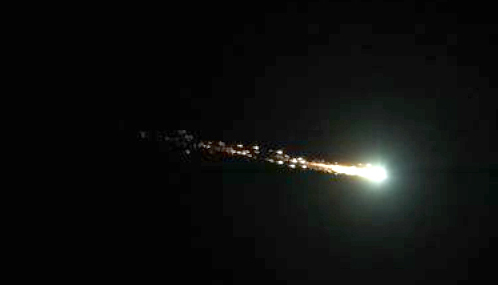
On Aug. 14, 1992, a space rock entered the atmosphere over Mbale, Uganda and exploded into hundreds of pieces!
Debris from this meteorite shower was strewn over an area of about 2 by 4 miles (3.2 to 6.4 kilometers), and the biggest piece weighed more than 60 pounds (27 kilograms)! Scientists estimated that the original space rocket weighed more than 2,000 pounds (900 kg). A young boy was hit in the head with a small meteorite fragment, but thankfully no one was seriously injured or killed by any of the falling space rocks.
In October 2012, a fragment of the Mbale meteorite was put up for sale by Heritage Auctions in New York City.
Why it mattered
The Mbale meteorite provided scientists with a glimpse of how space rocks of this size can impact communities where they happen to land, and allowed researchers a look at large fragments found by recovery expeditions for radionuclide studies within just 12 days of falling to Earth.
NASA classified Mbale as a type L5/6 ordinary chondrite, and calculated that its breakup in Earth's atmosphere occurred between about 15.5 miles (25 km) and 6 miles (10 km) in altitude. By October 1993, 863 fragments of the meteorite had been recovered, with an overall estimate of 330 pounds (150 kg) of material surviving the atmospheric plunge to reach Earth's surface.
 English (US)