
.jpg) 3 hours ago
2
3 hours ago
2
China’s housing slump is set to continue in 2026, according to Morgan Stanley, as weak demand and limited policy intervention weigh on prices.
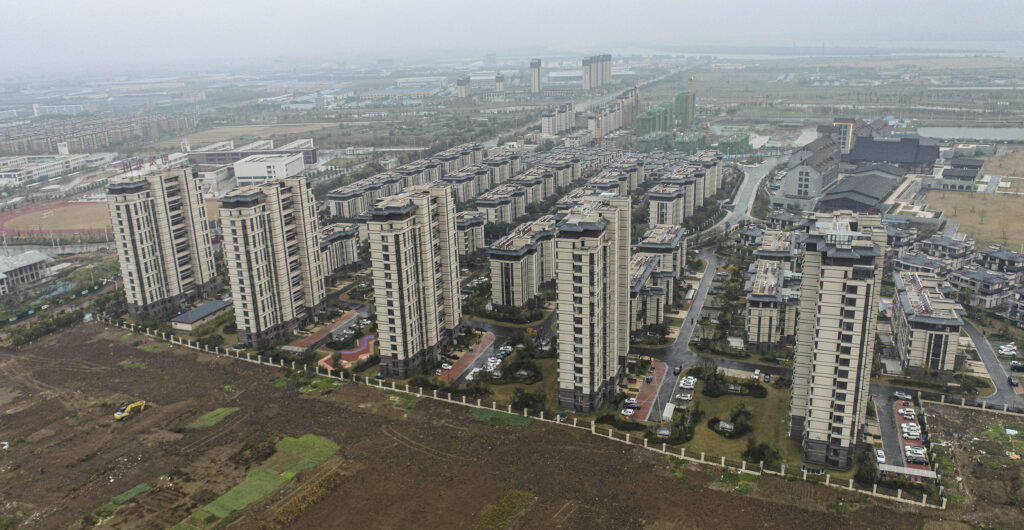 China may need more time to reduce its inventory of unsold homes
Analysts at Morgan Stanley see China’s housing slump continuing this year, with experts from the US investment bank predicting that new home prices could drop another 2 to 3 percent as the government continues to take a reactive approach to policy fixes and consumers remain timid.
With official data showing average home prices in China having declined 2.4 percent in November from the same month a year earlier, the forecast puts 2026 roughly in line with the past year’s experience. With home prices having now declined 12.1 percent from their peak in 2021, the country has now experienced four straight years of market decline, according to a Morgan Stanley research note released before the holidays.
Hong Kong-based Morgan Stanley analysts Stephen Cheung and Cara Zhu attributed the duration of the slump in part to caution on the part of policymakers, who have so far taken an incremental approach to fixing in the market and preferred reaction over reform, with those tactics likely to continue this year.
“We think the narratives on housing policy in 2026 will be similar to those in 2025, with risk mitigation rather than GDP growth remaining the top priority of regulators, Cheung and Zhu said in the note. “Roll-out of any meaningful fiscal-backed stimulus may stay reactive and measured, and is likely to lean towards 2H, to cushion the pace of home price declines.”
Slump Not a Crisis
Prices for new homes in 70 major Chinese cities fell 0.39 percent in November compared to October, according to the most recent data from China’s National Bureau of Statistics. Prices for second-hand homes have been under greater pressure, declining 0.66 percent in November, and are now down 20.8 percent since 2021, according to an analysis by European bank ING.
 Morgan Stanley analyst Stephen Cheung
With the home price slide dragging on, the value of developer sales of new homes in the January to November period fell 11.2 percent compared to the same period in 2024, according to official data.
With China’s real estate industry having gone through multiple years of decline, Morgan Stanley pointed out that the significance of the housing market to the country’s macroeconomy has been significantly reduced, making officials less likely to intervene.
“This is consistent with the fact that incremental nationwide policy easing on the property market was muted in 2025 given no new social and financial risk emerged in the year,” Cheung and Zhu said.
Lower levels of worry among policymakers may also explain the lack of official moves to support struggling developers, with one-time industry standard bearer China Vanke continuing to struggle to win extensions on two tranches of domestic bonds worth a combined $813 million. With both sets of bonds having come due last month, the company was able to win a 30-day grace period from investors, but is still seeking approval for one year extensions of both sets of debentures.
Consumer Confidence Dims
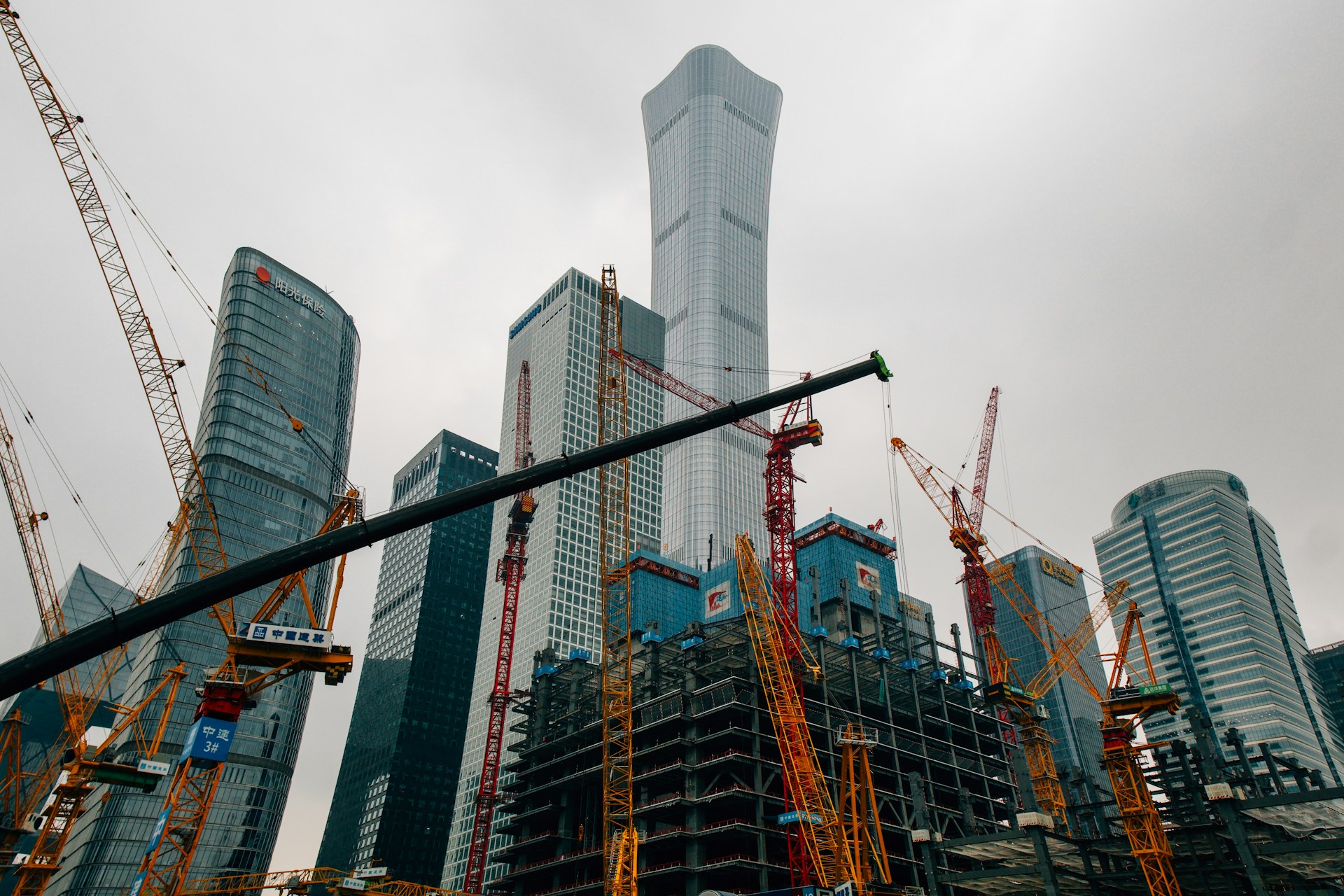 Construction site in business district of Beijing, China
With home prices continuing to decline and the government showing less interest in supporting the real estate industry, consumers are losing faith in a housing market that many had long seen as unstoppable.
A survey by Morgan Stanley conducted in October found that 67 percent of respondents from China’s tier 1 cities expect further declines in housing prices, worsening from 50 percent in July and 39 percent in April.
Nationwide, potential sellers showed a sense of urgency, with the majority willing to accept a loss. On the other side of the market, only 2 percent of potential buyers said they plan to make their purchases within the next 12 months.
This weak buying sentiment is preventing developers from shrinking an overhang of unsold housing, with Morgan Stanley pointing to weaker sales in recent months as potential leading to a further expansion of developer inventories.
“Considering the accelerated sales decline since October, we believe the national inventory may trend up to 31-32 months in December 2025 despite limited new primary launches,” Cheung and Zhu said.
 Wai Tan, Shanghai, China
Sales Expected to Fall Further
Given the high levels of inventory in both China’s primary and secondary housing markets, and with housing policy likely to remain reactive, Morgan Stanley expects the value of new home sales in China to fall 10.5 percent in 2026 from the preceding year to RMB 7.57 trillion (USD 993 billion).
Based on estimates of the time necessary for the market to absorb the current inventory of unsold housing, Morgan Stanley expects that home prices in tier one, and in major tier two cities could stabilise in the second half of 2027 if the macro environment stays stable and resilient. The market in other locations is predicted to need more time to find a bottom, due to oversupply and challenging demographics.
In a separate analysis last month, Fitch Ratings predicted that home prices in China will fall by 4 percent to 6 percent in 2026, with a further 2 to 4 percent decline likely in 2027.
This article was first seen on the Asia real estate platform mingtiandi.com and was written by Iris Hong
For more on the latest in property and real estate reads, click here.
 English (US)