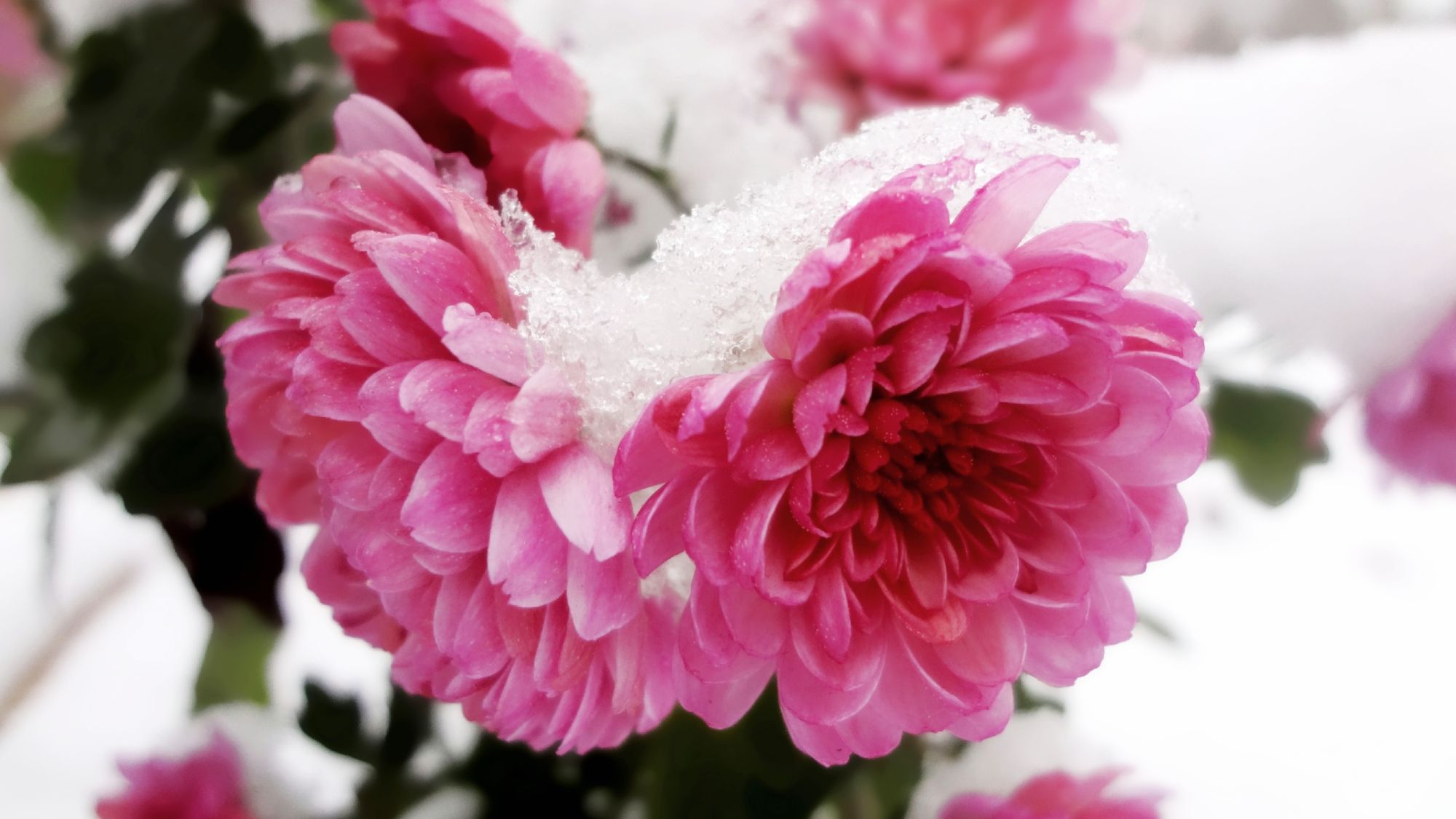
When the forecast drops below freezing for the first time in late fall, half the neighborhood rushes out to tuck bedsheets over their mums – unless they have a greenhouse, that is. But while most folk don't have the space or the budget for a full-size glasshouse, a mini greenhouse or cold frame is the affordable option to get plants through winter unscathed. But which is best when it comes to protecting plants from winter weather?
A mini greenhouse is a tall but narrow enclosure with wire-mesh shelves zipped inside a clear plastic cover. A cold frame is a low, bottomless box with a see-through lid that sits right on the dirt. Both catch sun all day, but they handle the night very differently, making the best one for you dependant on what you grow. And a Georgia winter is a very different beast from a Minnesota one, which affects how you winterize your garden in late fall.
Here's everything you need to know to make the right decision to protect your plants from frost and snow this winter.
Mini Greenhouse or Cold Frame: What are the Pros and Cons?
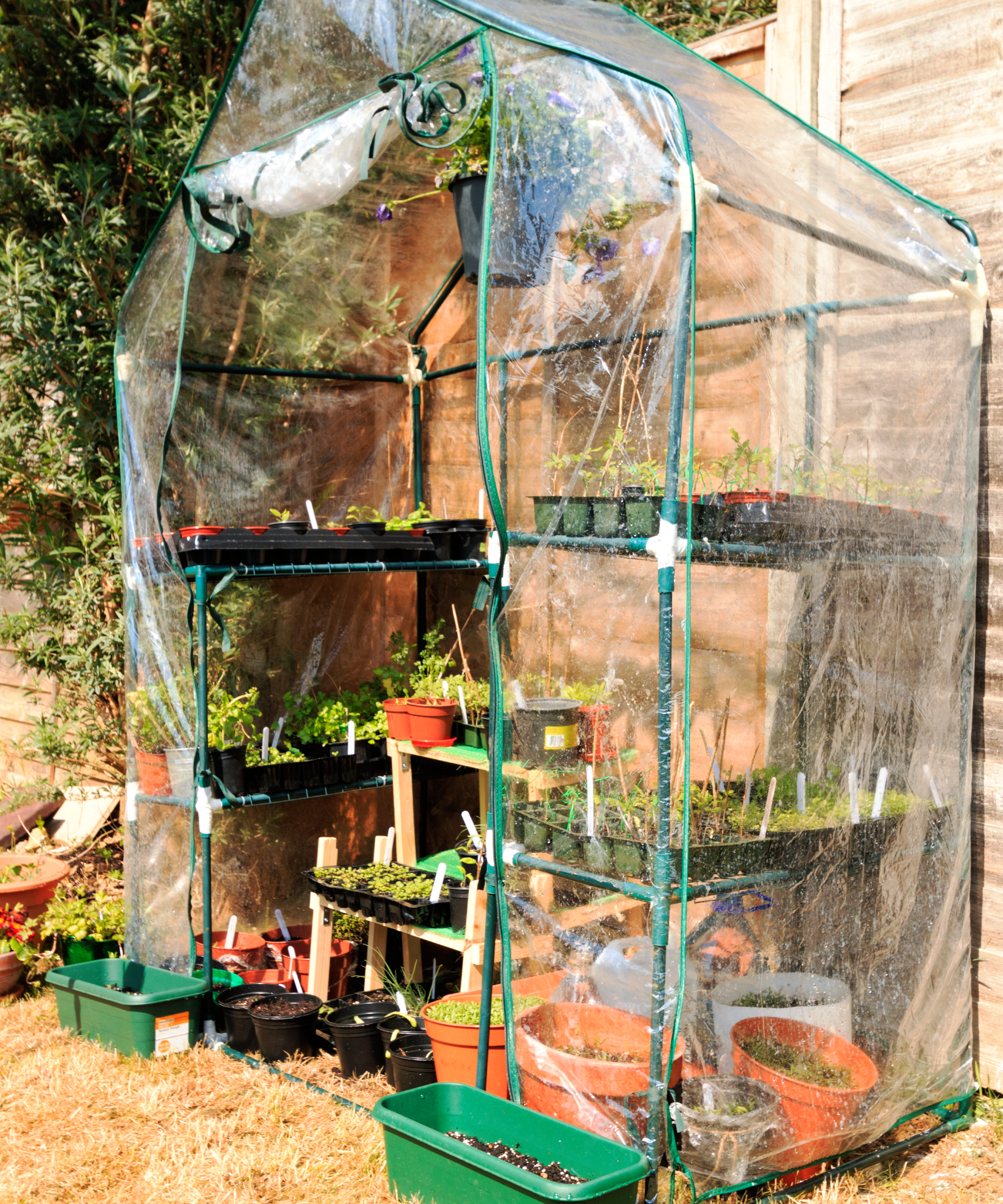
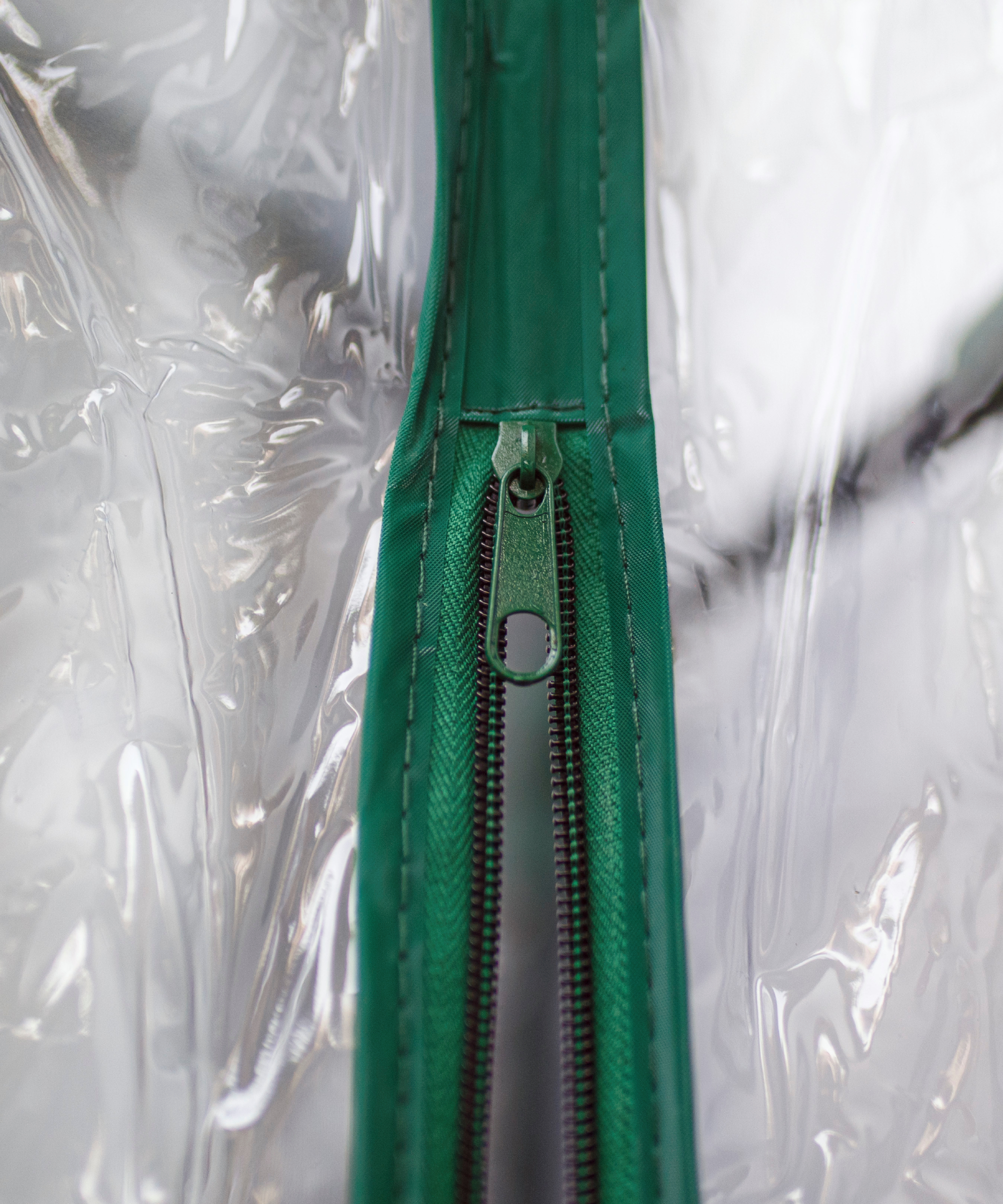
Most mini greenhouses are made from a light steel frame with two to four tiers of wire-mesh shelves. This is covered with a PVC or polyethylene cover that zips up the front, or some designs have rigid polycarbonate panels, which is why they're often referred to as 'plastic greenhouses'. To vent, you unzip and roll up the door.
Mini greenhouses are cheap and give you a lot of growing space for a small footprint, but the plastic cover can wear out and be hard to replace, and not all products stand up to winter winds unless they're positioned in a sheltered spot. If you only use a mini greenhouse in winter, it's easy to pack up and store away for summer, or if you can remove the shelves then they're useful for growing tomatoes.
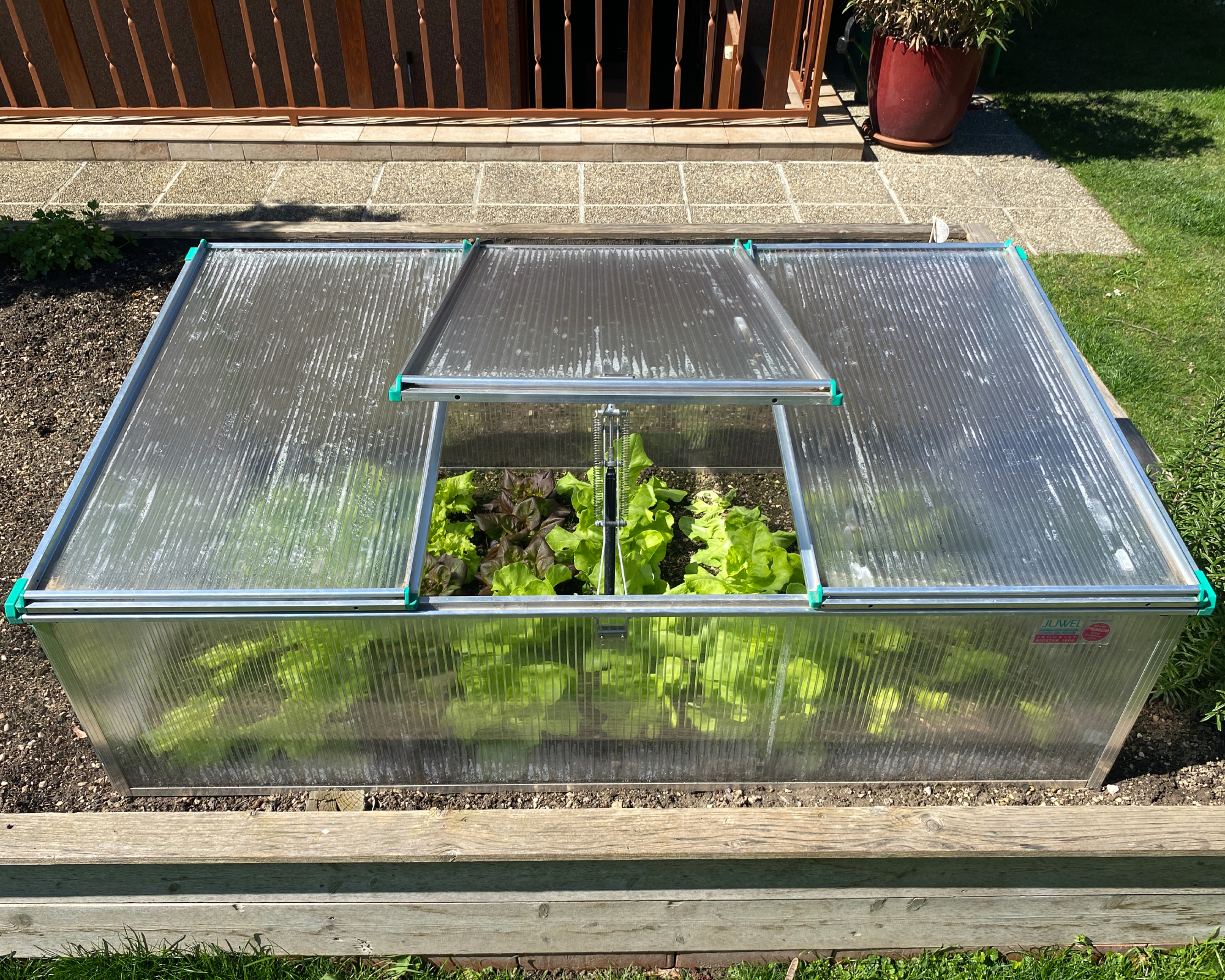
Cold frames are typically made from wood, aluminum or brick with a hinged glass or polycarbonate lid that can be propped open on warm days. Only holding one layer of pots, a cold frame and will only fit fairly low-growing plants. They generally cost more, unless you put your DIY skills to the test and build your own cold frame, but a sturdy design with a rigid lid lasts for years. A cold frame doesn't buy you any extra growing room, however.
When a Cold Frame Is Worth the Investment
(Image credit: Getty Images)
Plants will usually come through a harsh 20°F (-7°C) night better in a cold frame than a mini greenhouse. Because the frame has an open base and sits directly on the ground, it benefits more from the heat of the sun. Soil soaks up the solar heat all day, which is why it's a good idea to prop the lid open a few inches on sunny days if temperatures rise above 40°F (4°C). But close the lid by late afternoon and the interior stays warm as the soil gives the heat back overnight, and the frame's solid sides slow the loss. For extra warmth, it's an easy task to bank straw or soil against the walls. too.
So, vegetables such as lettuce, spinach, kale and other winter greens will keep growing slowly under a cold frame lid into early winter. Low perennials and young transplants often do well too, and so do plants that rot when winter rain sits on their crowns.
When a Mini Greenhouse Is the Better Buy
(Image credit: Getty Images)
Space is where a mini greenhouse wins over a cold frame. With several tiers of shelves, you can stack seedling trays, rooted cuttings and pots of hardy herbs in a space about the size of a doormat. However, a mini greenhouse sitting on paving has no soil to draw from, so it doesn't stay as warm overnight. While the interior still heats up in the day (so needs venting), thin plastic sides allow the warmth to quickly escape, so it doesn't take long for the air inside to drop to the same temperature as the air outside. A tall mini greenhouse catches every gust of wind, too, and cold air finds any gaps around zippers and seams.
If you have a sheltered sunny wall to stand a mini greenhouse against, however, that structure will absorb the sun's heat during the day and give it back through the night, helping to stabilize temperatures. Still, don't trust thin plastic in a hard freeze – but a mini greenhouse does a great job at keeping wind and rain off hardy container plants.
A mini greenhouse gives you extra growing space on a balcony or in a small urban garden, too.
Which Features Are Worth Paying Extra For?
(Image credit: Getty Images)
Cold Frame
When buying a cold frame, it's good to know that wood insulates better than metal if you live in a harsh climate. It's heavier, though, so if you want to be able to move your cold frame, then an aluminum frame also has the advantage it won't rot. Either way, look for a sturdy frame that doesn't wobble and a lid that props open at more than one height. Automatic venting is a useful upgrade if you're not at home during the day, as a temperature-activated hinge lifts the lid as the inside warms up.
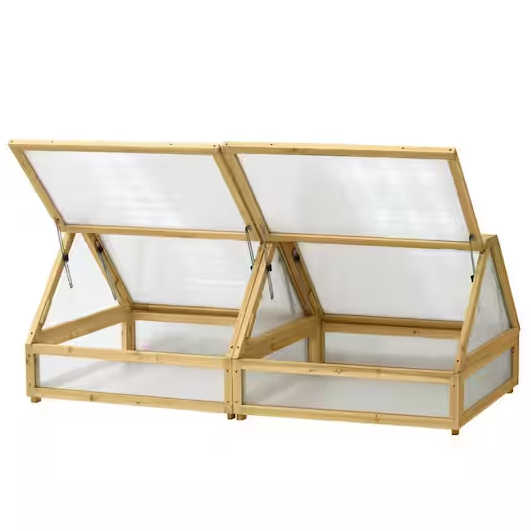
1.8m Natural Wooden Cold Frame
Cedar wood frame, 3.5mm polycarbonate insulation and fully opening lid with venting positions.
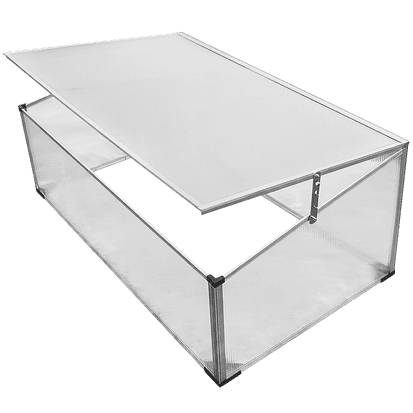
Folding Aluminum Cold Frame Greenhouse
Aluminum frame, 4mm polycarbonate panels and a collapsible design for easy summer storage.
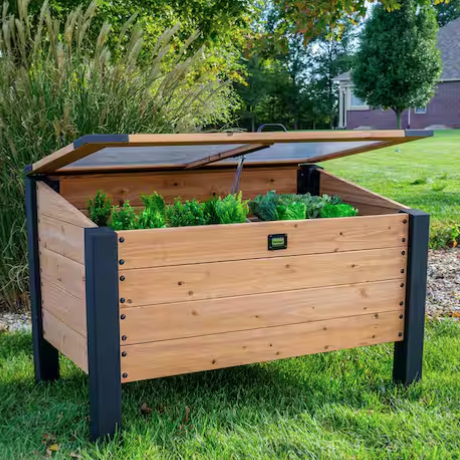
Aggie 4' X 2'4" Cedar Wooden Cold Frame Planter Box
Cedar and powder-coated steel, double-wall polycarbonate lid and temperature-activated automatic lid opening.
Mini Greenhouse
When buying a mini greenhouse, there's a balance to be had between budget and cover quality. A mini greenhouse with polycarbonate panels is more expensive but holds heat far better than a floppy plastic cover. If you opt for a cheaper flexible cover then look for one made of PE (polyethylene), preferably reinforced PE, rather than PVC.
PE stays flexible in freezing temperature and copes with long-term UV exposure well. PE that's reinforced with mesh also means any rips are easily fixed, and still lets in around 85% of sunlight. PVC (polyvinyl chloride) is usually clearer so lets more light through, but tends to split and yellow over time.
Look for a stiff, robust frame because a wobbly one means the cover flaps until the seams gape. It's vital that you can anchor the mini greenhouse down, too, and that the method used is suitable for the ground you plant to stand it on. Most designs will have base flaps that you can weigh down with bricks or stones, while some offer additional anchoring with ground stakes – useful if your garden is at all exposed.
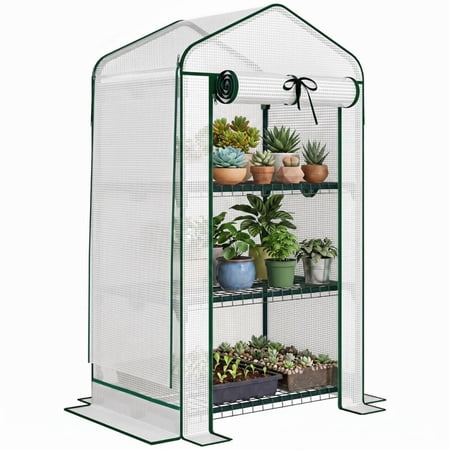
Mini Greenhouse with Zipper Door
Double-layer roof design for ventilation, UV-resistant PE cover and zip-up door. Measures 50" H x 27.6" W x 19.7" D.
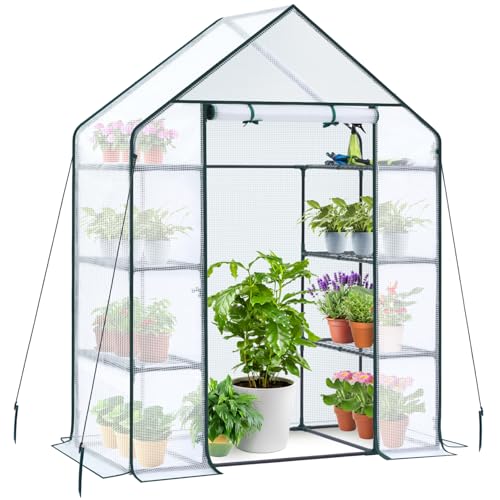
Walk-In 4-Tier Greenhouse with Metal Frame
Reinforced PE cover, mesh racks and 4 ropes and ground stakes. Measures 76.8" H x 57.9" W x 30.3" D.
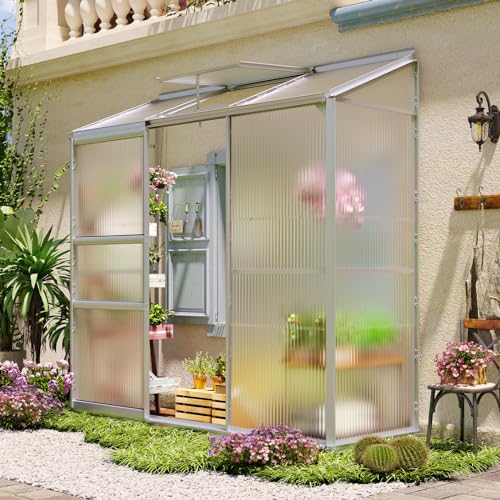
Lean-To Polycarbonate Mini Greenhouse
4mm polycarbonate panels, roof vent, sliding door and rain gutter. Measures 71.65" H x 75.98" W x 27.16" D.
Can These Structures be Upgraded to Better Protect Plants?
It's a simple task to upgrade a cold frame or mini greenhouse when winterizing your garden, and the cheap fixes go a long way. You could save bubble wrap to repurpose in the garden, clipping a layer inside the cover for an extra layer of trapped air. Always pick big bubbles since they generally insulate better, like this 24-inch-wide roll of large-bubble clear wrap from Amazon. Bubble wrap does cut some light, however, and packing-grade wrap breaks down in the sun faster than horticultural film.
On a bitter night, spreading frost cloth like this from Amazon over the plants inside also helps to insulate them, and it's easily pulled off in the morning.
A tall mini greenhouse can tip in strong wind, and even if anchoring stakes are included, they're usually flimsy. A shed anchor kit like this from Amazon with 18-inch ground screws and steel cable will do a much better job of holding your mini greenhouse down through winter weather.
The Verdict: Which Should You Buy?
If you mostly grow winter greens and low perennials, buy the cold frame since the open soil base and solid sides will give plants steadier nights. If you need plenty of space for seedlings, cuttings or taller pots, go with a mini greenhouse and expect bigger temperature swings.
Whichever you pick, park it in a sunny spot out of the wind, and hang a cheap digital max/min thermometer like this from Amazon in there so you know just what degree of winter protection your plants are getting. Neither a cold frame nor a mini greenhouse will protect frost-tender plants in severe cold weather without extra insulation or a safe heat source, so bring them inside before a hard freeze. And if you do add heat, do it carefully – a soil-heating cable on a GFCI outlet turns a cold frame into a hotbed, but keep heaters away from plastic and never run a fuel-burning heater in a small closed structure.